
Finding the ideal bed light clip for nightly reading in Singapore involves looking past flashy online listings and focusing on physical build quality, light distribution, and power reliability. In typical Singaporean bedrooms—where space-saving HDB built-in headboards, compact bedside tables, and shared sleeping spaces are common—the right clip-on light must secure firmly without damaging furniture, offer precise beam control to avoid waking a partner, and provide eye-safe illumination. Rather than relying on generic brand names, smart buyers evaluate specific material grades, LED specifications, and power configurations to find a durable reading companion.
Core Features to Compare When Choosing a Bed Light Clip
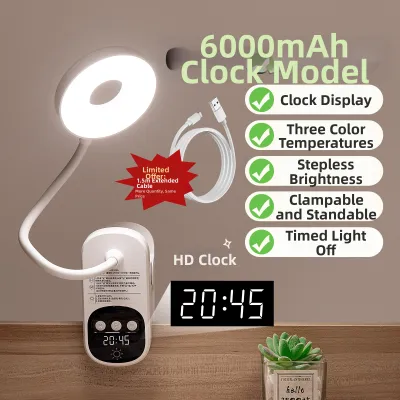
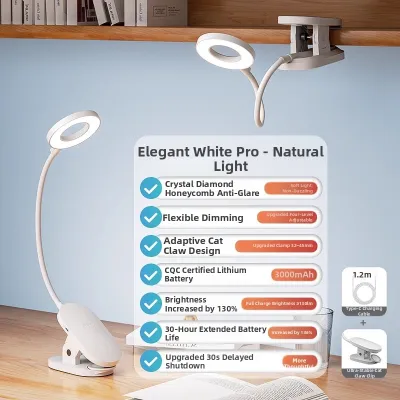
Evaluating a bed light clip requires looking at how well its technical specifications match your actual reading environment. Brightness levels are a primary consideration; reading in a completely dark room requires a lower, warmer light (often around 50 to 100 lumens) to prevent high-contrast eye strain, whereas reading with ambient room lights on might require up to 200 lumens. Look for models that offer step-less dimming or at least three distinct brightness presets so you can adjust the intensity as your eyes tire.
Color temperature options are equally critical for evening relaxation. Light temperature is measured in Kelvin (K), with warm light (2700K to 3000K) being ideal for pre-sleep reading because it minimizes blue light exposure. Cool white light (5000K or higher) is too harsh for bedtime but might suit daytime task work, making a multi-color temperature model highly versatile.
Products mentioned in this guide
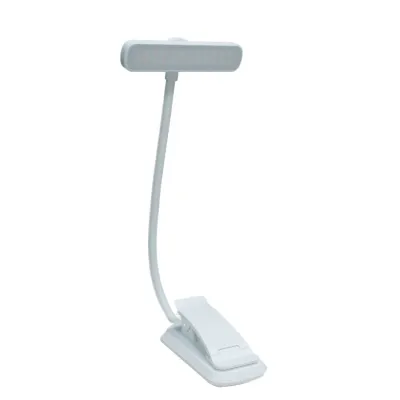
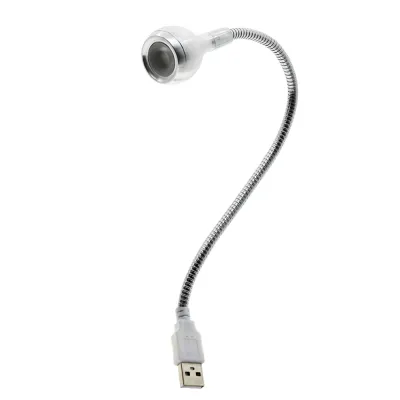
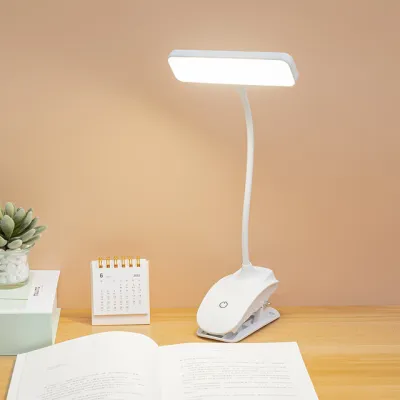
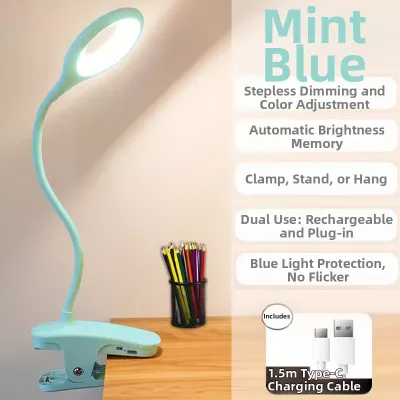
Prices are valid at publication and may change. Please refer to the product page for the latest price.
The physical adjustment mechanism dictates how easily you can direct the light. Goosenecks made of silicone-coated metal offer silent, 360-degree adjustment, which is crucial when trying not to disturb a sleeping partner. Fixed-arm or multi-hinge designs offer sturdier positioning but may have limited angles and can squeak over time.
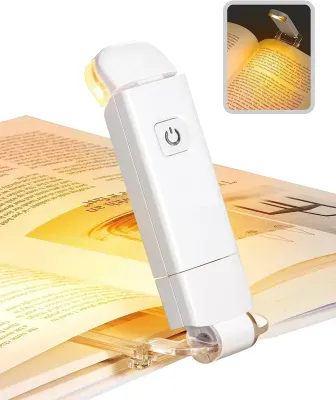
Finally, consider the overall weight and form factor. A heavy light can cause a flexible gooseneck to sag or tip over if used as a free-standing lamp on a bedside table. For travel or reading paperback books directly, a featherweight model under 100 grams is essential, whereas headboard-mounted units can afford to be heavier and more robust.
Power Sources and Battery Life: What to Expect
Power configurations generally fall into two categories: rechargeable lithium-ion batteries and direct plug-in models. Rechargeable models offer cordless convenience, allowing you to clip the light anywhere without worrying about cable management. When comparing rechargeable options, look for USB-C ports, which are more durable and faster-charging than older Micro-USB connections.

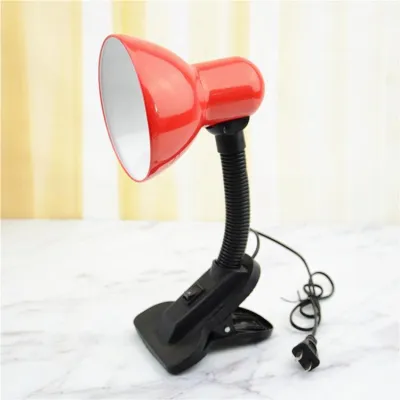
Direct plug-in models eliminate battery degradation concerns entirely, making them ideal for heavy readers. However, they require proximity to a power outlet. In Singapore, where bedrooms may have limited wall sockets near the bed, check the included USB cable length, aiming for at least 1.5 to 2 meters. Ensure any USB wall adapter used carries the local Safety Mark to guarantee electrical safety under Singapore’s 230V grid.
Verifying battery claims requires a critical eye. Manufacturers often advertise battery life of up to 40 hours, but this is almost always measured at the lowest, dimmest setting. At maximum brightness, a standard 1200mAh battery typically lasts between 3 to 5 hours. To verify real-world performance, check user reviews on local ecommerce platforms specifically searching for battery life or charging frequency to see how the light holds up under daily use.
Assessing Build Quality and Clip Durability
The physical materials of a bed light clip directly impact its longevity and how well it protects your furniture. Budget-friendly brands typically use standard ABS plastic, which can feel brittle and may crack under high spring tension over time. Premium brands utilize aluminum alloy for the lamp head and arm, which dissipates heat from the LEDs more efficiently and offers superior structural integrity.
The clip jaw is the primary point of mechanical failure and must be inspected closely. Look for thick, non-slip silicone or rubber pads inside the jaw. In Singapore’s humid climate, cheap adhesive on foam pads can degrade rapidly, causing the pads to slide off and leave a sticky residue on your headboard. High-quality clips use molded, textured silicone pads that are mechanically secured or use high-grade, heat-resistant adhesives.
Spring tension must be balanced carefully. The spring must be strong enough to hold the light’s weight at awkward angles without slipping, yet not so stiff that it requires extreme effort to open, which risks damaging delicate headboard veneers or e-reader cases.
Additionally, check the connection points where the gooseneck meets the clip and the lamp head. These joints bear the brunt of daily adjustments. Metal-to-plastic joints are prone to loosening and stripping, whereas metal-to-metal threaded connections offer the longest lifespan.
Evaluating Light Quality for Nightly Eye Comfort
High-quality illumination is essential to prevent eye fatigue during late-night reading sessions. Low-quality LED drivers can produce rapid, invisible flickering that causes headaches and eye strain. To perform a simple check, turn on the clip light, open your smartphone camera app, and look at the light source through the screen. If you see dark, moving bands or strobing lines, the light has high pulse-width modulation (PWM) flicker and should be avoided.
Beam angle and light spill management are crucial if you share a bed. A wide beam angle illuminates the entire sleeping area, which can disturb a partner. For shared beds, look for a light with a narrow, focused beam angle of around 30 to 45 degrees or a hooded lamp head design that directs light strictly onto your book pages.
The presence of built-in diffusers or frosted covers also makes a significant difference. Raw, exposed LED chips produce harsh, point-source glare and distracting multi-shadows on the page. A high-quality bed light clip features a frosted diffuser or a physical optical lens that blends the light evenly, creating a soft, uniform glow that is gentle on the eyes.
Decision Guide: Matching a Bed Light Clip to Your Reading Habits
To find the right bed light clip, match the product specifications to your specific nightly routine. If you share a bed and need to avoid disturbing your partner, prioritize a rechargeable model with a flexible silicone gooseneck, a narrow beam angle, and a dedicated warm-light mode (2700K). This allows you to position the light close to your book and keep the brightness low, ensuring your partner remains undisturbed in the dark.
If you read for extended hours at a desk or in a single bed near an outlet, choose a direct plug-in model with an aluminum alloy build and a wider light panel. This setup provides consistent, high-brightness illumination without the hassle of recharging or battery degradation.
For travel, staying in hotels, or reading in a bed without a headboard, opt for an ultra-lightweight, compact clip light under 80 grams that clips directly onto your book or e-reader. Look for a model with a small, rechargeable battery and a slim profile that fits easily into a travel bag.
Before making a purchase, always measure the thickness of your headboard, bed frame, or shelf. Compare this measurement against the manufacturer’s specified maximum clip opening. If your headboard is thicker than 4 centimeters, standard clips may slip or fail to attach entirely, requiring you to look for specialized wide-jaw models or alternative mounting solutions.
Frequently Asked Questions (FAQ)
Can I use a standard bed light clip on a thick wooden headboard?
Standard bed light clips typically have a maximum jaw opening of 3 to 5 centimeters. Attempting to force a standard clip onto a thick wooden headboard, which often exceeds 5 centimeters in solid wood designs, can snap the plastic hinge or cause the clip to slip off violently. If your headboard is too thick, look for a clip light with an extra-wide clamp, or consider clipping the light to a nearby bedside shelf, a wall-mounted ledge, or using a model with a flat, weighted base that can sit directly on your nightstand.
Are warm white LEDs strictly better for reading before sleep?
Warm white light between 2700K and 3000K is generally preferred for pre-sleep reading because it emits significantly less blue light than cool white or daylight settings above 5000K. Blue light suppresses the production of melatonin, the hormone responsible for regulating sleep cycles. However, color temperature is only half the equation; overall brightness also matters. Even a warm light, if set to an excessively high brightness level, can stimulate your brain and delay sleep. For the best pre-sleep routine, use a warm color temperature set to the lowest comfortable brightness level that allows you to read without straining your eyes.

Community discussion
Share your experience or ask a question. Comments are reviewed before publication.