
Popular Chinese table lamp brands offer a wide spectrum of options, but comparing them requires looking beyond marketing labels to evaluate physical build quality, optical performance, and local electrical safety. In Singapore, where homes rely on stable 230V power grids and specific safety standards, choosing the right lamp involves verifying physical materials, checking certification marks, and matching the lamp’s specifications to your daily activities. By focusing on observable build quality indicators and verified technical specifications, you can find a reliable lighting solution that fits your desk setup and lifestyle.
Key Evaluation Criteria for Build Quality
When evaluating the physical durability of a table lamp, the choice of housing materials plays a critical role in long-term performance. High-quality models often utilize anodized aluminum alloys or robust metal casings, which offer superior structural rigidity and excellent heat dissipation. In contrast, budget-friendly options frequently rely on high-density plastics like ABS. While plastic lamps are lightweight and cost-effective, they are more susceptible to wear, discoloration, and structural degradation over years of exposure to heat and ambient light.
Adjustable joints and hinges are the primary failure points in articulated desk lamps. To assess joint integrity, check whether the lamp uses adjustable tension screws or sealed rivets. Tension joints that can be manually tightened with a hex key or screwdriver allow you to maintain the lamp’s position over years of use. Sealed rivets, however, can loosen over time without any way to tighten them, eventually causing the lamp head to droop and fail to hold its angle.
Products mentioned in this guide
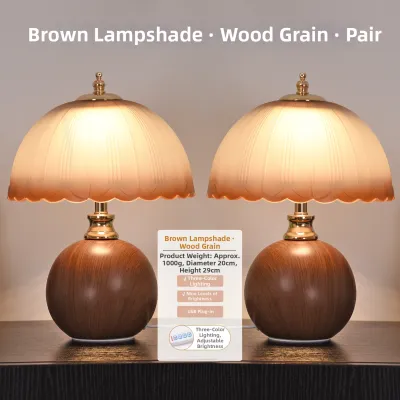
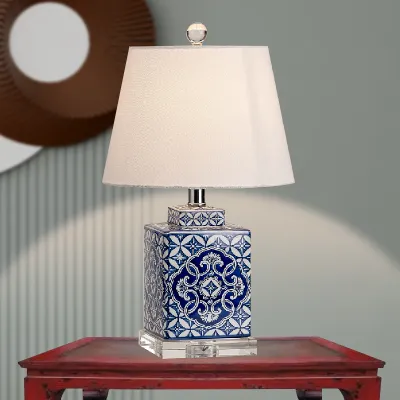
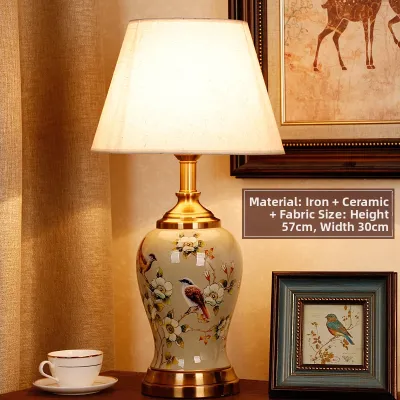
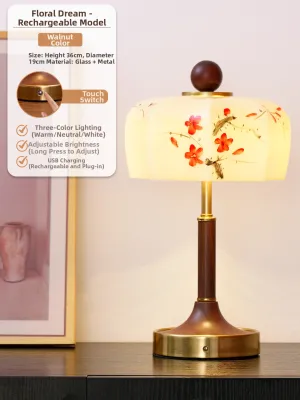
Prices are valid at publication and may change. Please refer to the product page for the latest price.
Base weight distribution is another vital safety factor, particularly in active households with children or pets. A well-designed table lamp should feature a heavy, dense base that keeps the center of gravity low, even when the arm is fully extended. Look for models that incorporate anti-slip rubber or foam padding on the underside of the base. This padding not only prevents the lamp from sliding across smooth desk surfaces but also protects your furniture from scratches.
Effective heat dissipation around the light source housing is essential for preserving the lifespan of the internal light-emitting diodes (LEDs). LED chips generate significant heat at their junction points, which must be drawn away to prevent premature dimming or color shifting. Inspect the lamp head for dedicated aluminum heat sinks, ventilation slots, or metal housing elements that help dissipate heat efficiently during prolonged operation.
Essential Features and Lighting Performance to Compare
To ensure optimal visual comfort, you must verify the optical specifications of a lamp rather than relying solely on promotional claims. The Color Rendering Index (CRI), denoted as Ra, indicates how accurately a light source reveals the true colors of objects. For reading, studying, or detailed design work, prioritize lamps with a verified CRI of Ra 90 or higher. Additionally, look for adjustable color temperature ranges, typically spanning from a warm 2700K for evening relaxation to a cool 6500K for high-focus daytime tasks.

Visual fatigue is often caused by imperceptible light flicker and harsh glare. While high-frequency flicker is difficult to detect with the naked eye, you can perform a quick check by viewing the light source through your smartphone’s camera screen to look for moving dark bands. For a more reliable assessment, look for manufacturer compliance with recognized low-flicker standards. Anti-glare features, such as recessed light sources, honeycomb diffusers, or asymmetric optical lenses that direct light onto the desk rather than into your eyes, also significantly improve comfort.
Smart home integration and control interface responsiveness vary widely among modern table lamps. Test the physical buttons or touch-sensitive panels on the base to ensure they respond quickly to light taps and smooth sliding gestures for dimming. If you plan to connect the lamp to a smart home system, verify the supported wireless protocols, such as Wi-Fi or Bluetooth. Ensure the lamp is compatible with your existing smart home ecosystem to avoid connectivity issues.
Localized app support is a crucial consideration for smart lamps imported from overseas. Many smart models designed for domestic markets require connecting to mainland servers within their companion apps, which can result in high latency, connection drops, or untranslated user interfaces. Check if the manufacturer offers a global server option or a localized app version to ensure a stable, responsive, and fully translated smart lighting experience in Singapore.
Electrical Safety and Compatibility Checks in Singapore
Before purchasing or operating any imported table lamp, you must confirm its electrical compatibility with Singapore’s power grid. Singapore operates on a nominal supply voltage of 230V at a frequency of 50Hz, utilizing Type G three-pin plugs. Many lamps sourced directly from international e-commerce platforms are configured for 220V and come with Type A or Type I plugs. Operating an incompatible plug or voltage configuration without proper precautions can lead to electrical faults or fire hazards.
To guarantee safe operation, look for recognized safety certification marks on the product, its power adapter, or the packaging. In Singapore, controlled electrical goods must carry the SAFETY Mark issued by the local safety authority. If the table lamp utilizes an external power adapter, verify that the adapter itself is certified and carries the appropriate safety markings. This ensures the component has undergone rigorous testing to handle voltage fluctuations and prevent short circuits.
Always check the maximum wattage limits and power adapter ratings specified by the manufacturer. Using an under-rated or uncertified power adapter can cause the unit to run dangerously hot, risking damage to both the lamp and your home electrical system. Additionally, evaluate the cord length and overall setup of your workspace. Ensure the power cord reaches the wall outlet comfortably without being stretched taut or requiring daisy-chained extension cords, which can create physical tripping hazards.
Decision Framework: Matching Specifications to Your Needs
If your primary goal is to support prolonged reading, studying, or detailed desk work, focus your decision on high-performance functional specifications. Prioritize models that offer extensive mechanical adjustability, a high CRI of Ra 90 or above, and asymmetric optical designs that minimize glare. A heavy, stable base is essential here to allow you to position the light source precisely over your workspace without any risk of the lamp tipping over.
For spaces where the lamp serves primarily as background lighting, a bedside companion, or an interior styling element, prioritize aesthetic materials and dimming capabilities. In these scenarios, precise optical performance and high mechanical adjustability are less critical. Instead, focus on how well the lamp’s design, materials, and ambient dimming range complement your room’s decor and help create a relaxing atmosphere.
When purchasing table lamps from cross-border e-commerce platforms, carefully review the seller’s warranty terms and return policies. Many international warranties are only valid in the country of origin, meaning you may have to bear expensive shipping costs to return a defective unit. Verify if the seller has a local service center in Singapore or if they offer hassle-free local returns and readily available replacement parts, such as compatible power adapters.
Finally, establish clear safety boundaries when setting up your lighting. If the table lamp you select requires fixed wiring, structural modifications to your desk, or installation in a damp environment, always isolate the power supply at the main circuit breaker before handling any components. If the manufacturer’s installation instructions are unclear or conflict with local electrical standards, stop immediately and consult a qualified licensed electrician to complete the setup safely.
Frequently Asked Questions (FAQ)
How can I verify if a smart table lamp is compatible with my existing home system?
To verify compatibility, check the wireless communication protocols listed in the product specifications, such as Wi-Fi (typically 2.4 GHz), Zigbee, or Bluetooth. Next, consult the manufacturer’s official documentation to confirm which smart home ecosystems are natively supported. Be sure to check if the lamp requires a specific regional hub or if you need to set your smart home app’s region to a specific country to access all features, as regional restrictions can affect integration with other local smart devices.
What should I do if the lamp's plug does not match local sockets?
If the lamp’s plug does not match Singapore’s Type G sockets, avoid using cheap, unverified travel adapters, which can have poor contact resistance and pose a fire hazard. Check if the manufacturer or authorized distributor offers a localized version of the lamp with a compliant Type G plug or a certified local power adapter. If the lamp uses a detachable USB or DC power cable, you can often safely replace the power adapter with a locally certified USB charger or power supply that matches the original voltage and current specifications. For lamps with fixed cords, consult a qualified professional to replace the plug safely, provided this does not void the product’s warranty.

Community discussion
Share your experience or ask a question. Comments are reviewed before publication.