
Choosing a clamp desk lamp in Singapore requires balancing your specific desk setup with your daily lighting needs. Because workspaces vary from compact study corners in residential flats to expansive standing desks in commercial offices, there is no single brand or model that fits every user. Instead, the decision hinges on evaluating key physical and electrical specifications against your budget to find a reliable lighting solution.
By mounting directly to the edge of your desk, a clamp-on lamp frees up valuable desktop real estate while providing targeted illumination. To make an informed purchase, you must look beyond aesthetic appeal and examine how different brand categories handle structural stability, light quality, and electrical compatibility. This guide establishes a practical framework to help you compare the primary brand profiles available in the local market.
Key Criteria for Evaluating Desk Lamp Brands
When comparing different desk lamp brands, it is easy to get distracted by smart features or sleek minimalist designs. However, a successful long-term purchase relies on three primary pillars: lighting quality, physical durability, and local after-sales support. Evaluating these factors systematically ensures that your lamp remains functional and comfortable to use for years.
Products mentioned in this guide
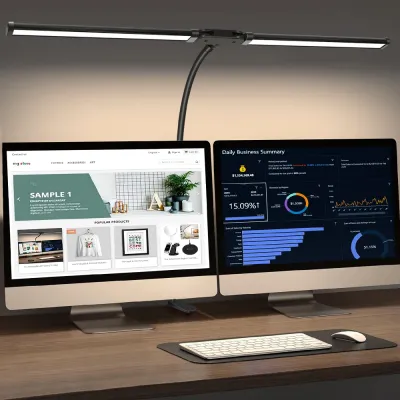
![[✅SG Ready Stock] Desk Lamp Double Head LED Light Eyes Care Adjustable Clamp-on Desk Lamp For Study Gaming Work](https://img.lazcdn.com/g/p/e7c3a79e8b417f4486be1cf22fadc0ca.jpg_400x400q80.jpg_.webp)
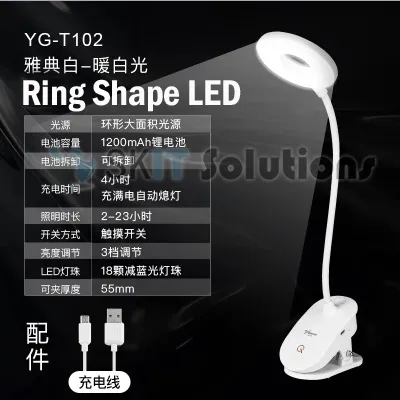
![[LOCAL SELLER] LED Touch On/Off Switch 3 Modes Clip Desk Lamp 2000MAh Eye Protection Desk Light Dimmer Rechargeable USB Led Table Lamp](https://img.lazcdn.com/g/p/c5062fc78b0d51f10105f68700cb1e94.jpg_400x400q80.jpg_.webp)
Prices are valid at publication and may change. Please refer to the product page for the latest price.
Lighting quality determines how well the lamp illuminates your workspace without causing eye strain, while physical durability dictates whether the clamp and arm can withstand daily adjustments. Local after-sales support is equally critical; purchasing from brands with established distribution networks in Singapore ensures you can easily access replacement parts or claim warranty coverage if a component fails.
To help you navigate the market, the table below maps the three major brand profiles to their typical strengths, trade-offs, and ideal use cases:
| Brand Profile | Typical Strengths | Key Trade-offs | Ideal Use Case |
|---|---|---|---|
| Premium Ergonomic | High Color Rendering Index (CRI), precise multi-axis movement, certified eye-care features | Higher initial cost, larger clamp footprint | Professional design work, long study sessions, drafting |
| Budget Task | Affordable, compact designs, simple installation | Plastic components, limited adjustability, basic light quality | Occasional reading, secondary workspaces, temporary setups |
| Smart Integrated | App control, automated scheduling, color temperature presets | Requires stable Wi-Fi, higher setup complexity | Smart home enthusiasts, dynamic daily routines |
Before finalizing your choice, always verify the specific warranty terms offered by the manufacturer or local distributor. Brands that provide a local service center or a clear return policy within Singapore offer significantly better long-term value than overseas sellers with no local presence, especially if you experience electrical or mechanical issues.
How to Compare Lighting Performance and Eye Comfort
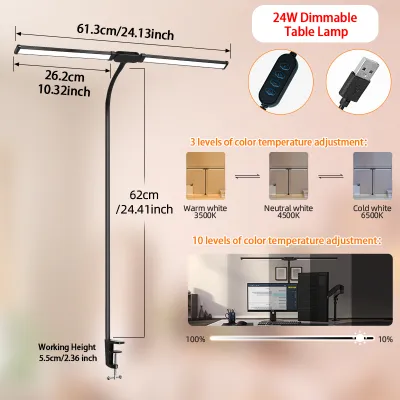
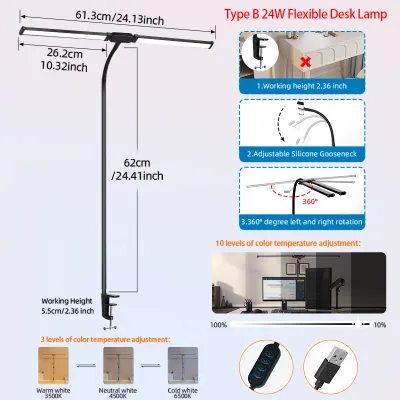
Lighting performance is the core function of any desk lamp, directly impacting your productivity and visual comfort. When evaluating different brands, look closely at the adjustability of both color temperature and brightness levels. A versatile lamp should allow you to transition from a cool white light (around 5000K) for high-focus daytime tasks to a warm, amber glow (around 2700K) that helps you wind down in the evening.

Visual ergonomics also depend heavily on how evenly the lamp distributes light across your desk. High-quality brands design their optical diffusers to minimize harsh hotspots and distracting shadows. To verify these capabilities, check the product specifications for a high Color Rendering Index (CRI) rating, ideally Ra 90 or above, which ensures that colors appear natural and vibrant under the light.
Rather than relying on vague marketing claims like “eye-safe” or “zero strain,” look for recognized international certifications on the product packaging. Certifications from independent testing bodies verify that the lamp meets strict standards for flicker-free operation and low blue-light emissions. These verified standards provide a reliable benchmark for comparing eye comfort across different price points.
Assessing Build Quality and Clamp Security
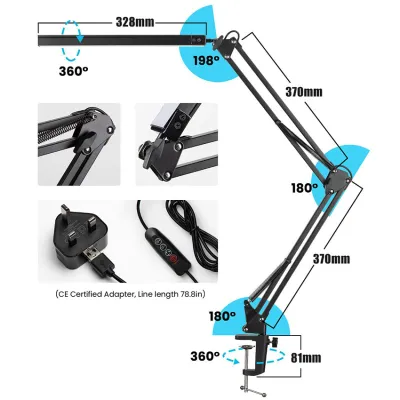
A desk lamp with clamp mounting must be structurally sound to prevent sagging, tipping, or slipping during use. Begin by comparing the clamp designs offered by different brands. Heavy-duty C-clamps and G-clamps utilize threaded steel screws to secure a tight grip, whereas lighter plastic spring clamps are generally limited to lightweight, low-profile lamps.
Evaluate the materials used in the construction of the articulating arm. Aluminum alloys and steel tubing offer superior structural integrity and resist wear at the joints far better than plastic alternatives. Pay close attention to the joint tension mechanisms; high-quality brands incorporate adjustable tension screws or robust internal springs that allow you to retighten the arm if it begins to sag over time.
Finally, consider the overall balance and stability of the lamp when fully extended. Even though the lamp is clamped to the desk, an overly long arm paired with a lightweight or narrow clamp can exert significant leverage on the desk edge. Checking the manufacturer’s specified maximum reach and clamp width will help you ensure the lamp remains stable at any angle.
Checking Desk Compatibility and Electrical Safety
Before purchasing any clamp-on fixture, you must measure your desk to ensure physical compatibility. Measure the exact thickness of your desk edge and compare it to the maximum jaw opening of the lamp’s clamp. Be aware of under-desk obstructions such as structural metal frames, cable management trays, or decorative beveled edges that might prevent the clamp from seating fully and securely.
Electrical safety is another paramount consideration for appliances used in Singapore. Ensure the lamp’s power adapter is rated for a 230V, 50Hz electrical supply and comes equipped with a standard Type G three-pin plug. Looking for a valid local safety certification mark on the power supply unit provides assurance that the product has undergone rigorous testing for electrical safety and fire prevention.
Additionally, plan your cable routing before mounting the lamp. Ensure the power cord is long enough to reach your nearest wall outlet or extension trailing socket without being stretched taut. Proper cable management prevents accidental snags that could pull on the lamp arm or damage the power port, preserving both the lamp and your workspace safety.
Decision Framework: Which Brand Profile Fits Your Workspace
To select the right clamp desk lamp brand profile, align your choice with your daily habits, workspace layout, and budget. If you spend long hours performing detailed tasks such as drafting, crafting, or reading physical documents, investing in a premium ergonomic brand is highly recommended. These brands prioritize precise mechanical joints, high CRI ratings, and certified eye-care technologies that justify their higher price point.
For users who only require occasional illumination for quick tasks or video calls, a budget-friendly task lamp profile is often the most practical choice. While these models may feature more plastic components and simpler adjustment mechanisms, they provide adequate localized light without a significant upfront investment. Just be sure to verify their electrical safety markings before purchasing.
If your workspace is integrated into a broader smart home ecosystem, focus on smart lighting brand profiles. These lamps allow you to control brightness and color temperature via mobile applications, voice assistants, or automated schedules. This integration is particularly useful if you want your desk lighting to sync automatically with your computer screen brightness or the time of day.
Ultimately, evaluate the long-term value of the lamp in S$ by weighing the initial purchase price against the warranty duration and the availability of replacement parts. A slightly more expensive lamp backed by a reliable local warranty and robust metal construction often proves more economical over time than a cheap, non-repairable alternative that requires frequent replacement.
Frequently Asked Questions (FAQ)
Can I use a clamp desk lamp on a glass desk?
Clamping a lamp directly to a glass desk carries a significant risk of cracking or shattering the surface due to concentrated point pressure. If you must use a clamp lamp on glass, always place protective rubber, felt, or silicone pads between the clamp brackets and the glass surfaces to distribute the pressure evenly. Additionally, avoid over-tightening the clamp, and consult both the desk and lamp manufacturers’ guidelines to verify if they advise against clamp mounting on fragile materials.
What should I do if the clamp damages my desk surface?
To prevent a metal or hard plastic clamp from scratching, denting, or leaving marks on your wooden or veneered desk, install a protective barrier before tightening the mechanism. Simple solutions include placing a piece of heavy-duty felt, a leather coaster, or a silicone sheet between the clamp pads and the desk surfaces. If damage has already occurred, adjust the clamp to a slightly different position, use a protective pad to cover the affected area, and tighten the clamp only to the minimum tension required to keep the lamp stable.

Community discussion
Share your experience or ask a question. Comments are reviewed before publication.