
Finding the right clip lamp for a study desk in Singapore involves balancing space-saving design with optimal visual comfort. In many local homes, where compact study corners or built-in bedroom desks are common, a traditional table lamp can consume valuable surface area. A clip-on lamp offers an elegant solution by securing directly to the edge of a desk, shelf, or bedhead. However, selecting the ideal model requires looking beyond basic aesthetics to evaluate light quality, clamp compatibility, and long-term durability.
To make an informed decision, you must assess how a lamp’s specifications align with your specific study habits and physical workspace. A lamp that is too dim can cause eye strain during late-night revision sessions, while a weak clamp might slip and damage your furniture. By understanding the key technical details—such as color rendering, color temperature, and clamp mechanics—you can confidently compare the options available on online marketplaces and in local lighting shops.
Key Criteria for Evaluating Study Clip Lamps
When browsing product listings, several technical specifications serve as reliable indicators of a lamp’s performance. The first metric to examine is light output, which is typically measured in lumens or lux. Lumens indicate the total amount of light emitted by the source, while lux measures the intensity of light falling on a specific surface area. For focused reading and writing tasks, look for a lamp that delivers sufficient lux at your typical working distance, ensuring the desk surface is evenly illuminated without harsh shadows.
Products mentioned in this guide
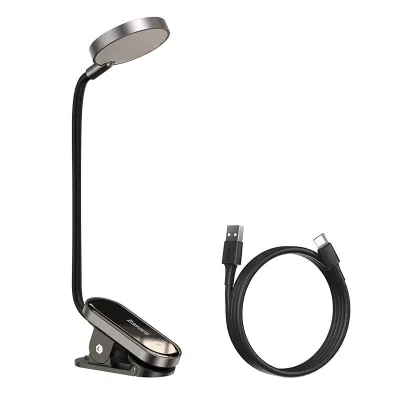
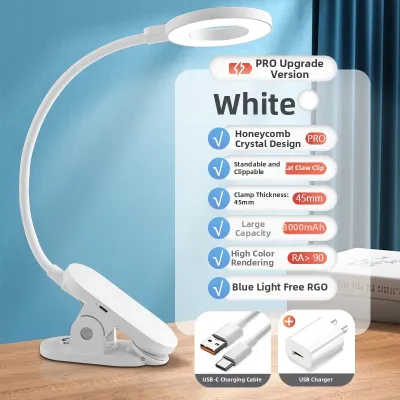
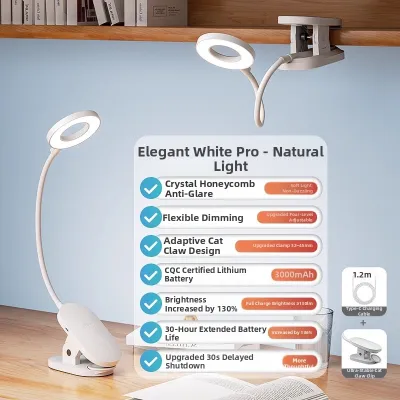
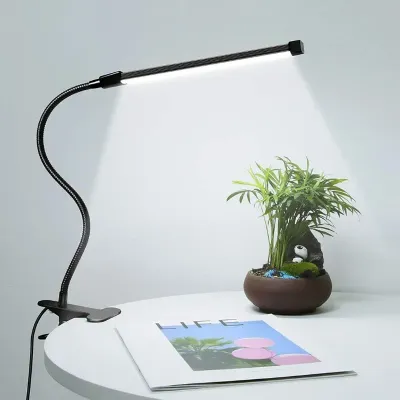
Prices are valid at publication and may change. Please refer to the product page for the latest price.
Color temperature is another critical factor that directly influences focus and alertness. Measured in Kelvin (K), color temperature determines whether the light appears warm and yellow or cool and blue. A range of 4000K to 5000K, often labeled as neutral white or cool white, is generally recommended for study environments because it mimics natural daylight and helps maintain concentration.
Physical compatibility is equally vital, starting with the clamp’s maximum opening width. You must measure the thickness of your desk edge, including any underlying support frames or decorative bevels, to ensure the clamp can grip the surface securely. Additionally, consider the power source; while USB-powered models offer excellent portability, mains-powered lamps often provide more consistent brightness and do not occupy valuable USB ports.
Comparing Clip Lamp Tiers for Daily Study Use
The market for study clip lamps is diverse, ranging from simple, utilitarian designs to highly sophisticated eye-care systems. Understanding the typical features and limitations of each tier allows you to match a lamp to your budget and usage frequency.

Budget and Entry-Level Clip Lamps
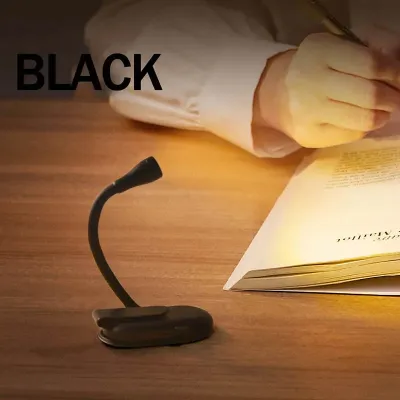
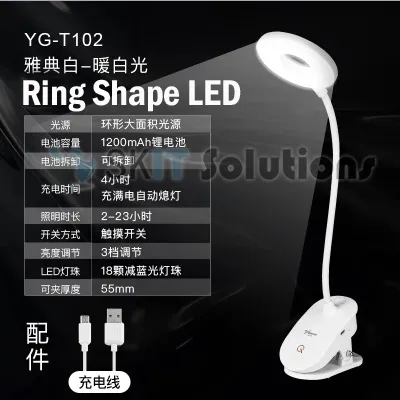
Entry-level clip lamps are widely available on online marketplaces and are highly favored for their affordability and simplicity. These models typically feature integrated LED chips with a fixed color temperature, meaning you cannot adjust the light from warm to cool. The construction is predominantly lightweight ABS plastic, which keeps the overall weight low but may feel less robust over time.
Flexibility in this tier is usually provided by a simple gooseneck arm wrapped in silicone or plastic. While these goosenecks allow you to bend the light in various directions, cheaper internal wires may lose their stiffness over months of daily adjustment, causing the lamp head to droop. Power is almost exclusively delivered via a standard USB cable with a basic inline on/off switch, making these lamps highly portable but limited in maximum light output.
Mid-Range and Adjustable Clip Lamps
Stepping up to the mid-range tier introduces significant functional upgrades that enhance daily usability. These lamps generally offer multiple brightness levels and adjustable color temperatures, allowing you to switch from a cool light for intense study to a warm light for relaxed evening reading. The internal circuitry is more sophisticated, reducing the micro-flicker often associated with cheaper LED drivers.
In terms of build quality, mid-range models often incorporate aluminum elements in the lamp head to improve heat dissipation, which is crucial for preserving LED lifespan in Singapore’s warm climate. The clamp mechanisms are sturdier, frequently utilizing stronger tension springs or screw-tightened brackets. Many options in this category come packaged with a dedicated USB wall adapter, ensuring the lamp receives a stable power supply for consistent, flicker-free performance.
Premium and Specialized Eye-Care Lamps
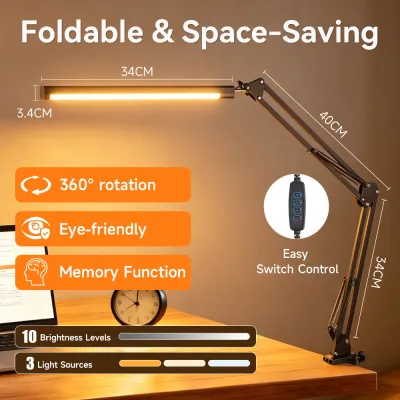
Premium clip lamps are engineered specifically for prolonged reading sessions and professional workspaces where visual comfort is paramount. A key feature of this tier is asymmetric light distribution, which directs light at a precise angle onto the desk surface while preventing direct glare on computer screens or into your eyes. This design is particularly beneficial for students who constantly switch between physical textbooks and digital screens.
These high-end models boast a high Color Rendering Index (CRI), typically rated at Ra 90 or above, which ensures that colors appear vibrant and true to life—a critical feature for art, design, or geography studies. The physical construction is robust, utilizing anodized aluminum alloys and precision-engineered mechanical joints instead of flexible goosenecks. The clamps are heavy-duty, featuring wide contact plates, thick protective padding, and secure screw-clamp mechanisms that lock the lamp firmly in place without wobbling.
Assessing Build Quality and Desk Compatibility
Before finalizing your purchase, it is essential to verify that the physical design of the clip lamp is compatible with your study desk. Start by using a ruler or measuring tape to determine the exact thickness of your desk’s edge. Compare this measurement against the manufacturer’s specified maximum clamp opening, leaving a safe margin of at least a few millimeters to ensure a secure grip.
The material of your desk also dictates the type of clamp you should choose. For delicate surfaces like solid wood, veneer, or glass, look for clamps equipped with thick silicone, rubber, or high-density foam padding. This padding serves a dual purpose: it prevents the hard plastic or metal of the clamp from scratching the surface, and it increases friction to prevent the lamp from sliding. If a promising lamp lacks adequate padding, you can place a small piece of non-slip drawer liner or a felt pad between the clamp and the desk.
Evaluate the adjustment mechanism of the lamp arm based on how often you plan to reposition it. If multiple family members share the desk, a model with articulated metal joints and adjustable tension screws is often more durable than a flexible gooseneck. For hybrid models that can either clip onto a shelf or stand independently on a flat surface, check the weight of the base; a heavier base ensures the lamp remains stable and does not tip over when the arm is fully extended.
Evaluating Light Quality and Power Specifications
To protect your eyes during long study sessions, you must carefully interpret the lighting specifications listed on the product packaging. Look for explicit mentions of “flicker-free” technology and low blue light emissions. While all LEDs flicker to some degree, high-quality drivers operate at a frequency imperceptible to the human eye, reducing the risk of headaches and eye fatigue during extended reading.
Understanding how to use different color temperatures can also improve your study efficiency. Cool white light (around 6000K) is highly stimulating and excellent for tasks requiring intense focus, such as mathematics or scientific analysis. Neutral white (around 4000K) offers a balanced, natural light that is comfortable for general reading and writing. Warm white (around 3000K) is gentler on the eyes in the late evening, helping your body transition into a restful state before sleep.
Electrical safety is another paramount consideration for Singaporean households. Ensure that any mains-powered adapter or charger plug carries the local Safety Mark, indicating it has been tested and certified for safe use with the local 220V-240V power grid. Finally, check the length of the supplied power cable; a cable that is too short may drape tightly across your workspace, creating a safety hazard or restricting where you can position the lamp.
Decision Framework: Choosing the Right Clip Lamp
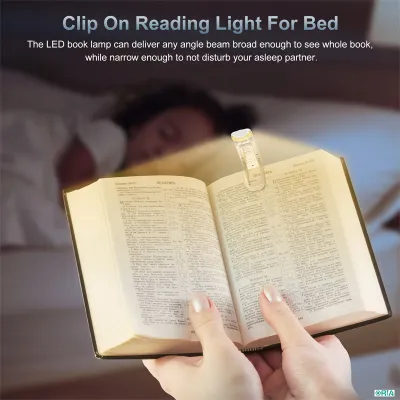
Selecting the perfect clip lamp depends on your specific study habits, desk configuration, and budget. If you only require a lamp for occasional reading, quick reference tasks, or temporary study setups, a budget-friendly entry-level model is a practical choice. These lightweight lamps are easy to pack, run conveniently off any standard USB port, and provide sufficient illumination for short periods of use.
For students and professionals who spend several hours a day at their desks, a mid-range adjustable lamp offers the best balance of functionality and value. The ability to customize brightness levels and color temperatures allows you to adapt the lighting to different times of day and varying tasks. Ensure you select a model with a sturdy clamp and a reliable power adapter to guarantee consistent performance throughout your daily routine.
If your work involves long hours of screen-based study, detailed design work, or if you are highly sensitive to eye strain, investing in a premium eye-care clip lamp is highly recommended. Features like asymmetric light paths, high CRI ratings, and robust metal construction provide a superior visual environment that supports prolonged concentration. Regardless of the tier you choose, always measure your desk thickness and inspect the clamp padding to ensure a secure, damage-free installation.
Frequently Asked Questions (FAQ)
Can a clip lamp damage my wooden study desk?
Yes, a clip lamp can potentially scratch or dent a wooden desk if it is installed incorrectly or lacks proper protection. To prevent damage, always inspect the interior of the clamp for soft protective layers made of silicone, rubber, or foam before mounting it. When securing a screw-type clamp, tighten it just enough to prevent movement; overtightening can crush the wood fibers or crack the veneer. If the clamp does not have built-in padding, you can place a thin piece of felt or a rubber coaster between the clamp jaws and the desk surface to distribute the pressure evenly.
Is a higher wattage always better for study clip lamps?
No, a higher wattage does not necessarily mean a lamp is better or brighter for studying. Wattage measures electrical power consumption, whereas lumens measure the actual amount of visible light emitted by the lamp. Modern LED technology is highly efficient, meaning a low-wattage LED lamp can produce the same brightness as a much higher-wattage traditional bulb. When comparing lamps, focus on the lumen output and the availability of adjustable brightness levels rather than the wattage rating, as this allows you to tailor the light intensity to your comfort.
How do I clean the dust off my clip lamp's LED panel?
To maintain optimal light output and ensure electrical safety, you should clean your clip lamp regularly using safe, dry methods. Always unplug the lamp from the wall outlet or disconnect the USB cable and allow the LED panel to cool down completely before you begin cleaning. Use a dry, soft microfiber cloth to gently wipe away dust from the LED cover and the outer housing. Avoid using liquid cleaners, chemical solvents, or wet cloths, as moisture can penetrate the delicate electronic components and cause a short circuit or permanent damage to the LEDs.

Community discussion
Share your experience or ask a question. Comments are reviewed before publication.