
Recreating the rich, ambient aroma of a five-star lobby in your own home requires a deliberate approach to scent dispersion. While many brands market “hotel-inspired” scents, achieving that continuous, sophisticated fragrance profile depends entirely on matching the right diffuser technology to your living space, ventilation, and oil types. No single brand offers a universal solution; instead, the ideal setup balances coverage, oil consumption, and maintenance.
In Singapore’s unique residential environments—ranging from compact, air-conditioned apartments to breezy, open-plan HDB flats—the way scent travels is highly dependent on airflow and humidity. To replicate a luxury hospitality experience, you must evaluate how different diffuser mechanisms interact with your home’s layout. By focusing on verifiable technical specifications rather than brand prestige, you can establish a reliable, long-lasting scenting routine that elevates your everyday environment.
What Defines a "Hotel-Like" Scent Experience?
A true luxury hotel scent experience is characterized by its subtlety and consistency. Unlike standard home air fresheners that release sudden, overwhelming bursts of synthetic perfume, hotel scenting relies on cold-air diffusion or micro-misting to suspend fragrance particles evenly in the air. The goal is to create a gentle, ambient background aroma that registers as a natural characteristic of the space rather than an active cover-up.
Products mentioned in this guide
![[KIRONA SCENT] 120ML Diffuser Essential Oil | Bundle of 2 | Water Soluble Essential Oil | Suitable For Aroma Diffusers Air Revitalizers Air Purifiers Humidifiers | Luxury Hotel & Shopping Mall Scents](https://img.lazcdn.com/g/p/eebd614c2e05a630558bfdf3b85345af.jpg_400x400q80.jpg_.webp)
![[KIRONA SCENT] 120ML Diffuser Essential Oil | Water Soluble | 60+ Scents | Luxurious Mall & Hotel Scents | For Diffusers Air Revitalizers Air Purifiers Humidifiers](https://img.lazcdn.com/g/p/816881bc0108d3c1b35161778dcd211a.jpg_400x400q80.jpg_.webp)
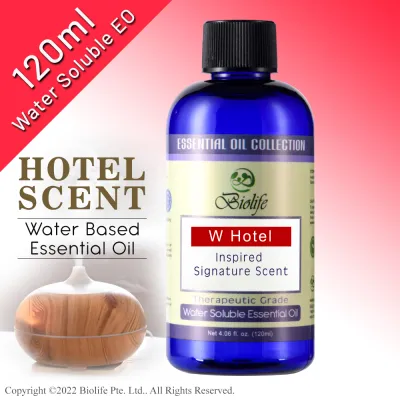
![Biolife Premium Hotel Scent Water Soluble Aromatherapy Essential Oil (120ml). [Shangri-La Hilton Westin Sheraton Ritz-Carlton Marriott Four Seasons W Hotel] For use with Aroma Diffusers Air Revitalizers Air Purifiers Humidifiers.](https://img.lazcdn.com/g/p/4e6c41efb55f6fdb6a615d686f88b873.jpg_400x400q80.jpg_.webp)
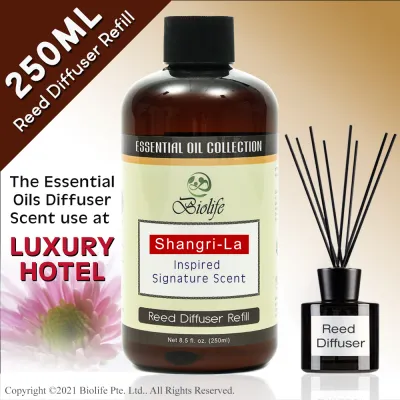
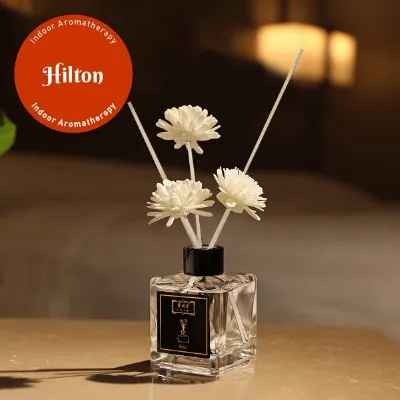
Prices are valid at publication and may change. Please refer to the product page for the latest price.
To achieve this, the scent must be distributed uniformly across the entire room. In typical Singaporean homes, open-concept living and dining areas can present a challenge, as drafts from standing fans, open windows, or air-conditioning units can quickly disperse or concentrate the fragrance unevenly. A successful setup ensures that the scent remains stable, whether you are standing near the entrance or sitting across the room.
Continuous or highly customizable programming is another hallmark of professional hospitality scenting. Luxury hotels do not rely on manual operation; their systems run on precise schedules that adjust output based on foot traffic and peak hours. For home use, this means selecting a diffuser that allows you to program specific run times and pause intervals, preventing olfactory fatigue while conserving your essential oils.
Finally, aesthetic and physical integration plays a major role. Professional scent systems are usually hidden from view, integrated into HVAC systems, or housed in sleek, minimalist enclosures that blend into the decor. When choosing a home diffuser, look for clean designs, premium materials like aluminum, glass, or ceramic, and quiet operation that respects the visual and auditory peace of your living space.
Diffuser Technologies: Nebulizing vs. Ultrasonic
Before comparing individual brands, it is essential to understand the two primary technologies dominating the premium home fragrance market. Nebulizing and ultrasonic diffusers operate on entirely different physical principles, each offering distinct advantages depending on your room size, humidity preferences, and scenting goals.

Nebulizing Diffusers: Pure Scent and Wide Coverage
Nebulizing diffusers represent the gold standard for pure, uncompromised fragrance delivery. These devices utilize Bernoulli’s principle, forcing pressurized air through a narrow tube to create a vacuum that pulls pure essential oil from the reservoir. This stream of air atomizes the oil into an ultra-fine dry mist of microscopic particles, which are then dispersed directly into the room without the use of water or heat.
Because the oil is completely undiluted, nebulizers deliver an exceptionally strong scent throw that can easily fill large, open-plan living areas or high-ceilinged spaces. This makes them highly effective for replicating the expansive scent profiles found in grand hotel lobbies. However, this high performance comes with a faster rate of oil consumption, meaning you will need to monitor and replenish your premium hotel blends more frequently, which can increase ongoing costs.
Another critical consideration is operational noise. The internal air pump required to pressurize and atomize the oil inevitably produces a low, mechanical hum. While many high-end brands engineer insulated casings to muffle this sound, it may still be noticeable in whisper-quiet environments like bedrooms or home offices. When evaluating nebulizing brands, always check for decibel ratings and consider placing the unit on a soft, vibration-absorbing surface.
Ultrasonic Diffusers: Quiet Operation and Humidity
Ultrasonic diffusers offer a gentler, water-based approach to home scenting. These devices feature a small ceramic disc at the bottom of the water tank that vibrates at an ultrasonic frequency. This rapid vibration breaks down a mixture of water and a few drops of essential oil into a cool, fine mist that rises into the air, carrying the fragrance along with it.
Because the essential oil is diluted in water, the scent throw is naturally softer and more localized compared to a nebulizer. This makes ultrasonic models ideal for smaller, enclosed spaces such as bedrooms, study rooms, or bathrooms. The water-based process is also nearly silent, with only the occasional gentle sound of water dripping, making it highly suitable for nighttime use or relaxation zones.
In Singapore’s tropical climate, the humidifying effect of an ultrasonic diffuser requires careful consideration. While the added moisture can be highly beneficial in dry, air-conditioned bedrooms overnight, it may be redundant or even undesirable in naturally ventilated, highly humid rooms. Additionally, because standing water can quickly become a breeding ground for bacteria and mold, ultrasonic diffusers demand strict hygiene practices, including frequent water changes and regular tank cleanings.
Key Specifications to Verify Across Diffuser Brands
When shopping for a premium diffuser, look past marketing buzzwords and focus on verifiable technical specifications to ensure the device fits your home. First, calculate your room’s floor area in square meters and compare it directly to the manufacturer’s stated coverage range. Be conservative: a device rated for a 30-square-meter room may struggle in an open-concept living room that connects directly to a kitchen and hallway.
Timer flexibility and intermittent settings are crucial for managing scent intensity and oil consumption. Look for brands that offer highly customizable duty cycles, such as “30 seconds on, 60 seconds off,” rather than simple continuous run times. This level of control allows you to fine-tune the fragrance level to match your sensitivity and prevents the scent from becoming overwhelming in smaller rooms.
Noise levels should be clearly stated in the product specifications, typically measured in decibels (dB). For bedroom use, aim for a device that operates below 30 dB, which is equivalent to a soft whisper. For larger living areas, a slightly higher rating of 35 to 40 dB is generally acceptable, as ambient household sounds will easily mask the low hum of the pump.
Material quality is a major indicator of durability, especially for nebulizers that handle undiluted oils. Pure essential oils, particularly citrus-heavy blends common in hotel scents, can degrade cheap plastics over time. Ensure that any plastic components in contact with the oil are made from high-grade polypropylene (PP) or that the device utilizes glass and aluminum reservoirs.
Finally, prioritize electrical safety and compatibility. In Singapore, ensure the power adapter is compatible with the local 220V-240V electrical grid and carries appropriate safety certifications, such as the Safety Mark. If you plan to place the diffuser in a bathroom or near a water source, verify that the installation environment is dry and that the device is kept away from direct splashes to prevent electrical hazards.
Matching Your Diffuser to Hotel Essential Oils
The success of your home scenting setup depends heavily on how your chosen diffuser interacts with the physical properties of hotel-style essential oil blends. Hotel fragrances are rarely simple, single-note oils; they are complex compositions featuring heavy base notes like sandalwood, cedarwood, amber, and vetiver, balanced by lighter top notes like white tea, bergamot, or eucalyptus.
These complex formulations often have a higher viscosity, meaning they are thicker and slower to evaporate than pure citrus or mint oils. In a nebulizing diffuser, highly viscous oils can occasionally clog the micro-nozzles, leading to reduced mist output or complete blockages. If you prefer rich, woody hotel blends, look for nebulizers that feature easily accessible, cleanable nozzles, or opt for an ultrasonic model where the water dilution naturally prevents clogging.
Switching between different hotel blends requires a thorough cleaning routine to avoid cross-contamination of scents. If you transition from a deep, smoky oud blend to a crisp, citrusy white tea scent without cleaning the reservoir, the residual base notes will alter the new fragrance profile. Keep rubbing alcohol on hand to flush out nebulizer tubes, or use a soft cloth and mild soap to wipe down ultrasonic water tanks between scent changes.
Always verify the purity and formulation of your oils before pouring them into your machine. Some “hotel oils” sold on online marketplaces are actually synthetic fragrance oils formulated with heavy carrier oils or alcohol bases. While these may work well in reed diffusers or wax warmers, they can permanently damage the internal components of high-end nebulizers or melt the plastic casings of ultrasonic units. Always check the label for “100% pure essential oil” or consult the diffuser manufacturer’s guidelines regarding compatible oil types.
Decision Framework: Choosing Your Ideal Diffuser Setup
To finalize your decision, evaluate your specific living conditions and lifestyle habits against this straightforward framework:
Choose a nebulizing diffuser if your primary goal is to scent a large, open-plan living area, you prefer a strong and immediate fragrance presence, and you are willing to invest in higher oil consumption. This setup is perfect for hosting guests in spacious living rooms where you want a consistent, premium scent throw that mimics a grand hotel lobby.
Choose an ultrasonic diffuser if you want to scent a smaller, enclosed space like a bedroom or study, prioritize near-silent operation for sleep or work, and appreciate a subtle, moisture-assisted fragrance delivery. This option is highly economical, consumes less oil per session, and works beautifully in air-conditioned rooms where a touch of humidity is welcome.
Before making any purchase, verify that the brand offers accessible replacement parts—such as spare glass nozzles, seals, or power adapters—and provides clear warranty terms for continuous daily use. Always read the manufacturer’s instructions to confirm compatibility with your preferred oil types, ensuring your investment delivers a safe, reliable, and truly luxurious sensory experience at home.
Frequently Asked Questions (FAQ)
Can I use synthetic hotel fragrance oils in a standard diffuser?
Using synthetic fragrance oils in a standard diffuser carries significant risks depending on the device’s design. Many synthetic oils contain chemical solvents, alcohol, or heavy carrier oils that do not atomize properly in nebulizers, leading to clogged nozzles and pump strain. In ultrasonic diffusers, these synthetic compounds can react with cheap plastic water tanks, causing the material to cloud, crack, or melt over time. To protect your equipment, always check the manufacturer’s manual to see if synthetic or water-soluble fragrance oils are explicitly permitted, and stick to pure essential oils unless the device is certified for synthetic blends.
How often should I clean my diffuser to maintain scent purity?
To maintain pure, unadulterated scent profiles, you should perform a basic cleaning of your diffuser at least once a week, or every time you switch to a new essential oil blend. For ultrasonic diffusers, perform a visual inspection for any oily residue, cloudiness, or mineral buildup from tap water, then wipe the tank with a soft cloth and a small amount of diluted white vinegar or mild dish soap. For nebulizing diffusers, run a small amount of high-percentage isopropyl alcohol through the machine for a few minutes to dissolve any stubborn oil residue in the micro-nozzles. If you notice persistent clogs or reduced mist output, stop operation immediately and consult the manufacturer’s manual for deep-cleaning instructions.

Community discussion
Share your experience or ask a question. Comments are reviewed before publication.