
When selecting a table light for study, there is no single “best” brand for everyone, as the ideal choice depends on your specific desk size, ambient lighting, and budget. However, reliable eye protection during long study sessions consistently relies on verifiable optical specs rather than marketing claims. This guide breaks down the core eye-care features you must check, compares how different brand categories approach these features, and provides a conditional framework to help you choose the right lamp for your setup in Singapore.
Core Eye Protection Specs to Verify
To evaluate “eye-care” claims on product labels and specification sheets, you need to understand the technical criteria that actually protect your eyes during extended reading or writing sessions.
Flicker and Glare
High-frequency flicker, though often invisible to the naked eye, forces the eye muscles to rapidly adjust, leading to headaches and eye strain over extended periods. When evaluating a table light for study, look for compliance with recognized standards such as IEEE 1789, which defines safe limits for flicker in LED lighting. Glare is another major contributor to visual fatigue. Direct glare occurs when the light source shines directly into your eyes, while reflected glare (or veiling reflection) happens when light bounces off glossy textbook pages or computer screens. High-quality lamps mitigate this by using advanced diffusers, honeycomb filters, or asymmetric optical designs that direct light away from your eyes and screens.
Products mentioned in this guide
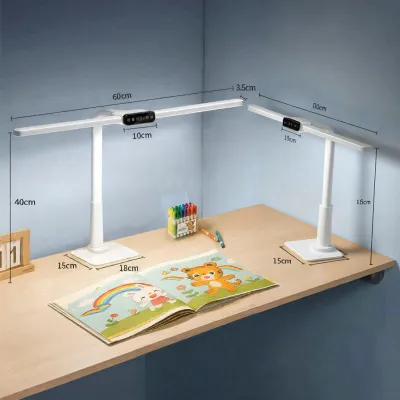
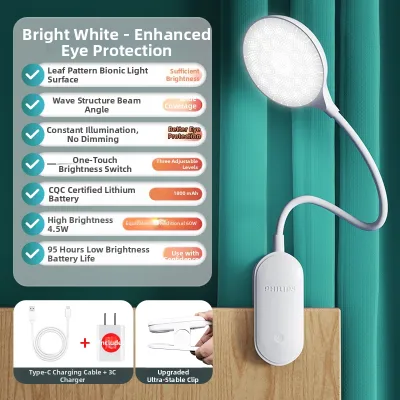
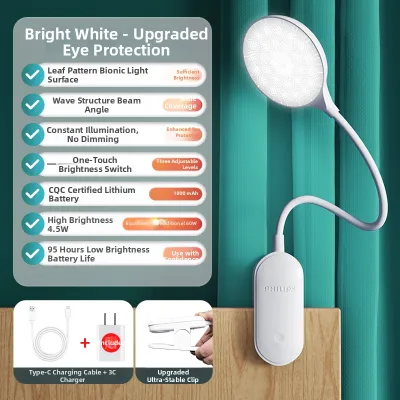
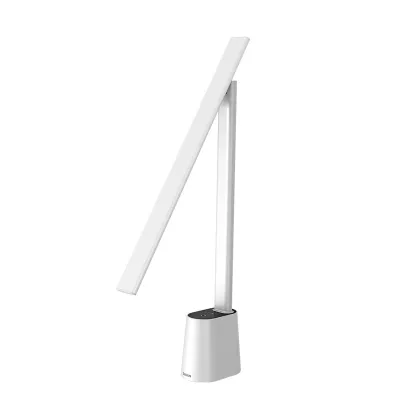
![[SG Local Stock] 2000mAh LED Table Lamp Study Foldable Desk Light Bedroom Bedside Touch Control Dimmable USB Rechargeable 台灯 CNY Gift Present](https://img.lazcdn.com/g/p/254b9aa79170e7ac80d5ab37505c1212.jpg_400x400q80.jpg_.webp)
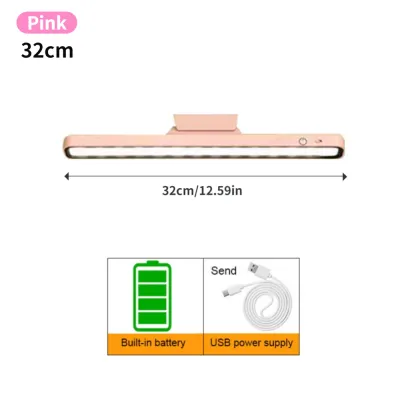
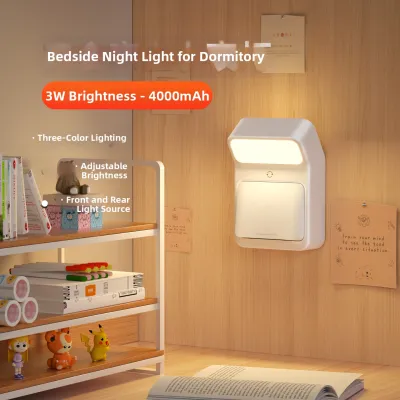
Prices are valid at publication and may change. Please refer to the product page for the latest price.
Color Temperature and CRI
Color temperature, measured in Kelvin (K), dictates the warmth or coolness of the light. For daytime studying, a cooler light of around 4000K to 5000K can help maintain alertness and focus. However, for late-night study sessions, a warmer light of 3000K to 4000K is recommended to minimize blue light exposure, which can disrupt your sleep cycle. The Color Rendering Index (CRI), represented as Ra, measures how accurately a light source reveals the true colors of objects compared to natural sunlight. For studying, a high CRI of Ra 90 or above is essential. It ensures that text is sharp, diagrams are clear, and your eyes do not have to strain to distinguish subtle color differences on the page.
Illuminance and Uniformity
Brightness alone does not guarantee a good study environment; the distribution of that light is equally important. Illuminance, measured in lux, indicates the amount of light falling on a specific surface area. For comfortable reading and writing, a desk surface should ideally receive between 500 and 1000 lux. However, if the center of your desk is highly illuminated while the edges remain dark, your pupils will constantly dilate and constrict as your eyes move across the workspace. This constant adjustment leads to rapid eye fatigue. Therefore, look for lamps that offer high uniformity, ensuring a smooth, even spread of light across your entire study area.
Comparing Brand Approaches to Eye-Care Lighting
Different lighting brands approach eye protection through distinct design philosophies. Premium manufacturers often invest heavily in proprietary optical engineering, developing custom lenses and smart sensors that automatically adjust the light output based on real-time environmental conditions. These brands focus on creating a highly controlled, glare-free light path that is particularly beneficial for complex, multi-screen workspaces.

Conversely, value-oriented brands focus on delivering essential eye-care standards without the added cost of automated features. They prioritize reliable, flicker-free performance and manual adjustability, allowing users to customize their lighting environment at a more accessible price point. Understanding these different approaches helps you decide whether you need advanced automation or if manual controls are sufficient for your study setup.
Premium Brands with Advanced Optical Engineering
Premium brands are characterized by their use of asymmetric light distribution. Instead of casting light in a symmetrical cone directly beneath the lamp head, these lamps project light at an angle, illuminating the desk surface while keeping the light source completely out of your direct line of sight and preventing reflections on computer monitors. They also frequently feature built-in ambient light sensors that automatically adjust the lamp’s brightness to maintain a consistent level of illuminance as natural daylight fades.
These advanced features make premium lamps ideal for large desks, multi-monitor setups, and users who frequently transition between digital screens and physical paperwork. The wide, highly adjustable arms allow you to position the light source precisely where it is needed, minimizing shadows across a large working area.
Before investing in a premium lamp, verify its physical footprint to ensure your desk can accommodate a heavy base or a large clamp. Check the maximum arm reach and power consumption specifications. Additionally, ensure that the lamp is compatible with local 230V electrical standards and that the manufacturer or local distributor provides a reliable warranty and after-sales support in Singapore.
Value Brands Focusing on Essential Eye-Care Standards
Value-focused brands deliver the core necessities of eye protection without the premium price tag. These lamps typically offer manual stepless dimming, allowing you to smoothly adjust the brightness to your liking rather than relying on a few fixed presets. They also provide basic adjustable color temperature settings, usually allowing you to switch between warm white, natural white, and cool daylight modes.
These lamps are highly suitable for standard-sized student desks, dedicated reading corners, and users who prefer straightforward, manual control over their lighting. If your study sessions primarily involve physical textbooks and writing pads rather than multiple digital screens, a high-quality value lamp can easily meet your eye-care needs.
When evaluating value brands, pay close attention to the physical build quality, particularly the hinges and joints, to ensure they will not sag or loosen over time. Check the uniformity of the light pool on your desk to ensure there are no harsh hot spots or dark edges. Most importantly, verify that the power adapter carries recognized electrical safety certifications, such as the Enterprise Singapore Safety Mark, to ensure safe operation during long, unattended study sessions.
Adapting the Lamp to Your Physical Study Setup
To maximize the benefits of your table light for study, you must match the lamp’s physical dimensions to your desk. Measure your desk depth before purchasing; a deep desk requires a lamp with a longer, highly articulated arm to project light to the center of your workspace. The lamp head should ideally be positioned above your eye level to prevent direct glare, but angled slightly away so you cannot see the bare LEDs while sitting in your normal study posture.
Consider how the lamp will sit on your desk. Freestanding bases are highly stable and easy to move, but they occupy valuable desk space. Clamp mounts are an excellent space-saving alternative, securing the lamp to the edge of your desk, though they require a sturdy desk lip with sufficient clearance. Grommet mounts offer a highly secure, permanent solution by mounting directly through a pre-drilled hole in the desk surface, which is ideal for dedicated, heavy-duty study setups.
A common mistake is studying with a bright desk lamp in an otherwise dark room. This high-contrast environment forces your eyes to work harder as they adjust between the bright page and the dark surroundings. To prevent visual fatigue, always integrate your table light with adequate ambient room lighting. Use your ceiling lights or a soft background lamp to create a balanced, low-contrast environment where the transition between your desk and the rest of the room is gentle on your eyes.
Decision Framework: Choosing the Right Brand Category
To finalize your purchase, consider how your specific priorities and constraints align with these two main brand categories:
- Choose Premium Optical Brands if: You work on a deep desk, use multiple monitors alongside physical documents, require automated brightness adjustments to handle changing natural light, and have a flexible budget (typically ranging from S$150 to S$300 or more). These brands offer the advanced optical control needed to eliminate screen glare and maintain a perfectly balanced workspace automatically.
- Choose Value Standard Brands if: You have a compact or standard-sized study space, primarily focus on reading physical books or writing, prefer simple manual controls, and want to maximize cost-efficiency (with reliable options often available under S$100). These lamps provide all the essential eye-protection features—such as flicker-free operation and adjustable color temperature—without the added cost of smart automation.
- Verify First if: Before making your final purchase, always verify the electrical specifications. Ensure the lamp's voltage is compatible with Singapore's 230V grid, especially if purchasing from international online marketplaces. Check whether the lamp uses integrated LEDs, which cannot be replaced when they eventually burn out, or if it allows for bulb replacements. Finally, confirm that the local distributor offers accessible customer service and warranty fulfillment to protect your investment.
Frequently Asked Questions (FAQ)
Is a higher color temperature always better for studying?
No, a higher color temperature is not universally better. While cool white light (around 5000K to 6500K) can boost alertness and focus during daytime study sessions by suppressing melatonin production, it can cause significant eye strain and disrupt your circadian rhythm if used late at night. For evening study sessions, it is highly recommended to switch to a warmer, softer light (around 3000K to 4000K) to reduce blue light exposure and help your body prepare for sleep.
Do I need a smart desk lamp with auto-dimming for eye protection?
Auto-dimming is a highly convenient feature, but it is not strictly necessary for effective eye protection. If your study room has consistent, stable ambient lighting, a manually adjustable lamp works perfectly well, provided you take the time to adjust the brightness to a comfortable level. However, if your desk is positioned near a window where natural daylight fluctuates throughout the day, an auto-dimming sensor is highly beneficial, as it automatically compensates for changing light levels to keep your workspace consistently illuminated.

Community discussion
Share your experience or ask a question. Comments are reviewed before publication.