
Finding the right magnetic LED desk lamp requires looking past brand marketing and focusing on verifiable technical specifications. While many brands promise the ultimate workspace illumination, the actual performance depends on how well a lamp’s brightness, color accuracy, and physical build match your specific desk setup.
In compact living and working environments, such as a study nook in a Singapore home or a dedicated home office desk, space-saving lighting solutions are highly valued. A magnetic LED light offers a versatile, low-profile alternative to bulky traditional desk lamps, but only if the magnetic mount holds secure and the light output meets your visual needs.
To make an informed decision, you must evaluate key metrics like lumens, Color Rendering Index (CRI), and structural materials. This guide provides a systematic framework to compare popular options on the market, helping you verify manufacturer claims and select a lamp that ensures eye comfort and long-term durability.
Products mentioned in this guide
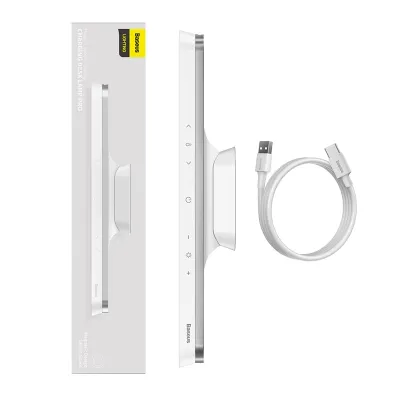
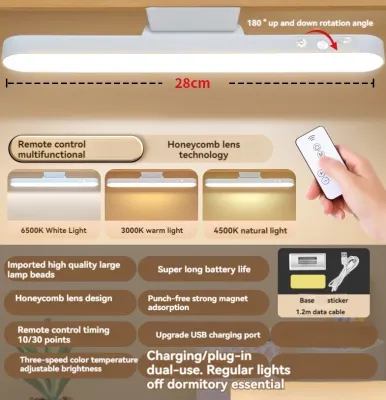
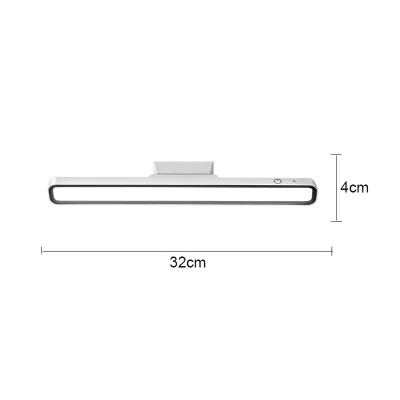
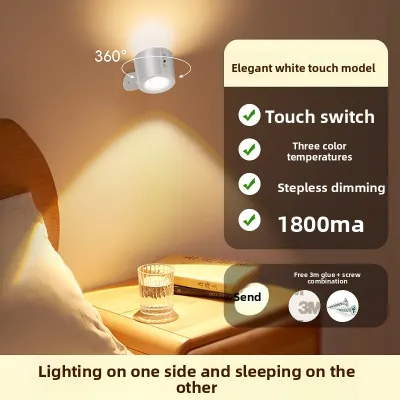
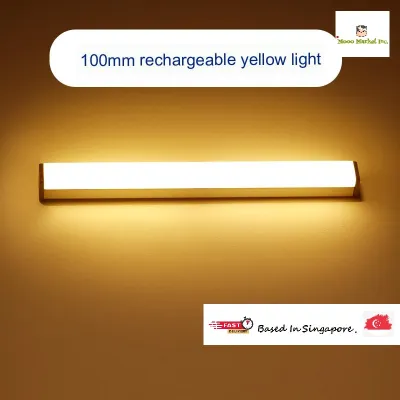
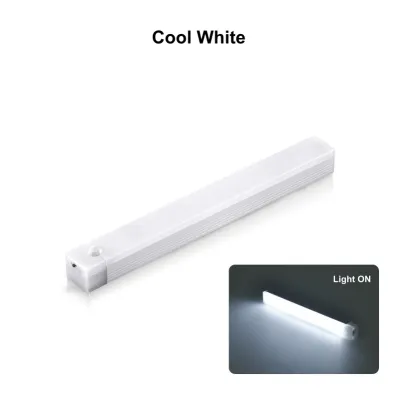
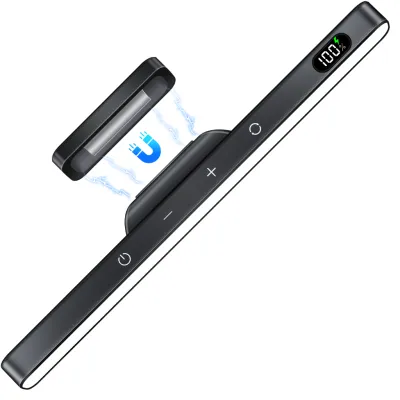
Prices are valid at publication and may change. Please refer to the product page for the latest price.
Key Specifications to Verify Before Comparing Brands
Before comparing different brands on online marketplaces or specialty lighting stores, you must establish a baseline of objective metrics. Brand names and aesthetic designs often overshadow the technical realities of LED performance, making it essential to locate the official product specification sheet or the physical label on the packaging.
The first metrics to identify are the lumen output and the lux rating. While lumens measure the total amount of light emitted by the source in all directions, lux indicates the intensity of light falling on a specific surface area at a given distance. Wattage should also be verified, not as a direct measure of brightness, but to understand the energy consumption and power requirements of the fixture.
Next, examine the color metrics, specifically the Color Rendering Index (CRI) and the correlated color temperature (CCT) ranges. These values are typically listed in the technical specifications section of the user manual or the manufacturer’s official website. A reliable manufacturer will clearly state the CCT range, often spanning from warm white to cool daylight, allowing you to match the light to your daily activities.
Finally, look closely at the physical construction details. The documentation should specify the materials used for the lamp housing, such as aluminum alloy or polycarbonate plastics, as well as the type of magnetic attachment mechanism. Understanding whether the mount uses a neodymium magnet, a steel plate adhesive, or a mechanical clamp base is crucial for determining how and where the lamp can be safely installed in your workspace.
Evaluating Brightness and Illumination for Study and Work
Adequate brightness is fundamental for preventing eye strain during long hours of reading, writing, or computer work. When comparing magnetic LED lights, look at the maximum lumen output stated by the manufacturer, but pay equal attention to how that brightness is controlled. A high-quality lamp should offer either stepless dimming, which allows you to fine-tune the light level smoothly, or a wide range of fixed brightness steps to accommodate changing ambient light throughout the day.

The distribution of light across your desk is just as important as the peak brightness. A narrow beam angle can create a harsh spotlight effect, leaving the rest of your workspace in deep shadow and forcing your eyes to constantly adjust to extreme contrast. Look for optical designs that offer a wide, even beam angle, distributing light uniformly across your entire working area without leaving dark spots or creating distracting glare on your computer screen.
To ensure the lamp fits your physical workspace, verify the manufacturer’s recommended installation height and illumination distance. For instance, if you plan to mount the magnetic light under a high shelf or on a monitor arm, the light must have sufficient intensity to reach your desk surface with adequate lux. Check the product specifications to see if the light output is rated for your specific mounting distance, ensuring that the illumination remains functional and comfortable at that height.
Additionally, consider the power source and how it affects brightness stability. Some battery-powered magnetic lamps experience a drop in light output as the charge depletes, while USB-powered or mains-connected models maintain a consistent brightness level. If you choose a rechargeable model, verify the battery capacity and the expected runtime at maximum brightness to ensure it supports your typical work sessions without frequent interruptions.
Assessing Color Accuracy and Eye Comfort
Color accuracy is a critical factor for creative professionals, students, and anyone performing detailed visual tasks. The Color Rendering Index (CRI), rated on a scale up to 100, indicates how accurately a light source reveals the true colors of objects compared to natural sunlight. For study and design work, look for a lamp with a verified CRI of 90 or higher, which ensures that colors appear vibrant and true to life, reducing visual fatigue during extended use.
Beyond the general CRI rating, check if the manufacturer discloses the R9 value, which specifically measures how well the light renders saturated red tones. A high R9 value is essential for accurate skin tones, artwork, and printed materials, yet it is often omitted in lower-quality LED products. Verifying this metric helps you distinguish professional-grade study lamps from basic utility lights that may make colors look dull or distorted.
Color temperature flexibility is another key component of eye comfort. Your lighting needs shift throughout the day, requiring cool white light (around 5000K to 6500K) to promote alertness during morning study sessions, and warm white light (around 2700K to 3000K) to help you wind down in the evening. Ensure the lamp allows you to adjust these color temperature settings independently of the brightness level, giving you complete control over your visual environment.
To protect your eyes from direct glare, inspect the physical design of the lamp’s light-emitting surface. High-quality magnetic LED lights often incorporate physical diffusers, frosted covers, or honeycomb louvers that scatter the light gently. These features prevent the individual LED chips from creating harsh, direct points of light, minimizing reflections on glossy book pages and computer screens, which is a common cause of digital eye strain.
Inspecting Build Quality and Magnetic Mechanisms
The physical durability of a magnetic LED desk lamp determines its safety and longevity, especially when the lamp head is designed to be detached and adjusted frequently. Examine the housing material; an aluminum alloy casing is generally superior to thin plastic because it acts as an effective heat sink. Proper heat dissipation prevents the LED chips from overheating, which preserves their lifespan and maintains consistent color accuracy over years of operation.
The strength of the magnetic attachment mechanism is a primary safety consideration. Because these lamps rely on magnetic force to stay suspended, a weak magnet poses a risk of the light head falling onto your desk, potentially damaging your equipment or causing injury. Verify the manufacturer’s specifications regarding magnetic pull force or weight capacity, and check if the mounting base uses high-grade magnets that remain secure even when the lamp is adjusted or accidentally bumped.
In addition to the magnet itself, evaluate the mechanical joints, hinges, or ball mounts that allow you to angle the light. These components should feature high-quality damping that holds the lamp head firmly at your chosen angle without drooping over time. If the lamp includes a standalone desktop base with a magnetic mount, ensure the base is sufficiently weighted to prevent the entire assembly from tipping over when the lamp arm is fully extended.
If mounting the lamp at a significant height, near heat-emitting appliances, or when routing cables through fixed wall conduits, always follow the manufacturer’s installation instructions and isolate the power supply to prevent electrical hazards. Finally, inspect the quality of the electrical connections and control interfaces. Touch-sensitive controls should be responsive and sealed against dust, while physical buttons should feel tactile and robust.
Decision Framework: Choosing the Right Magnetic LED Light
To select the ideal magnetic LED light for your workspace, you must map your daily activities to the technical specifications you have verified. If your primary tasks involve detailed drafting, technical reading, or precision crafts, prioritize a model that delivers high maximum lumens and a cool-white color temperature option. This combination enhances contrast and mental focus, making it easier to see fine details during intensive work.
For those who primarily engage in creative design, photo editing, or general computer work, color accuracy and glare reduction should be your main priorities. Choose a lamp with a verified CRI of 90 or above, a high R9 rating, and a high-quality physical diffuser to eliminate screen reflections. A model that offers warm-to-neutral dimming will also help create a relaxing atmosphere for evening reading or casual browsing.
Before finalizing your purchase, perform a thorough compatibility check of your physical environment. Measure the thickness of the shelf, monitor bezel, or metal surface where you plan to mount the magnetic base to ensure it matches the manufacturer’s installation requirements. If you are using an adhesive-backed magnetic mount, verify that the target surface is clean, flat, and made of a material that supports strong adhesive bonding, ensuring a secure and permanent installation.
Budget considerations should also align with your performance expectations. While basic models may cost under S$20 on online marketplaces, investing in a higher-end lamp with certified electrical safety standards, robust aluminum construction, and advanced eye-protection features offers better long-term value. By systematically verifying these specifications, you can confidently choose a magnetic LED light that enhances your productivity and protects your visual health.
Frequently Asked Questions (FAQ)
Can I attach a magnetic LED light to any metal surface?
No, magnetic LED lights can only attach securely to ferromagnetic metals, such as iron, steel, or nickel. Non-magnetic metals like aluminum, copper, or brass will not hold a magnetic mount. Additionally, the metal surface must be thick enough to allow the magnet to achieve its full holding force; thin sheet metal or surfaces with thick decorative coatings may cause the lamp to slip or detach during adjustments.
Do magnetic LED desk lamps require a specific power adapter?
Yes, you must verify the manufacturer’s specified voltage and current ratings, which are typically listed as 5V/1A or 5V/2A for USB-powered models. Using an incorrect power adapter can lead to insufficient brightness, flickering, or permanent damage to the internal LED driver. Always use the power adapter included by the manufacturer or a certified equivalent that matches the exact electrical specifications of the lamp.

Community discussion
Share your experience or ask a question. Comments are reviewed before publication.