
Finding the right hemorrhoid cushion is a highly personal decision that depends on your daily routine, seating environment, and specific comfort needs. While many products claim to offer the ultimate solution, the effectiveness of a cushion relies heavily on its material composition. The three most common materials—memory foam, gel, and inflatable air chambers—each interact with body weight and environmental factors in distinct ways.
Rather than searching for a single universally superior option, the goal is to match the physical properties of these materials to your personal situation. For instance, a cushion that excels in a climate-controlled home office might not be the most practical choice for a daily commute or a warm, humid environment. Understanding how these materials redistribute pressure, retain heat, and hold their shape over time will help you make an informed purchase.
This guide compares memory foam, gel, and inflatable cushions to clarify how they perform in real-world scenarios. By evaluating their structural support, temperature regulation, and portability, you can select a supportive tool that integrates seamlessly into your daily life while promoting better sitting posture and comfort.
Products mentioned in this guide
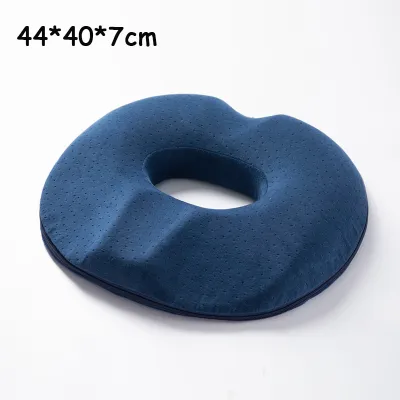
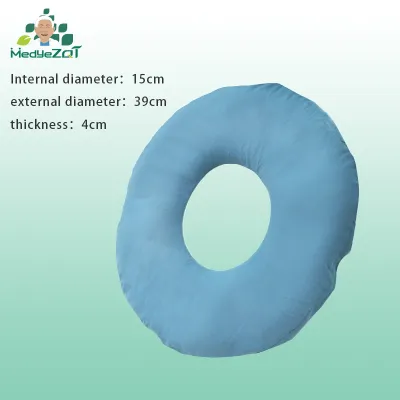
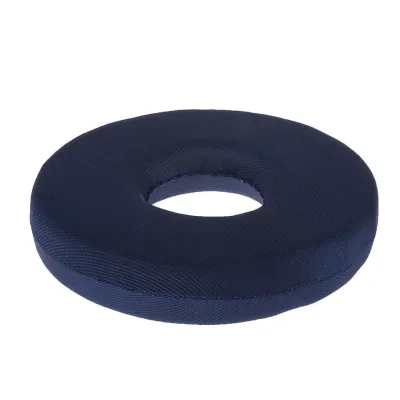
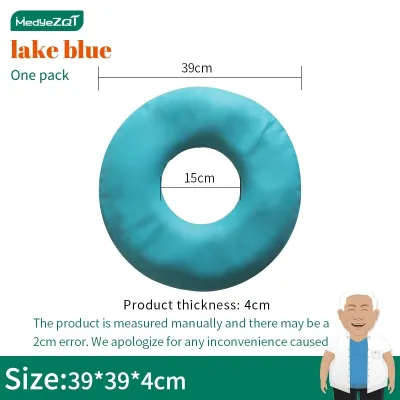
![[SG In stock]Ergonomic Memory Cotton Office Student Seat Cushion Hemorrhoid Cushion Prolonged Sitting God Tool](https://img.lazcdn.com/g/p/b1406510feb660c27eb93e47a893ddd4.jpg_400x400q80.jpg_.webp)
Prices are valid at publication and may change. Please refer to the product page for the latest price.
How Cushion Materials Influence Pressure Redistribution
To choose the right cushion, it is essential to understand the mechanics of pressure redistribution. When you sit on a standard flat chair, your body weight concentrates on localized points, particularly the sit bones and the sensitive perineal area. A specialized cushion contours to your body shape, spreading weight across a larger surface area to reduce peak pressure.
No cushion can completely eliminate pressure; instead, they manage and redistribute physical load to minimize localized stress. This effectiveness depends on material density, thickness, and structural design, such as a central cutout.
Furthermore, cushions are supportive tools for daily comfort and posture, not medical cures for underlying conditions. They work best alongside healthy sitting habits, regular movement, and professional medical advice.
Memory Foam: Contouring, Stability, and Heat Retention
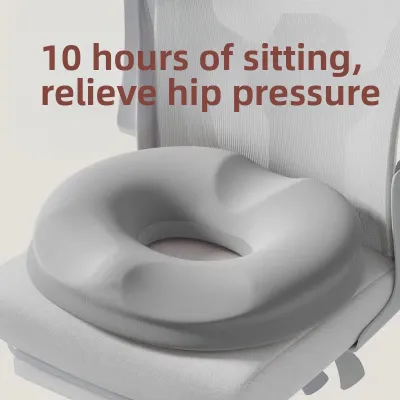
Memory foam, or viscoelastic foam, is highly regarded for its ability to contour closely to the body. When subjected to body heat and weight, the foam softens and molds to your unique shape, creating a customized cradle that distributes weight evenly. This close fit provides excellent stability, preventing you from sliding forward or shifting off-balance while sitting at a desk or in a vehicle.

However, the very property that allows memory foam to contour—its sensitivity to heat—can also be a drawback. Memory foam naturally retains body heat, which can lead to a warm, uncomfortable seating experience over time. In warm and humid climates, such as Singapore’s tropical weather, this heat retention can become particularly noticeable during long office hours. To mitigate this, look for memory foam cushions that feature breathable, removable, and machine-washable covers made of 3D mesh or moisture-wicking fabrics.
Durability is another key factor to consider when choosing memory foam. Over months of daily use, lower-density foams can suffer from permanent compression, losing their ability to rebound and support your weight. When evaluating options, check the manufacturer’s specifications for foam density and thickness to ensure the cushion can support your body weight without bottoming out against the hard chair surface beneath.
Gel: Cooling Properties, Firmness, and Weight Considerations
Gel cushions offer a distinct alternative for users who prioritize temperature regulation and a firmer support profile. Many gel cushions utilize a column-buckling or honeycomb design made of hyper-elastic polymer, which allows air to flow freely through the open cells. This structural design, combined with the material’s natural thermal properties, helps dissipate heat and keeps the seating surface cooler than traditional foam.
In terms of feel, gel cushions generally provide a firmer, more elastic support compared to the deep, sinking sensation of memory foam. Instead of molding slowly to your shape, the gel columns buckle under pressure points to redistribute weight while maintaining a supportive, springy base. This makes gel an excellent option for individuals who prefer a highly responsive surface that does not restrict their movement.
Before purchasing a gel cushion, it is important to consider its physical weight and thickness. Solid gel and heavy polymer designs can be surprisingly heavy, often weighing over a kilogram. While this weight helps keep the cushion firmly in place on your chair, it makes the cushion less convenient to carry around. Additionally, ensure the gel layer is thick enough to prevent your sit bones from pressing completely through the material onto the seat.
Inflatable: Adjustability, Portability, and Stability Limits
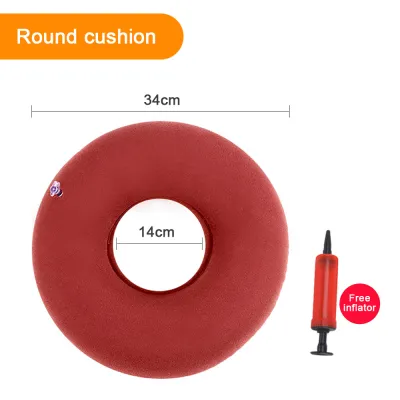
Inflatable cushions, typically made of vinyl, rubber, or nylon-coated PVC, offer unmatched adjustability. By manually adding or releasing air through a valve, you can customize the firmness, height, and pressure level of the cushion to match your immediate comfort needs. This flexibility is highly beneficial for users whose comfort preferences change throughout the day or who need to adjust the cushion for different seating heights.
Portability is the primary advantage of air-filled designs. When deflated, these cushions fold down into a compact, lightweight package that easily fits into a backpack, briefcase, or carry-on bag. This makes them highly practical for active individuals, frequent travelers, or commuters who need a supportive seat on public transport, airplanes, or temporary office chairs.
Despite their convenience, inflatable cushions have notable stability limits. Because they rely on air pressure, they can create a slightly unstable, rolling sensation if overinflated, which may strain your core muscles as you try to maintain balance. Furthermore, they are prone to sliding on smooth plastic or wooden chair surfaces unless paired with a non-slip cover. Users must also perform regular checks for slow air leaks, valve failures, or accidental punctures from sharp objects.
Matching the Material to Your Discomfort Level and Lifestyle
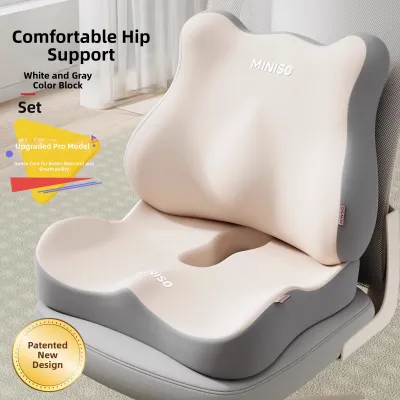
Selecting the right cushion material requires balancing your physical comfort needs with your daily environment. If you experience sharp, localized discomfort that requires deep contouring and stable, cushioned support, a high-density memory foam cushion with a dedicated cutout may provide the most consistent relief. This setup is ideal for stationary environments, such as a dedicated home office or a study room.
For those who experience mild, generalized irritation and find themselves easily overheated during long sitting sessions, a honeycomb gel cushion offers an excellent balance of cooling airflow and firm, responsive support. This material is highly suited for warm rooms or offices where air conditioning may be limited, as well as for users who dislike the “sinking” feeling of foam.
If your lifestyle involves constant movement, hot-desking, or frequent travel, an inflatable cushion provides the necessary portability without adding bulk to your gear. To ensure a successful purchase, always use a pre-purchase checklist: verify the cushion’s dimensions against your favorite chairs, check the stated weight capacity to ensure adequate support, confirm that the cover is removable and washable, and review the return policy in case the material’s firmness does not suit your body.
Cleaning, Maintenance, and When to Replace
Proper maintenance is essential to keep your cushion hygienic and functional. Always refer to the manufacturer’s care label before cleaning. Generally, removable fabric covers can be machine-washed on a gentle cycle, while the inner cores require specialized care. For example, memory foam should never be submerged in water or placed in a washing machine, as moisture breaks down the viscoelastic structure; instead, spot-clean the foam gently with a damp cloth and allow it to air-dry completely in a shaded, well-ventilated area.
Over time, all cushions will eventually lose their structural integrity. You can identify when it is time for a replacement by looking for clear, observable signs of wear. For memory foam, this includes permanent flattening or a slow, sluggish rebound that no longer supports your weight. For gel, look for cracks, tears, or sticky degradation of the polymer. Inflatable cushions should be replaced if they develop persistent seam leaks or valve failures that require constant reinflation.
While a high-quality cushion can greatly enhance your daily comfort, it is not a substitute for professional medical care. If your physical discomfort worsens, spreads, or persists despite using a supportive cushion and taking regular breaks, stop using the product and consult a qualified healthcare professional for a comprehensive evaluation.
Frequently Asked Questions (FAQ)
Can I use a hemorrhoids cushion on any type of chair?
Most hemorrhoid cushions perform best on flat, firm, and stable seating surfaces, such as standard office chairs, dining chairs, or firm car seats. To prevent the cushion from sliding out of place, look for models equipped with a non-slip rubberized bottom or adjustable securing straps. Avoid using these cushions on overly soft, deep, or heavily contoured surfaces like plush sofas or sagging armchairs, as these surfaces can cause the cushion to tilt, negating its structural support and potentially worsening your posture.
How long should I sit on a pressure relief cushion each day?
While a pressure relief cushion makes sitting more comfortable, it should not be used as a tool to prolong sitting indefinitely. Human physiology requires regular movement to maintain healthy circulation and joint mobility. It is highly recommended to follow general ergonomic guidelines by standing up, stretching, or walking for at least five minutes every 30 to 60 minutes. Use the cushion to improve comfort during necessary sitting periods, but prioritize active breaks throughout your day.
Do I need a cushion with a coccyx cutout for better relief?
The choice between a standard donut-shaped cushion and one with a U-shaped coccyx cutout depends on where you experience the most pressure. Standard donut cushions feature a central opening designed to suspend the perineal and tailbone areas, making them highly effective for localized discomfort in those regions. In contrast, U-shaped cutouts specifically target the tailbone (coccyx) at the rear of the spine to prevent direct contact with the seat. Carefully review the product descriptions and dimensions to ensure the cutout shape aligns with your primary area of discomfort.

Community discussion
Share your experience or ask a question. Comments are reviewed before publication.