
When choosing between MUJI soft cushions and other popular brands available in Singapore, the decision ultimately hinges on your personal preference for plushness versus structured support. MUJI is widely recognized for its minimalist designs and exceptionally soft, sink-in fills, such as fine polyester fibers or microbeads, which prioritize relaxation and conformability. In contrast, many other mainstream brands often utilize memory foam, dense fiberfill, or down alternatives that offer firmer ergonomic support and different durability profiles. Because subjective comfort and long-term value cannot be determined by brand names alone, this guide breaks down the core material differences, comfort trade-offs, and care requirements to help you select the cushion that best fits your daily needs and living space.
In Singapore’s unique living environments—where compact apartments require versatile furniture and the tropical climate demands breathable materials—the choice of home accessories requires careful consideration. Cushions serve not only as decorative accents but also as essential ergonomic tools for work-from-home setups, floor seating, and sofa lounging. Understanding how different filling materials perform under daily use is key to making a smart investment.
Understanding Cushion Filling Materials
To make an informed choice, you must first understand what goes inside these cushions. MUJI is famous for its soft home accessories, which typically utilize two primary types of fillings: ultra-fine polystyrene microbeads and high-loft polyester fiberfills. Polystyrene microbeads are tiny, lightweight spheres that flow dynamically within a flexible casing, allowing the cushion to mold precisely to the contours of your body. On the other hand, MUJI’s soft fiber cushions often use ultra-fine polyester fibers designed to mimic the airy loft and plushness of natural down, providing a gentle sink-in sensation without the risk of feather allergies.
Products mentioned in this guide
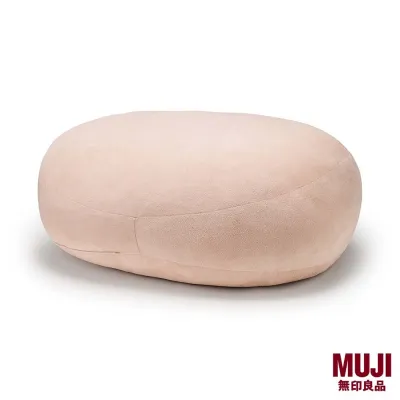
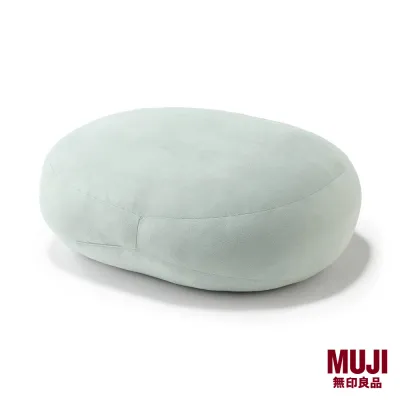
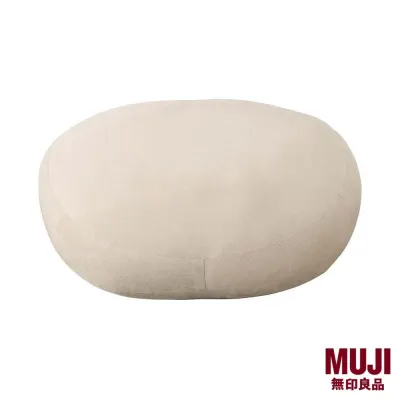
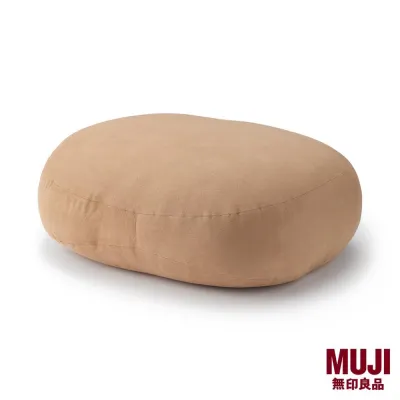
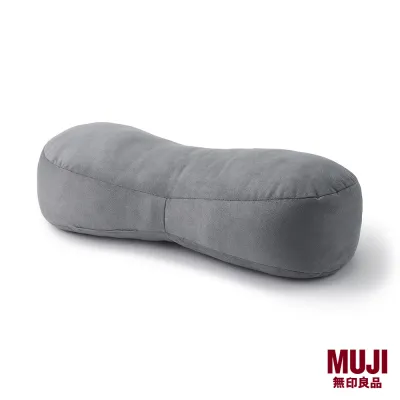
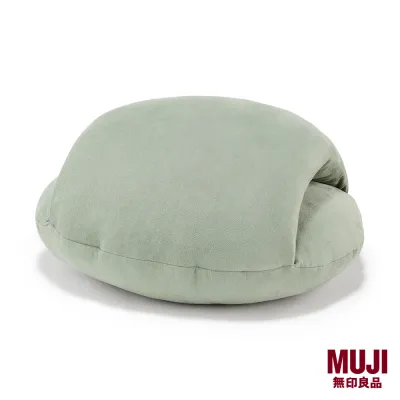
![Lazada Exclusive [Bundle Set] MUJI Soft Cushion Mini - 2pcs](https://img.lazcdn.com/g/p/7ee01f38c5373c713fe6eb216f12caeb.png_400x400q80.png_.webp)
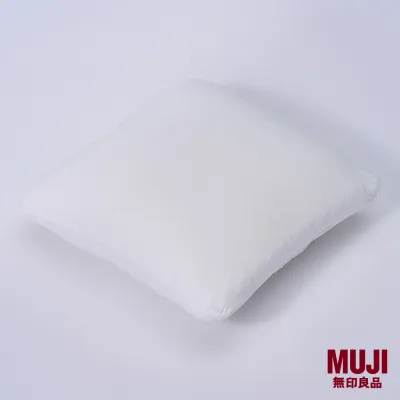
Prices are valid at publication and may change. Please refer to the product page for the latest price.
In contrast, other popular brands in the Singapore market frequently rely on alternative materials to achieve different functional goals. Memory foam, or viscoelastic polyurethane foam, is a common choice for brands focusing on orthopedic or ergonomic support. This material reacts to body heat and pressure, softening gradually to distribute weight evenly while maintaining a firm, supportive base. Other alternatives include standard polyester fiberfill, which is coarser and springier than ultra-fine fibers, and natural latex, which offers a highly resilient, bouncy support that resists dust mites—a significant benefit in Singapore’s humid climate.
Before making a purchase, you should always verify the exact material composition of both the inner fill and the outer cover. This information is typically found on the product’s law label, care tag, or the manufacturer’s official online specifications. Checking these details ensures you know exactly what you are paying for, as some budget-friendly options may use mixed synthetic scraps or low-density foams that degrade quickly, whereas premium brands tend to specify the density and origin of their materials.
Comparing Softness, Support, and Comfort Levels
The physical sensation of sitting on or leaning against a cushion is directly determined by how its filling behaves under pressure. The signature feel of a microbead or fine fiber cushion is one of immediate, plush envelopment. When you sit on a microbead cushion, the filling shifts outward to cradle your body, creating a customized shape that minimizes pressure points. This makes it exceptionally comfortable for casual lounging, reading, or watching television on the floor. However, because these materials flow or compress easily, they offer very little upward resistance or structural rebound.

Conversely, structured materials like memory foam or high-density polyurethane foam provide a completely different comfort profile. Instead of shifting away from pressure, these materials compress only to a certain point before offering firm, rebounding support. This structural integrity is crucial for maintaining proper spinal alignment during prolonged sitting. If you are looking for a cushion to support your lower back on a dining chair or an office seat, a soft, shifting cushion may lead to slouching and muscle fatigue over time, whereas a contoured memory foam cushion helps maintain the natural curve of your spine.
Because comfort is highly subjective, relying solely on material names or online descriptions is rarely sufficient. Whenever possible, visit physical retail outlets in Singapore to test the cushions in person. Sit on them for several minutes to observe how quickly they compress and whether they provide the specific type of support your body requires. If physical testing is not possible, carefully review the return and exchange policies of the online marketplace or retailer to ensure you can return the product if the actual softness level does not align with your expectations.
Evaluating Value, Durability, and Care Requirements
Long-term value is a combination of initial cost, expected lifespan, and the effort required to maintain the cushion’s appearance and hygiene. Different filling materials exhibit vastly different durability profiles over years of daily use. Microbead cushions, while incredibly comfortable initially, are prone to gradual flattening as the tiny polystyrene beads compress under repeated weight. Over time, you may find that the cushion loses its plumpness and requires a refill or replacement. Polyester fiber cushions can also suffer from clumping or shifting, especially if they are subjected to heavy use or improper washing.
In comparison, high-density memory foam and natural latex cushions generally offer excellent shape retention and a longer usable lifespan. They resist flattening and maintain their supportive properties for years, making them a highly durable option despite a potentially higher initial price point. However, maintenance is another critical factor to weigh, particularly in Singapore’s warm, humid climate where sweat and humidity can lead to mold, dust mites, and unpleasant odors.
Care requirements vary significantly by material, and failing to follow the manufacturer’s instructions can permanently ruin your cushion. Many soft cushions feature removable covers that can be easily machine-washed to maintain hygiene. However, the inner fills themselves are rarely washable. Washing a microbead cushion or a memory foam insert in a washing machine can cause the materials to disintegrate, clump, or trap water, leading to mold growth. Always check the care label for specific instructions, such as spot cleaning only, air drying in the shade, or professional dry cleaning, to protect your investment.
Decision Framework: Which Cushion Should You Choose?
To determine the best cushion for your home, you can use a simple decision framework based on your primary usage scenario, ergonomic needs, and maintenance preferences.
You should choose MUJI-style soft fills, such as microbeads or ultra-fine polyester fibers, if your primary goal is casual relaxation and flexible comfort. These cushions are ideal for floor seating, cozy reading nooks, or adding a plush, decorative layer to your sofa. Their lightweight nature makes them easy to move around the house, and they can be easily fluffed or reshaped to suit different sitting positions. Additionally, their minimalist aesthetic blends seamlessly into modern, clean interior designs.
On the other hand, you should opt for structured alternatives, such as high-density memory foam, latex, or firm fiberfills, if you require dedicated ergonomic support. These are the preferred choice for home offices, study desks, or any scenario where you will be sitting upright for extended periods. They provide the necessary resistance to support your posture, reduce lower back strain, and retain their shape without constant manual adjustment.
Regardless of the brand or material you select, always perform two essential checks before finalizing your purchase. First, verify that the cushion cover is fully removable and washable, as this is vital for long-term hygiene in a humid climate. Second, confirm the return, exchange, or warranty policies of the local retailer or ecommerce platform, giving you peace of mind if the cushion’s firmness does not match your personal comfort threshold.
Frequently Asked Questions (FAQ)
Are MUJI cushions machine washable?
Most MUJI cushion covers are removable and machine washable, but the inner fillings themselves are typically not washable. Washing microbead or delicate fiber fills can cause severe damage, clumping, or mold. Always consult the care label attached to the specific product before attempting to clean any part of the cushion.
How can I restore a flattened cushion?
To restore loft to a flattened fiber cushion, you can gently massage and fluff the filling by hand to redistribute the fibers. If the care label explicitly permits, tumbling the cushion in a dryer on a low-heat setting with a few clean dryer balls can help restore its original plumpness. For microbead cushions, permanent flattening usually indicates that the beads have compressed, and you may need to purchase a refill or a replacement inner cushion.
Do microbead cushions offer good back support?
Microbead cushions excel at conforming to your body shape for short-term relaxation, but they do not provide the firm, active resistance required for prolonged back support. For long hours of sitting at a desk or working from home, structured materials like high-density memory foam are much better suited to maintaining proper spinal alignment and preventing discomfort.

Community discussion
Share your experience or ask a question. Comments are reviewed before publication.