
Selecting a reliable outdoor sensor light requires looking beyond marketing claims to verifiable technical specifications, build materials, and warranty terms. Singapore’s tropical climate presents a challenging environment for outdoor electronics, combining intense ultraviolet radiation, high humidity, and sudden, heavy downpours. Choosing a durable brand involves verifying the Ingress Protection (IP) rating, examining the physical construction, and checking the manufacturer’s warranty terms. This guide provides a practical framework to evaluate these factors, helping you shortlist durable options that will withstand the elements.
While aesthetic choices like decorative style, perceived color temperature, and spatial lighting effects are highly subjective preferences, waterproofing is a strict functional necessity. A poorly sealed fixture will quickly succumb to moisture ingress, leading to short circuits, corroded terminals, and premature product failure. By understanding what makes a fixture truly waterproof, you can make an informed investment that keeps your outdoor spaces safely illuminated for years.
Understanding Waterproof Ratings for Outdoor Sensor Lights
To determine how well a sensor light outdoor will survive in a fully exposed garden or patio, you must first understand the Ingress Protection (IP) rating system. The IP rating consists of two digits: the first measures protection against solid objects like dust, while the second measures protection against liquids. For outdoor lighting, the second digit is the most critical indicator of water resistance, ranging from zero to nine.
Products mentioned in this guide
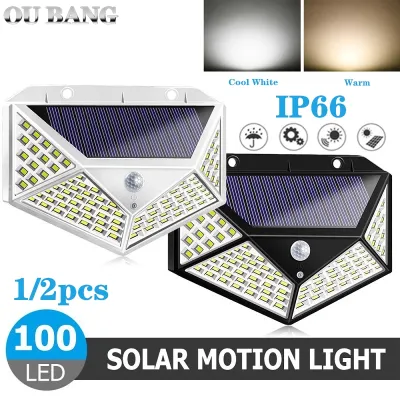
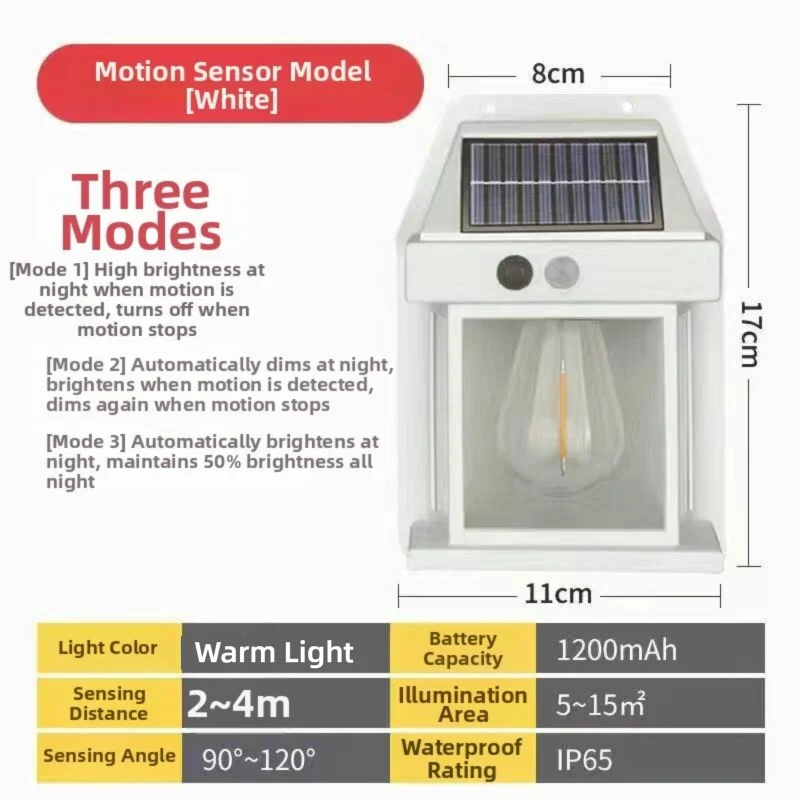
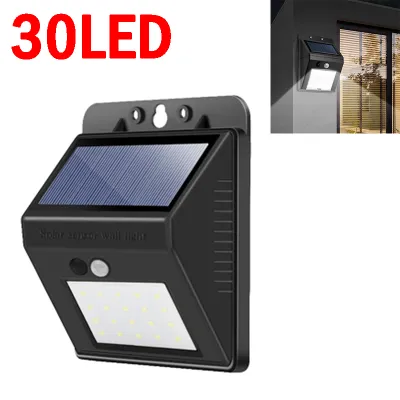
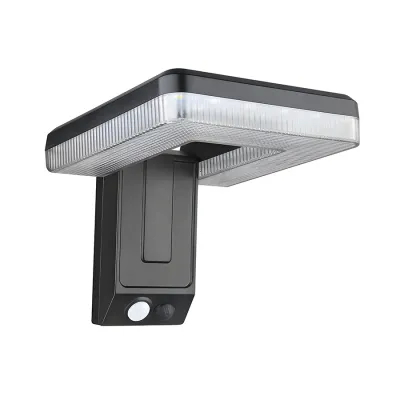
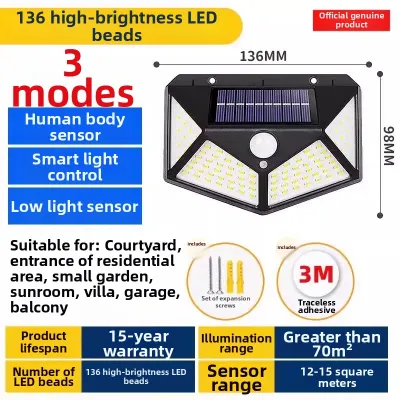
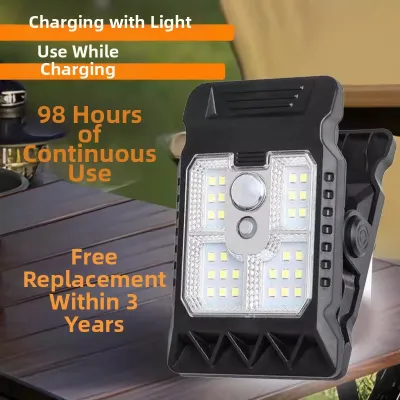
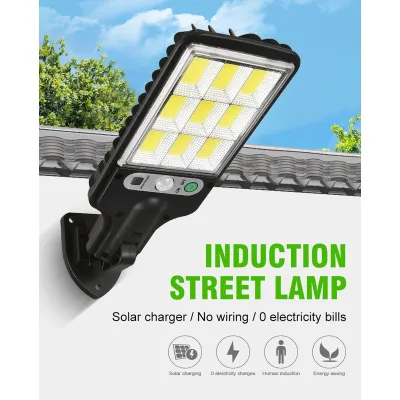
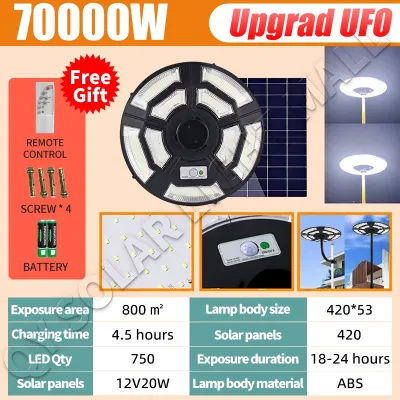
Prices are valid at publication and may change. Please refer to the product page for the latest price.
An IP44 rating indicates protection against splashing water from any direction. This level of protection is generally sufficient for semi-sheltered areas, such as covered balconies, carports, or deep eaves, where the fixture is not directly exposed to heavy rain. However, an IP44 light is not designed to withstand direct, wind-driven tropical downpours and should not be installed in fully open areas.
For fully exposed locations like garden walls, open pathways, and perimeter fences, an IP65 rating is the recommended baseline. An IP65-rated fixture is protected against low-pressure water jets from any direction, meaning it can easily handle heavy rainstorms. If your installation site is highly exposed to severe weather and strong winds, upgrading to an IP66-rated fixture provides an extra layer of security against high-pressure water jets.
Key Build Quality Indicators Beyond the IP Rating
While an IP rating indicates how a product performs in a controlled laboratory environment when brand new, real-world durability depends heavily on the materials used to construct the housing. Cheap plastics degrade rapidly under intense tropical sunlight, becoming brittle and cracking over time. Once the outer shell cracks, the waterproof integrity of the fixture is permanently compromised, regardless of its original IP rating.

High-quality outdoor sensor lights typically utilize UV-resistant polycarbonate or powder-coated die-cast aluminum. UV-resistant polycarbonate resists yellowing and cracking under constant sun exposure, making it an excellent choice for lightweight fixtures. Die-cast aluminum offers superior mechanical strength and heat dissipation, which is crucial for high-wattage LED lights, though it must be properly treated to prevent corrosion in humid environments.
Beyond the outer shell, the quality of the internal seals and gaskets determines how long the light remains waterproof. Reliable brands use thick, flexible silicone or synthetic rubber gaskets around the housing joints and the motion sensor lens. The sensor lens itself is a common point of failure; it must be seamlessly integrated into the housing with a durable seal to prevent water from seeping behind the passive infrared (PIR) sensor dome.
Cable entry points are another vulnerable area where moisture can easily penetrate the fixture. Premium outdoor sensor lights feature integrated waterproof cable glands or secure, gasket-sealed terminal enclosures. These components compress tightly around the incoming power cable, creating a robust barrier that prevents water from running down the wire and entering the electrical compartment.
Evaluating Brand Reliability and Warranty Coverage
When comparing outdoor sensor lights on online marketplaces or at local retailers, the warranty terms are a strong indicator of real-world waterproof reliability. Look for brands that offer a clear, local warranty of at least one to two years. Read the terms carefully to verify if water ingress or environmental damage is explicitly covered, as some low-cost brands exclude water damage entirely, rendering their “waterproof” claims meaningless.
Established lighting manufacturers generally provide superior after-sales support and more consistent quality control compared to generic, unbranded marketplace options. While a generic sensor light might cost less upfront (often under S$20), it may lack proper electrical certification and fail after the first major storm. Established brands invest in rigorous testing and use higher-grade materials to protect their reputation.
To spot potential issues before buying, filter user reviews on ecommerce platforms specifically for keywords like “condensation,” “water,” “rain,” or “stopped working.” Pay attention to reviews from local buyers, as they reflect how the product performs under Singapore’s specific high-humidity and high-temperature conditions. Recurring complaints about fogged lenses or water pooling inside the housing within a few months of installation are clear red flags.
Installation and Maintenance Factors That Affect Waterproofing
Even the highest-rated outdoor sensor light can fail if installed incorrectly. Proper mounting orientation is crucial; most lights are designed to be mounted in a specific direction so that water drains off the housing naturally. Mounting a fixture upside down or at an angle not specified by the manufacturer can cause water to pool on the sensor lens or collect along the housing seams, eventually bypassing the seals.
For fixed wiring installations, always isolate the power supply at the main circuit breaker before starting any work. If the installation requires working at heights, mounting on damp exterior walls, or handling complex electrical connections, it is highly recommended to hire a qualified professional electrician. Always follow the manufacturer’s installation instructions regarding voltage compatibility (typically 220-240V), maximum wattage limits, and suitable mounting surfaces.
During installation, use waterproof cable connectors, such as gel-filled wire joints or IP68 junction boxes, to protect the electrical connections. Applying a bead of outdoor-grade silicone sealant around the top and sides of the mounting plate where it meets the wall can prevent rainwater from running down the wall and entering the back of the fixture. Leave the bottom of the mounting plate unsealed to allow any condensation or trapped moisture to escape.
Routine maintenance is essential to preserve the waterproof integrity of your outdoor sensor light. Inspect the fixture twice a year for signs of wear, such as cracked housing, brittle or protruding gaskets, and debris blocking the drainage channels. Clean the sensor lens gently with a damp cloth to remove dirt and algae, which can trap moisture and degrade the plastic over time.
Decision Framework: Shortlisting Your Outdoor Sensor Light
To make an informed decision, match the sensor light’s specifications to its intended installation environment. For fully exposed areas like garden walls, open patios, or unshielded gates, prioritize established professional brands offering at least an IP65 or IP66 rating, UV-resistant materials, and a local warranty. This ensures the fixture can withstand direct rain and intense sun without failing prematurely.
For semi-sheltered areas, such as under deep eaves, covered carports, or recessed balconies, you can safely opt for fixtures with an IP44 rating. In these protected spots, budget-friendly marketplace brands may be a viable option, provided you verify that the product listing clearly states the IP rating and complies with local electrical safety standards.
Before finalizing your purchase, always verify the key technical specifications: ensure the voltage matches Singapore’s standard domestic supply, check that the physical dimensions fit your mounting space, and confirm whether the light is compatible with your existing setup (such as dimming requirements or smart home integration). Taking these steps will help you select a reliable outdoor sensor light that delivers long-term performance and peace of mind.
Frequently Asked Questions (FAQ)
Can I use an IP44 sensor light under a covered porch?
Yes, an IP44 sensor light is generally suitable for a covered porch or balcony where it is protected from direct, driving rain. The IP44 rating means the fixture can handle splashes of water from any direction, making it safe from wind-blown drizzle or high humidity. However, if the porch is shallow and the light is likely to be exposed to heavy, angled rain during a storm, upgrading to an IP65-rated fixture is a safer choice to prevent water damage.
Does a higher IP rating mean the sensor will last longer?
Not necessarily. An IP rating only measures the fixture’s initial ability to prevent water and dust ingress under controlled laboratory conditions. It does not account for long-term material degradation. A light made from cheap, non-UV-stabilized plastic might have an IP65 rating when new, but the housing can crack after a few months of exposure to intense tropical sunlight, destroying its waterproof seal. Long-term durability depends on both the IP rating and the quality of the build materials, such as UV-resistant polycarbonate or die-cast aluminum.
How do I test if my outdoor sensor light is still waterproof?
You can perform safe, visual checks on your existing installation without using water sprays, which could be dangerous if the seal is compromised. Inspect the sensor lens and the light cover for any signs of internal condensation, fogging, or water droplets. Check the rubber gaskets around the housing seams to ensure they are still soft, flexible, and flush with the joints. If you notice visible cracks in the housing, brittle seals, or if the light begins to flicker or trigger randomly after rain, isolate the power immediately and consult a qualified professional to inspect or replace the unit.

Community discussion
Share your experience or ask a question. Comments are reviewed before publication.