
Passive diffuser stones offer a flame-free, electricity-free way to enjoy aromatherapy, but not all stones perform equally. When comparing popular diffuser stone brands, the true differences lie in material porosity, density, and surface design rather than just aesthetic appeal. Because brand formulations and manufacturing processes vary, determining which offers the best material quality and scent throw requires evaluating specific physical properties and matching them to your space. By understanding how different materials absorb and release essential oils, you can make an informed decision that balances aesthetic value with functional performance.
Core Criteria for Comparing Diffuser Stone Brands
To objectively evaluate diffuser stones across different brands, you must look past marketing terms like “premium scent throw” and focus on measurable physical characteristics. The primary factor determining performance is porosity—the measure of void spaces in a material. High-porosity stones feature microscopic pathways that quickly draw in essential oils through capillary action. When evaluating a brand, check the manufacturer’s specifications for terms like “highly porous ceramic,” “natural volcanic rock,” or “gypsum plaster.” You can often assess porosity visually; a matte, slightly textured surface with visible micro-pores will absorb oils much faster than a highly polished, dense ceramic stone.
Density is the counterpart to porosity and directly influences structural durability. A very dense stone feels heavier in the hand relative to its size and is generally less fragile. However, extreme density can limit the stone’s absorption capacity, causing oils to pool on the surface rather than penetrate the core. When comparing brands, perform a tactile check: high-quality stones should feel solid and smooth without shedding fine powder or chalky residue when handled. If a brand’s plaster stone leaves white dust on your fingers, it indicates a lower-grade binder or insufficient curing, which leads to structural fragility and chipping over time.
Products mentioned in this guide
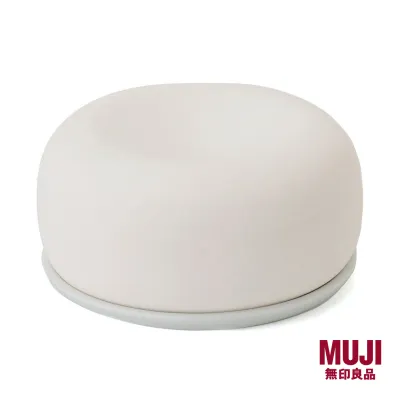
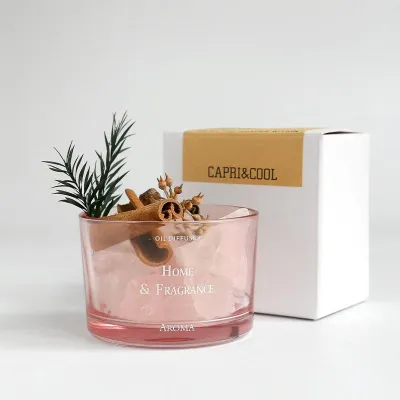
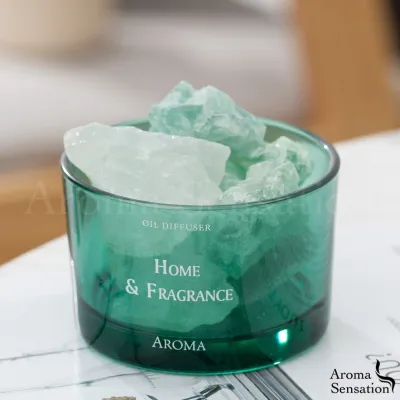
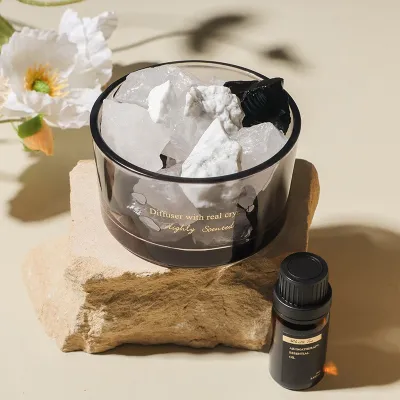
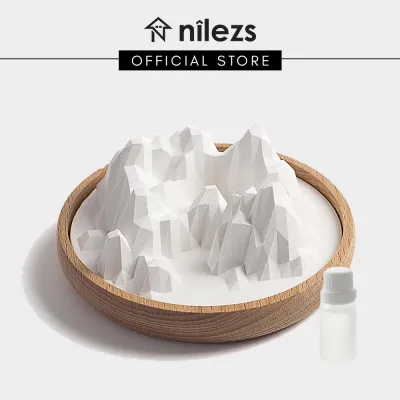

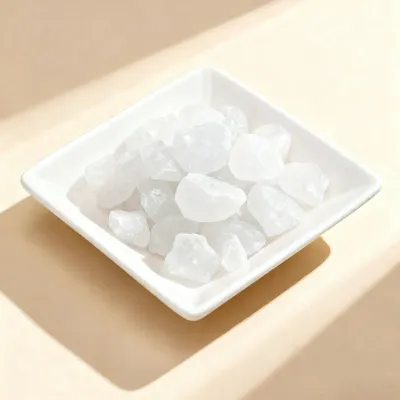
Prices are valid at publication and may change. Please refer to the product page for the latest price.
Finally, interpret brand claims regarding scent throw radius and diffusion duration with caution. Passive diffuser stones do not use heat or fans, meaning their scent throw is naturally limited to immediate personal spaces, typically within a one- to two-meter radius. Brands claiming wide-area coverage often assume ideal conditions, such as high ambient temperatures or strong draft currents. Instead of relying on universal coverage claims, look for specifications regarding absorption capacity—often measured by how many drops of oil the stone can safely hold before saturation—and use these metrics to gauge how frequently you will need to reapply your favorite essential oils.
How Material Composition Dictates Scent Performance
The material composition chosen by a brand is the single greatest driver of scent performance. Plaster and ceramic blends are highly popular among commercial brands due to their moldability and excellent initial scent throw. Gypsum plaster (often marketed as eco-stone or ceramic plaster) is highly hydrophilic and porous. When you apply essential oils to a plaster stone, the liquid is drawn rapidly into the core, spreading across a large internal surface area. This rapid absorption leads to a strong, immediate release of fragrance as the volatile compounds in the oil evaporate. However, this high evaporation rate also means the scent tends to fade more quickly, requiring more frequent replenishment.

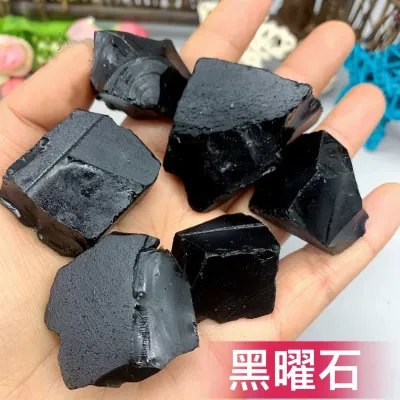
In contrast, natural porous stones, such as volcanic rock, pumice, and unglazed clay, offer a completely different diffusion profile. These materials feature larger, irregular macroscopic pores. Natural volcanic rocks absorb oils slowly, allowing the liquid to settle deep within their rugged cavities. Because the oil is shielded from direct airflow within these deep pockets, the evaporation process is significantly slowed. This results in a subtle, highly consistent, and prolonged scent release that can last for several days. Unglazed clay or terracotta stones sit between plaster and volcanic rock, offering moderate absorption with a balanced, steady diffusion rate.
Beyond the raw material, the physical shape and surface design engineered by different brands play a critical role in evaporation. Brands that incorporate intricate carvings, deep ridges, or multi-layered floral designs are not doing so solely for aesthetics. These geometric features dramatically increase the overall surface area exposed to the air. A highly textured stone with deep grooves allows air to circulate more effectively over the oil-saturated surfaces, enhancing the evaporation rate and boosting the immediate scent throw. Conversely, a flat, smooth stone limits air contact, resulting in a slower, more localized fragrance release.
Evaluating Price and Long-Term Value
When shopping for a diffuser stone, calculating the true cost of ownership requires looking beyond the initial retail price. In the local market, prices can range from under S$10 for basic, mass-produced plaster shapes to over S$50 for premium, hand-carved natural stones or designer ceramic sets. While a cheaper plaster stone may seem highly economical upfront, its structural fragility often leads to a shorter lifespan. Plaster is highly susceptible to chipping, cracking if dropped, and gradual degradation from moisture, especially in humid tropical environments or damp bathrooms. Investing in a denser, high-fired unglazed ceramic or a durable natural volcanic rock can offer better long-term value, as these materials can withstand years of use without losing their structural integrity.
Another hidden cost is essential oil consumption. Because different materials absorb and evaporate oils at varying rates, the stone you choose will directly impact how quickly you empty your oil bottles. High-porosity plaster stones that evaporate oils rapidly will require daily top-ups to maintain a noticeable scent. Over several months, this high consumption rate can significantly increase your spending on premium essential oils. On the other hand, a denser natural stone that releases fragrance slowly and steadily helps conserve your oils, making it a more cost-effective pairing for expensive, high-grade botanical extracts.
Maintenance and cleaning requirements also vary by brand and material, affecting both convenience and longevity. Over time, essential oils—particularly thicker, highly pigmented oils like patchouli, vetiver, or sweet orange—will leave visible residue and stains on lighter-colored stones. White plaster and light unglazed ceramics are highly susceptible to permanent discoloration, which can ruin their aesthetic appeal. If you prefer a pristine look, you may need to replace light-colored stones more frequently or opt for naturally dark materials like black volcanic basalt, which masks oil stains completely and can be easily washed with mild soap and warm water without degrading.
Decision Framework: Matching the Right Stone to Your Space
To select the ideal diffuser stone brand profile, you must match the physical properties of the stone to the specific environmental conditions and size of your room. If you intend to scent a larger, well-ventilated area, such as a living room or an open-plan office, look for brands specializing in high-porosity, highly textured plaster or molded ceramic designs. These stones maximize surface area and evaporation rates, providing the strong, immediate scent throw necessary to compete with active airflow. For these larger spaces, placing the stone near a gentle draft, such as near an air conditioning vent or a window, can help disperse the fragrance further, though you should expect to reapply the oil more frequently.
For smaller, enclosed spaces where a strong scent could become overwhelming—such as a study desk, a bedside table, or a compact bathroom—dense natural stones or smooth, unglazed ceramic profiles are highly recommended. A small bowl of volcanic rocks or a compact, flat clay stone provides a subtle, intimate scent bubble that remains localized to your immediate personal space. This prevents the fragrance from saturating the entire room while ensuring a steady, long-lasting aroma that does not require constant attention. When placing stones in damp environments like bathrooms, ensure they are kept away from direct water splashes, as excess moisture can clog the pores of the stone and temporarily halt the diffusion process.
Before finalizing your purchase, always verify if the brand specifies compatibility with your preferred essential oil viscosity. Thicker, resinous oils (such as sandalwood or myrrh) or oils blended with heavy carrier oils (like jojoba or sweet almond oil) can easily clog fine-pored plaster and ceramic stones, permanently reducing their absorption capacity. If you prefer using pre-blended massage oils or heavy botanical extracts, look for brands that feature coarse, large-pored natural volcanic rocks, which can accommodate heavier oil molecules without clogging. For pure, highly volatile citrus and floral essential oils, fine-pored ceramic and plaster stones remain the ideal choice for a clean, bright scent throw.
Frequently Asked Questions (FAQ)
How often should I replace my diffuser stone?
You should replace your diffuser stone when you notice a permanent loss of scent throw, visible oil residue buildup that cannot be cleaned, or physical degradation of the material. Over months of continuous use, the microscopic pores of the stone gradually become saturated with non-volatile oil components and dust, blocking new oils from absorbing deeply. If your stone no longer absorbs drops within a few minutes, or if it begins to crumble, flake, or shed powder, it is time to transition to a new stone to ensure optimal performance and hygiene.
Can I use the same stone for different essential oil blends?
While you can use different oils on a single stone, doing so carries a high risk of scent mixing, as residual fragrance compounds linger deep within the porous material. If you wish to switch scents, it is best to wait until the previous oil has completely evaporated, or attempt to clean the stone. For plaster and unglazed ceramic, a gentle soak in warm water mixed with a small amount of isopropyl alcohol can help dissolve and lift lingering oils. However, to maintain pure, unadulterated fragrance profiles, the most practical approach is to dedicate specific stones to distinct scent families, such as citrus, floral, or woody blends.

Community discussion
Share your experience or ask a question. Comments are reviewed before publication.