
Selecting the perfect large glass vase for your home involves balancing physical proportions, material quality, and the unique environmental conditions of tropical living. In Singapore’s diverse housing landscape—ranging from cozy HDB flats to expansive condominiums and landed properties—a vase is rarely just a container for flowers. It serves as a structural design element that dictates how light, color, and space interact within a room.
In the context of interior styling, a vase is generally classified as “large” when it exceeds 30 centimeters in height or possesses a substantial, bulbous volume that commands immediate visual attention. The right choice depends heavily on your specific floor plan and existing interior theme. While compact apartments benefit from clear, minimalist profiles that preserve an open feel, larger living areas can easily accommodate heavy, textured, or deeply colored artisan pieces that serve as striking focal points.
To make an investment that elevates your space without cluttering it, you must evaluate three primary decision dimensions: the aesthetic style of the glass, the manufacturing tier (mass-market versus premium artisan), and practical placement constraints unique to the local climate. Understanding these factors ensures your choice remains both visually stunning and easy to maintain over time.
Products mentioned in this guide
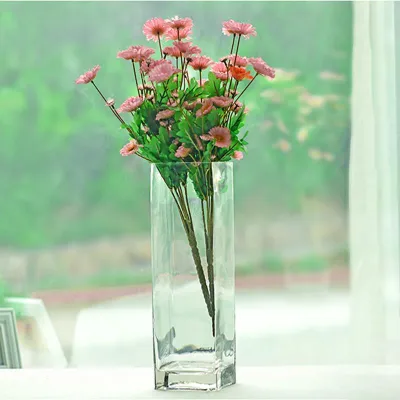

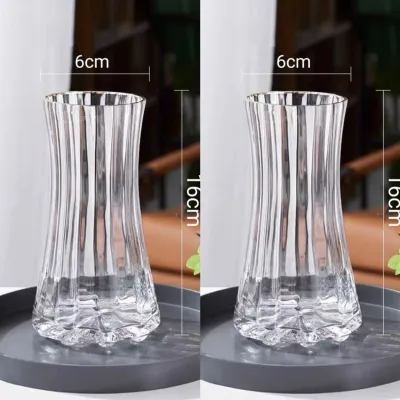
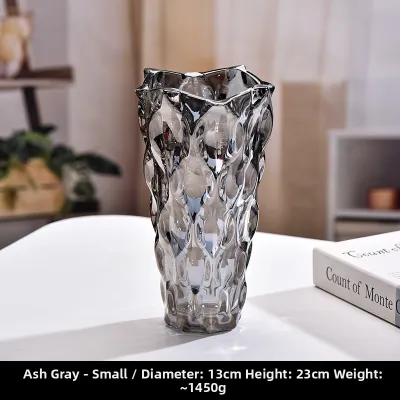
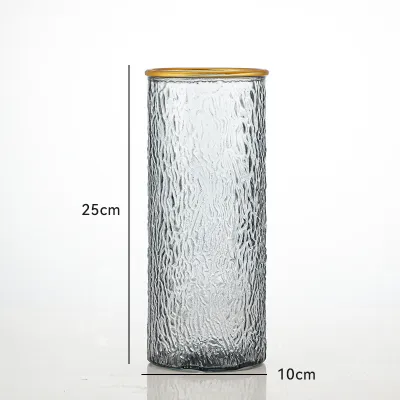
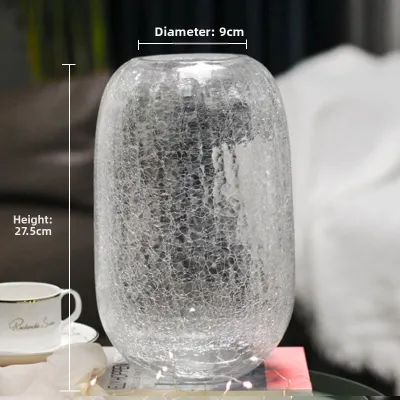
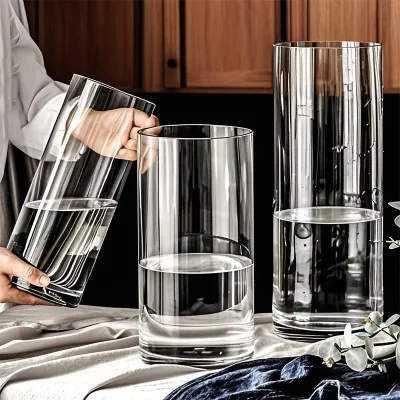
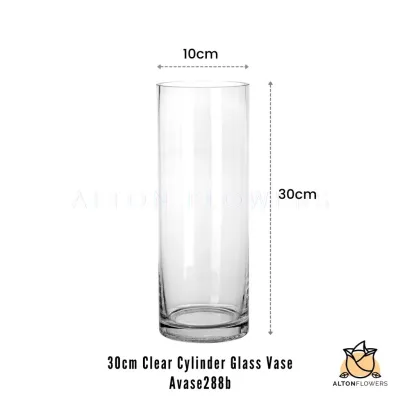
Prices are valid at publication and may change. Please refer to the product page for the latest price.
Comparing Popular Glass Vase Styles for Singapore Interiors
The style of glass you choose dictates how light travels through your living space. In tropical homes where natural light is abundant, the texture, clarity, and color of a large glass vase will actively shape the room’s atmosphere.
Clear and Minimalist Profiles
Transparent, unadorned glass is the quintessential choice for modern minimalist, Scandinavian, and contemporary interiors. By allowing light to pass through completely unobstructed, clear glass maintains visual lightness, making it highly effective for compact HDB layouts, narrow entryways, or crowded console tables where a solid object would feel too heavy.
These minimalist profiles rely entirely on clean lines and the beauty of refraction. When placed near a window or under focused track lighting, clear glass catches the light along its edges, creating a soft, glowing outline that enhances the surrounding decor without competing with it. It acts as a quiet design partner, letting the natural forms of your botanical arrangements take center stage.
However, this absolute transparency comes with a practical trade-off: nothing is hidden. Every stem, leaf fragment, and speck of dust is fully visible, as is any cloudiness in the water. To maintain the pristine aesthetic of a clear vase, you must commit to neat stem arrangements, frequent water changes, and regular cleaning to prevent unsightly buildup.
Textured, Ribbed, and Artisan Glass
Textured glass—incorporating ribbed, fluted, or hammered finishes—offers a compelling middle ground for local homes. These tactile surfaces catch and scatter incoming light, casting dynamic, dancing patterns across your walls and tabletops. Even when completely empty, a textured vase functions as a standalone sculptural object that adds depth and character to a room.
From a practical standpoint, textured glass is incredibly forgiving. The physical patterns on the surface naturally obscure the interior of the vase, effectively concealing minor water marks, mineral deposits, and imperfectly arranged stems. This makes textured styles an excellent choice for busy households where daily maintenance might not be feasible.
These styles pair exceptionally well with the warm wood tones and organic textures found in Japandi, mid-century modern, and rustic interior designs. A ribbed cylinder vase, for example, introduces vertical lines that draw the eye upward, subtly emphasizing the ceiling height of your living space.
Smoked, Tinted, and Colored Finishes
Colored glass vases—ranging from moody smoked greys and rich ambers to delicate pastel pinks and forest greens—are designed to make a bold statement. A tinted vase acts as an anchor in a room, establishing a sophisticated focal point in spacious open-plan living areas or formal dining rooms.
Darker finishes, such as smoked grey or deep amber, excel at hiding murky water and decaying stems, allowing you to maintain a clean look with less frequent maintenance. However, because these darker tones block a significant amount of light, they carry more visual weight and can make a small, dimly lit room feel somewhat cramped or heavy.
When selecting a colored vase, it is essential to coordinate the tint with your room’s existing color palette and lighting temperature. Warm amber and olive tones pair beautifully with warm ambient lighting (2700K to 3000K) and natural timber, while cool smoked grey or blue glass complements industrial concrete finishes, sleek metal accents, and cool-white light fixtures.
Mass-Market vs. Premium Brands: Evaluating Quality and Value
Beyond aesthetics, the manufacturing process of a glass vase directly impacts its durability, stability, and overall presence in your home. Understanding the differences between mass-market and premium artisan tiers helps you allocate your decor budget effectively.

Accessible and Everyday Brands
Mass-market glass vases, typically priced from S$15 to S$60, are generally machine-made or mold-blown in high volumes. This manufacturing method ensures highly consistent dimensions and makes stylish home decor accessible to a wider audience. These pieces are widely available through major home furnishing retailers and online marketplaces.
For many homeowners, everyday brands offer the perfect balance of style and practicality. They are ideal if you enjoy updating your decor seasonally, like to experiment with different design trends, or live in a high-traffic household with active pets or young children where the risk of accidental breakage is a constant concern.
When shopping in this tier, a physical quality inspection is highly recommended to ensure you get the best value. Use the following checklist to evaluate mass-market glass:
- Inspect the Mold Seams: Run your fingers along the sides of the vase. High-quality mass-market pieces will have faint, smooth seams, whereas lower-grade options may feature sharp, highly visible ridges.
- Verify Base Stability: Place the vase on a completely flat surface and give the rim a gentle tap. The vase should remain steady; any wobbling indicates an uneven base that could easily tip over when filled.
- Check the Rim Finish: Examine the top opening. The rim should be smooth, level, and fire-polished. Avoid pieces with sharp, jagged edges or noticeable bubbles trapped right at the rim, as these are structural weak points.
Premium and Artisan Designers
Premium glass vases, often ranging from S$120 to several hundred dollars, are typically hand-blown by skilled artisans or produced by heritage design houses. Because each piece is crafted individually, you will often find charming, minor variations—such as tiny, isolated air bubbles or subtle shifts in glass thickness—that make every vase completely unique.
These high-end pieces are designed to serve as permanent sculptural elements in your home, functioning as heirloom-quality art even when left empty. They are crafted from superior materials, such as lead-free crystal or heavy-density soda-lime glass, which offer exceptional optical clarity and a brilliant, diamond-like refraction under light.
What truly justifies the investment in a premium vase is its superior structural engineering. These pieces feature seamless construction, perfectly polished rims, and exceptionally thick, heavy bases. This substantial bottom-weight is not just a sign of luxury; it provides the essential physical stability required to safely hold massive floral arrangements and heavy branches without any risk of tipping.
Sizing, Placement, and Maintenance for Tropical Homes
Integrating a large glass vase into a Singaporean home requires careful attention to physical proportions, safety, and the unique challenges posed by a warm, humid tropical climate.
Proportions and Scale
To create a balanced look, your vase must scale harmoniously with the furniture it sits on. For dining tables, keep the combined height of the vase and your floral arrangement below eye level (generally under 60 centimeters total) so that guests can converse easily across the table without their view being blocked.
For console tables and sideboards, a vase measuring 30 to 40 centimeters in height works beautifully when offset by smaller decorative items, such as books or candles, to create an appealing visual asymmetry. If you want to fill an empty corner or dress up the space next to a TV console, opt for an oversized floor vase measuring 50 centimeters or taller, paired with long, architectural branches.
Weight and Stability
Large glass vessels are inherently heavy, and their weight increases dramatically when filled with water and tall botanical stems. Tropical arrangements often feature substantial, top-heavy foliage—such as monstera leaves, ginger flowers, or palm fronds—which can easily shift the center of gravity upward.
To prevent costly and dangerous tipping accidents, always check the base-to-height ratio of the vase. Avoid narrow, top-heavy trumpet shapes if you plan to display heavy branches. Instead, opt for wide-bottomed cylinder, cube, or bulbous demijohn shapes that offer a broad, stable footprint, especially if you have curious pets or young children running around.
Lighting and Climate Challenges
Singapore’s tropical climate, characterized by high humidity and warm ambient temperatures, significantly accelerates the growth of algae and bacteria in standing water. When a clear glass vase is placed in direct, intense afternoon sunlight near a window, the water can turn cloudy, green, and unpleasant-smelling within a matter of days.
Furthermore, direct sunlight can subject the glass to intense thermal stress. If a glass vase sits in hot afternoon sun and is suddenly filled with cold tap water during a water change, the rapid temperature differential can cause thermal shock, resulting in sudden cracking or shattering. To protect your investment, follow these environmental guidelines:
- Position Away from Direct Sun: Place your glass vases in shaded or indirectly lit areas of the room, away from the harsh glare of west-facing windows.
- Let Glass Cool Before Cleaning: If a vase feels warm to the touch, allow it to cool down to room temperature naturally before exposing it to water.
- Use Filtered Water: Filling your vase with filtered or distilled water helps minimize the introduction of algae spores and reduces the speed of bacterial growth.
Cleaning and Maintenance
Over time, tap water minerals can leave stubborn, cloudy white rings (calcium carbonate deposits) inside your glass vase as the water evaporates. Standard dish soap is often insufficient to dissolve these alkaline scale marks.
To safely restore clarity to your glass, fill the vase with warm water and add a cup of mild white vinegar or a tablespoon of citric acid powder. Let the solution sit for 15 to 30 minutes to chemically break down the mineral deposits, then wipe the interior gently with a soft microfiber cloth or a long-handled foam brush.
Never use abrasive plastic scrubbers, steel wool, or harsh scouring powders on your glass. These abrasive materials will leave microscopic scratches on the surface, permanently dulling its optical clarity and making it easier for dirt and algae to grip the glass in the future.
Final Verdict: Which Style and Brand Tier Fits Your Needs?
Choosing the right large glass vase comes down to aligning your personal style with the practical realities of your living space and household routine.
Choose clear, mass-market glass if you live in a compact HDB flat, prefer a light and airy aesthetic, and enjoy changing your home decor frequently. This combination offers maximum styling flexibility and peace of mind, especially in busy households with pets or children where expensive items might be at risk.
Invest in textured or colored premium artisan glass if you want to establish a permanent, high-impact design statement in a spacious condominium or landed home. These heavy, sculptural pieces provide the physical stability needed for grand tropical arrangements and offer a level of craftsmanship and light-refracting beauty that mass-market alternatives simply cannot replicate.
Before finalizing your purchase from any online home decor retailer or official brand store, always take a moment to measure your intended physical space. Check the height, diameter, and weight specifications of the vase to ensure it fits comfortably on your tabletop or floor. Additionally, because large glass items are highly fragile, always verify the retailer’s return and damage-replacement policies so you can shop with absolute confidence.

Community discussion
Share your experience or ask a question. Comments are reviewed before publication.