
Quick Answer: Matching Table Lamps and Brands to Your Work Style
Finding the ideal lighting setup for your study or work-from-home desk in Singapore is not about chasing the most expensive option. Instead, the right choice depends on your daily tasks, workspace dimensions, and budget. Selecting the perfect table lamps requires balancing visual comfort with mechanical reliability, especially when spending long hours reading physical documents or working on digital screens.
The local market features a diverse range of brands. Premium brands, such as BenQ and Dyson, prioritize advanced optical engineering, offering precise glare control, wide light distribution, and robust metal construction. Mid-range staples like Philips and Panasonic focus on reliable, eye-care certified illumination and straightforward physical controls, making them highly practical for general study. Meanwhile, smart and value-driven brands like Xiaomi and Yeelight cater to connected homes, offering app integration, automated color temperature adjustments, and sleek, compact designs at highly accessible price points.
When evaluating your options, prioritize essential lighting performance over secondary smart features. A high-quality desk light should provide flicker-free operation, adjustable brightness, and physical flexibility to prevent neck and eye strain. Furthermore, ensuring that your chosen model carries the necessary local safety certifications is crucial for long-term peace of mind in any Singapore household.
Products mentioned in this guide
![[SG Local Stock] 2000mAh LED Table Lamp Study Foldable Desk Light Bedroom Bedside Touch Control Dimmable USB Rechargeable 台灯 CNY Gift Present](https://img.lazcdn.com/g/p/254b9aa79170e7ac80d5ab37505c1212.jpg_400x400q80.jpg_.webp)
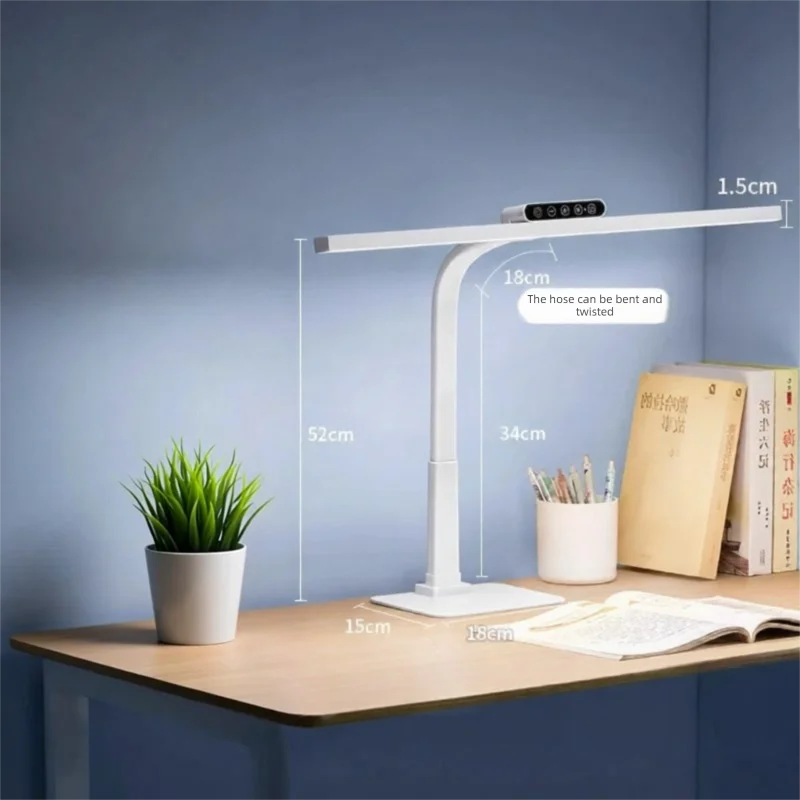
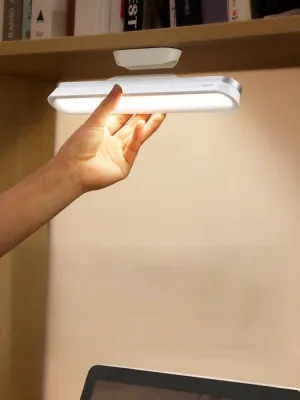
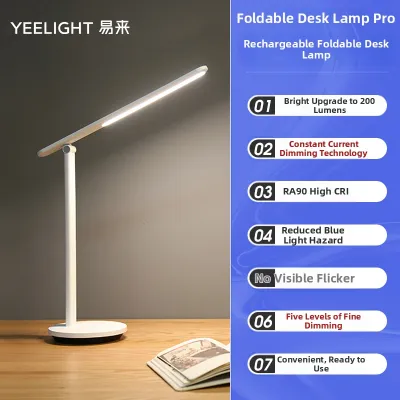
Prices are valid at publication and may change. Please refer to the product page for the latest price.
Core Comparison Dimensions for Study and Work Lamps
To make an informed decision, you must understand the technical specifications that govern high-quality task lighting. Evaluating table lamps based on standardized optical and mechanical criteria ensures that your investment actively protects your vision and enhances your productivity.

Illuminance and Uniformity Illuminance, measured in lux, refers to the amount of light that falls on a specific surface area. For standard reading and writing tasks, a desk surface should ideally receive between 500 and 1000 lux of light. However, raw brightness is only half the equation; uniformity is equally critical. Uniformity measures how evenly light is distributed across your work zone. A lamp that creates a bright hotspot directly underneath its bulb while leaving the surrounding desk in deep shadow forces your pupils to dilate and constrict repeatedly as your eyes scan across your workspace. This constant adjustment is a primary cause of rapid eye fatigue. High-performance models utilize custom reflectors or curved light heads to spread light evenly across a wide rectangular area, ensuring that your documents and keyboard are illuminated with consistent intensity.
Color Temperature and CRI Color temperature, measured in Kelvin (K), dictates the color appearance of the light. Cooler, blue-toned light (ranging from 5000K to 6500K) suppresses melatonin production, which helps boost alertness, concentration, and cognitive performance during daytime study or intensive work sessions. Conversely, warmer, yellow-toned light (ranging from 2700K to 3000K) creates a relaxing atmosphere that is ideal for evening reading or wind-down routines. A versatile task lamp should offer adjustable color temperature settings to match your natural circadian rhythm. Alongside color temperature, pay close attention to the Color Rendering Index (CRI), denoted as Ra. CRI measures how accurately a light source reveals the true colors of objects compared to natural sunlight. For reading, writing, or design work, look for a CRI of at least 80, though a CRI of 90 or higher is highly recommended to prevent color distortion and reduce visual strain.
Glare Control and Flicker Direct and indirect glare are major disruptors in modern workspaces. Direct glare occurs when the light source shines directly into your eyes, while indirect glare is the reflection of light off glossy paper, laptop screens, or glass desk protectors. Premium table lamps mitigate this through asymmetric optical designs that project light at an angle, illuminating the desk surface without bouncing light off your monitor or shining directly into your field of vision. Additionally, invisible high-frequency flicker, which is common in low-grade LED drivers, can lead to headaches, eye strain, and general fatigue over prolonged use. Opting for lamps certified as flicker-free ensures a stable, continuous output of light that is much gentler on the eyes.
Build Quality and Adjustability The physical construction of a lamp determines its lifespan and daily usability. Budget-friendly models often rely heavily on ABS plastic, which can degrade or become brittle over time when exposed to the heat generated by electrical components. Premium alternatives utilize anodized aluminum alloys and zinc joints, offering superior heat dissipation and structural integrity. Adjustability is another critical factor; a high-quality lamp should feature multiple points of articulation, such as counterbalanced spring arms, ball joints, or rotating heads. These mechanisms allow you to position the light source precisely where it is needed, helping you clear large desktop monitors, avoid casting shadows with your hands, and adjust the height as your seating posture changes.
How Popular Brand Categories Compare in Singapore
The Singapore market offers a vast array of task lighting options, ranging from specialized ergonomic fixtures to budget-friendly smart appliances. Understanding how these brands group into distinct tiers helps you balance upfront costs against long-term performance and durability.
Premium and Ergonomic Specialists (e.g., BenQ, Dyson)
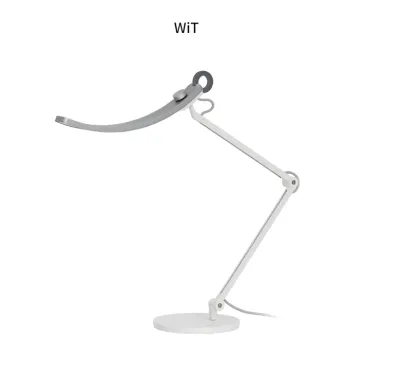
Brands in this tier focus heavily on advanced optical engineering and premium materials to deliver highly optimized lighting environments. BenQ, for instance, has gained a strong reputation for its specialized desk lamps designed specifically for screen-heavy workflows. Their models frequently feature curved lamp heads that distribute light in a wide, even arc, along with sophisticated asymmetric optical designs that completely bypass the computer screen to prevent glare. Dyson takes a highly technological approach, utilizing heat-pipe technology to cool the LEDs, which helps maintain brightness and color consistency over decades of use. These lamps also incorporate sophisticated sensors that automatically adjust brightness based on ambient light levels and track local daylight patterns to sync with your circadian rhythm.
The primary trade-off for these premium options is their high financial investment, with prices often spanning several hundred Singapore dollars. Additionally, their robust construction and long, counterbalanced arms require a sturdy desk with sufficient surface area or a secure edge for clamp mounting. If you work on a small, lightweight desk or a folding table, the heavy bases or wide physical footprint of these premium models might prove impractical.
Reliable Mid-Range Staples (e.g., Philips, Panasonic)
For decades, household appliance giants like Philips and Panasonic have been the default choices for families and students in Singapore. These brands excel at producing highly reliable, certified eye-care lamps that deliver consistent performance without a steep learning curve. Philips, through its dedicated eye-care lighting ranges, focuses on minimizing blue light hazards and eliminating visible flicker, often meeting stringent international safety standards. Panasonic lamps are similarly praised for their practical designs, featuring uniform light distribution, high CRI values, and intuitive touch controls that are easy for children and elderly users to operate.
While these mid-range staples are exceptionally dependable, they generally lack advanced smart home integrations. You will rarely find features like voice assistant compatibility, automated app scheduling, or complex smart home automation triggers in these models. Their designs also tend to favor functional, classic aesthetics over the ultra-modern, minimalist profiles of premium or smart-tier competitors. However, for users who prioritize straightforward, tactile controls and long-term electrical safety, these brands offer outstanding value.
Smart and Value-Driven Brands (e.g., Xiaomi, Yeelight)
Smart home ecosystems have become increasingly popular in Singapore, particularly in modern HDB flats where space-saving, connected appliances are highly valued. Brands like Xiaomi and Yeelight have captured a significant share of the market by offering feature-rich table lamps at highly competitive prices. These lamps typically offer seamless integration with popular smart home platforms, allowing users to adjust brightness, tune color temperatures, and set automated schedules directly from their smartphones or via voice commands. Their physical designs are usually slim, minimalist, and compact, making them excellent choices for smaller study desks or multi-purpose workspaces.
The trade-offs in this category are primarily related to materials and physical adjustability. To keep manufacturing costs low, these brands rely more extensively on plastic components rather than heavy-duty metal alloys. Over years of daily adjustment, the tension in plastic joints can loosen, causing the lamp head to droop or sag. Additionally, while their smart features are impressive, their basic optical performance—such as light uniformity and advanced asymmetric glare control—may not match the precise engineering found in premium ergonomic brands.
Which Setup Should You Choose? (Decision Framework)
To translate these brand comparisons into a final decision, you should analyze your daily habits, your physical workstation layout, and your specific technical requirements. Matching your setup to the correct category of table lamps will prevent eye strain and ensure your workspace remains highly functional.
Choose a Premium Asymmetric Lamp if:
- Your daily work revolves around a large desktop monitor or a dual-screen setup.
- You experience frequent eye fatigue, headaches, or glare-related discomfort during long screen sessions.
- You have a spacious, sturdy desk that can easily accommodate a heavy base or a robust clamp mount.
- You are willing to invest a higher upfront cost for superior optical engineering, automatic dimming sensors, and a highly durable metal chassis that will last for years.
Choose a Mid-Range Adjustable Arm Lamp if:
- Your routine involves a mix of physical and digital tasks, such as writing on paper, reading textbooks, and typing on a laptop.
- You prefer traditional, tactile controls and want a highly reliable, plug-and-play device without the complexity of software updates or wireless pairing.
- You are setting up a study desk for children or students who require simple, certified eye-care lighting that prioritizes physical safety and robust construction.
- You want a dependable balance of performance and cost, backed by established brands with reliable local customer service and warranty support.
Choose a Smart/Compact Lamp if:
- You are working with limited desk space, such as a compact study corner in a cozy HDB bedroom or a multi-purpose dining table setup.
- You are an active user of smart home ecosystems and want your desk lighting to sync automatically with your daily routines, alarm clocks, or ambient room lighting.
- You are working within a strict budget but still want modern features like adjustable color temperatures, sleek aesthetics, and wireless control.
- Your typical usage consists of shorter, casual sessions rather than ten-plus hours of intensive, high-precision visual work.
Verify First if Importing: If you are browsing online marketplaces or international e-commerce platforms, you may encounter appealing deals on overseas models. Before completing a purchase, verify that the lamp is compatible with Singapore’s electrical standards. Importing a device without confirming its input voltage, plug style, and local warranty coverage can result in an unusable product or, worse, a serious electrical hazard in your home.
Local Safety and Compatibility Checks Before You Buy
Before finalizing your purchase of any table lamps, you must perform several critical safety and compatibility checks. Because task lighting is an electrical appliance that often remains powered on for hours at a time, skipping these checks can lead to safety hazards or physical installation issues.
Voltage and Plug Type Singapore operates on a 230V/50Hz electrical system and utilizes the Type G (BS 1363) 3-pin plug. Many popular table lamps sold online originate from countries with different electrical standards, such as North America or Japan, which use 110V systems. Connecting a 110V appliance directly to a Singaporean 230V outlet will permanently damage the lamp’s internal circuitry and can trigger short circuits or electrical fires. While step-down transformers exist, they are bulky, generate excess heat, and are highly impractical for a clean, safe desk setup. Always ensure the product specifications explicitly state compatibility with 220V–240V AC power.
Safety Mark Compliance For maximum safety, look for the Singapore Safety Mark on the lamp’s power adapter, plug, or main body. The Enterprise Singapore board regulates controlled goods—including AC adapters and lighting fixtures—to ensure they meet rigorous safety standards. The Safety Mark indicates that the product has been tested and certified safe from risks of electrical shock, overheating, and short-circuiting. When purchasing smart lamps or models with external power bricks, verifying this mark is particularly important, as low-quality, uncertified power adapters are a common source of electrical failures.
Desk Dimensions and Physical Clearance Finally, measure your physical workspace before clicking buy. If your desk features overhead shelves, built-in cabinets, or a mounted pegboard, ensure the lamp’s maximum height and arm extension will clear these obstacles. For those using monitor arms, check whether the lamp’s neck can reach over or around your screen without casting a shadow directly onto your keyboard. Additionally, measure the thickness of your desk edge if you plan to use a clamp-on model, as some heavy-duty clamps require a minimum clearance or may not fit desks with bevelled edges or under-desk cable trays.
Frequently Asked Questions (FAQ)
Is a monitor light bar better than a table lamp for computer work?
A monitor light bar is specifically engineered to save desk space and eliminate screen glare by clipping directly onto your monitor and projecting light downward in a tight, asymmetric beam. This makes it highly effective if your primary tasks are digital and your desk space is limited. However, if your daily routine involves a mix of handwriting, reading physical textbooks, or drawing, a traditional table lamp is generally superior. Table lamps offer a much wider, adjustable field of illumination that can be angled and repositioned to cover various areas of your desk, whereas a light bar’s coverage is strictly confined to the area directly in front of your screen.
How should I position my table lamp to avoid screen glare?
To prevent harsh reflections and shadows, position your table lamp on the side opposite your dominant writing hand. For example, if you are right-handed, place the lamp on the left side of your desk to ensure your hand does not cast shadows across your paper as you write. The light head should be positioned below your eye level to prevent direct glare from shining into your eyes. If you are working alongside a computer monitor, angle the lamp head so that the light beam is directed downward onto your desk surface rather than reflecting off the glossy screen of your monitor or laptop.
Do smart table lamps consume a lot of electricity on standby?
Smart table lamps require a continuous, low-level power connection to remain connected to your home Wi-Fi or Bluetooth network, allowing them to respond to app controls or voice commands. This standby power draw, often referred to as phantom load, is typically very low—generally ranging from 0.5 to 1.5 watts. While this standby consumption results in a negligible impact on your monthly Singapore Power utility bill, you can eliminate it entirely by plugging the lamp into a physical power strip with an on/off switch or using a smart plug to cut power during hours when the desk is guaranteed to be vacant.

Community discussion
Share your experience or ask a question. Comments are reviewed before publication.