
Finding the right portable reading light in Singapore requires looking beyond flashy marketing and focusing on how you actually read. There is no single ideal portable reading light brand, as the right choice depends entirely on your specific reading environment, duration, and physical setup. Instead of chasing a single popular name, the most effective approach is to evaluate brands based on their light quality, power management, and structural design. This guide provides a structured framework to help you compare different brand profiles, match them to your primary reading scenarios, and verify critical safety and performance specifications before making a purchase on e-commerce platforms or in physical stores.
Key Dimensions for Comparing Portable Reading Lights
To make an informed comparison between different portable reading light brands, you must look past aesthetic designs and evaluate the core technical specifications. The first and most critical dimension is light quality. High-quality brands prioritize eye comfort by offering adjustable color temperatures, typically ranging from a warm amber (around 1600K to 2700K) to a cool white (5000K or higher). Warm light is ideal for late-night reading as it minimizes blue light exposure, which can disrupt sleep patterns, while cool light helps maintain focus during daytime study sessions.
Another key metric is the Color Rendering Index (CRI). Brands that feature a high CRI (ideally CRI 90 or above) ensure that colors on the page, illustrations, or maps appear vivid and true to life. Additionally, look for brands that incorporate flicker-free technology and integrated anti-glare diffusers. Low-quality lights often exhibit rapid, invisible flickering that causes eye strain, headaches, and fatigue during extended reading sessions. A well-designed diffuser spreads the light evenly across the page, eliminating harsh hot spots and distracting reflections.
Products mentioned in this guide
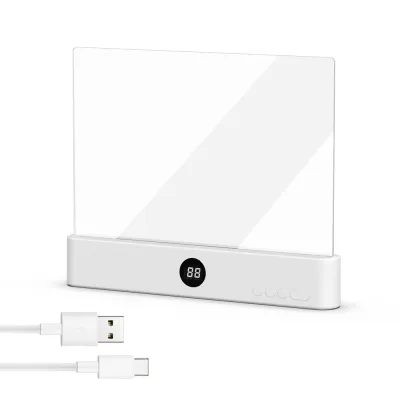
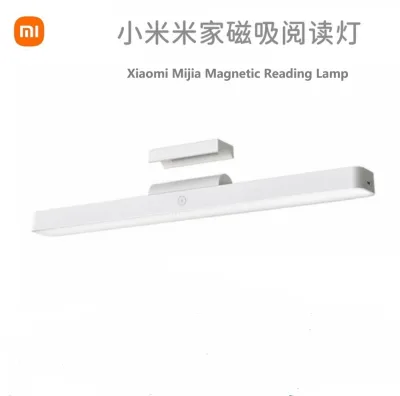
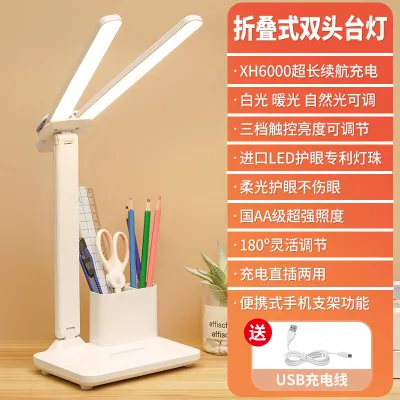
![[Local Seller] 3 Modes Mobile Holder USB Rechargeable LED Desk Table Lamp Reading Study Work Natural White Warm Light](https://img.lazcdn.com/g/p/02e61c37003b357460f9b590df0f1e5c.jpg_400x400q80.jpg_.webp)
Prices are valid at publication and may change. Please refer to the product page for the latest price.
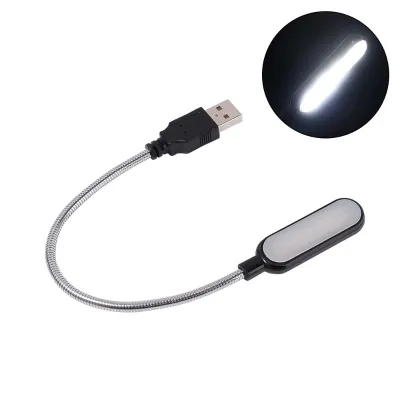
Power and battery management represent the second major dimension of comparison. Portable reading lights generally fall into two categories: built-in rechargeable models and direct USB-powered models. Rechargeable lights offer maximum portability, but you must compare the battery chemistry and capacity. Lithium-ion and lithium-polymer batteries are common, but their performance depends heavily on the brand’s internal battery management system. Check the manufacturer-stated runtime, keeping in mind that the maximum advertised battery life usually applies only to the lowest brightness setting.
The charging port standard is also a practical consideration. Modern brands have largely transitioned to USB-C ports, which offer faster charging and allow you to use the same cable as your smartphone or tablet. Older or budget-focused brands may still rely on Micro-USB ports, which can limit convenience if you prefer to travel with a single cable.
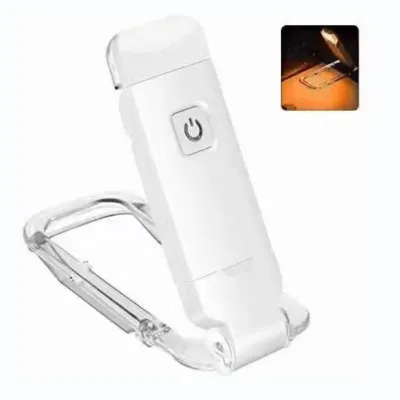
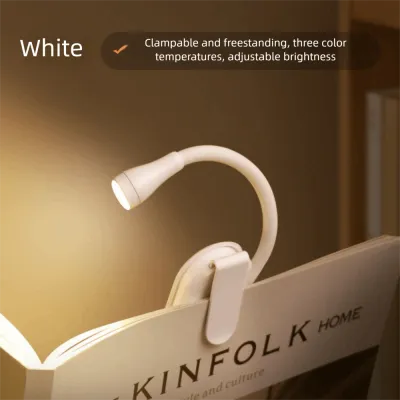
Finally, evaluate the form factor and mounting mechanisms. The physical design determines how and where you can use the light. Clip-on models feature a spring-loaded clamp that attaches directly to book covers, e-readers, or headboards. When comparing clip-on brands, examine the grip material; soft silicone or rubber padding prevents the clamp from scratching or tearing delicate pages. Gooseneck designs offer a flexible arm that lets you position the light at precise angles, but the arm must be rigid enough to hold its position without drooping over time. Foldable stands provide a stable base for flat surfaces, making them highly versatile for both bedside tables and desks. Weight is another critical factor, especially for book-mounted lights, as a heavy device can make a paperback uncomfortable to hold.
Matching Brand Profiles to Your Reading Scenarios
Selecting the right brand profile involves matching the physical characteristics of the light to your primary reading habits. If you are constantly on the move, travel-focused brands are the most suitable choice. These brands design ultra-lightweight, highly compact, and often foldable lights that slip easily into a travel bag or pocket. They prioritize long battery life and durable casings to withstand the rigors of commuting on public transport, long flights, or reading in transit. The focus here is on minimal weight and maximum space efficiency, often utilizing slim clip-on designs that attach securely to paperbacks or e-readers.

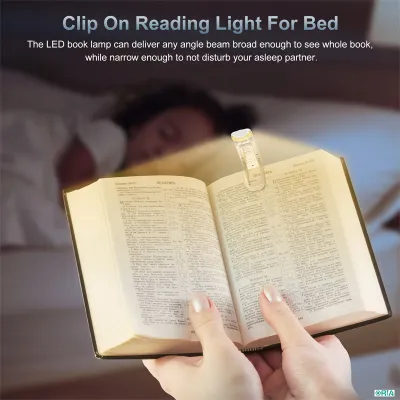
For those who share a bedroom or living space, clip-on or specialized bedside brands are highly effective. These brands focus on delivering targeted, asymmetrical light distribution. Instead of scattering light across the entire room, they use specialized lenses to direct a narrow beam solely onto the pages of your book. This precise control prevents light spill, allowing you to read comfortably late into the night without disturbing a sleeping partner. These models often feature highly flexible goosenecks and multiple dimming levels, enabling you to lower the brightness to the exact level needed for close-up reading.
If your reading habits lean toward extended study sessions, professional work, or detailed hobbies, premium ergonomics-focused brands are more appropriate. These brands design larger portable lights with wider light heads to illuminate a broader surface area. They place a heavy emphasis on high CRI ratings, precise touch controls, and stable, weighted bases that prevent tipping. While these lights are still portable enough to move from room to room, they are built to replicate the performance of a high-end desk lamp, making them ideal for students and professionals who require consistent, high-quality illumination over several hours.
However, portable reading lights have inherent limitations. If your primary requirement is fixed, high-intensity task lighting for a large desk or a dedicated home office workspace, a portable model may not suffice. Portable lights are optimized for localized illumination and energy efficiency, meaning they cannot match the raw brightness and wide coverage of a standard, non-portable desk lamp. In such cases, verifying whether a mains-powered, fixed desk lamp is more appropriate for your setup will save you from the frustration of insufficient light coverage.
Essential Specifications to Verify Before Purchase
Before finalizing your purchase on any online marketplace or in a physical retail store, you must verify several critical specifications to ensure safety, compatibility, and long-term reliability. Electrical and battery safety should be your top priority. Because many portable reading lights utilize rechargeable lithium-ion batteries, they must comply with relevant safety standards to prevent overheating, short circuits, or fire hazards. When purchasing in Singapore, look for recognized safety marks on the device, its power adapter, or the product packaging. These marks indicate that the product has undergone rigorous testing for electrical safety and battery compliance.
Charging compatibility is another essential technical detail to check. Review the product specifications to identify the required input voltage and current, which is typically 5V/1A or 5V/2A for standard USB devices. Ensure that the included charging cable is compatible with your existing USB wall adapters, power banks, or multi-port chargers. Using an incompatible charger or a low-quality cable can lead to slow charging times, excessive heat generation, or potential damage to the light’s internal battery management system.
Finally, carefully review the warranty and return policies offered by both the manufacturer and the retailer. A reputable brand typically provides a clear manufacturer’s warranty covering defects in materials and workmanship for a specified period. Additionally, check the online retailer’s return conditions, particularly regarding dead-on-arrival batteries or units that fail to hold a charge out of the box. Clear return policies protect your purchase and ensure you can easily exchange a defective unit without incurring extra costs.
Frequently Asked Questions (FAQ)
Can I use a portable reading light while it is charging?
Whether you can safely use a portable reading light while it is plugged into a power source depends entirely on the specific model’s battery management system. This feature, known as pass-through charging, allows the device to power the LEDs directly while simultaneously routing power to charge the battery. However, not all brands support this function. In some lower-cost models, attempting to use the light while charging can cause the battery to overheat, accelerating battery degradation or posing a safety risk. Always consult the manufacturer’s user manual to verify if pass-through charging is explicitly supported. If you do use the light while charging, monitor the device closely; if the casing or battery compartment becomes excessively warm to the touch, turn off the light and allow it to charge fully before further use.
How many lumens are ideal for a portable reading light?
For comfortable reading without causing eye strain or excessive glare, a portable reading light typically requires between 50 and 150 lumens. However, raw lumen output is not the sole indicator of visual comfort. The ideal brightness depends heavily on your ambient environment, the distance between the light source and the page, and the reflectivity of the paper. A light that is too bright can cause harsh glare on white pages, leading to rapid eye fatigue, while a light that is too dim forces your eyes to strain to distinguish text. Instead of focusing purely on high lumen counts, look for brands that offer adjustable brightness levels and proper light distribution. This flexibility allows you to customize the illumination to match your surroundings, ensuring a comfortable reading experience whether you are in a pitch-black room or a dimly lit cabin.

Community discussion
Share your experience or ask a question. Comments are reviewed before publication.