
Rechargeable aroma diffusers have transformed how we personalize our living and working spaces. By eliminating the constraints of power cords, these portable devices allow you to bring calming scents from the bedroom to the home office, or even along on weekend staycations. However, navigating the diverse market of rechargeable diffusers requires looking beyond aesthetic appeal. With numerous brands offering varying battery capacities, mist technologies, and material builds, making an informed decision means understanding how these specifications translate to daily performance.
To find a diffuser that offers lasting value, you must evaluate how different models handle continuous operation, resist the corrosive nature of pure essential oils, and maintain battery health over time. A high-quality device should deliver a consistent, fine mist without frequent recharging or premature mechanical failure. This guide breaks down the essential technical specifications, material safety standards, and practical features you should compare before purchasing a rechargeable aroma diffuser.
Key Specifications to Compare in Rechargeable Diffusers
When comparing rechargeable aroma diffusers, the technical specifications listed on the box are your first line of defense against underperforming products. The most critical component of any cordless device is its battery. Most portable diffusers utilize lithium-ion batteries, with capacities typically ranging from 2000mAh to 4000mAh. To interpret these numbers accurately, you must consider the device’s power consumption during different operating modes. A 2000mAh battery might provide up to eight hours of use on an intermittent mist setting—where the device cycles on and off every few seconds—but may only last three to four hours under continuous misting. Always check if the manufacturer’s runtime claims are based on continuous or intermittent settings, as this significantly impacts how often you will need to plug the device in.
Products mentioned in this guide
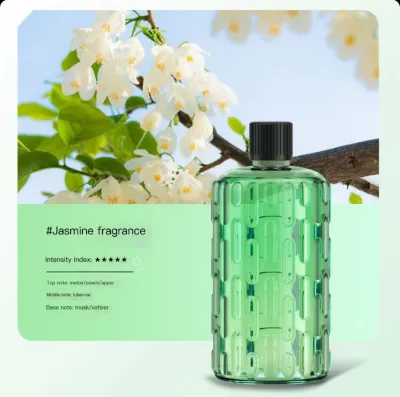
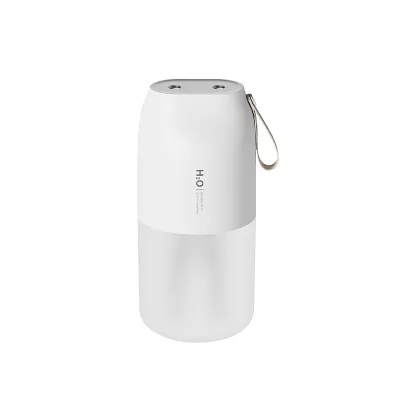
![[Local Seller] Automatic Wall Mount Aromatherapy Diffuser Fine Mist Essential Oil Fragrance 3 Modes USB Rechargeable Air Freshener](https://img.lazcdn.com/g/p/322c10f67dce2bce7ce42681c04ce8df.png_400x400q80.png_.webp)
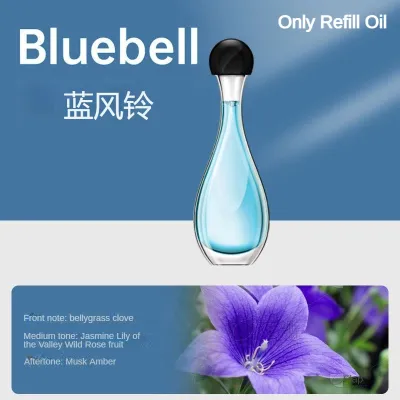
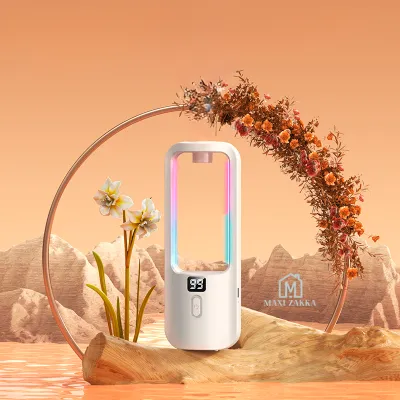
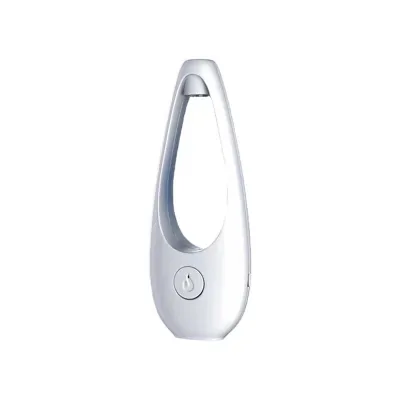
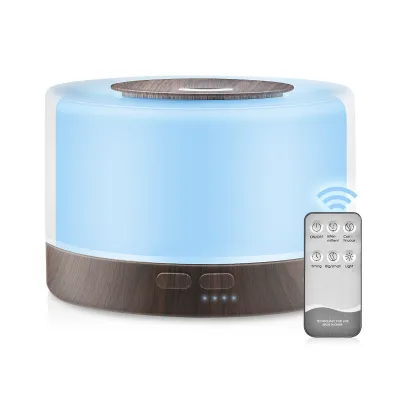
![[SG STOCK] 130ml Aromatic Ultrasonic Humidifier Stylish Design 7 Led Light Colors Electric Wood Grain Aroma Essential Oil Diffuser Air Humidifier](https://img.lazcdn.com/g/p/46d0379948d83ef0e61fd6801a607a93.jpg_400x400q80.jpg_.webp)
Prices are valid at publication and may change. Please refer to the product page for the latest price.
The charging standard is another vital convenience factor. Modern rechargeable diffusers increasingly adopt USB-C ports, which align with standard charging cables used for smartphones and laptops. This universal compatibility is highly advantageous, helping to minimize cable clutter in minimalist households. USB-C also supports faster charging speeds compared to older Micro-USB ports. Conversely, some brands still employ proprietary magnetic or barrel-jack connectors. While these proprietary designs can sometimes offer a sleeker look or easier docking, they present a major inconvenience if the cable is lost or damaged, often requiring an expensive replacement directly from the manufacturer.
Mist output technology also varies across models. Most rechargeable diffusers use ultrasonic technology, where a small ceramic plate vibrates at ultrasonic frequencies to turn water and essential oils into a fine cool mist. When comparing brands, look for the mist output rate, usually measured in milliliters per hour (ml/h). Rechargeable models generally feature lower output rates (typically 10 to 30 ml/h) compared to their mains-powered counterparts to conserve battery life. A higher mist output will scent a room more quickly but will deplete both the water tank and the battery faster. Adjustable volume settings are highly desirable, allowing you to toggle between low and high output depending on the size of the room and your personal sensitivity to fragrance.
How to Assess Build Quality and Material Safety
The longevity of an aroma diffuser is directly tied to the materials used in its construction. Pure essential oils, particularly citrus-based oils like lemon, orange, and bergamot, contain natural compounds that are highly corrosive to standard plastics. Cheap plastics such as ABS (acrylonitrile butadiene styrene) or polystyrene can quickly degrade, leading to clouding, cracking, and eventual leaking of the water tank. When evaluating different brands, verify that the internal water tank is constructed from polypropylene (PP), a highly chemical-resistant plastic that can withstand prolonged exposure to essential oils without degrading. For the outer shell, premium brands often use glass, ceramic, wood, or anodized aluminum, which not only feel more substantial but also resist staining and wear much better than plastic alternatives.

Seam integrity and sealing mechanisms are critical safety considerations, especially for a device designed to be moved around. Because rechargeable diffusers are frequently relocated from room to room, they are highly susceptible to accidental tips and spills. Inspect the connection between the upper cover and the base. A simple friction-fit lid, which relies solely on gravity and a loose rubber ring, is highly prone to spilling if knocked over. Look for models that feature secure screw-on lids, locking mechanisms, or robust silicone gaskets that create a watertight seal. This is particularly important if you plan to use the diffuser in a car cup holder or pack it in a travel bag.
Electrical safety must never be overlooked, particularly with devices that combine water and lithium-ion batteries. In Singapore, consumers should look for recognized safety certifications to ensure the device has undergone rigorous testing. While low-voltage USB-powered devices themselves may not always carry the local Safety Mark, any bundled USB wall adapter must display the Enterprise Singapore Safety Mark to guarantee it is safe for use with the local 230V electrical grid. Additionally, check the product specifications for international certifications such as CE, FCC, and RoHS. These marks indicate that the device incorporates essential safety features, including overcharge protection, short-circuit prevention, and thermal shutdown protocols to prevent the battery from overheating during operation or charging.
Matching Diffuser Features to Your Daily Scenarios
Choosing the right rechargeable diffuser requires matching its feature set to your specific daily routines and environments. For instance, if your primary goal is portability—such as moving the device between your office desk, dining table, and bathroom—an ultra-compact design with a smaller water tank (around 50ml to 100ml) is highly practical. These lightweight models are easy to carry and fit comfortably in small spaces. However, the trade-off is a shorter continuous run time, requiring more frequent refills. If you intend to use the diffuser on a bedside table for overnight relaxation, you will need a model with a larger water tank (at least 150ml to 200ml) and a battery capable of sustaining a low, intermittent mist mode for seven to eight hours.
For bedroom environments, noise levels and light control are paramount. Ultrasonic diffusers are generally quiet, but the hum of the internal fan and the dripping sound of water can still disrupt light sleepers. Look for brands that specify a noise level below 30 decibels (dB), which is equivalent to a soft whisper. Furthermore, many diffusers feature built-in LED lights to double as nightlights or ambient decor. While this is a pleasant feature, ensure the device allows you to turn the lights off completely while keeping the mist function active. Some lower-end models have bright, non-adjustable indicator lights or standby LEDs that remain illuminated while charging, which can easily disrupt a dark sleeping environment.
Safety and automation features are also essential for peace of mind, especially when operating the device unattended or while sleeping. An automatic shutoff feature is a critical requirement for any water-based diffuser. This sensor detects when the water level is too low and automatically cuts power to the ultrasonic plate, preventing dry-burning, which can damage the transducer and overheat the battery. Timer settings (such as 1-hour, 2-hour, or 5-hour intervals) are also highly beneficial. They allow you to control exactly how long the device operates, helping to conserve both your essential oils and battery life when you only need a brief burst of fragrance before sleeping or leaving the house.
Pre-Purchase Verification Checklist
Before finalizing your purchase of a rechargeable aroma diffuser, running through a quick verification checklist can save you from buyer’s remorse. First, confirm the warranty terms and after-sales support. Many generic models imported directly from overseas do not offer local warranty coverage, meaning you have little recourse if the battery fails after a few weeks. Opt for brands that provide a clear local Singapore warranty of at least six to twelve months, and verify that the retailer has a physical presence or an established customer service channel. Additionally, check if the brand sells replacement parts, such as extra charging cables, replacement silicone seals, or spare water tank lids, which can significantly extend the lifespan of your device.
Next, leverage user feedback on local e-commerce platforms to identify potential long-term issues. While product descriptions highlight the best features, customer reviews often reveal real-world drawbacks. Look specifically for comments regarding battery degradation over time; a battery that lasts eight hours out of the box but drops to two hours after a month of daily use indicates poor-quality lithium cells. Pay attention to reviews mentioning high-pitched motor noises, which can develop after a few weeks of use, or issues with water pooling around the base of the unit, which suggests a design flaw in the mist outlet or sealing ring.
Finally, verify the charging requirements and electrical compatibility. Ensure the diffuser can be charged using standard USB power sources, such as a laptop port, power bank, or standard phone charger. If the package includes a dedicated wall adapter, double-check that it is designed for Singapore’s standard 230V, 50Hz electrical supply and features a standard three-pin Type G plug. Using an uncertified or incompatible adapter can pose a serious fire hazard, especially when charging high-capacity lithium batteries.
Frequently Asked Questions (FAQ)
Can I use tap water in a rechargeable aroma diffuser?
While it is physically possible to use tap water, it is generally not recommended for long-term use. Tap water contains dissolved minerals, such as calcium and magnesium, which can gradually deposit on the delicate ultrasonic plate. Over time, this mineral buildup restricts the plate’s vibration, leading to reduced mist output and putting extra strain on the motor, which can cause the device to fail prematurely. For optimal performance and longevity, it is best to use distilled, demineralized, or filtered water. If you must use tap water, ensure you clean the water tank and the ultrasonic plate at least once a week using a soft cotton swab dipped in diluted white vinegar to dissolve any mineral crust.
How do I know if the battery is degrading?
Battery degradation in a rechargeable diffuser manifests through several clear, observable signs. The most common indicator is a significant reduction in runtime; if a fully charged battery that once lasted six hours now only powers the device for one or two hours, the lithium cells are losing their capacity. Other signs include the device shutting down unexpectedly even when the battery indicator shows a partial charge, or taking an unusually long time to reach a full charge. In severe cases, a failing battery may cause the plastic casing of the diffuser to warp or bulge. If you notice any physical swelling, stop using and charging the device immediately, as this poses a safety hazard. Dispose of the unit safely at a designated local e-waste recycling point and consult the manufacturer.

Community discussion
Share your experience or ask a question. Comments are reviewed before publication.