
Selecting the right rechargeable bedside lamp requires balancing battery capacity, light output, and physical durability rather than relying on brand names alone. Because these portable fixtures operate on internal batteries, their performance is a direct trade-off: higher brightness levels drain the battery faster, while lower, warmer ambient settings extend runtime. By evaluating key specifications like milliampere-hours (mAh), lumen ranges, and housing materials, you can identify a model that aligns with your nightly routines and space constraints.
Evaluating Battery Life and Charging Specifications
A lamp’s battery capacity is the foundation of its portability and convenience. A higher milliampere-hour (mAh) rating, such as 2000mAh or 4000mAh, indicates a larger energy reservoir, but actual runtime depends heavily on the power draw of the LED assembly. At maximum brightness, a lamp might only run for a few hours, whereas the lowest dimming level can often sustain the light for several days. When comparing brands, look for runtime specifications that explicitly state the corresponding brightness level rather than accepting a single, unqualified hourly claim.
Examine the charging interface and input requirements carefully before purchasing. Modern rechargeable lamps predominantly use USB-C ports, which offer faster power delivery and greater convenience than legacy micro-USB connectors. Check the manufacturer’s stated charging time, which typically ranges from two to five hours depending on the battery capacity and input current. Some models support pass-through charging, allowing you to use the lamp while it is plugged into a power source, though this can sometimes generate additional heat.
Products mentioned in this guide
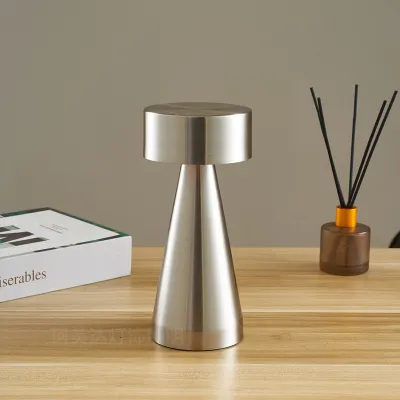
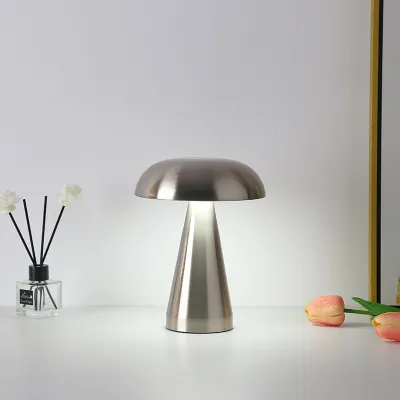
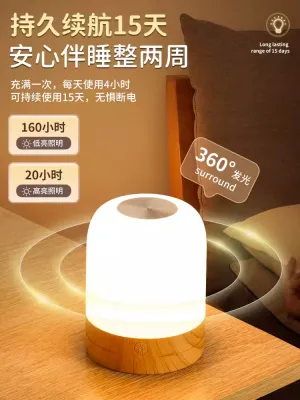
![[Metaverse] USB Charging Touch Bedroom Bedside Decorative Night Light Nordic Creative Ins LED Wireless Table Lamp](https://img.lazcdn.com/g/p/a5340303ba861631f47c592c4b71ce79.jpg_400x400q80.jpg_.webp)
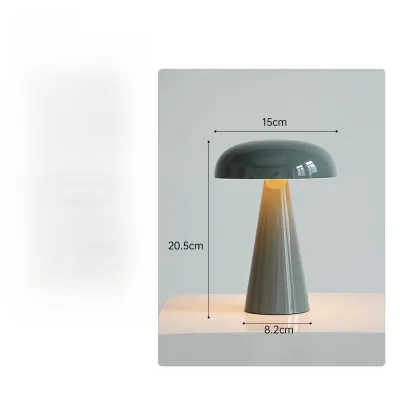
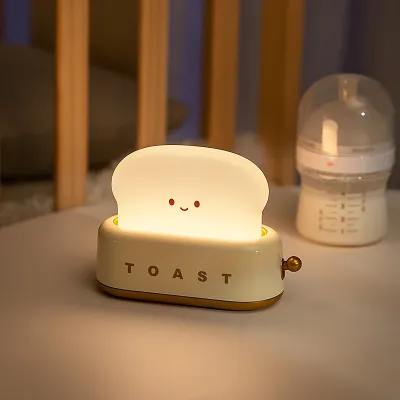

Prices are valid at publication and may change. Please refer to the product page for the latest price.
Investigate battery health indicators and long-term maintenance options. Look for lamps equipped with multi-stage LED indicators or color-changing status lights that signal when the battery is low, charging, or fully replenished. Because lithium-ion batteries degrade over time, review the manufacturer’s warranty terms regarding battery capacity retention. Most consumer bedside lamps feature sealed, non-replaceable batteries, meaning the lifespan of the battery ultimately determines the lifespan of the product, making a robust warranty particularly valuable.
Assessing Brightness and Light Quality for Bedside Use
Bedside lamps do not need the high lumen output of task lights or ceiling fixtures. A range of 50 to 300 lumens is generally sufficient for reading, while lower settings down to 2 to 5 lumens are ideal for nightlight use. Compare the dimming mechanisms offered by different brands; stepless dimming allows you to hold a touch sensor to adjust the light smoothly to any level, whereas preset steps (such as low, medium, and high) offer quick, predictable adjustments.

The color temperature of a bedside lamp significantly influences sleep hygiene and comfort. Warm light, typically measured between 2200K and 2700K, mimics the soft glow of a candle and minimizes blue light exposure, which helps support natural melatonin production before sleep. Conversely, cool white light above 4000K is better suited for daytime focus but can disrupt sleep patterns if used late at night. Many versatile models now feature adjustable color temperature controls, allowing you to switch between warm, neutral, and cool modes based on your immediate needs.
To protect your eyes during late-night reading, check product labels for flicker-free technology and glare-reduction features. Rapid, invisible flickering can cause eye strain, headaches, and fatigue over extended periods. Additionally, look for a high Color Rendering Index (CRI) rating, ideally CRI 80 or above, which ensures that colors appear natural and vibrant under the lamp’s light, making reading and navigating your room more comfortable.
Checking Build Quality and Physical Stability
A bedside lamp must remain stable, especially when you are reaching for it in the dark. Evaluate the base weight and overall footprint of the lamp; a weighted base lowers the center of gravity, reducing the risk of accidental tipping. Look for models equipped with silicone or rubber anti-slip pads on the bottom of the base, which provide grip on smooth wooden or glass nightstand surfaces and prevent scratches.
The choice of housing materials affects both the lamp’s durability and its heat dissipation. Anodized aluminum and metal alloys offer excellent structural integrity and naturally dissipate heat away from the internal LED driver and battery, though they may feel heavier. High-grade ABS plastic and silicone are lightweight, impact-resistant, and comfortable to touch, making them excellent choices for children’s bedrooms or portable use where drops are more likely.
Because rechargeable lamps contain lithium-ion batteries and internal charging circuitry, verifying electrical safety certifications is essential. In Singapore, look for adapters that carry the Safety Mark, and ensure the lamp itself complies with international standards such as CE, RoHS, or FCC. These certifications verify that the product has undergone testing for overcurrent protection, short-circuit prevention, and thermal management, ensuring the lamp remains cool to the touch even during prolonged operation.
Making the Final Decision: Value and Use-Case Matching
Choose a high-capacity, warm-light model if you prioritize uninterrupted reading sessions or live in an area prone to occasional power outages. A lamp with a battery capacity of 4000mAh or more and a dedicated warm-white mode will provide reliable, eye-friendly illumination for consecutive nights without needing a recharge. This profile is also ideal for those who prefer to keep their nightstands free of trailing power cords.
Choose a compact, multi-function model if your nightstand space is limited and you require versatile lighting options. Compact models often integrate additional features, such as flexible necks, hanging hooks, or magnetic mounts, allowing you to reposition the light as needed. These space-saving designs frequently utilize lightweight ABS plastic and offer multiple color modes, making them highly adaptable for ambient mood lighting or occasional travel.
Verify first if you require smart home integration, specific mobile application controls, or compatibility with external dimming systems. Most rechargeable bedside lamps operate via independent touch controls and are not designed to work with wall-mounted dimmers or smart plugs. If you plan to integrate the lamp into a broader home automation ecosystem, confirm that the model supports wireless protocols like Wi-Fi or Bluetooth before making a purchase.
Before finalizing your choice, always cross-check the manufacturer’s user manual or product specifications for exact thermal limits and charging boundaries. Operating or charging a lithium-battery device in environments that exceed recommended temperatures can accelerate battery degradation or pose safety risks. Ensuring that your intended usage matches the manufacturer’s guidelines will help maximize the performance and lifespan of your new bedside companion.
Frequently Asked Questions (FAQ)
Can I leave a rechargeable bedside lamp plugged in all the time?
Whether you can leave a rechargeable lamp constantly connected to a charger depends entirely on its internal circuitry. Many modern lamps feature built-in battery management systems (BMS) with overcharge protection, which automatically stops the flow of electricity once the battery reaches full capacity. However, keeping a lithium-ion battery continuously at 100% charge and exposed to constant voltage can accelerate its degradation over time. To preserve long-term battery health, manufacturers often recommend unplugging the device once fully charged, or using a timed smart plug to cycle the power.
How do I safely clean the touch controls on a bedside lamp?
To clean sensitive electronic touch panels and lamp surfaces safely, always begin by powering off the device and disconnecting it from any charging cables. Wipe the surface gently with a dry or slightly damp microfiber cloth; avoid using paper towels or abrasive sponges that could scratch the finish. Never spray cleaning solutions, alcohol, or water directly onto the lamp, as excess moisture can seep into the seams, touch sensors, or charging ports, potentially causing short circuits or permanent internal damage.

Community discussion
Share your experience or ask a question. Comments are reviewed before publication.