
Finding the ideal room freshener in Singapore requires balancing the tropical climate, typical home layouts, and personal sensitivities. There is no single brand that universally outperforms the rest. Instead, the right choice depends on your specific room size, ventilation patterns, and how sensitive you are to different fragrance formulations. By evaluating scent quality, longevity, and overall cost-effectiveness, you can find a product that keeps your living space smelling fresh without overwhelming your senses or your budget.
In Singapore’s unique residential landscape, where high-rise HDB flats and condominiums often feature a mix of naturally ventilated areas and tightly sealed, air-conditioned rooms, scent dispersion behaves differently than in cooler climates. High humidity can cause heavy, sweet scents to feel cloying, while constant air conditioning can dry out the air and accelerate the evaporation of lighter botanical notes. Understanding how different brands formulate their products will help you select a freshener that harmonizes with your home’s specific environment.
Key Criteria for Evaluating Room Freshener Brands
To make an objective comparison between the various room freshener brands available in Singapore, you must look beyond attractive packaging and marketing claims. A standardized set of metrics allows you to evaluate how a product will actually perform in your home. The first metric is the scent profile and throw. High-quality fragrances are structured like perfumes, featuring top, middle, and base notes. The top notes provide the immediate burst of fragrance, the middle notes form the core character of the scent, and the base notes provide the lingering foundation that stays in the room long after spraying.
Products mentioned in this guide
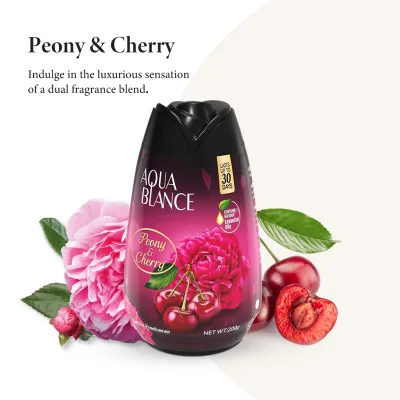
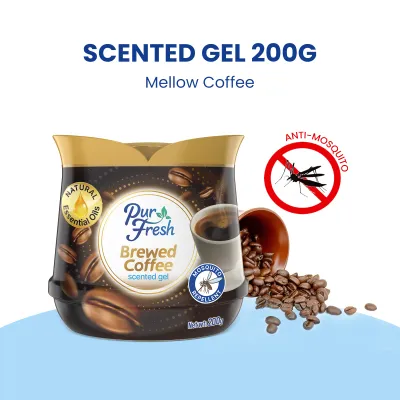
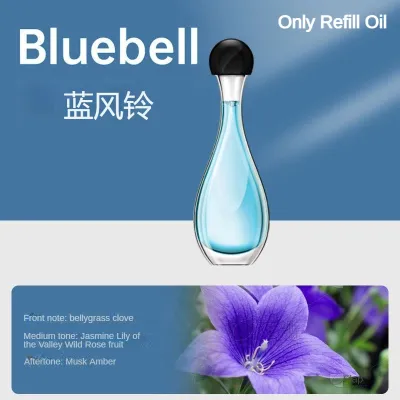
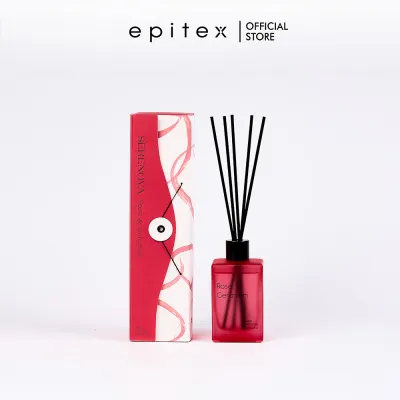
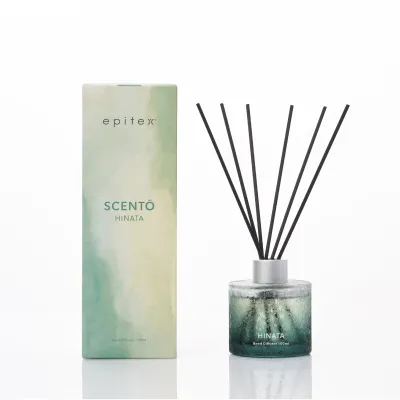
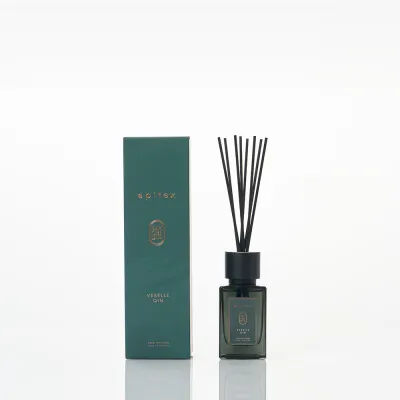
Prices are valid at publication and may change. Please refer to the product page for the latest price.
Another critical criterion is the formulation type. Room fresheners generally fall into three categories: pressurized aerosols, mechanical pump sprays, and continuous fine mists. Each type delivers a different droplet size, which directly affects how long the scent particles remain suspended in the air. Aerosols offer immediate, high-volume dispersion but often rely on chemical propellants, whereas pump sprays offer a more controlled, localized application.
Ingredient transparency and safety labels are increasingly important for modern households. When comparing brands, look for those that provide clear ingredient disclosures and adhere to international safety standards, such as the International Fragrance Association (IFRA) guidelines. Verifying manufacturer specifications for allergen-free, non-toxic, or pet-safe labels is essential if you share your home with young children, elderly relatives, or domestic pets.
Finally, evaluate the physical packaging and nozzle quality. A poorly designed nozzle can produce uneven, heavy droplets that fall directly to the floor, leaving slippery residues on your tiles or staining wooden furniture. A high-quality, engineered nozzle ensures a consistent, dry mist that floats effortlessly through the air, maximizing the coverage area of every single spray.
Comparing Scent Quality and Formulation Types
Scent quality is highly dependent on the raw materials used in the formulation. Mass-market brands often rely heavily on synthetic fragrance oils. While synthetic fragrances are highly stable, cost-effective, and capable of producing intense, long-lasting aromas, they can sometimes smell harsh or chemical, particularly in closed spaces. In contrast, premium or artisanal brands frequently incorporate naturally derived essential oils. These botanical formulations offer a more authentic, complex, and subtle scent profile, though they may be more sensitive to temperature fluctuations and carry a higher price point.

The delivery mechanism also plays a pivotal role in how you perceive the scent. Pressurized aerosols release extremely fine droplets under high pressure, creating an instant blanket of fragrance. This is highly effective for rapid odor neutralization, but the presence of chemical propellants can sometimes alter the initial scent profile, introducing a brief, medicinal undertone. Mechanical fine mist pump sprays, on the other hand, do not use propellants. They deliver a pure, unaltered fragrance, though the slightly larger droplet size means the mist may settle more quickly than an aerosol.
When browsing online marketplaces or retail shelves in Singapore, it is wise to check the product labels for alcohol content. Alcohol is commonly used as a solvent to help the fragrance evaporate and disperse. However, a formulation with excessively high alcohol content can cause an overpowering initial sting to the nose, masking the delicate middle and base notes of the fragrance.
To avoid buyer’s remorse, consider how you can test scent quality before committing to a full-sized purchase. Many boutique brands offer small travel sizes or sample vials ranging from 10ml to 15ml. Testing these smaller sizes in your own home environment is the most reliable way to observe how the fragrance interacts with your specific room humidity and airflow before investing in a standard 100ml or 200ml bottle.
Assessing Longevity and Scent Projection
Scent projection, often referred to as “scent throw,” describes how far a fragrance travels and how effectively it fills a room. In Singapore, the performance of a room freshener is heavily influenced by local architectural features and climate control habits. In a typical open-concept HDB living room with open windows and ceiling fans, the high rate of air exchange will rapidly carry scent particles out of the living space. In this scenario, a freshener with a strong projection and heavier base notes, such as amber, sandalwood, or patchouli, is necessary to maintain a noticeable presence.
Conversely, in a closed, air-conditioned bedroom or study, the air is recirculated and dehumidified. This environment traps scent particles, meaning a highly concentrated or heavy fragrance can quickly become overwhelming and cause sensory fatigue. For air-conditioned spaces, lighter formulations featuring citrus, green tea, or soft floral notes are preferable, as they provide a refreshing atmosphere without becoming oppressive over time.
When reading manufacturer guidelines on product packaging, it is important to interpret longevity claims with a degree of skepticism. A label claiming “up to 60 days of freshness” is typically based on laboratory testing conducted in sealed, draft-free rooms under constant temperatures, often using automated dispensers set to the lowest frequency. In a real-world Singaporean home, where doors are frequently opened and closed, and humidity levels fluctuate, the actual longevity of a single application will be significantly shorter.
To get an accurate estimate of a brand’s longevity, look at the concentration of fragrance oils rather than the total volume of the bottle. Formulations with a higher percentage of pure fragrance oils will naturally linger longer on surfaces and in the air, reducing the need for frequent reapplication and extending the overall lifespan of the bottle.
Evaluating Price and Value for Money
To determine which room freshener brands are truly worth buying, you must establish a framework for calculating their long-term value. Relying solely on the upfront retail price can be misleading. A budget-friendly spray that costs S$5 might seem like an excellent deal, but if the fragrance fades within minutes, you will find yourself spraying it constantly, depleting the bottle in a matter of weeks.
A more accurate metric is the price per milliliter (S$/ml). By dividing the retail price by the volume of the bottle, you can compare different brands on an equal footing. For example, a premium S$30 bottle containing 200ml of product (S$0.15/ml) may actually offer better value than a S$10 bottle containing only 50ml (S$0.20/ml), provided the scent quality and longevity meet your expectations.
Additionally, consider the nozzle output and the estimated number of sprays per bottle, which is often specified by reputable manufacturers. A highly engineered nozzle that releases a micro-fine mist will use less liquid per spray than a cheap, heavy-handed pump mechanism. This means a smaller, high-quality bottle can sometimes outlast a larger, poorly designed competitor.
Smart shoppers should also look for value-adding options that lower the cost of continuous use. Many environmentally conscious and premium brands now offer concentrated refill pouches or bottles. Purchasing a reusable glass spray bottle once and buying cheaper refills thereafter significantly reduces both plastic waste and your ongoing expenses. Multi-packs, bundle deals, and subscription discounts on major e-commerce platforms are also excellent ways to secure your favorite scents at a lower unit cost.
Decision Framework: Choosing the Right Brand for Your Space
To finalize your purchase decision, match the characteristics of different room freshener categories to the specific needs of your household. This structured approach ensures you select a product that delivers the right balance of performance, safety, and cost.
First, assess the primary function of the space. For high-traffic, high-humidity areas that are prone to sudden odors, such as kitchens and bathrooms, prioritize immediate odor masking and high-projection formulations. Strong aerosol sprays or high-output mechanical sprays featuring crisp, clean scent profiles like eucalyptus, lemongrass, or citrus are ideal for these environments, as they quickly cut through dampness and neutralize unpleasant smells.
Second, consider the comfort and safety of the occupants in low-traffic, closed spaces like bedrooms, home offices, or nurseries. If you have pets, infants, or family members with respiratory sensitivities, prioritize brands that focus on natural, plant-based ingredients and offer full fragrance disclosure. Opt for fine mist pump sprays with subtle, calming scent profiles like lavender, chamomile, or light wood notes. Always verify the product label to ensure there are no aerosol propellants or synthetic sensitizers that could trigger allergies.
Third, evaluate your budget and usage frequency. If you have a large, open-concept living area and prefer to spray frequently to maintain a continuous background aroma, look for budget-friendly bulk options or brands that offer cost-effective refill systems. This allows you to enjoy a consistently scented home without incurring high recurring costs.
Finally, before applying any room freshener, always check the manufacturer’s instructions for surface compatibility. Some formulations contain alcohol or natural oils that can damage polished wood, acrylics, or delicate fabrics. If you plan to spray near furniture or curtains, look for brands that explicitly state their products are non-staining, and always perform a small patch test on an inconspicuous area first.
Frequently Asked Questions (FAQ)
Are room fresheners safe to use around pets and infants?
The safety of a room freshener depends entirely on its specific chemical composition and concentration. Many conventional room fresheners contain volatile organic compounds, synthetic propellants, or specific essential oils (such as tea tree, eucalyptus, or citrus) that can be toxic to domestic pets, particularly cats and dogs, if inhaled or ingested in high quantities. Infants also have highly sensitive respiratory systems that can be easily irritated by strong synthetic perfumes. To ensure safety, always read the manufacturer’s label for explicit pet-safe or baby-safe certifications. If you are uncertain about a specific ingredient, consult your veterinarian or pediatrician, and always ensure the room is well-ventilated during and after spraying.
How can I make my room freshener scent last longer?
To maximize the longevity of your room freshener without overusing the product, focus on where and how you apply it. Instead of spraying directly into the middle of a highly ventilated room where the mist will quickly disperse, try spraying the freshener onto soft, porous household fabrics such as curtains, rugs, or fabric sofa covers. The fibers will absorb the liquid and slowly release the scent over a much longer period. Before doing this, always check the product label for surface-staining warnings and test a small, hidden area of the fabric first. Additionally, manage your room’s airflow by closing windows slightly or turning down ceiling fans immediately after spraying to prevent the fragrance from being swept away too quickly.

Community discussion
Share your experience or ask a question. Comments are reviewed before publication.