
Evaluating solar fairy lights requires looking past creative marketing terms and focusing on verifiable technical specifications. Because independent, standardized testing across all retail brands is rare, your best tool for finding a reliable set of lights is a close reading of the manufacturer’s specification sheet. By understanding how to compare lumens, battery capacities, and Ingress Protection (IP) ratings, you can easily identify which models will withstand the elements and provide consistent illumination.
To make an informed purchase, you must evaluate three core performance pillars: brightness output, overnight runtime, and weather resistance. Balancing these three factors ensures that your lights will not only look beautiful on the first night but will also continue to perform through changing seasons and heavy downpours.
Comparing Brightness: Lumens, LED Count, and Color Temperature
When shopping for solar fairy lights, a common misconception is that a higher number of LEDs automatically translates to a brighter display. In reality, total brightness is determined by the power delivered to each individual diode and the efficiency of those diodes. A string of 200 low-quality LEDs may emit a dim, barely visible glow, while a high-efficiency string of 100 LEDs can light up an entire patio area.
Products mentioned in this guide
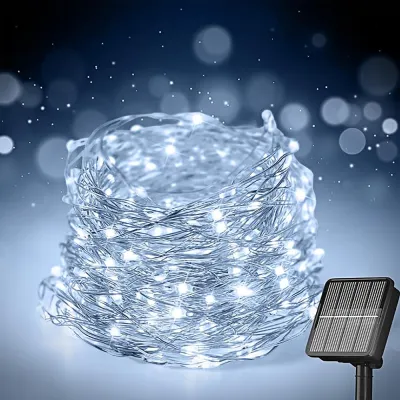
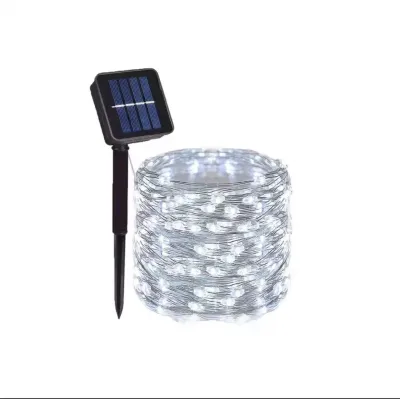
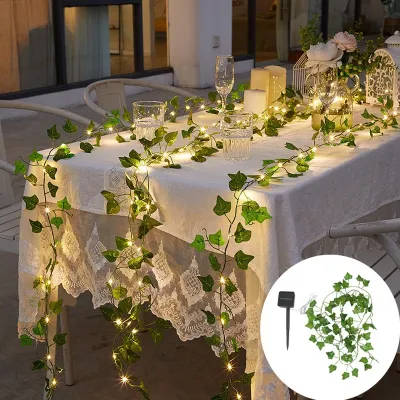
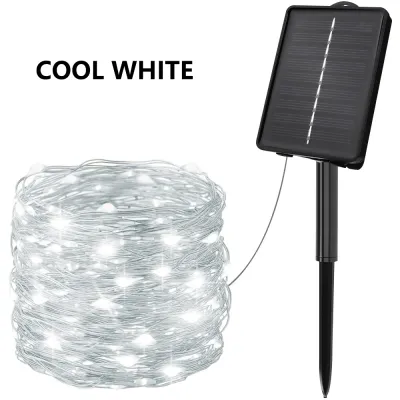
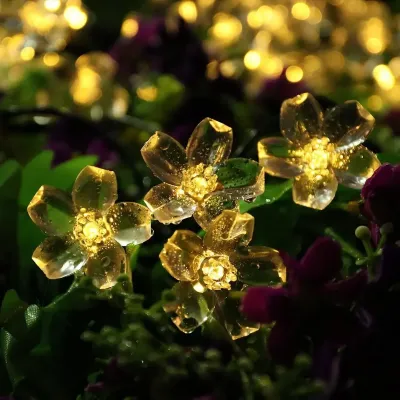
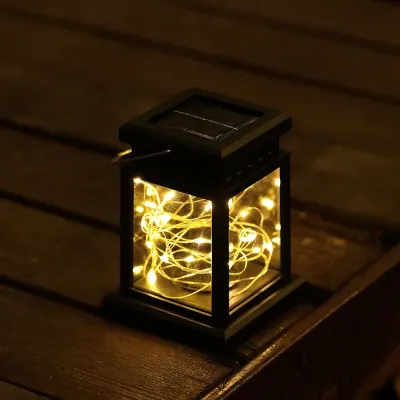
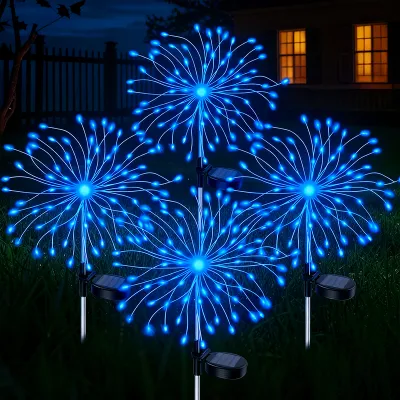
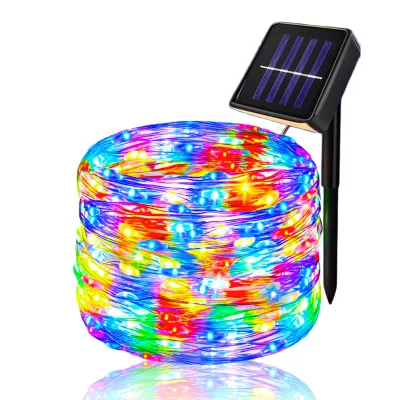
Prices are valid at publication and may change. Please refer to the product page for the latest price.
Understanding Lumens vs. LED Count
To determine actual brightness, look for the lumen rating on the product packaging or manual. Lumens measure the total amount of visible light emitted by a source. For decorative accent lighting, individual fairy light bulbs typically output between 1 to 5 lumens each. If a brand does not list the total lumen output for the entire string, it is often an indication of lower-quality components designed for minimal light output.
Color Temperature and Visual Ambiance
Color temperature, measured in Kelvin (K), heavily influences both the perceived brightness and the overall mood of your outdoor space.
- Warm White (2700K to 3000K): This range produces a soft, golden glow similar to traditional incandescent bulbs. While warm white light is highly popular for creating a cozy, relaxing atmosphere on balconies and patios, it is perceived by the human eye as slightly softer and less intense than cooler temperatures.
- Cool White (5000K to 6500K): This range emits a crisp, bluish-white light. Cool white LEDs appear significantly brighter to the eye under the same lumen output, making them excellent for high-visibility accents or security lighting, though they can sometimes feel clinical if overused.
Always check the manufacturer’s specifications for the exact Kelvin rating rather than relying on generic color descriptions, as “warm white” can vary dramatically between different brands.
Evaluating Battery Life and Solar Charging Efficiency
The reliability of your solar fairy lights depends entirely on the relationship between the storage capacity of the battery and the generation capability of the solar panel. A large battery is of little use if the solar panel is too small to charge it fully during the day, and a high-wattage panel is wasted if the battery cannot store enough energy to last through the night.

Battery Capacity and Chemistry
Most solar fairy lights utilize one of two primary battery chemistries, which you can verify by checking the product specifications:
- Nickel-Metal Hydride (Ni-MH): Commonly found in budget-friendly models, these batteries usually operate at 1.2V with capacities ranging from 600mAh to 1200mAh. They are reliable but have a lower energy density and a shorter overall lifespan compared to modern alternatives.
- Lithium-ion (Li-ion) or Lithium Iron Phosphate (LiFePO4): Typically found in premium models, these batteries operate at 3.2V or 3.7V with capacities often exceeding 1200mAh to 2200mAh. They charge faster, hold more energy, and maintain a stable voltage output, ensuring your lights remain bright until the battery is fully depleted.
Solar Panel Efficiency and Placement
The solar panel is the engine of your lighting system. Panels are generally classified into two types: monocrystalline and polycrystalline. Monocrystalline panels are more efficient, meaning they can generate more electricity in a smaller footprint and perform better on overcast or hazy days. Polycrystalline panels are less expensive but require more surface area and direct sunlight to achieve the same output.
In tropical environments like Singapore, where sudden cloud cover and monsoon seasons can limit direct sunlight, choosing a monocrystalline panel with a higher wattage rating (typically 1W to 2W or more) is crucial. Furthermore, physical placement is key. The solar panel must be positioned where it receives at least 6 to 8 hours of unshaded, direct sunlight daily. Placing a panel under a roof overhang, behind dense foliage, or behind tinted balcony glass will drastically reduce its charging efficiency, resulting in a runtime of only one or two hours at night.
Verifying Weatherproofing and Outdoor Durability
Outdoor lighting must endure constant exposure to moisture, dust, wind, and ultraviolet (UV) radiation. To ensure your solar fairy lights survive these conditions without short-circuiting or degrading, you must verify their construction materials and Ingress Protection (IP) ratings.
Decoding IP Ratings
The IP rating consists of two digits that indicate the level of protection against solids and liquids.
- The First Digit (0 to 6): Indicates protection against solid objects and dust. A rating of 5 or 6 means the enclosure is highly resistant to dust ingress.
- The Second Digit (0 to 9): Indicates protection against water. For outdoor use, look for at least a 4 (protection against splashing water) or a 5 (protection against water jets).
For general outdoor use, an IP44 rating is acceptable for semi-sheltered areas like covered balconies. However, for fully exposed garden areas, rooftops, or fences that face heavy tropical downpours, look for a minimum rating of IP65 or IP67. Be sure to verify whether the IP rating applies to both the light string and the solar panel controller box, as some brands use highly waterproof strings but house the battery in a poorly sealed controller box.
Material Durability and UV Resistance
The physical materials used in the construction of the lights dictate their long-term durability. Thin, bare copper wire strings are highly flexible and nearly invisible during the day, but they are susceptible to snapping under physical tension or oxidizing when exposed to constant moisture. For permanent outdoor installations, look for strings with insulated plastic coatings or heavy-duty rubberized cables. Additionally, ensure the solar panel housing is made from UV-stabilized plastics or glass, as standard plastics will quickly become brittle, yellow, and crack under intense daily sunlight.
Specification Comparison Checklist for Shoppers
When comparing different models on ecommerce platforms or in home improvement stores, use this structured framework to evaluate their technical specifications side-by-side:
| Specification | Entry-Level / Decorative | Mid-Range / Balanced | Premium / Heavy-Duty | What to Verify |
|---|---|---|---|---|
| Lumen Output | Unlisted or < 50 lm | 50 to 150 lm | 150 to 300+ lm | Check the total string lumens, not just individual bulb estimates. |
| Battery Capacity | 600mAh (Ni-MH) | 1200mAh (Ni-MH or Li-ion) | 2000mAh+ (Li-ion) | Look for battery chemistry and voltage on the spec sheet. |
| IP Rating | IP44 | IP65 | IP67 | Ensure the rating covers both the controller box and the wire string. |
| Panel Type | Polycrystalline (< 0.5W) | Monocrystalline (0.5W – 1W) | Monocrystalline (1.5W+) | Verify panel wattage and material (glass vs. plastic). |
How to Spot Red Flags
When browsing online marketplaces, be skeptical of listings that make grand claims without supporting data. Red flags include:
- Unrealistic Runtimes: Claims of "24-hour continuous runtime" on a small 600mAh battery are physically impossible under standard power draw.
- Missing IP Ratings: If a product is advertised as "waterproof" but does not explicitly state an IP rating (such as IP65), it has likely not undergone standardized ingress testing.
- Lack of Certification Marks: Look for recognized safety and quality certifications on the packaging to ensure the internal charging circuitry is safe and stable.
Decision Framework: Which Specifications Fit Your Needs?
To finalize your choice, match the technical specifications of the solar fairy lights to the specific physical conditions of your installation site.
Exposed Outdoor Gardens and Rooftops
If you are installing lights in an open garden, along a fence line, or on an exposed rooftop, your primary concern is weather durability and charging power.
- Recommended Specs: Choose a model with an IP65 or IP67 rating, a monocrystalline solar panel rated at 1.5W or higher, and a Li-ion battery of at least 1200mAh.
- Installation Tip: Secure the solar panel stake firmly in the ground or mount it to a wall where it has an unobstructed view of the sky. Ensure the heavy-duty rubberized cabling is secured with UV-rated zip ties to prevent wind damage.
Sheltered Balconies and Covered Patios
For semi-sheltered spaces that receive partial protection from the wind and rain, you can prioritize aesthetics and ambient light quality over extreme weatherproofing.
- Recommended Specs: An IP44 rating is generally sufficient for these areas. You can opt for delicate, thin copper wire strings that blend seamlessly into your decor, paired with a warm white color temperature (2700K) to create a cozy atmosphere.
- Installation Tip: Because balconies often have deep shadows from overhead ceilings, check the length of the lead wire (the unlit wire between the solar panel and the first LED bulb). Ensure it is long enough to allow you to place the solar panel outside the roofline in direct sunlight while keeping the decorative lights inside the sheltered seating area.

Community discussion
Share your experience or ask a question. Comments are reviewed before publication.