
Finding the right study table lamp in Singapore involves balancing eye comfort, physical durability, and budget constraints. With students spending long hours reading, writing, and typing, a reliable light source is essential to minimize eye strain and maintain focus. Rather than searching for a single universal winner, the most effective approach is to evaluate how different brands perform against standardized metrics. By understanding what to look for in terms of certifications, build quality, and adjustability, you can select a lamp that fits your specific study environment and budget.
In Singapore’s compact study spaces, desk real estate is often limited, making the footprint and stability of a lamp critical considerations. Furthermore, the local climate and housing setups mean that study areas may rely on a mix of natural daylight, overhead fluorescent lighting, and dedicated task lights. Evaluating brands based on their technical specifications and physical construction ensures that your investment provides long-term value and protects your visual health.
Key Criteria for Evaluating Student Study Lamps
To objectively compare study lamp brands, you must look past marketing buzzwords and focus on verifiable technical specifications. The first and most critical category is eye comfort, which is determined by several measurable metrics. When reviewing product packaging or online specifications, look for explicit mentions of flicker-free operation. Invisible high-frequency flickering can cause headaches and eye fatigue over extended study sessions, making certified flicker-free technology a non-negotiable feature for student lamps.
Products mentioned in this guide
![[SG Seller]LED Touch Dimming/ Eye Protection LED Desk Lamp USB Plug-in Foldable Desk Lamp Touch Study Lamp](https://img.lazcdn.com/g/p/d62f490334af1dd6f64ea94ec64a7c03.png_400x400q80.png_.webp)
![[SG Local Stock] 2000mAh LED Table Lamp Study Foldable Desk Light Bedroom Bedside Touch Control Dimmable USB Rechargeable 台灯 CNY Gift Present](https://img.lazcdn.com/g/p/254b9aa79170e7ac80d5ab37505c1212.jpg_400x400q80.jpg_.webp)
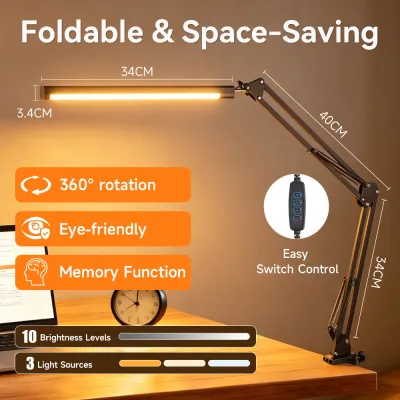
Prices are valid at publication and may change. Please refer to the product page for the latest price.
Another vital metric is the Color Rendering Index (CRI), which measures how accurately a light source reveals the true colors of objects compared to natural daylight. For studying, reading, and especially design or art projects, a CRI of Ra 90 or higher is highly recommended. Additionally, adjustable color temperature—measured in Kelvin (K)—allows students to switch between cool white light for high-focus tasks and warm white light for relaxed evening reading.
Build quality is the second pillar of evaluation, directly impacting the lamp’s longevity and usability. A high-quality study lamp should feature robust joints and hinges that maintain their position over time without drooping. The base must be heavy enough to anchor the lamp securely, especially if the arm has a long reach or is frequently adjusted. Inspecting the materials used, such as anodized aluminum versus lightweight plastics, provides a clear indication of whether a brand’s product can withstand daily adjustments.
Finally, assessing overall value requires looking beyond the initial purchase price. A cheaper lamp that requires frequent replacement or lacks a warranty may cost more in the long run than a mid-range model with a multi-year warranty. Consider whether the brand offers replaceable parts or if the entire unit must be discarded if the LED panel fails. Balancing these factors helps you determine the true cost of ownership over a student’s academic years.
Comparing Eye-Care Technologies Across Popular Brands
When comparing eye-care technologies across different brands, it is important to verify manufacturer claims against independent certifications. Look for recognized safety and performance standards, such as the IEC (International Electrotechnical Commission) standards for photobiological safety, which ensure the light does not emit harmful levels of blue light or UV radiation. Brands that invest in third-party testing will typically display these certifications clearly on their product documentation or official websites.

Brightness adjustability is another area where brands differ significantly. While basic models offer simple step-dimming (such as low, medium, and high settings), more advanced options provide continuous dimming, allowing you to fine-tune the lux levels to your exact preference. The lux level, which measures the intensity of light hitting your desk surface, should ideally be adjustable between 500 and 1000 lux for detailed reading and writing tasks.
Some mid-range and premium brands feature auto-dimming ambient sensors that automatically adjust the lamp’s brightness based on the surrounding room light. This technology is particularly useful for students who study from afternoon into the late evening, as the lamp compensates for fading natural light without requiring manual intervention. However, if you prefer consistent, unchanging illumination, manual controls with memory functions that remember your last setting may be more practical.
Blue-light filtering has become a prominent marketing point for modern study lamps. While standard warm-white settings naturally emit less blue light than cool-white settings, some brands incorporate specialized optical diffusers or specific LED chips designed to minimize blue-light spikes. These modes are highly beneficial for late-night study sessions, as reducing blue-light exposure before bed helps maintain healthy sleep cycles. When comparing brands, check if these eye-care modes are easily accessible via dedicated buttons or smart controls.
Assessing Build Quality and Ergonomic Adjustability
The physical design of a study lamp determines how effectively it can direct light onto your workspace without causing direct or indirect glare. High-quality brands design their lamps with multiple points of articulation, typically at the base, the middle joint, and the lamp head. This multi-axis adjustability allows you to position the light source parallel to your desk, minimizing shadows cast by your hands or writing utensils.
Hinge tension is a critical indicator of long-term durability. In lower-quality models, friction-based joints can wear down quickly, causing the lamp head to sag or droop over time. Look for brands that use spring-loaded tension systems or adjustable counterbalances, which provide smooth movement and hold their position reliably. If possible, test the physical movement or read user reviews focusing on joint stability after months of regular use.
Base stability is equally important, particularly on cluttered student desks where space is at a premium. A well-designed lamp will have a weighted base that prevents tipping even when the arm is fully extended. Alternatively, some brands offer space-saving mounting options, such as desk clamps or grommet mounts, which secure the lamp directly to the edge of the table. This is an excellent option for smaller study desks commonly found in Singapore apartments, as it frees up valuable surface area.
Material selection plays a major role in wear resistance. While high-grade plastics can be durable, they are more prone to degradation and cracking over time when exposed to the heat generated by the lamp’s internal electronics. Aluminum and steel components not only offer superior structural integrity but also act as effective heat sinks, drawing heat away from the LEDs to prolong their operational lifespan. When comparing budget and mid-range brands, pay close attention to where plastic is used in high-stress areas like hinges and mounting brackets.
Price Tiers and Value Expectations in the Local Market
Understanding the local price landscape helps you set realistic expectations and identify which features are worth paying a premium for. In Singapore, study lamps generally fall into three distinct price tiers, each offering a different balance of features and build quality.
The entry-level tier typically ranges from S$20 to S$50. At this price point, you can expect basic manual adjustability, standard plastic construction, and essential flicker-free compliance. While these lamps provide adequate illumination for occasional reading, they often lack advanced features like high CRI ratings, auto-dimming sensors, or robust metal joints. They are best suited for students on a tight budget or those who only require supplementary lighting for short periods.
The mid-range tier, spanning from S$50 to S$150, represents the sweet spot for most students. Lamps in this category usually feature enhanced CRI ratings (Ra 90 or higher), multiple color temperature presets, and sturdier construction incorporating metal elements. You will also find useful additions like USB charging ports, basic timers, and more sophisticated optical diffusers that distribute light more evenly across the desk surface.
The premium tier, priced above S$150, offers cutting-edge technology and exceptional build quality. These lamps often include smart app integration, advanced auto-dimming sensors that adapt to ambient light in real-time, and highly adjustable, counterbalanced arms made of premium materials. They also tend to come with longer warranties, sometimes extending up to five years, reflecting the manufacturer’s confidence in the product’s durability.
To verify current pricing, bundle deals, and official stock, always consult the brand’s official website or authorized storefronts on major e-commerce platforms. Be cautious of parallel imports that may not carry local warranties or the necessary safety certifications for use in Singapore.
Decision Framework: Matching Brands to Student Needs
Choosing the right study lamp brand ultimately depends on matching specific product features to your daily study habits and physical workspace. If you are a student who undergoes intense, multi-hour study sessions that stretch from day to night, prioritize brands that offer high CRI ratings and reliable auto-dimming ambient sensors. These features ensure that your eyes do not have to constantly adjust to changing light levels, reducing fatigue and maintaining focus.
For shared study spaces or desks used by multiple family members, look for brands that emphasize ergonomic adjustability and physical robustness. A lamp with a multi-axis arm and a heavy, stable base can be easily repositioned to accommodate different heights, seating postures, and tasks—whether reading a textbook, drawing, or working on a laptop. In these scenarios, investing in a mid-range or premium model with durable metal joints is highly beneficial.
If your study lamp is primarily intended for occasional reading, supplementary lighting, or secondary tasks, a budget-friendly brand with basic flicker-free certification may be entirely sufficient. You do not need to pay a premium for smart features or advanced sensors if the lamp will only be used for short intervals. Focus instead on finding a compact model with a small footprint that fits easily onto your desk without causing clutter.
Before finalizing any purchase, always verify the electrical specifications of the lamp. Ensure that the operating voltage matches Singapore’s standard 230V supply and that the plug type is compatible with local outlets without requiring unsafe adapters. Checking for official safety marks on the product or packaging is a crucial final step to guarantee that the appliance has been tested and approved for safe domestic use.
Frequently Asked Questions (FAQ)
How far should a study table lamp be placed from the reading material?
For optimal ergonomics and eye comfort, a study table lamp should generally be positioned so that the light source is about 30 to 50 centimeters above the desk surface. The lamp head should be angled slightly away from your eyes to prevent direct glare, and positioned on the opposite side of your writing hand (on the left if you are right-handed) to minimize shadows. If you are using a computer screen alongside physical books, adjust the lamp height and angle so that the light illuminates your reading material without reflecting off the monitor screen, which can cause distracting glare and eye strain.
Do study lamps need specific electrical safety certifications in Singapore?
Yes, study lamps sold in Singapore must comply with local electrical safety regulations. As controlled goods, these appliances require a valid SAFETY Mark issued by the Enterprise Singapore safety authority. This mark, which features a distinctive logo and a unique certification number, indicates that the product has been tested and certified to meet the necessary safety standards for domestic use. Before purchasing, especially from online marketplaces, verify that the safety label is present on the product itself, its packaging, or the retailer’s official product listing to ensure safe operation in your home.

Community discussion
Share your experience or ask a question. Comments are reviewed before publication.