
Finding the best value table lamp brand for study and work in Singapore requires looking past marketing buzzwords and focusing on verifiable specifications. True value is not simply the lowest price tag; it is the intersection of visual comfort, physical adaptability, and electrical safety that matches your specific daily workflow. Because a high-quality desk light directly impacts eye health and productivity, understanding how to evaluate and compare different brands based on their technical merits is the most reliable way to make an informed purchase.
Rather than relying on subjective reviews or brand popularity, consumers can make objective comparisons by analyzing key performance indicators. From light distribution patterns to structural materials and local safety compliance, a systematic evaluation ensures that your chosen lamp will provide comfortable, flicker-free illumination for years to come.
Essential Lighting Specs to Compare Across Brands
When comparing table lamp brands, the primary focus must be on the quality of light produced. Luminous flux, measured in lumens, indicates the total light output of the lamp, but for study and work, the more critical metric is illuminance, measured in lux. Illuminance defines how much light actually reaches your desk surface. A high-quality study lamp should deliver between 300 and 500 lux over your primary working area. Furthermore, look for brands that publish light distribution maps showing high uniformity; a lamp that creates a harsh, bright hotspot surrounded by deep shadows forces your pupils to constantly adjust, leading to rapid eye strain.
Products mentioned in this guide
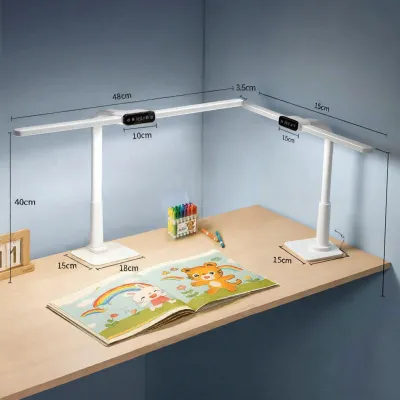
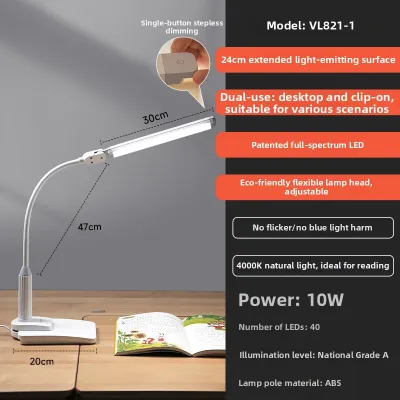
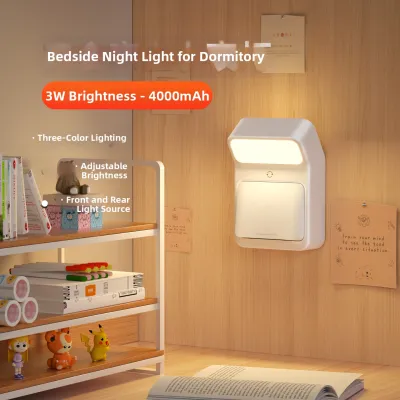
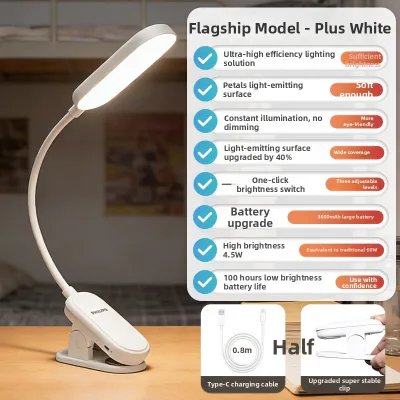
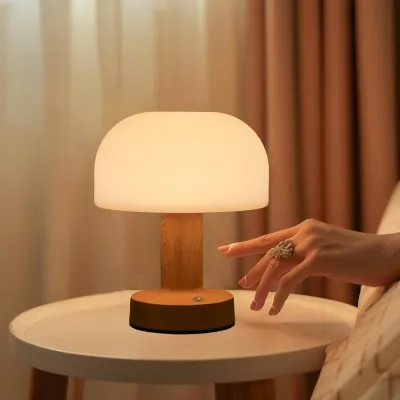
![[SG Local Stock] 2000mAh LED Table Lamp Study Foldable Desk Light Bedroom Bedside Touch Control Dimmable USB Rechargeable 台灯 CNY Gift Present](https://img.lazcdn.com/g/p/254b9aa79170e7ac80d5ab37505c1212.jpg_400x400q80.jpg_.webp)
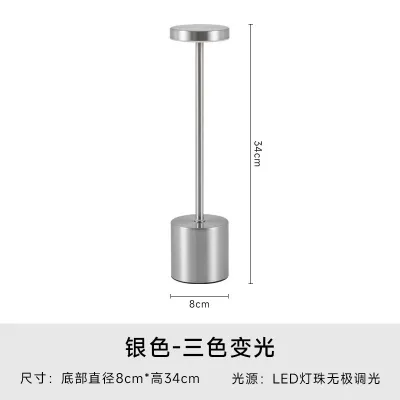
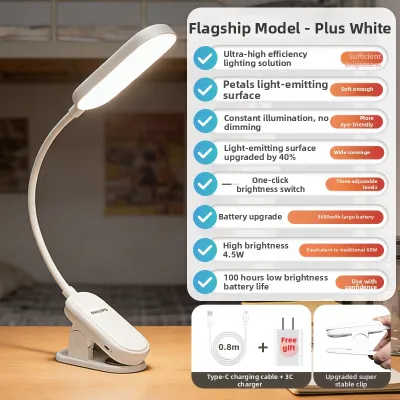
Prices are valid at publication and may change. Please refer to the product page for the latest price.
Color rendering and temperature are equally vital for visual comfort. The Color Rendering Index (CRI, or Ra) measures how accurately a light source reveals the true colors of objects compared to natural sunlight. For reading, writing, and any color-sensitive work, prioritize brands that offer a CRI of Ra 90 or higher. Additionally, look for adjustable color temperature settings measured in Kelvin (K). A versatile lamp should offer a range from warm white (around 2700K to 3000K) for relaxing or late-night reading, to cool white (5000K to 6500K) for high-focus analytical tasks. Brands that provide seamless transition or multiple preset modes offer significantly better value for multi-purpose workspaces.
Finally, eye protection technologies must be verified. High-frequency flicker, even when invisible to the naked eye, can cause headaches and fatigue over prolonged periods. Reputable brands often seek independent certifications, such as the IEEE 1789 standard for flicker-free performance, or photobiological safety certifications (like IEC/EN 62471) that guarantee low blue light emissions. Glare control is another differentiator; look for brands that utilize asymmetrical optical designs or physical diffusion panels. Asymmetrical lighting directs light at an angle across your desk rather than spraying it in all directions, preventing annoying reflections on computer screens and glossy paper.
Evaluating Build Quality and Desk Ergonomics
A lamp with excellent light quality can still be frustrating to use if its physical construction is lacking. When comparing brands, examine the articulation of the arm and the design of the joints. High-value models feature multi-axis rotation, allowing you to adjust the height, tilt, and angle of the light source precisely. Pay close attention to the joint mechanisms; friction-based joints or exposed springs should feel firm and hold their position without drooping over time. Brands that use adjustable tension screws allow you to tighten the joints manually if they loosen after years of use.

Material selection directly impacts both durability and performance. While budget-friendly brands rely heavily on lightweight plastics, mid-range and premium brands incorporate aluminum alloys or steel in their arms and lamp heads. Metal construction is not just about a premium feel; it plays a crucial role in heat dissipation. LEDs generate heat at their junctions, and if this heat is not dissipated efficiently, the LED chips will degrade rapidly, leading to a loss of brightness and shifting color temperatures. An aluminum lamp head acts as a heat sink, significantly extending the operational lifespan of the light source.
Workspace integration is the final ergonomic consideration. Singaporean study desks, particularly in compact home offices or HDB flats, often have limited surface area. A heavy, wide base provides excellent stability and prevents the lamp from tipping when the arm is fully extended, but it occupies valuable desk real estate. Compare brands that offer alternative mounting options, such as heavy-duty desk clamps or grommet mounts. A clamp-on lamp attaches securely to the edge of your desk, freeing up the entire surface for your laptop, books, and writing materials.
Balancing Upfront Price With Long-Term Value
To determine which brand offers the best value, it helps to categorize the market into distinct price brackets and evaluate what features are standard within each tier.
In the budget bracket (typically under S$50), expect basic plastic construction, simple on/off switches, and fixed color temperatures. Value in this segment is defined by basic electrical reliability and a stable light output.
In the mid-range bracket (S$50 to S$150), brands offer a substantial step up in value, featuring aluminum components, touch-sensitive dimming, multiple color temperature presets, and improved glare control. This bracket generally represents the sweet spot for most students and professionals seeking long-term reliability without a premium price tag.
In the premium bracket (above S$150), brands justify their cost through advanced engineering. Features in this tier include automatic ambient light sensors that adjust the lamp’s brightness dynamically throughout the day, highly sophisticated asymmetrical optical lenses, and smart home integration. If your work involves long hours of screen-based tasks, the advanced glare reduction and automated eye-care features of a premium model can represent excellent value over time, despite the higher initial investment.
Because modern table lamps utilize integrated LED chips rather than user-replaceable bulbs, the lifespan of the lamp is tied directly to the lifespan of the fixture itself. This makes the manufacturer’s warranty a critical component of the value equation. A brand offering a comprehensive two-year or three-year local warranty provides far better long-term value than a cheaper brand with only a seven-day exchange policy. Additionally, verify whether the brand has an established local distributor or customer service presence in Singapore to handle potential warranty claims or replacement parts smoothly.
Decision Framework: Matching Lamp Specs to Your Workflow
To choose the right table lamp profile, map your daily habits and workspace constraints against the technical specifications discussed.
If your daily routine involves a mix of screen work and paper-based reading, prioritize a lamp with an asymmetrical light path and adjustable color temperatures. Set the lamp to a cooler temperature (around 4000K to 5000K) and position the head so the light sweeps across your keyboard and documents without reflecting off your monitor screen. Look for brands that offer high-CRI ratings to ensure text is sharp and highly legible.
If your workspace is highly restricted or you frequently move your setup, a compact lamp with a sturdy desk clamp is the most practical choice. In this scenario, look for models with a slim, folding arm design that can be tucked away when not in use. If your tasks are uniform—such as purely typing or purely reading—you can save money by opting for a model with a fixed, neutral color temperature (around 4000K) rather than paying extra for a wide Kelvin range.
Finally, safety and compatibility must never be compromised. When purchasing a table lamp in Singapore, always verify that the product is designed for a 230V, 50Hz electrical supply. If you are buying from international brands or online marketplaces, ensure the power adapter is certified and comes with a standard Type G three-pin plug. Avoid using flimsy travel adapters for daily-use appliances, as poor contact can lead to overheating and pose a fire hazard.
Frequently Asked Questions (FAQ)
Do I need a specialized study lamp or will any desk light work?
While any desk light will provide illumination, a specialized study lamp is engineered specifically to reduce eye strain during prolonged close-up work. Standard decorative desk lamps often cast uneven light, create harsh glare on screens or paper, and may exhibit high-frequency flicker that causes headaches. Specialized study lamps feature advanced diffusion panels, adjustable arms to direct light precisely, and customizable brightness and color temperature settings to support your focus and protect your vision.
How do I verify electrical safety for table lamps in Singapore?
To ensure electrical safety, check that the table lamp or its power adapter carries the local SAFETY Mark, which indicates the product has been tested and certified to meet safety standards. Verify that the lamp is rated for Singapore’s standard voltage of 230V at 50Hz. Additionally, the lamp should be equipped with a standard Type G three-pin plug that fits securely into local wall sockets without the need for temporary adapters, minimizing the risk of short circuits or electrical faults.

Community discussion
Share your experience or ask a question. Comments are reviewed before publication.