
Quick Answer: Navigating Table Light Brands for Eye Protection
When searching for a table light that protects your eyes during long study sessions, there is no single brand that universally outperforms the rest. Instead, finding the right lamp depends entirely on verifying specific optical specifications rather than relying on marketing labels. For extended study sessions, the primary factors to look for are verified flicker reduction, adjustable color temperature, and adequate desk illuminance. Before making a purchase in Singapore, always check the product specification sheets, packaging, and user manuals for standardized test results and local safety certifications. This ensures the lamp meets your specific visual needs and safety requirements.
Core Eye Protection Features to Verify Across Brands
To make an informed comparison between different table light options, you must understand the technical specifications that directly impact eye strain. The first and most critical feature is flicker-free technology. While high-frequency flicker in LED lights is often invisible to the naked eye, it can still cause headaches, eye strain, and fatigue during long reading sessions. When evaluating different brands, look for certifications or compliance with recognized flicker reduction standards, such as IEEE 1789 or specific IEC standards. These certifications indicate that the light output remains stable and does not oscillate at a rate that fatigues your eye muscles.

Color temperature adjustment is another essential feature for maintaining visual comfort throughout the day. A table light with tunable white light allows you to adjust the color temperature to match your task and the time of day. For daytime study sessions requiring high focus, a cool white light between 4000K and 5000K can help keep you alert. For evening study, transitioning to a warmer light below 3000K reduces blue light exposure, helping your body prepare for sleep. Alongside color temperature, verify the Color Rendering Index (CRI or Ra). A high CRI of Ra 90 or above ensures that colors appear natural and vivid, which is particularly important for design students, artists, or anyone reading color-coded textbooks.
Products mentioned in this guide
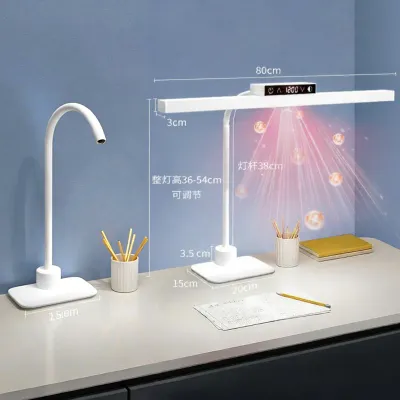
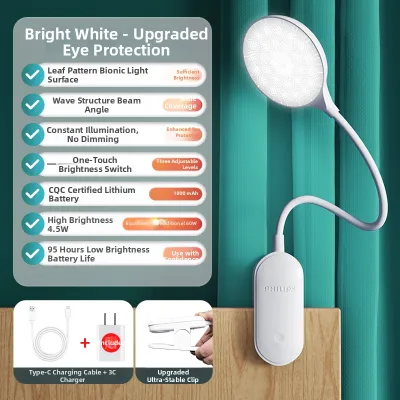
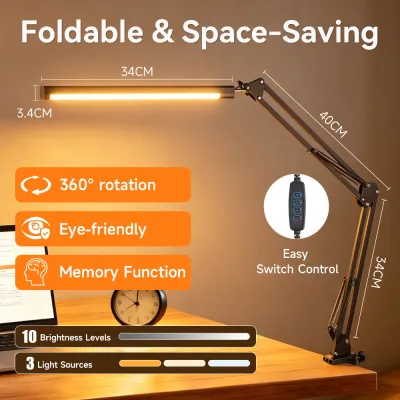
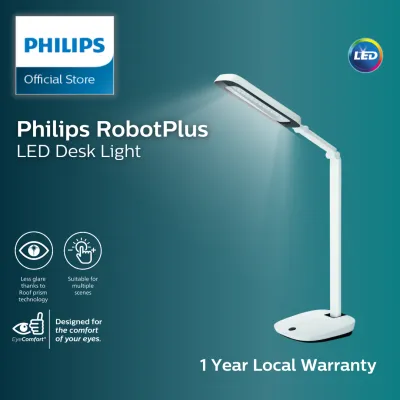
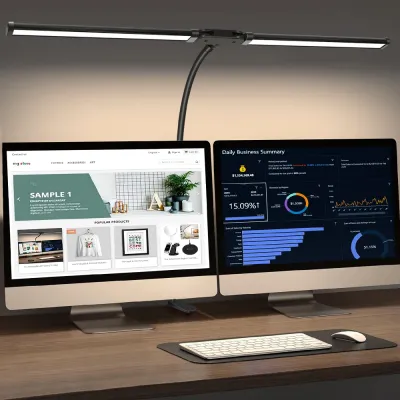
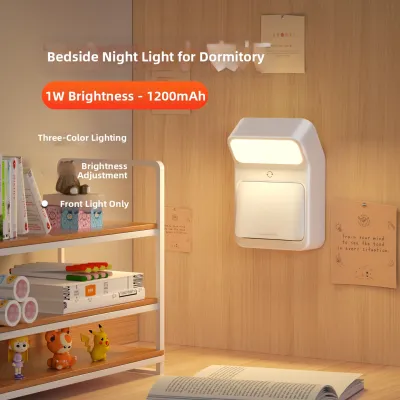
Prices are valid at publication and may change. Please refer to the product page for the latest price.
Brightness and illuminance levels must also be verified to ensure adequate desk coverage. Illuminance, measured in lux, refers to the amount of light that falls on your work surface. For detailed study tasks, a desk surface illuminance of 500 lux is generally recommended. However, brightness alone is not enough; the light must be distributed uniformly across your workspace. Look for brands that specify a high light uniformity ratio, which prevents your eyes from constantly adjusting between bright spots directly under the lamp and dark shadows on the edges of your desk.
Finally, effective glare control is vital for preventing screen washout and direct eye strain. Direct glare occurs when the light source shines directly into your eyes, while reflective glare happens when light bounces off your book or computer screen. To mitigate this, look for table lights designed with physical diffusers, honeycomb filters, louvers, or asymmetric optical designs. Asymmetric lighting projects light at an angle across your desk rather than straight down, illuminating your workspace without reflecting off your monitor or shining directly into your eyes.
Comparing Table Light Brand Tiers and Specifications
When shopping in Singapore, you will encounter various table light brands categorized into distinct tiers. Understanding these tiers helps you manage your budget while ensuring you do not compromise on essential eye protection features.
Premium and smart lighting brands typically position themselves at the high end of the market. These brands often feature automated ambient light sensors that adjust the lamp’s brightness in real time based on the surrounding room light. They may also incorporate advanced optical lenses designed to distribute light evenly across a large desk. While these features offer convenience and high-quality light distribution, you should verify whether the smart connectivity and automated sensors justify the price premium for your specific study habits. If you study in a room with highly stable ambient light, manual adjustment features may be more than sufficient.
Dedicated study and task light brands focus heavily on optical performance, ergonomics, and strict flicker standards. These lamps are engineered specifically for reading and writing, often featuring long, adjustable arms and wide lamp heads that cover the entire width of a standard study desk. They frequently include dedicated study or reading modes that pre-set the optimal color temperature and brightness. When comparing these brands, check if their physical design fits your desk layout and if their articulated joints allow you to position the light precisely where you need it.
General home lighting brands offer budget-friendly options that are widely available in local lighting shops and online marketplaces. While these lamps are highly accessible, they require careful manual verification of specifications. Many budget models do not clearly state their CRI, lux levels, or flicker metrics on the packaging. When considering a general home lighting brand, look closely at the product box or online specification sheet to confirm it meets basic eye safety standards rather than assuming all LED lamps are inherently safe for long study sessions.
To help you evaluate options in physical stores or on product pages, use the following comparison checklist:
- Flicker Certification: Look for "Flicker-Free" labels or compliance with IEEE 1789.
- Color Rendering Index (CRI): Verify a rating of Ra 90 or higher.
- Dimming Range: Check for step-less dimming or at least three distinct brightness levels.
- Color Temperature: Ensure the lamp offers a range from warm white (approx. 2700K) to cool white (approx. 5000K).
- Safety Mark: For Singapore users, verify the presence of the Enterprise Singapore SAFETY Mark on the power adapter.
Decision Framework: Matching the Table Light to Your Study Setup
Selecting the right table light requires matching the lamp’s specifications to your physical study environment and the nature of your tasks.
If your primary study tasks involve detailed reading, handwriting, sketching, or drafting, you require a setup that prioritizes high illuminance and excellent color accuracy. For these activities, choose a table light that can deliver at least 500 lux to your working area with a high CRI (Ra 90+). A cool-to-neutral color temperature (around 4000K to 5000K) is ideal here, as it enhances contrast and makes fine text or lines easier to see. Ensure the lamp has an adjustable arm so you can bring the light source closer to your work when performing highly detailed tasks.
If you primarily work on a computer monitor or laptop, your lighting needs are very different. Placing a standard desk lamp next to a screen can create harsh reflections and high contrast, leading to digital eye strain. In this scenario, look for a table light with a wide dimming range or an asymmetric light path, such as a monitor light bar. These lights clip onto the top of your monitor and project light downward onto your keyboard and desk space without casting light onto the screen itself. This reduces contrast strain between the bright monitor and a dark desk while preventing screen glare.
However, neither of these options will protect your eyes if your overall room lighting is inadequate. A common mistake is studying in a dark room with only a single, bright desk lamp illuminating the book or screen. This creates a high-contrast environment that forces your pupils to constantly dilate and constrict as your gaze shifts, leading to rapid eye fatigue. Always ensure your study room has adequate ambient overhead lighting to complement your table light, creating a balanced, low-contrast environment.
Before finalizing your purchase, verify the physical compatibility of the lamp with your desk. Measure your desk’s thickness and material to ensure it can support the lamp’s mounting mechanism. Heavy clamp-on lamps may damage delicate glass desks, while lamps with large, heavy bases require significant desk surface area, which can be a constraint in compact Singapore study rooms or HDB bedrooms.
Safe Placement and Electrical Checks for Desk Lamps
Proper installation and placement of your table light are just as important as its optical specifications for preventing eye strain and ensuring physical safety.
To avoid casting shadows over your work, place the table light on the side opposite your writing hand. If you are right-handed, position the lamp on the left side of your desk; if you are left-handed, place it on the right. Adjust the height and angle of the lamp head so that the light source is completely shielded from your direct line of sight. You should not be able to see the bare LED diodes or bulb while sitting in your normal study posture, as direct exposure to the light source causes immediate glare and discomfort.
Electrical safety is another critical consideration, particularly for appliances used for long hours. In Singapore, electrical accessories must comply with local safety regulations. When purchasing a table light, verify that the power adapter or plug carries the Enterprise Singapore SAFETY Mark. This certification indicates that the product has been tested and deemed safe for use with the local 230V, 50Hz electrical grid. Avoid using uncertified power adapters or cheap third-party plugs, as they can pose fire hazards or cause unstable power delivery, which in turn leads to visible LED flickering.
Finally, pay attention to heat management. High-output LED arrays can generate significant heat at the lamp head during extended study sessions. Ensure the lamp design includes adequate heat sinks or ventilation paths to dissipate this heat safely. Keep flammable materials, such as papers, books, or curtains, clear of the lamp head, and avoid touching the light source immediately after a long study session.
Frequently Asked Questions (FAQ)
Do I need a smart table light for eye protection?
No, a smart table light is not strictly necessary for eye protection. The core optical specifications—such as flicker reduction, high CRI, and proper lux levels—are what directly protect your eyes from strain, and these can be found in many non-smart, manual lamps. However, smart features can offer practical convenience. For example, built-in ambient light sensors that automatically adjust the lamp’s brightness as natural daylight fades can help maintain a consistent, comfortable light level on your desk without manual intervention. If you prefer a set-and-forget setup, a smart lamp may be beneficial, but you can achieve the same level of eye protection with a manually adjustable lamp at a lower cost.
How often should I replace my study table light?
Modern LED table lights have long lifespans, often rated for 25,000 to 50,000 hours of use. However, you may need to replace or upgrade your lamp before the LEDs completely burn out. Over time, LEDs experience lumen depreciation, meaning they gradually lose brightness and their color temperature may shift. If you notice that your desk feels dimmer than usual, or if you experience increased visual fatigue during your study sessions, it may be time to replace the lamp. Additionally, if the power adapter degrades, it can cause the light to flicker or hum. If you observe any visible flickering, unstable light output, or physical wear on the cord, replace the unit immediately to protect your eyes and ensure electrical safety.

Community discussion
Share your experience or ask a question. Comments are reviewed before publication.