
Finding the right table light lamp for your study or work desk in Singapore requires looking beyond brand names and aesthetic designs. True value lies in how effectively a lamp supports visual comfort during long hours of concentration, fits your specific workspace, and complies with local safety standards. By focusing on verifiable technical specifications and build quality, you can select a model that protects your eyes and lasts for years.
Core Specifications to Verify Before Comparing Brands
When comparing brands, start by checking the technical specifications listed on the product packaging or the manufacturer’s official datasheet. Look for the illuminance level, measured in lux, which indicates the intensity of light falling on your desk surface. A high-quality study lamp should provide uniform light distribution across your entire working area, preventing bright hotspots and dark corners that force your eyes to adjust constantly.
Pay close attention to the correlated color temperature (CCT), measured in Kelvin (K). For reading physical books or writing, a cool white light between 4000K and 5000K can help maintain alertness. If your work is primarily screen-based, a warmer light around 3000K to 4000K is often more comfortable, as it reduces high-contrast glare from your monitor.
Products mentioned in this guide
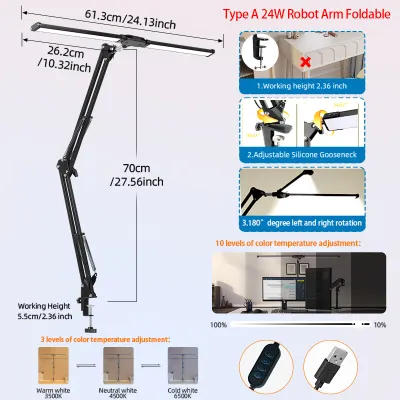
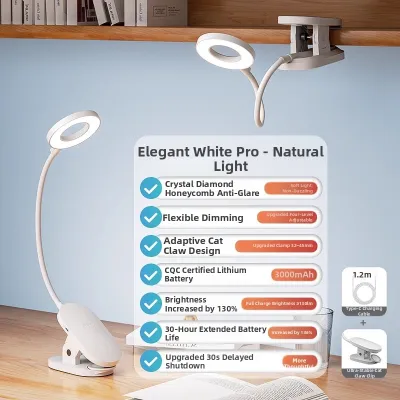
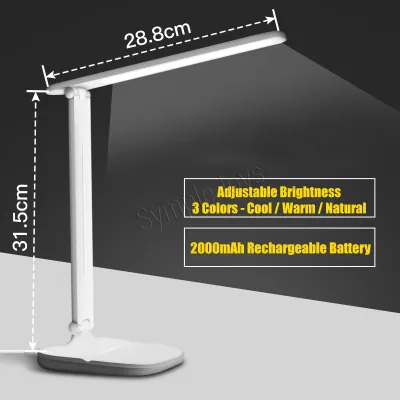
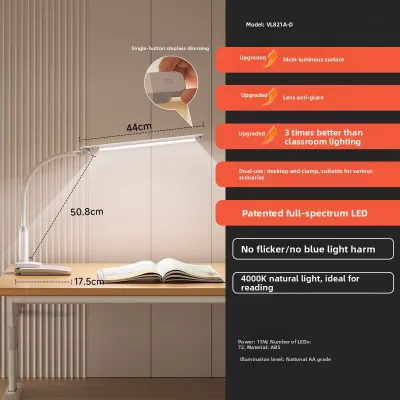
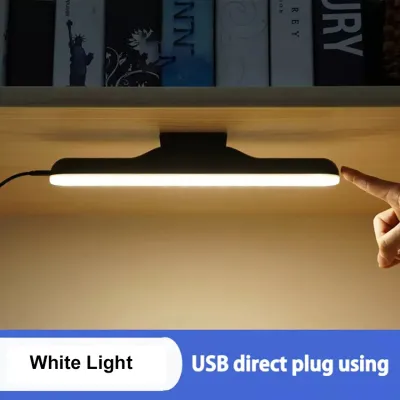
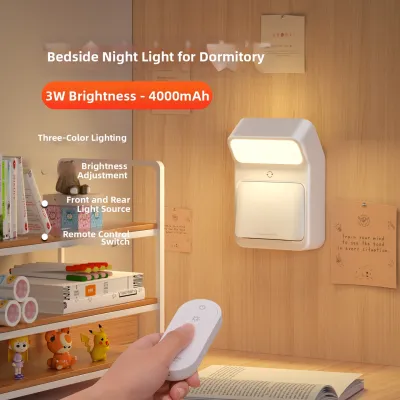
![[✅SG Ready Stock]Portable Night Light Bedside Table Lamp Rechargeable Touch Lamp Bedroom Ambient Light Hanging Lamp With Adjustable Brightness Changeable Colors Timer for Home/Bedroom/Office/Hallways](https://img.lazcdn.com/g/p/d42db546b92dba47d23e7546418a6e47.jpg_400x400q80.jpg_.webp)
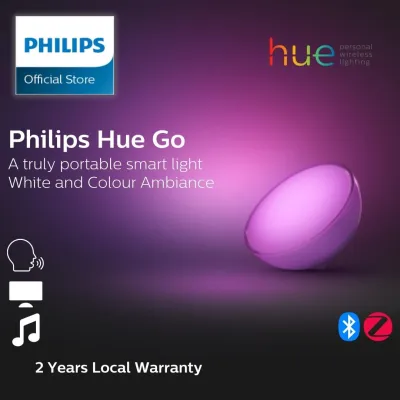
Prices are valid at publication and may change. Please refer to the product page for the latest price.
Color Rendering Index (CRI or Ra) is another critical metric, especially if your work involves design, drafting, or color-matching. Look for a CRI rating of 90 or higher to ensure colors appear natural and accurate under the lamp. Avoid lamps with low CRI ratings, as they can make colors look dull and increase visual fatigue during detailed tasks.
Finally, verify that the manufacturer explicitly states “flicker-free” and “anti-glare” technologies. Invisible high-frequency flickering can cause subtle eye strain and headaches over prolonged use, while integrated diffusers or polarized lenses help direct light away from your eyes and onto the desk surface.
Evaluating Ergonomics and Build Quality
A lamp’s physical design determines how easily you can direct light exactly where it is needed. Look for multi-axis articulation joints that allow you to adjust the height, tilt, and rotation of the lamp head independently. Flexible gooseneck designs offer seamless adjustment but should be checked for stiffness to ensure they do not droop over time.

In Singapore, where study corners in HDB flats or apartments can be compact, the footprint of the lamp base is highly relevant. A heavy, weighted base prevents the lamp from tipping over when fully extended, but it must not consume excessive desk space. Clamp-on models or those with integrated desk mounts are excellent space-saving alternatives for smaller workstations.
Material selection directly impacts durability and safety. Aluminum alloy casings are generally superior for high-output LED lamps because they act as efficient heat sinks. Proper heat dissipation is essential in Singapore’s warm, humid climate, as excessive heat buildup can degrade LED chips prematurely and reduce their operational lifespan.
Consider how the power cable is routed. Integrated cable management channels along the lamp arm keep your workspace tidy and prevent accidental snags that could pull the lamp off your desk. Also, check the power interface; USB-powered models offer flexibility, but mains-powered adapters generally provide more stable voltage and consistent brightness.
Smart Features vs. Basic Functionality: What Adds Real Value?
Premium table lamps often come with advanced features that increase the retail price, making it important to distinguish between practical utility and unnecessary extras. Auto-dimming ambient light sensors are highly functional; they automatically adjust the lamp’s brightness based on the changing natural light in your room, maintaining a consistent level of illumination throughout the day.
Built-in timers can also be beneficial for structured study or work routines. Some models feature interval timers that gently flash or dim to signal when it is time to take a break, helping you implement productivity techniques like the Pomodoro method without relying on distracting smartphone notifications.
Integrated charging options, such as USB-A, USB-C, or wireless Qi charging pads built into the base, offer convenient power access for mobile devices. However, you should verify that these ports do not cause the lamp base to become excessively hot during use, as poor thermal management can affect both the charging efficiency and the lamp’s internal electronics.
When it comes to brightness control, continuous stepless dimming offers the most precise adjustment, allowing you to fine-tune the light level to your exact preference. Basic step-dimming, which offers three or four preset brightness levels, is simpler but usually sufficient for general reading and computer work.
Condition-Based Brand Selection Framework
Instead of searching for a single “best” brand, match your purchase to your primary daily activities and workspace setup. If your work involves detailed drafting, physical reading, or color-critical tasks, prioritize brands that specialize in optical engineering. These manufacturers invest heavily in custom diffusers, high-CRI LEDs, and precise light distribution patterns to minimize eye fatigue.
For those who have built a connected home ecosystem, brands focusing on smart home integration are the logical choice. These lamps can sync with your existing smart assistants, allowing you to control brightness via voice commands, set automated schedules, or coordinate the desk light with your room’s ambient lighting.
If your desk use is occasional or limited to basic laptop tasks, a budget-friendly brand focusing on simple, reliable functionality is often the most cost-effective choice. A basic LED desk lamp with manual dimming and a sturdy frame provides excellent value without the added cost of smart sensors or wireless connectivity.
Regardless of the brand’s specialization, always verify their local presence in Singapore before making a premium purchase. Check if the brand has an official distributor, a dedicated local service center, or clear warranty terms that do not require you to ship a defective unit overseas at your own expense.
Purchasing Channels and Warranty Verification in Singapore
When shopping for a table light lamp in Singapore, buying from authorized brand stores on major e-commerce platforms or visiting physical lighting showrooms offers the best protection. Physical showrooms allow you to test the articulation joints, assess the actual light output, and check the build quality in person before committing to a purchase.
Safety is paramount for any mains-powered electrical appliance. Ensure the lamp or its power adapter carries the SAFETY Mark issued by Enterprise Singapore. This certification indicates that the product has been tested and approved for safe use with Singapore’s 230V, 50Hz electrical grid, protecting your home from potential electrical hazards.
Review the warranty terms carefully before buying. A standard warranty for a reputable table lamp typically ranges from one to three years, covering manufacturing defects, electrical failures, and premature LED degradation. Be sure to clarify whether the warranty covers both parts and labor, and keep your purchase receipt or e-invoice safe.
If your lamp arrives with defects such as flickering, dead LED segments, or physical damage, contact the seller immediately. Authorized local distributors usually offer a straightforward replacement process within the first few days of purchase, saving you from prolonged downtime.
Frequently Asked Questions (FAQ)
How far should I place my table light lamp from my monitor?
To minimize glare and reflections, place your table light lamp to the side of your monitor rather than directly in front of or behind it. Position the lamp head slightly above your eye level and angle it downward so the light pool covers your keyboard and document area. Ensure the light source is shielded from your direct line of sight to prevent uncomfortable glare, and adjust the angle so no light reflects directly off the computer screen into your eyes.
Do I need a specialized table light lamp if I already have good ceiling lighting?
Yes, a dedicated table lamp is highly beneficial even if your room has bright ceiling lights. Ceiling fixtures often cast shadows over your workspace when you lean forward to read or write, and they rarely provide the focused intensity required for detailed tasks. Combining ambient ceiling lighting with an adjustable task lamp creates a balanced visual environment, reducing the high contrast between a bright screen and a dark desk that quickly leads to eye strain.

Community discussion
Share your experience or ask a question. Comments are reviewed before publication.