
When comparing Thai cushion brands, the “best value” is not determined by a single winner but by matching the material and construction to your specific home environment. Traditional Thai silk offers distinct aesthetic appeal but requires careful maintenance, while cotton and blended fabrics provide practical durability for daily use. This guide breaks down how to evaluate material quality, understand price drivers, and choose the right option for your household needs.
Understanding Thai Cushion Materials and Quality Indicators
To make an informed purchase, you must first understand the primary materials used in Thai cushions. Traditional Thai silk is renowned for its unique texture, featuring natural slubs and a distinct, multi-toned sheen that shifts under different lighting conditions. This optical effect occurs because the silk threads are often dyed in different colors before weaving, creating a dynamic surface. While highly decorative, pure silk is delicate and susceptible to water damage, staining, and friction, making it best suited for low-traffic areas or formal display spaces.
In contrast, cotton and linen cushions offer excellent breathability and a more matte, casual appearance. These natural fibers are highly practical for warm climates, such as Singapore’s humid weather, as they allow air circulation and feel comfortable against the skin. Cotton canvas is particularly durable, making it an excellent choice for floor cushions that experience direct contact with various surfaces. Synthetic blends, which combine polyester with cotton or rayon, provide enhanced wrinkle resistance and durability, though they may retain more heat than pure natural fibers.
Products mentioned in this guide
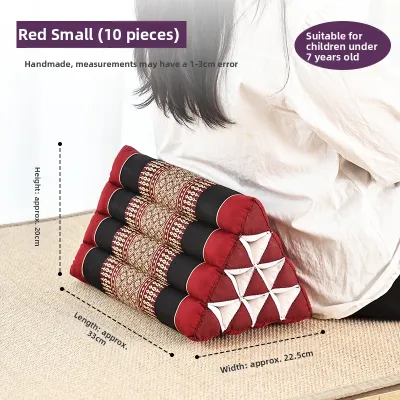
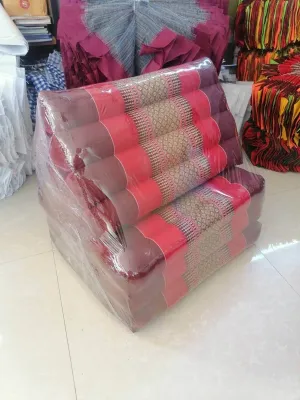
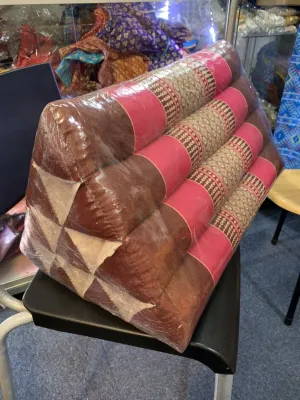
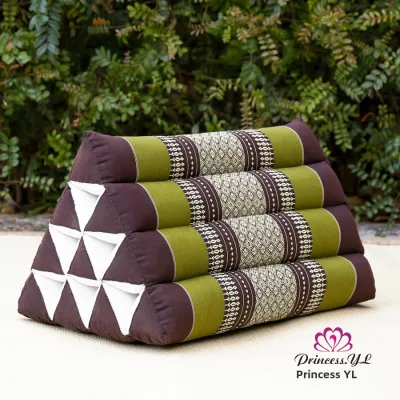
Prices are valid at publication and may change. Please refer to the product page for the latest price.
Rather than relying solely on marketing terms like “premium silk feel,” always check the physical care labels or manufacturer specifications for exact fiber percentages. A high-quality brand will clearly state the ratio of natural to synthetic fibers. This transparency is crucial because even a small percentage of synthetic fiber can significantly alter how the cushion wears, washes, and feels over time. For instance, a poly-cotton blend might offer the breathability of cotton with the wrinkle-free convenience of polyester, making it a highly practical hybrid for busy households.
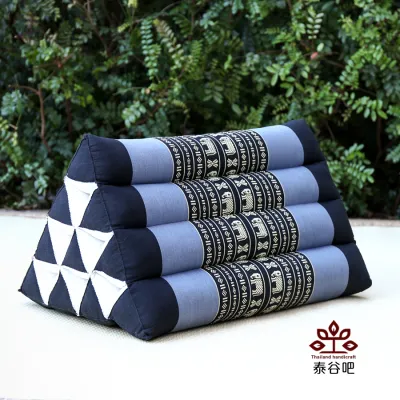
The filling material is equally important for determining the cushion’s longevity and comfort. Traditional Thai cushions, especially the iconic triangular fold-out designs, are often stuffed with natural kapok fiber. Kapok is a lightweight, moisture-resistant, and hypoallergenic material harvested from the seed pods of the kapok tree. It provides firm, dense support and retains its shape well over time, resisting clumping even with heavy use. Modern alternatives include polyester fiberfill, down alternatives, and polyurethane foam. While fiberfill offers a softer, plush feel, it tends to flatten faster than dense kapok or high-resiliency foam, requiring more frequent fluffing or eventual replacement.
Evaluating Price Tiers and Value Propositions
The price of Thai cushions varies widely, often driven by production methods and material sourcing rather than functional superiority alone. Hand-woven textiles, natural dye processes, and intricate traditional patterns require significant artisan labor, which naturally elevates the retail price. Cushions featuring authentic hand-loomed Thai silk or hand-spun cotton sit at the premium end of the market, reflecting the craftsmanship and cultural heritage involved. These pieces are often unique, with minor variations that add to their character.

Conversely, mass-produced cushions utilize machine-printed fabrics and synthetic fillings, allowing manufacturers to offer them at much lower price points. While these budget-friendly options may lack the unique character of hand-crafted textiles, they often perform exceptionally well in high-traffic households. The synthetic fibers used in mass-produced covers are frequently more resilient to spills, stains, and rough handling, making them highly practical for everyday use.
When evaluating value, look beyond the initial purchase price to consider the total cost of ownership. A delicate silk cushion may carry a premium price tag of S$80 or more, but if it requires professional dry cleaning after every minor spill, the ongoing maintenance costs and inconvenience will quickly accumulate. For a busy living room, a durable cotton-blend cushion priced at S$30 that can be tossed into a home washing machine represents far better long-term value and peace of mind.
To assess whether a higher price is justified, align the cushion’s material with its intended usage scenario. If you are styling a formal guest parlor or a low-use decorative nook, investing in a premium hand-woven piece makes aesthetic sense and serves as a beautiful focal point. However, if the cushions will serve as floor seating for children or pets in a daily family room, prioritizing durable, easily washable materials will yield the best return on your investment, ensuring the cushions remain clean and presentable without constant worry.
Practical Comparison Dimensions for Home Use
When comparing different brands and material options, focus on practical, observable construction details that directly impact daily use. The first dimension to evaluate is the maintenance and cleaning requirements. Check whether the cushion features a removable cover with a secure zipper closure. Removable covers make washing significantly easier, whereas cushions with integrated covers require spot cleaning or professional treatment, which can be highly inconvenient for everyday items. Ensure the zipper is sturdy and glides smoothly without catching on the fabric.
Next, examine the physical indicators of durability and construction quality. Inspect the tightness of the fabric weave; loose weaves are prone to snagging, especially if you have pets with claws or if the cushions are placed on rough wooden furniture. Turn the cover inside out if possible, or feel along the seams to check for tight, reinforced stitching. Double-stitched seams and high-quality zippers—such as those with metal pulls and fabric flaps to conceal the teeth—are reliable indicators of a brand that prioritizes longevity and structural integrity.
Finally, consider the aesthetic and functional fit within your living space. Standard Thai cushions come in various shapes, from classic square throw pillows to large, multi-fold daybeds. Verify the exact dimensions of the cushion and compare them to your furniture or floor space to ensure a proper fit. Pay attention to the fabric weight as well; heavier fabrics like canvas or thick brocade drape more structuredly and hold their shape better on deep sofas, while lightweight silks and cottons offer a softer, more relaxed drape that conforms easily to your body.
Decision Framework: Choosing the Right Material and Brand Type
To simplify your decision, use a conditional framework based on your household’s daily realities. If your primary goal is to create a formal, visually striking decorative display in a low-traffic area, choose traditional Thai silk or delicate natural fibers. These materials elevate the room’s aesthetic with their rich textures and colors, provided you are comfortable with professional dry cleaning and gentle handling. They are ideal for accent chairs, formal dining spaces, or decorative bed arrangements.
If you require cushions for daily lounging, active family spaces, or households with pets, select cotton, linen, or high-quality synthetic blends. These fabrics withstand regular wear, resist pilling, and can typically handle frequent machine washing. Pair these durable covers with firm fillings like kapok or high-density foam to ensure the cushions maintain their supportive shape through years of daily use, providing comfortable seating for floor activities, reading, or relaxing.
Before finalizing any purchase, especially when browsing online marketplaces or international sellers, always verify the manufacturer’s care instructions and exact dimensions. Review the seller’s return policy to ensure you can exchange the item if the color, pattern, or texture does not match your home decor upon arrival. Taking these verification steps protects your investment and ensures the cushions fit seamlessly into your home, delivering both comfort and style.
Frequently Asked Questions (FAQ)
How can I verify if a Thai silk cushion is authentic?
You can verify the authenticity of a Thai silk cushion by performing a few non-destructive physical checks. Genuine Thai silk features natural slubs, which are slight irregularities and unevenness in the thread thickness, whereas synthetic imitations are usually perfectly uniform. Additionally, real silk is highly responsive to temperature; it will feel warm and smooth to the touch almost instantly, while synthetic polyester blends tend to feel cooler and slightly slippery. Finally, review the manufacturer’s detailed product specifications or certifications, as reputable brands will explicitly state the silk’s origin and purity.
Are traditional Thai cushions suitable for outdoor or semi-outdoor spaces?
Traditional Thai cushions made from natural silk or standard cotton are generally unsuitable for outdoor or semi-outdoor environments like balconies or patios. Natural fibers absorb moisture from the air, which can lead to mold, mildew, and fiber degradation in humid climates. Direct sunlight will also rapidly fade natural dyes and weaken silk threads. If you plan to use Thai-style cushions outdoors, look specifically for brands that offer outdoor-rated synthetic fabrics, such as solution-dyed acrylic or polyester treated with UV-resistant and water-repellent coatings, and ensure the filling is quick-drying foam.

Community discussion
Share your experience or ask a question. Comments are reviewed before publication.