
Selecting the right solar power garden lights for Singapore’s outdoor spaces requires a careful evaluation of how different brands engineer their fixtures to withstand a demanding tropical climate. With high annual rainfall, sudden afternoon cloudbursts, and relative humidity levels that frequently exceed 80 percent, standard outdoor lights can easily fail if moisture penetrates their internal compartments. While many manufacturers market their products as fully waterproof, the reality is that water resistance exists on a spectrum defined by precise engineering standards. To find a reliable solution, you must look past generic marketing claims and compare brands based on verified Ingress Protection (IP) ratings, physical seal designs, and material durability.
By understanding the technical specifications that govern water resistance, you can systematically evaluate the solar power options available on the local market. This approach ensures that your investment survives both the intense UV exposure of the tropical sun and the heavy downpours of the monsoon seasons. Rather than relying on brand reputation alone, focusing on observable design features and certified ratings allows you to match the right fixture to the specific environmental demands of your garden.
Understanding IP Ratings for Tropical Weather
When comparing solar power garden lights, the Ingress Protection (IP) rating is the most reliable standard for assessing water and dust resistance. This two-digit code, defined by international standards, tells you exactly how much environmental stress a fixture can handle. The first digit (ranging from 0 to 6) measures protection against solid objects like dust and grit, while the second digit (ranging from 0 to 9K) measures protection against liquids. For outdoor garden lighting in Singapore, you should focus primarily on the second digit, as water ingress is the leading cause of premature fixture failure.
Products mentioned in this guide
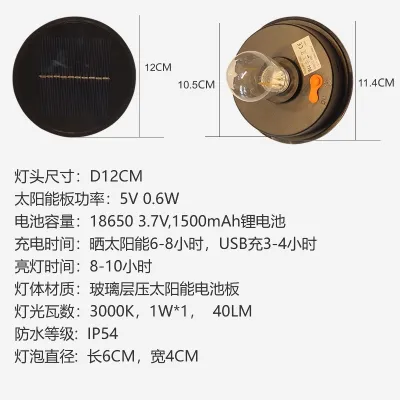
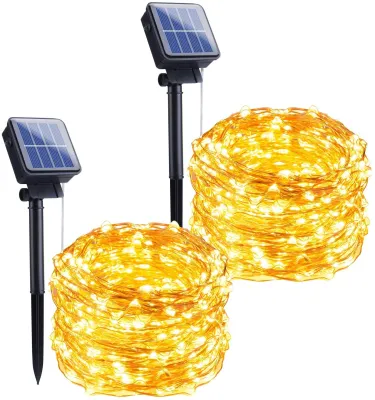
Prices are valid at publication and may change. Please refer to the product page for the latest price.
An IP65 rating is generally considered the baseline standard for outdoor solar power lights. This rating indicates that the fixture is protected against dust ingress and can withstand low-pressure water jets from any direction. In practical terms, an IP65 light will easily survive standard rain showers and light splashing from garden hoses. However, during intense tropical downpours where water falls rapidly and bounces off hard surfaces, IP65 fixtures placed at ground level may struggle to keep moisture out, especially if they are subjected to localized pooling.
For areas prone to heavier water exposure, look for brands that offer IP66 or IP67 ratings. An IP66-rated light is designed to resist high-pressure water jets, making it highly resilient against driving rain and severe storms. IP67 takes protection a step further by certifying that the fixture can withstand temporary submersion in water up to one meter deep for up to 30 minutes. This level of protection is crucial for ground-level path lights, lawn spikes, and well lights that may become temporarily submerged during sudden, heavy cloudbursts before the garden soil can drain.
At the top of the scale, IP68 ratings indicate that the fixture is suitable for continuous submersion in water under conditions specified by the manufacturer. While typically reserved for pond lights or pool lighting, IP68 solar power lights offer the ultimate peace of mind for low-lying garden zones that experience chronic drainage issues. Understanding these distinctions allows you to avoid overpaying for high-level submersion ratings where a standard jet-resistant fixture would suffice, while ensuring you do not under-specify lights destined for wet, ground-level environments.
Key Waterproofing Features to Compare Across Brands
Beyond the official IP rating printed on the packaging, the physical construction of a solar power light provides critical clues about its long-term durability. When comparing different brands in local showrooms or online marketplaces, you should inspect the physical seals and gaskets that protect the internal electronics. High-quality fixtures utilize thick, molded silicone gaskets rather than cheap, flat rubber rings. Silicone remains highly flexible and resistant to degradation under intense ultraviolet (UV) radiation and high temperatures, whereas standard rubber can quickly dry out, crack, and fail in Singapore’s climate.

The design of the housing itself is another major factor in preventing water ingress. Seamless housings, or those joined using ultrasonic welding, offer fewer entry points for moisture compared to multi-part casings held together by simple snap-fit joints. If a fixture does use screws to secure the housing, check whether those screws are made of corrosion-resistant stainless steel and are fitted with individual rubber sealing washers. A poorly sealed screw hole is a common entry point for water, which can slowly drip onto the circuit board and cause irreversible damage.
Special attention must be paid to the battery compartment and the solar panel interface. Because solar power lights rely on integrated photovoltaic panels, the seam where the panel meets the plastic or metal housing is highly vulnerable. Reliable brands seal this joint with a continuous bead of industrial-grade waterproof adhesive or integrate the panel directly into the molded housing. Within the fixture, the battery compartment should ideally feature its own secondary seal, isolating the battery cells and contacts from the rest of the internal wiring so that a minor leak in the outer casing does not immediately ruin the entire unit.
Finally, compare the structural materials used by different manufacturers. While lightweight ABS plastic is common and highly resistant to rust, it must be treated with UV stabilizers to prevent it from becoming brittle and cracking under constant sun exposure. If you prefer the look of metal, ensure the brand specifies the use of marine-grade stainless steel or powder-coated, anodized aluminum. Lower-grade metals will rapidly corrode when exposed to the combination of high humidity, rain, and soil fertilizers, eventually compromising the physical integrity of the waterproof seals.
Installation and Maintenance for Long-Term Water Resistance
Even the highest-quality waterproof solar power lights require proper installation and ongoing maintenance to preserve their protective seals over time. When placing ground-spike lights or path lights, avoid inserting them directly into natural depressions, clay-heavy soil zones, or areas where rainwater naturally pools. Even an IP67-rated light can fail if left sitting in standing mud and water for days on end. Instead, elevate the fixtures slightly by placing them on small mounds of soil or embedding the spikes in a shallow bed of gravel to encourage rapid drainage away from the base of the light.
Routine cleaning is essential to maintain both the charging efficiency of the solar panel and the integrity of the housing. Over time, Singapore’s humid air can encourage the growth of algae, mold, and fine dust on the surface of the solar panel. To clean the fixture, use a soft, damp microfiber cloth and mild soapy water if necessary. Never use high-pressure garden hoses, pressure washers, or harsh chemical solvents. The high pressure can easily force water past the silicone gaskets, while aggressive chemicals can degrade the protective UV coatings on the plastic housing and solar panel.
Periodic inspections will help you catch potential issues before they lead to complete fixture failure. Once or twice a year, especially before the onset of the monsoon seasons, gently open the battery compartments of your lights to check for any signs of moisture, condensation, or white powdery corrosion on the contacts. If you notice moisture, dry the compartment thoroughly and apply a thin layer of dielectric grease to the battery terminals to help repel future dampness. If any rubber O-rings or gaskets appear dry, cracked, or flattened, replace them immediately with matching silicone seals to restore the original waterproof rating.
Decision Framework: Matching Light Types to Garden Zones
To optimize your budget and ensure long-term reliability, you should match the waterproof specifications of your solar power lights to the specific microclimates and zones within your garden. Low-lying areas, such as lawn borders, pathway edges, and ground-level flower beds, are highly exposed to mud splashback, heavy rain runoff, and temporary pooling. For these zones, prioritize fixtures with a minimum rating of IP67. Investing in robust ground spikes or recessed brick lights with superior sealing is essential here, as these fixtures must withstand both static water pressure and the physical impact of heavy rain bouncing off the ground.
For elevated installations, such as wall-mounted sconces, fence post lights, or hanging lanterns, the risk of standing water is virtually non-existent. However, these fixtures remain fully exposed to driving wind and rain during tropical storms. For these positions, an IP65 or IP66 rating is generally sufficient, provided the fixture is designed with angled surfaces that allow rainwater to shed quickly rather than pool on top of the solar panel. If the lights are installed under partial architectural cover, such as a veranda, awning, or covered patio, you can safely opt for IP44 or IP54 ratings, focusing your budget instead on decorative style and battery capacity.
Before making a final purchase, always verify the manufacturer’s technical specifications and warranty terms. Reliable brands will clearly state the IP rating on the product label and provide a written warranty that explicitly covers water ingress under normal outdoor operating conditions. Be cautious of products that use vague terms like “weatherproof” or “rain-resistant” without providing a certified IP rating. By systematically matching the waterproof rating to the exposure level of each garden zone, you can create a durable, energy-efficient outdoor lighting system that stands up to Singapore’s challenging tropical climate.
Frequently Asked Questions (FAQ)
Can I leave solar garden lights out during continuous monsoon rain?
Yes, you can leave high-quality solar power garden lights outdoors during the monsoon season, provided they carry a certified rating of IP65 or higher. Fixtures rated IP65 or IP66 are fully capable of handling heavy, continuous rainfall without sustaining damage. However, if your garden experiences localized flooding or severe water pooling that covers the ground-level fixtures, standard IP65 lights should be temporarily removed to prevent prolonged submersion. Only fixtures rated IP67 or IP68 are engineered to survive being temporarily or continuously underwater, so assessing your garden’s drainage patterns is key before deciding to leave them out.
Does high humidity affect the internal components of solar lights?
Persistent high humidity can significantly impact the internal components of solar power lights if they are not properly sealed. When warm, humid air enters a poorly sealed fixture during the day, it can condense into water droplets inside the housing as temperatures drop at night. This internal condensation leads to rapid corrosion of the circuit board, battery contacts, and LED connections. To prevent this, look for brands that feature high-quality compression seals, or those that incorporate specialized anti-condensation designs, such as breathable membrane valves that allow air pressure to equalize without letting liquid moisture enter.

Community discussion
Share your experience or ask a question. Comments are reviewed before publication.