
Blue and white porcelain vases offer a timeless elegance that bridges historical artistry and contemporary interior design, making them highly sought-after accents for Singaporean homes. Whether you are decorating a compact high-rise apartment or a spacious landed property, these classic vessels introduce a sophisticated contrast of crisp white and deep cobalt blue that complements both tropical and minimalist aesthetics. Integrating these pieces successfully requires a thoughtful understanding of material quality, scale, and stylistic harmony. By selecting the right silhouette and pattern, you can transform a simple tabletop or empty corner into a curated focal point that celebrates heritage while maintaining a fresh, modern feel.
How to Evaluate Blue and White Porcelain Vases
Evaluating a blue and white porcelain vase requires a close examination of its physical characteristics, starting with the glaze and pattern clarity. High-quality porcelain features a smooth, glassy glaze that is free from pinholes, excessive bubbling, or uneven pooling. When inspecting product descriptions or high-resolution close-up images, look for crisp, well-defined brushstrokes or print lines. In hand-painted pieces, subtle variations in color intensity add depth and character, whereas mass-produced decals may appear overly uniform or pixelated upon close inspection. The base of the vase should also be neatly finished; a completely unglazed, rough foot ring can scratch delicate wooden consoles or glass tabletops, so look for bases that have been ground smooth or plan to use protective felt pads.
The silhouette of the vase must align with its intended function, whether you plan to use it as a standalone sculptural element or as a vessel for floral arrangements. Tall, narrow-necked vases like the classic “meiping” (plum vase) or double-gourd shapes are highly sculptural and often look best displayed empty or with a single, minimalist branch. Conversely, wide-mouthed ginger jars or flared “beaker” vases are far more accommodating for lush, rounded floral arrangements, such as hydrangeas or lilies. Matching the opening diameter and internal volume to your preferred floral style ensures the vase remains functional rather than purely decorative.
Products mentioned in this guide
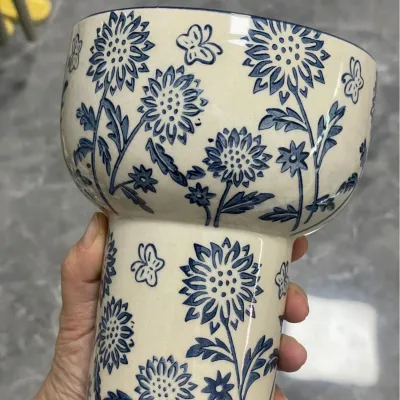
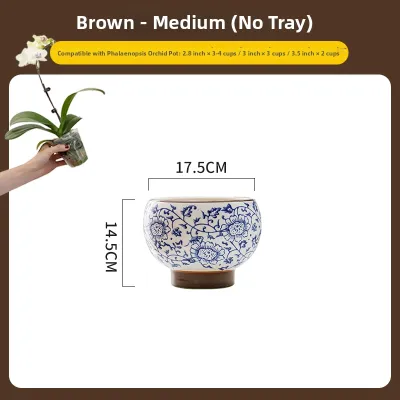
Prices are valid at publication and may change. Please refer to the product page for the latest price.
Finally, verify the material composition by scrutinizing the manufacturer’s technical specifications. True porcelain is fired at extremely high temperatures—typically between 1,200°C and 1,400°C—resulting in a dense, vitrified, and highly durable material that is naturally water-resistant. Standard ceramic or earthenware is fired at lower temperatures, making it more porous, heavier, and more prone to chipping. Check the product details for explicit mentions of “fine porcelain” or “bone china” rather than generic “ceramic” or “stoneware” labels to ensure you are investing in an authentic, high-quality piece.
Matching Vase Styles to Local Interior Themes
Singaporean homes encompass a diverse range of interior design styles, from breezy tropical minimalism to opulent modern luxury. Blue and white porcelain is remarkably versatile, acting as a bridge between different design languages by introducing a classic color palette that pairs beautifully with local interior color schemes. The cool undertones of cobalt blue contrast elegantly with warm wood tones like teak and oak, while simultaneously complementing cool grey, crisp white, or sage green walls. The key to successful integration lies in selecting a pattern density and style that enhances, rather than clashes with, your existing decor.

In compact apartments, such as typical HDB flats or modern condominiums, managing visual weight is crucial to prevent spaces from feeling cluttered. A highly intricate, densely patterned vase can easily overwhelm a small console table or a narrow entryway shelf. To maintain a balanced aesthetic, pair busy patterns with plenty of negative space around the vase, or opt for designs that feature larger, more spaced-out motifs. Placing a single, striking blue and white vase against a clean, neutral background allows the piece to breathe and serves as a sophisticated focal point without crowding the room.
Traditional Motifs for Classic and Heritage Spaces
For homes that embrace classic, colonial, or heritage-inspired aesthetics—such as Peranakan-influenced interiors or traditional Asian decor—vases featuring intricate, time-honored motifs are an ideal choice. Common traditional designs include detailed landscape scenes, scrolling lotus vines, imperial dragons, and auspicious phoenixes. These patterns carry a sense of history and craftsmanship that adds immediate depth and character to formal living rooms or dedicated display cabinets.
To showcase these ornate pieces effectively, pair them with solid wood furniture, such as dark teak sideboards, rosewood tables, or classic mid-century modern credenzas. The rich, warm grain of the wood provides a grounding contrast to the cool, reflective surface of the glazed porcelain. Keep the surrounding decor relatively simple; neutral wall colors, solid-colored upholstery, and minimal accessories will ensure that the intricate details of the traditional motifs remain the undisputed star of the space.
Modern Minimalist Interpretations for Contemporary Homes
If your home leans toward a modern minimalist, Scandinavian, or Japandi aesthetic, you can still incorporate blue and white porcelain by opting for contemporary interpretations. Look for vases that utilize geometric patterns, abstract brushstrokes, or watercolor-style washes instead of dense, traditional illustrations. These designs retain the classic blue and white color story but present it in a simplified, airy format that aligns with clean lines and uncluttered spaces.
Silhouettes also play a major role in modern styling. Choose sleek, asymmetrical, or highly streamlined shapes—such as cylindrical column vases, spherical bud vases, or angular geometric vessels. These forms emphasize structural beauty and negative space, allowing the vase to integrate seamlessly into a minimalist environment. A single, oversized modern blue and white vase placed on a concrete-topped dining table or a floating shelf creates a striking, artistic statement without disrupting the serene, clutter-free atmosphere.
Sizing and Placement Guide for Different Rooms
Achieving the perfect balance in your home decor depends heavily on selecting the right scale and placement for your porcelain pieces. Large, tall statement vases—typically measuring 40 centimeters or more in height—are excellent for anchoring empty floor corners, flanking a grand entryway, or serving as a dramatic centerpiece on a large dining table. These substantial pieces draw the eye upward and can help define distinct zones within open-plan living and dining areas, which are common in modern Singaporean layouts.
For smaller surfaces, such as entryway consoles, bedside tables, and narrow wall shelves, compact and low-profile vases are far more appropriate. Bud vases, small ginger jars, or medium-sized urns ranging from 15 to 30 centimeters in height add a touch of color and sophistication without obstructing sightlines or taking up valuable surface area. When styling a console, consider grouping a small cluster of vases in varying heights and shapes to create a dynamic, layered look that feels curated rather than accidental.
Always consider the visual proportion between the vase, the furniture it rests upon, and the overall room dimensions. In standard Singaporean apartments with a ceiling height of around 2.6 meters, an excessively tall vase placed on a high cabinet can make the ceiling feel lower and the room more cramped. Aim to keep the combined height of the furniture and the vase well below the midpoint of the wall, leaving ample breathing room above. This ensures that the arrangement feels proportional, grounded, and harmoniously integrated into the architectural scale of the room.
What to Check Before Buying Porcelain Vases Online
Purchasing fragile porcelain decor from online marketplaces or international e-commerce platforms requires careful preparation to ensure your items arrive safely and meet your expectations. Before finalizing any purchase, thoroughly review the seller’s policies regarding protective packaging, shipping insurance, and damage replacement. Reliable sellers will explicitly state that they use specialized packaging materials, such as custom-molded styrofoam, double-boxing, and heavy-duty bubble wrap, to safeguard fragile items during transit. Ensure there is a clear, hassle-free return or replacement policy in place should the item arrive damaged or broken.
Customer reviews are an invaluable resource for verifying the quality and accuracy of online listings. Look specifically for reviews that mention color fidelity, as the actual shade of cobalt blue can sometimes differ from the highly lit studio photos shown on product pages. Pay close attention to feedback regarding glaze defects, such as warping, black spots, or uneven patterns, which can indicate lower manufacturing standards. If previous buyers have uploaded real-life photos of the vases in their homes, use these to gauge how the glaze reacts to natural indoor lighting.
Finally, always confirm the exact dimensions and weight of the vase by checking the manufacturer’s technical specifications. Photos can be highly deceptive, often making a vase appear much larger or smaller than it actually is. Measure your intended display surface beforehand, keeping in mind both the height and the maximum diameter of the vase’s widest point. Checking the weight is equally important; a genuine, heavy porcelain vase requires a sturdy shelf or console table that can safely support its load, especially if you plan to fill it with water and heavy floral arrangements.
Caring for and Displaying Your Porcelain Vases
Proper care and maintenance are essential to preserve the brilliant glaze and structural integrity of your blue and white porcelain vases for years to come. When cleaning your vases, avoid using abrasive sponges, steel wool, or harsh chemical cleaners, which can scratch or dull the protective glaze over time. Instead, gently dust the surface with a soft microfiber cloth or a feather duster. For a deeper clean, wash the vase by hand in warm water using a mild, non-abrasive dish soap, then rinse thoroughly and dry with a soft towel.
If you use your porcelain vases to hold fresh flowers, pay close attention to water management. Change the water every few days to prevent the buildup of mineral deposits and bacteria, which can stain the interior of the vase. After removing a floral arrangement, wash the interior thoroughly and allow the vase to dry completely in a well-ventilated area before storing it or displaying it empty. Trapped moisture inside a sealed vase can lead to musty odors or mildew, particularly in Singapore’s humid tropical climate.
Safety is another crucial consideration when displaying fragile decor, especially in high-traffic areas or homes with active pets and young children. To prevent accidental tipping, avoid placing top-heavy vases on unstable or narrow furniture. You can secure your vases to tabletops or shelves using a small amount of removable museum gel or clear museum wax. This specialized adhesive provides a strong, temporary hold that keeps the vase firmly in place without damaging the porcelain glaze or the underlying furniture finish, giving you peace of mind while showcasing your collection.
Frequently Asked Questions (FAQ)
How can I tell if a vase is real porcelain or regular ceramic?
You can distinguish real porcelain from regular ceramic through a few simple physical tests. First, check for translucency: hold the vase up to a strong light source, or place a small flashlight inside it. True porcelain is highly vitrified and thin-walled, allowing a soft glow of light to pass through the material, whereas standard ceramic is completely opaque. Second, perform a sound test by gently tapping the rim of the vase with a wooden spoon or your fingernail. High-fired porcelain will produce a clear, high-pitched, bell-like ring that resonates for a moment, while lower-fired ceramic or earthenware will yield a dull, flat thud. Finally, check the manufacturer’s specifications for firing temperatures; authentic porcelain is fired above 1,200°C, resulting in a much denser, smoother, and heavier feel than standard pottery.
Are blue and white porcelain vases suitable for outdoor balconies?
While high-fired porcelain is exceptionally durable and naturally water-resistant, displaying these vases on outdoor balconies in Singapore comes with specific environmental risks. The intense, direct tropical sunlight will not fade the blue underglaze patterns—as the cobalt pigment is protected beneath a thick layer of vitrified glaze—but extreme temperature fluctuations can cause thermal shock over time, potentially leading to fine hairline cracks in the glaze. Furthermore, heavy rain and high humidity can cause algae or mold to grow in unglazed areas, such as the foot ring. To preserve the pristine condition of your porcelain, it is highly recommended to display them indoors or within fully covered, shaded patio areas where they are protected from direct sun, heavy downpours, and strong winds that could tip them over.

Community discussion
Share your experience or ask a question. Comments are reviewed before publication.