
Selecting a cushion chair in Singapore requires balancing immediate comfort with long-term resilience against a warm, humid climate. While many brands promise the ultimate lounging experience, the true value of a cushion chair lies in its material composition, structural integrity, and suitability for your specific living space. Evaluating these factors systematically ensures you invest in a piece that remains supportive and fresh for years.
Key Factors That Determine Cushion Chair Comfort
The core of any cushion chair’s comfort is its internal fill material. Memory foam is highly regarded for its pressure-relieving properties, contouring closely to the body, though it can retain heat in warmer environments. High-resilience polyurethane foam offers a springier, more supportive feel, recovering its shape instantly when you stand up and preventing that collapsed, sinking feeling over time. Polyester fiberfill provides a soft, cloud-like initial seat but tends to flatten relatively quickly, making it better suited for occasional accent chairs rather than daily-use seating.
Ergonomic design elements dictate how long you can comfortably sit without experiencing stiffness. A well-designed cushion chair should feature built-in lumbar support to maintain the natural curve of your spine. The seat depth is equally critical; it should support your thighs fully without pressing against the back of your knees, which can restrict circulation. Additionally, a slight backward angle on the backrest helps distribute your body weight more evenly across the seat and back, reducing pressure on your lower spine.
Products mentioned in this guide
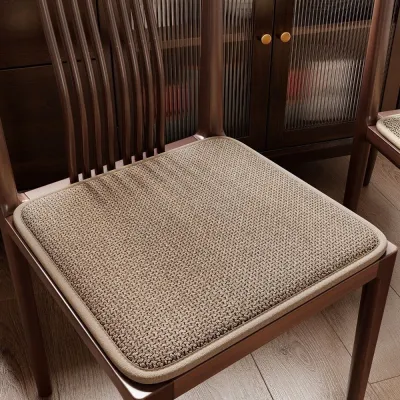
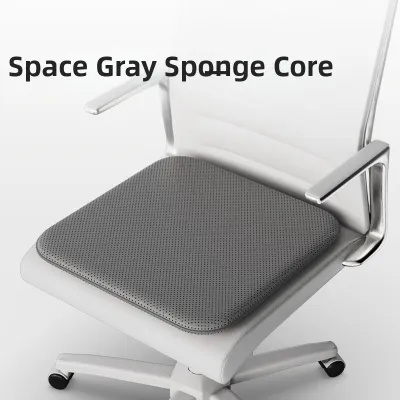
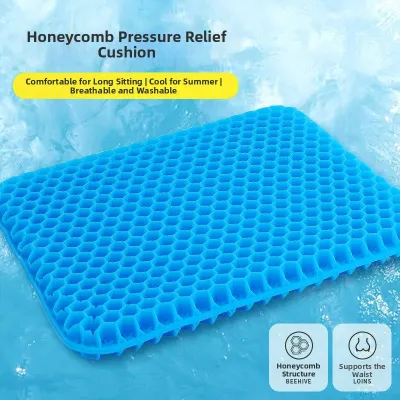
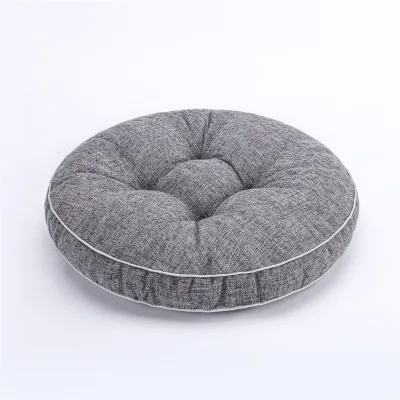
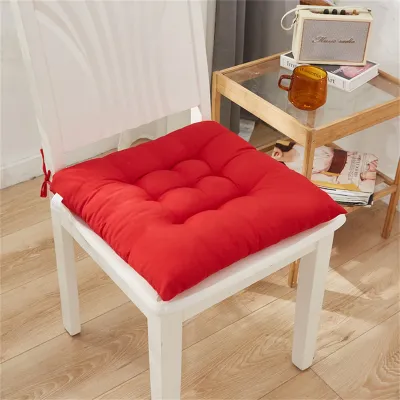
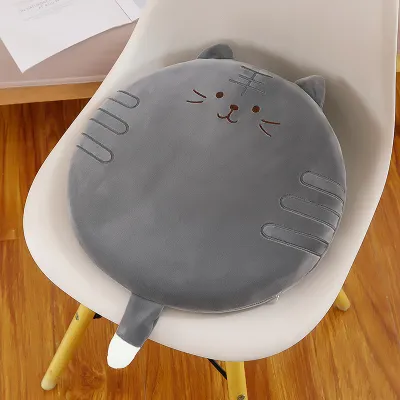
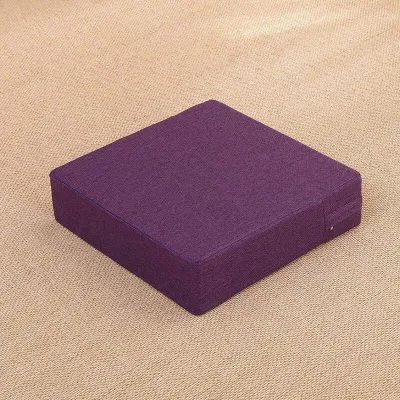
Prices are valid at publication and may change. Please refer to the product page for the latest price.
In a tropical climate, the breathability and texture of the upholstery fabric can make or break your seating experience. Heavy, tightly woven synthetic fabrics or low-grade polyurethane leathers tend to trap heat and perspiration, leading to a sticky, uncomfortable feel during warm afternoons. Opting for natural fibers like linen, cotton-polyester blends, or advanced performance fabrics allows for superior airflow and moisture dissipation, keeping the seating surface cool and comfortable even without constant air conditioning.
How to Evaluate Durability and Build Quality
A cushion chair’s longevity starts with its frame and base construction. Solid hardwoods, such as oak, teak, or kiln-dried birch, offer exceptional structural strength and resistance to warping in humid conditions. Metal frames, particularly those made of powder-coated steel or aluminum, provide excellent stability and a modern aesthetic. Always check the manufacturer’s specified weight capacity labels to ensure the frame is engineered to handle daily use safely, and avoid unreinforced particleboard or thin plastic components in high-stress areas.

Fabric durability is measured by standardized wear tests, such as the Martindale or Wyzenbeek method, which record the number of rubs a fabric can withstand before showing wear. For regular household use, look for fabrics rated for at least 15,000 to 20,000 rubs, while households with pets, children, or high-traffic areas should aim for heavy-duty fabrics rated at 30,000 rubs or more. Examine the stitching along the seams; tight, even, and double-stitched seams are much less likely to pull apart under pressure.
Long-term maintenance is heavily dependent on the design of the cushions themselves. Chairs featuring fully removable covers with heavy-duty, recessed zippers are far easier to keep clean and hygienic. Always verify the washing instructions on the care label before purchasing; machine-washable covers allow you to easily wash away dust mites, spills, and humidity-induced odors, whereas dry-clean-only or spot-clean-only fabrics require more delicate and costly upkeep.
Balancing Price and Value Across Different Tiers
Navigating the market involves understanding what you are paying for at different price points. Entry-level cushion chairs, typically priced under S$150, often utilize lightweight engineered wood or basic metal frames paired with lower-density foam or polyester fiber fill. While budget-friendly, these models may require cushion replacements or show structural wear within a year or two of heavy use.
The mid-range tier, spanning from S$150 to S$500, generally offers the best balance of durability and comfort. In this bracket, you can expect high-resilience foam cushions, solid wood or reinforced steel frames, and hard-wearing upholstery fabrics. These chairs are built to withstand several years of daily use without significant sagging or structural degradation, making them a practical investment for most households.
Premium cushion chairs, priced above S$500, focus on designer aesthetics, top-tier materials like top-grain leather or specialized performance fabrics, and advanced ergonomic adjustments. These pieces often feature solid hardwood frames and highly sophisticated suspension systems, such as pocket springs or high-tension webbing, ensuring they retain their shape and comfort for a decade or more.
When budgeting, remember to account for potential hidden costs. Bulky furniture items often incur significant delivery fees, especially if your residence requires stair access or specialized handling. Assembly fees, the cost of purchasing matching replacement covers, or professional fabric protection treatments should also be factored into your overall investment.
A manufacturer’s warranty is a strong indicator of product durability. Look for brands that offer at least a 2-to-5-year warranty on the frame and suspension system. Be sure to read the fine print to understand what is covered, as many warranties exclude normal fabric wear, minor foam softening, or damage caused by improper cleaning.
Verifying Brands and Purchasing Safely
To ensure you receive a genuine, high-quality product, it is wise to compare purchasing channels carefully. While online marketplaces and general e-commerce platforms offer convenience and competitive pricing, purchasing directly from official brand websites or authorized physical showrooms provides greater security. Visiting a physical showroom allows you to personally test the cushion firmness, evaluate the fabric texture, and verify the build quality before making a financial commitment.
Safety certifications offer peace of mind regarding the materials used in your home. Look for compliance labels indicating that the foam and fabrics are free from harmful chemicals, such as OEKO-TEX or GREENGUARD certifications. These standards are particularly important in air-conditioned spaces where indoor air circulation may be limited, ensuring your furniture does not off-gas volatile organic compounds.
Before finalizing your purchase, thoroughly review the retailer’s return policies and after-sales support. Bulky furniture is notoriously difficult and expensive to return if it does not fit your space or meet your comfort expectations. Check if the brand offers a trial period, and clarify who bears the cost of return shipping, disassembly, or restocking fees in the event of a return.
Decision Framework: Matching Brands to Your Priorities
Choose brands specializing in high-density foam if your primary goal is long-term structural support and you plan to use the chair daily for reading, working, or extended lounging. High-density and high-resilience foams maintain their shape and prevent the physical fatigue associated with sitting on collapsed cushions.
Choose brands with removable, machine-washable covers if you have young children, pets, or suffer from allergies. The ability to easily strip and wash the upholstery is essential for maintaining a clean, allergen-free environment in a humid climate, where dust mites and moisture can accumulate quickly.
Neither may fit if your living space has highly specific layout constraints or tight corners. Standard, bulky cushion chairs can easily overwhelm a small room or block natural walkways; in such cases, you may need to look for modular designs, compact accent chairs, or custom-dimensioned furniture that can be tailored to your exact floor plan.
Verify first if you have specific ergonomic needs or chronic back discomfort. No online description can substitute for a physical test; always visit a showroom to evaluate the seat depth, backrest angle, and lumbar support in person to ensure the chair aligns correctly with your body proportions.

Community discussion
Share your experience or ask a question. Comments are reviewed before publication.