
Cushion comfort depends heavily on the type of foam used inside, as each material possesses a unique cellular structure that dictates how it responds to weight, pressure, and temperature. Choosing the right foam involves balancing support, responsiveness, and breathability to match your specific seating habits and environment. Whether you are upgrading a dining chair, enhancing an office setup, or adding comfort to a living room sofa, the internal foam determines whether a cushion feels like a soft cradle or a firm, springy support.
This guide explores the primary foam types, their physical properties, and how to select the ideal material for your daily comfort. By understanding these material differences, you can make an informed decision that aligns with your physical needs and lifestyle preferences.
Understanding the Core Foam Types in Cushions
Foam is not a single, uniform material. Manufacturers use different chemical formulations and manufacturing processes to create distinct foam categories, each offering a unique physical sensation and support profile.
Products mentioned in this guide
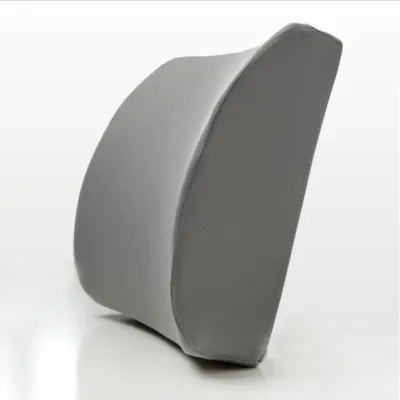
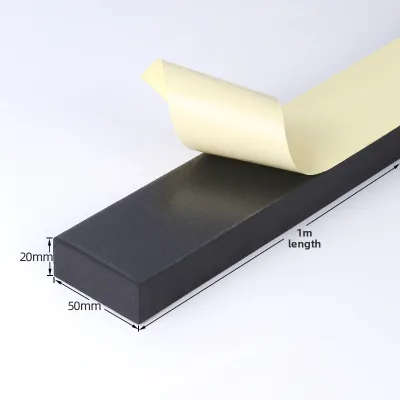
Prices are valid at publication and may change. Please refer to the product page for the latest price.
Memory Foam
Memory foam, chemically known as viscoelastic polyurethane foam, is highly regarded for its contouring properties. When you sit on memory foam, it responds to your body heat and pressure, softening and molding precisely to your physical shape. This localized response allows the foam to distribute your body weight evenly across the surface, which significantly reduces pressure points on the hips and tailbone.
One of the defining characteristics of memory foam is its slow-rebound behavior. When you stand up, the cushion retains your impression for a few seconds before slowly returning to its original flat state. This low-resilience quality makes it excellent for absorbing movement and providing a deeply cushioned, cradled sensation.
However, memory foam is inherently dense and features a closed-cell structure, which can lead to heat retention. In warm or humid environments, this material may trap body heat, causing the cushion to feel warm over extended periods of use. Additionally, memory foam can feel noticeably firmer in air-conditioned rooms and softer in warmer ambient temperatures.
Latex Foam
Latex foam offers a highly responsive and buoyant alternative to memory foam. Instead of contouring deeply and holding an impression, latex foam pushes back against weight immediately. This quick-rebound characteristic provides active support, keeping you positioned on top of the cushion rather than letting you sink deep into it.
This material is highly favored for its natural breathability. Most latex cushions are manufactured with an open-cell structure or feature molded pin-core holes throughout the block. These channels allow air to circulate freely, helping to dissipate heat and moisture, which is particularly beneficial in tropical climates.
When shopping, you will encounter natural, synthetic, and blended latex options. Natural latex is derived from the sap of rubber trees, while synthetic latex is a petroleum-based alternative. Because performance and environmental footprints vary, it is important to check product labels carefully to verify the exact composition of the latex used in the cushion.
Polyurethane (PU) Foam
Standard polyurethane foam, often referred to simply as PU foam, is the most common and versatile material used in household cushions. It is highly adaptable and can be manufactured in a wide range of firmness levels, from cloud-soft topper layers to rigid, supportive bases.
PU foam is generally cost-effective, making it a popular choice for everyday furniture. It provides immediate, comfortable cushioning upon initial use. However, standard-grade PU foam contains a higher proportion of air pockets, meaning it may compress and lose its structural integrity faster than specialized high-density or high-resilience foams.
In quality cushion construction, PU foam is frequently used as a supportive base layer. By placing a firmer slab of PU foam at the bottom and layering a softer memory foam or fiberfill on top, manufacturers can deliver a balanced seating experience that offers both initial softness and long-term support.
How Foam Properties Dictate Cushion Comfort
To choose the right cushion, it helps to understand the technical specifications that manufacturers use to describe foam performance. These metrics directly influence how a cushion feels and how long it will last.

Density is one of the most critical indicators of foam quality and durability, though it is often misunderstood. Measured as weight per unit volume (such as kilograms per cubic meter), density does not dictate how soft or firm the foam feels. Instead, high-density foam simply contains more actual polymer material and fewer air pockets. A high-density cushion will resist sagging and maintain its supportive shape over years of daily use, whereas a low-density foam of the same firmness may flatten within months.
Firmness itself is measured by a metric known as Indentation Load Deflection (ILD) or Indentation Force Deflection (IFD). This rating represents the number of pounds of pressure required to compress a foam sample by a specific percentage of its original thickness. A low ILD rating indicates a soft, plush foam that compresses easily under light pressure, while a high ILD rating indicates a firm, rigid foam designed to support heavier loads without bottoming out.
Another key factor is the balance between resilience and motion isolation. High-resilience foams, such as quality latex or high-grade PU, bounce back instantly and make it easy to shift your seating position. Low-resilience foams, like memory foam, excel at dampening movement and absorbing impact. If you prefer a cushion that allows you to move freely without feeling stuck, high-resilience materials are generally more suitable.
Matching Foam Types to Your Comfort Preferences and Use Cases
Selecting the right cushion foam depends heavily on how and where you plan to use it. Matching the material’s physical properties to your daily routine ensures long-term comfort and satisfaction.
Memory foam is highly suited for scenarios involving prolonged, static sitting. If you spend long hours at an office desk, in a study nook, or driving, a memory foam seat wedge or lumbar support cushion can help distribute your weight and ease pressure on your lower back. Because it molds to your shape, it provides customized support during extended periods of immobility.
For active seating environments, latex foam is often the practical choice. Dining chairs, kitchen bar stools, and workshop seats benefit from the springy, buoyant support of latex, which allows you to sit down, stand up, and shift positions effortlessly. The superior airflow of latex also makes it the preferred option for outdoor patio furniture or unconditioned living spaces where heat buildup is a concern.
Standard PU foam is highly effective for general-purpose, budget-friendly applications. It is excellent for decorative throw cushions, occasional-use seating, or as a structural base in multi-layered floor cushions. If you are looking for a simple, cost-effective comfort upgrade for a guest room or secondary seating area, standard PU foam provides reliable performance without a premium price tag.
Always check the manufacturer’s specifications for recommended weight limits and intended applications. A cushion designed for light decorative use will not provide adequate support if used as a primary office chair seat. Ensuring the foam density matches your body weight and usage frequency will prevent premature flattening and support failure.
What to Check Before Buying a Foam Cushion
Before making a purchase, take a few practical steps to verify the quality, safety, and maintenance requirements of the cushion to ensure it fits your home environment.
First, read the product labels and specifications carefully. Look for clear details regarding the foam’s density and material composition. High-quality cushions will often list these metrics transparently. Additionally, check if the cushion comes with a removable, washable outer cover, as keeping the cover clean is essential for maintaining overall hygiene.
If you are considering a specialized cushion with integrated electronic features, such as built-in heating elements or vibrating massage nodes, you must prioritize electrical safety. Verify that the product carries recognized electrical safety certifications and check the voltage and wattage limits to ensure compatibility with your home outlets. Always follow the manufacturer’s instructions regarding power-isolation, and keep electronic cushions away from damp areas or spilled liquids.
Be sure to review the manufacturer’s care instructions before attempting to clean the cushion. Standard foam materials have specific cleaning boundaries, and using the wrong method can permanently ruin the cushion’s internal structure. Finally, if you require a cushion to address specific orthopedic concerns or medical recovery, consult a qualified healthcare professional to ensure the foam type and shape are appropriate for your physical needs.
Frequently Asked Questions (FAQ)
Can I wash my foam cushion insert in a washing machine?
No, you should not wash solid foam cushion inserts in a washing machine. Submerging memory foam, latex, or standard polyurethane foam in water and subjecting it to the spinning motion of a washing machine can easily tear the delicate cellular structure of the material. Furthermore, thick foam blocks trap water internally, making them extremely difficult to dry completely, which can lead to internal mold and mildew growth. To maintain hygiene, use a removable, machine-washable outer cover to protect the insert, and only spot-clean the foam itself with a damp cloth and mild soap when absolutely necessary, allowing it to air dry completely away from direct heat and sunlight.
How do I know if my cushion foam needs replacing?
You can identify a worn-out cushion foam through several clear visual and physical indicators. If the cushion has developed permanent indentations that do not bounce back hours after use, or if it feels noticeably softer and offers less support than when it was new, the cellular structure has likely broken down. You can compare its current performance against the manufacturer’s original specifications or guidelines. Environmental factors, such as prolonged exposure to high humidity, indirect heat, or direct sunlight, can accelerate the degradation of polyurethane and memory foams, causing them to crumble, discolor, or lose their elasticity prematurely.

Community discussion
Share your experience or ask a question. Comments are reviewed before publication.