
Choosing the right cushion pillow material is the most critical decision when looking to improve seating comfort, enhance lumbar support, or add a decorative touch to your living space. The filling inside a cushion determines how well it holds its shape, how much heat it retains, and how much effort is required to keep it clean. The four primary materials available on the market today are memory foam, latex, polyester fiber, and down or feather fills, each offering a distinct balance of support, softness, and durability.
To find the ideal match, you must look past aesthetic covers and evaluate how these materials perform under daily use. Factors such as local humidity, your physical support needs, and your willingness to perform regular maintenance will ultimately dictate which filling is right for your home. By understanding the physical properties and care requirements of each material, you can make an informed choice that ensures long-lasting comfort.
Comparing Common Cushion Pillow Fillings
Before diving into the specific characteristics of each material, a high-level comparison can help narrow down your options based on your primary comfort and maintenance priorities. Each filling type behaves differently under pressure and requires distinct care routines to preserve its structural integrity over time.
Products mentioned in this guide
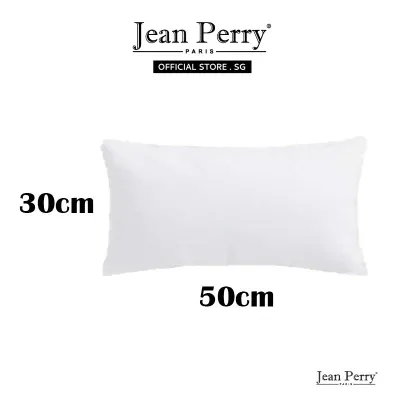
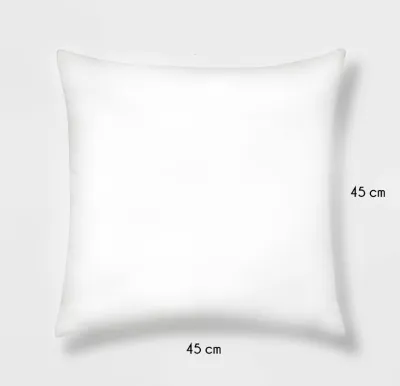
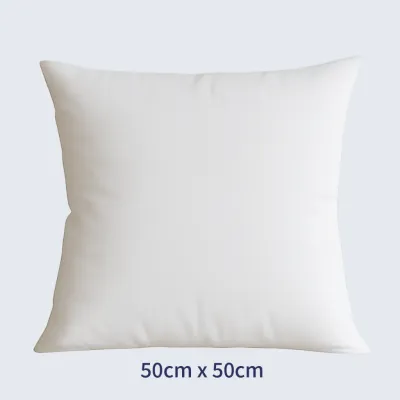
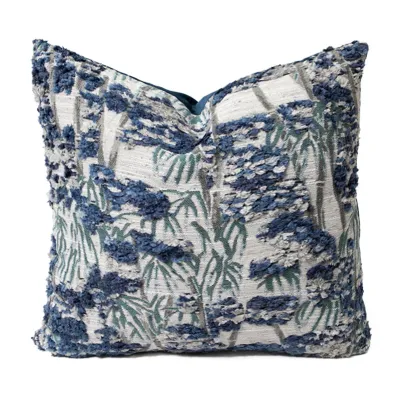
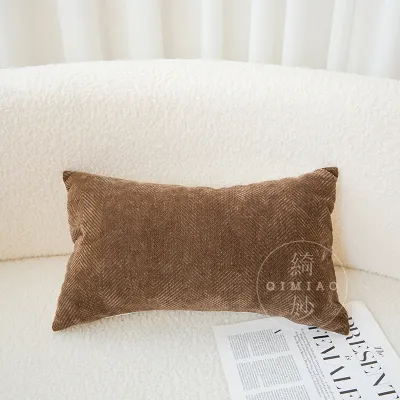
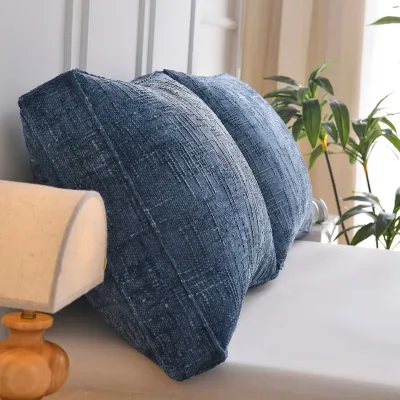
Prices are valid at publication and may change. Please refer to the product page for the latest price.
| Material | Support Level | Durability | Care Requirements | Best Suited For |
|---|---|---|---|---|
| Memory Foam | High (Contouring) | Moderate to High | Spot clean only; avoid water | Pressure relief and structured lumbar support |
| Latex | High (Bouncy) | High | Spot clean only; keep out of sun | Long-term durability and responsive support |
| Polyester Fiber | Low to Moderate | Low to Moderate | Machine washable (usually) | Budget-friendly use and easy maintenance |
| Down & Feather | Low (Plush) | High (with care) | Dry clean or specialized wash | Luxurious softness and customizable shaping |
When shopping, marketing terms can sometimes obscure the actual contents of a cushion. It is essential to locate and read the physical product law tag, which lists the exact percentages of the filling materials by weight. Manufacturers are legally required to disclose these details, allowing you to verify whether a cushion is solid foam, shredded foam, or a blend containing cheaper polyester fillers.
Memory Foam Cushion Pillows
Memory foam is a popular choice for those seeking targeted pressure relief and structured support. This material is temperature-sensitive and responds to body heat, allowing it to soften and contour precisely to the shape of your lower back, hips, or neck. By distributing weight evenly across its surface, memory foam minimizes localized pressure points, making it an excellent option for office chairs or deep sofa seating where you remain stationary for extended periods.

However, the dense structure of standard memory foam can present certain challenges, particularly regarding heat retention. Because the material restricts airflow, it tends to trap body heat, which can lead to discomfort during warm afternoons. Additionally, new memory foam cushions often emit a distinct chemical scent, known as off-gassing, which is a byproduct of the manufacturing process and typically requires a few days in a well-ventilated space to dissipate.
To ensure you are purchasing a high-quality memory foam cushion, check the product specifications for foam density, as higher-density foams offer better longevity and support. Look for labels indicating cooling infusions, such as gel-infused or open-cell structures designed to facilitate better air circulation. Finally, verify that the foam has received independent emission certifications, such as CertiPUR-US or OEKO-TEX, which confirm the material has been tested for harmful substances.
Latex Cushion Pillows
Latex offers a highly resilient and responsive alternative to memory foam, making it ideal for individuals who prefer a bouncy, supportive feel. Unlike memory foam, which allows you to sink slowly into the cushion, latex pushes back against weight, keeping your body aligned on top of the surface rather than cradled within it. This instant recovery makes it easier to shift positions, preventing that “stuck” sensation often associated with contouring foams.
While latex is highly durable and naturally resistant to dust mites and mold, it is significantly heavier than other filling materials, which can make moving large cushions around more cumbersome. Additionally, individuals with known latex allergies must exercise caution and verify whether the cushion cover provides an adequate barrier, or opt for alternative materials entirely.
When evaluating latex cushions, it is crucial to check the product label to determine whether the filling is natural, synthetic, or a blended latex. Natural latex, derived from the sap of rubber trees, offers superior elasticity and breathability but typically carries a higher price point. Synthetic latex is chemically manufactured to mimic natural properties, while blends combine both to balance cost and performance; checking for certifications like the Global Organic Latex Standard (GOLS) can help verify natural origins.
Polyester Fiber Cushion Pillows
Polyester fiber, often referred to as fiberfill or polyfill, is the most common and accessible cushion material available. It is highly favored for its affordability, lightweight nature, and inherent hypoallergenic properties, making it a safe choice for households sensitive to animal dander or natural latex. Furthermore, many polyester cushions are fully machine washable, offering a level of convenience that foam and down fillings simply cannot match.
The primary trade-off with polyester fiber is its tendency to flatten, clump, and lose its loft over time under consistent weight. Unlike resilient foams or moldable down, compressed polyester fibers do not easily return to their original shape once they have migrated or matted together. This makes polyester cushions less suitable for heavy-duty lumbar support, though they remain excellent for decorative accents or occasional-use seating.
To find a more durable polyester option, examine the product label for terms like “cluster fibers” or “siliconized polyester,” which indicate the fibers have been treated or shaped to resist clumping. Check the fill weight listed on the tag, as a higher fill weight generally translates to a firmer, more supportive cushion that will resist flattening longer. Always verify the manufacturer’s specific washing instructions, as some fiberfills require gentle cycles or low-temperature drying to prevent the fibers from melting.
Down and Feather Cushion Pillows
Down and feather fillings represent the pinnacle of plushness, offering a luxurious, cloud-like feel that synthetic materials struggle to replicate. These cushions are highly moldable, allowing you to easily shape them to support your back or head exactly how you want. The natural structure of down clusters traps air efficiently, providing a soft loft that gently yields to pressure without feeling rigid.
It is important to distinguish between down clusters—the fluffy, insulating undercoat of waterfowl—and feathers, which have a rigid quill. A cushion filled entirely with feathers will feel firmer and may occasionally suffer from sharp quills poking through the fabric, whereas down is incredibly soft but offers very little structural support on its own. Consequently, most high-quality comfort cushions utilize a specific ratio, such as 10% down and 90% feathers, to balance plushness with structural integrity.
Maintaining down and feather cushions requires a commitment to regular fluffing and shaking to restore their loft and redistribute the filling. They are also highly susceptible to moisture damage and can develop unpleasant odors if left damp, requiring specialized dry cleaning or careful washing with down-safe detergents. When purchasing, look for the fill power rating on the label to assess loft quality, and check for certifications like the Responsible Down Standard (RDS) to ensure the filling was sourced ethically.
How to Match Material to Your Specific Needs
Selecting the right cushion pillow material requires a careful assessment of your physical environment and daily habits. In Singapore’s warm and humid tropical climate, heat retention and moisture management are primary concerns. Dense memory foams can trap heat and sweat, making highly breathable materials like natural latex, open-cell foams, or feather blends more comfortable choices for non-air-conditioned living rooms.
Your intended usage should also dictate the level of support you choose. For dedicated lumbar support in an office chair or a reading nook, structured materials like high-density memory foam or molded latex are essential to maintain proper spinal alignment. Conversely, if you are looking for casual floor cushions or decorative sofa pillows meant for lounging and nesting, the soft moldability of down blends or the lightweight convenience of polyester fiberfill will be much more appropriate.
Finally, consider your willingness to perform regular maintenance. If you prefer a low-maintenance lifestyle where items can be tossed into the washing machine, polyester fiber is the clear winner. If you do not mind regular fluffing and professional cleaning in exchange for unmatched softness, down is worth the investment. Always match the material’s care requirements to your household routine to ensure your cushions remain clean, supportive, and comfortable for years to come.
Frequently Asked Questions (FAQ)
Can I mix different cushion pillow materials for better support?
Yes, combining different materials is an excellent way to achieve a balance of surface softness and deep structural support. Many modern cushions utilize a hybrid design, featuring a solid memory foam or latex core wrapped in a plush layer of down or polyester fiberfill. This configuration allows you to enjoy the immediate, cloud-like comfort of a soft filling while relying on the supportive core to prevent the cushion from bottoming out. When choosing a hybrid cushion, ensure the outer cover is thick enough to keep the different layers securely in place and prevent shifting.
How often should I replace my cushion pillow based on its material?
The replacement timeline depends heavily on the filling material and how frequently the cushion is used. You can perform a simple physical check: if a polyester cushion remains flat after fluffing, or if a memory foam cushion fails to rebound after pressure is released, it is time for a replacement. Generally, polyester fiber cushions require replacement most frequently due to fiber clumping, while high-quality latex and well-maintained down cushions can last for several years before losing their supportive properties. Keeping cushions clean and using protective covers will significantly extend their usable lifespan.

Community discussion
Share your experience or ask a question. Comments are reviewed before publication.