
Selecting the right solar LED flood light for your outdoor space requires a close look at its Ingress Protection (IP) rating. For a fixture fully exposed to the elements, an IP65 rating serves as the industry baseline, offering complete protection against dust and resistance to water jets. If your installation site experiences intense tropical downpours or driving winds, upgrading to an IP66 or IP67 rating ensures the internal electronics remain dry and functional over years of seasonal exposure. Matching the rating to your specific mounting location prevents premature failure and helps you avoid paying extra for unnecessary levels of protection.
How to Read the IP Rating Code
The IP rating system is an international standard that classifies the degree of protection provided against the intrusion of solid objects and liquids. This rating is always expressed as “IP” followed by two digits, each representing a distinct type of environmental resistance. Understanding how to read these numbers allows you to look past marketing buzzwords like “weatherproof” or “water-resistant” and evaluate the actual structural capability of a solar LED flood light.
The first digit ranges from 0 to 6 and measures protection against solid particles, such as dust, dirt, and accidental contact. For outdoor lighting, you should almost always look for a first digit of 6. A rating of 6 indicates that the enclosure is completely dust-tight, preventing even microscopic airborne particles from entering the housing and settling on the LED chips or circuit boards.
Products mentioned in this guide
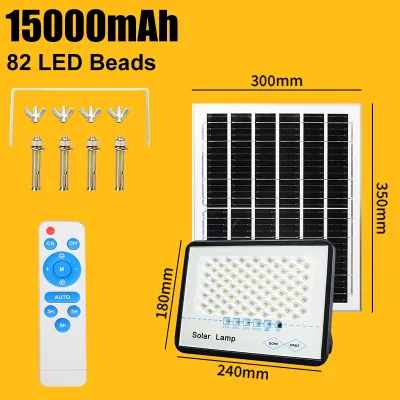
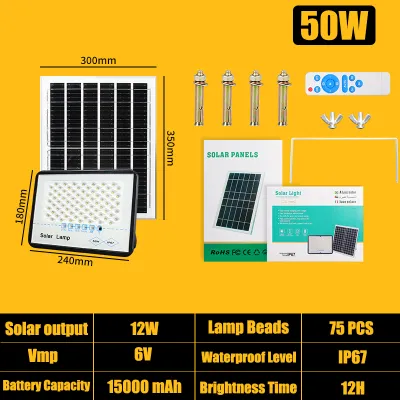
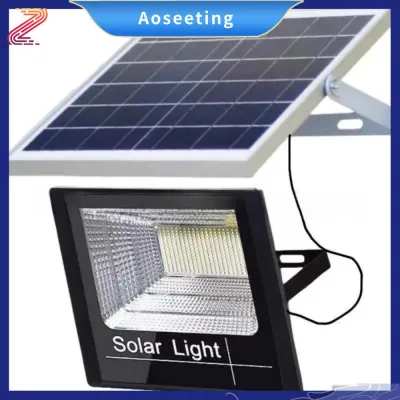
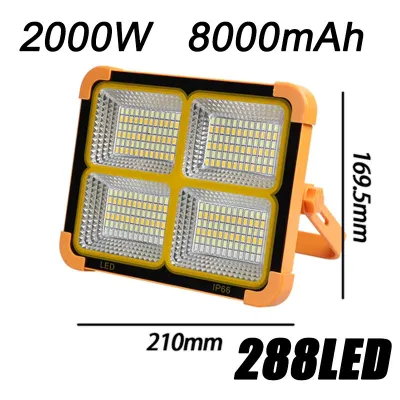
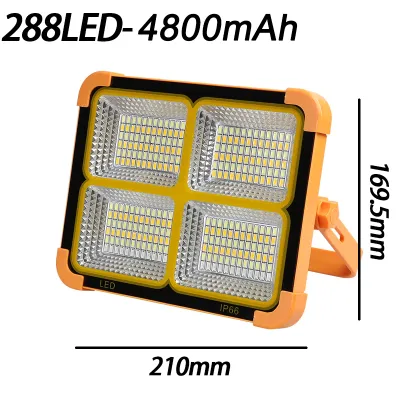
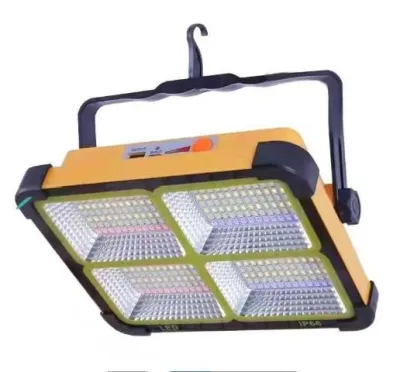
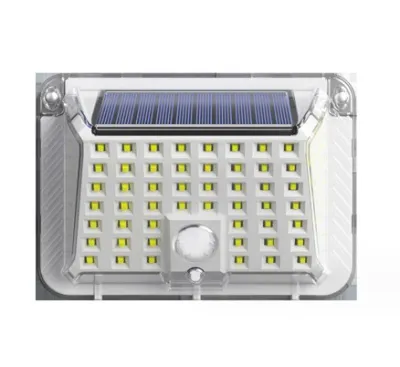
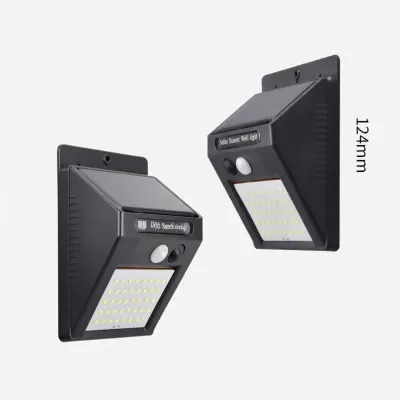
Prices are valid at publication and may change. Please refer to the product page for the latest price.
The second digit ranges from 0 to 9K and defines how well the enclosure resists water ingress. A lower number like 4 indicates protection against splashing water from any direction, which is rarely sufficient for fully exposed outdoor areas. A digit of 5 signifies protection against low-pressure water jets, while a 6 indicates resistance to high-pressure water jets, making it highly suitable for heavy rainstorms. A digit of 7 means the fixture can withstand temporary immersion in water up to one meter deep, which is crucial if the light is mounted near ground level where pooling occurs.
A common misconception is that a higher second digit automatically makes a fixture superior for every outdoor scenario. For instance, a light rated IP68 is designed for continuous underwater submersion, such as in a swimming pool or pond. However, an IP68 rating does not guarantee that the fixture is built to withstand the intense UV exposure, wind loads, or rapid temperature fluctuations experienced by a wall-mounted solar LED flood light. Focus on matching the rating to your specific environmental exposure rather than chasing the highest possible number.
Matching IP Ratings to Your Installation Environment
The physical location where you plan to mount your solar LED flood light dictates the minimum IP rating you should accept. Fully exposed installations, such as on an open perimeter wall, a freestanding garden pole, or an unshaded fence line, bear the full brunt of local weather patterns. In regions prone to sudden, heavy monsoon rains and high humidity, these exposed fixtures require at least an IP65 or IP66 rating to prevent moisture from seeping through the housing joints during intense downpours.

Conversely, partially sheltered areas offer a bit more flexibility, though they still require careful consideration. If you are mounting the flood light under a deep roof eave, a covered patio, or a carport, the fixture is shielded from direct vertical rainfall. In these semi-protected zones, an IP54 or IP65 rating is often sufficient. However, wind-driven rain can still blow sideways, and high ambient humidity can cause condensation to build up inside poorly sealed enclosures.
You must also account for ground-level environmental factors when planning your installation. If the solar LED flood light is positioned low to the ground to illuminate a pathway or garden bed, it faces risks from soil splashing, lawn sprinklers, and temporary puddling. For low-mounted lights, look for an IP66 rating to handle high-velocity water from sprinklers, or an IP67 rating if the area is prone to brief water accumulation during heavy storms.
Always consult the manufacturer’s installation manual to verify the recommended mounting zones and any physical limitations of the fixture. Some manufacturers specify that their lights must be tilted at a certain angle to allow water to drain off the lens properly. Installing a fixture upside down or at an unapproved angle can compromise its seals, allowing water to pool around the gaskets and eventually bypass the protective barrier.
Looking Beyond the IP Rating for Outdoor Durability
While the IP rating tells you how well a fixture resists dust and water, long-term outdoor durability depends on several other material and design factors. The housing material plays a critical role in preventing corrosion and structural degradation over time. High-quality aluminum alloys with powder-coated finishes or UV-stabilized polycarbonate plastics are excellent choices for resisting the harsh effects of intense sunlight and humid coastal air.
The solar panel itself is another critical component that requires separate evaluation. Because the solar panel is often mounted in a highly exposed position on a roof or pole to maximize sun exposure, its weatherproofing must be robust. Check the sealing around the edges of the solar panel frame and inspect the connection point where the cable links the panel to the light head. This cable interface should feature a threaded, waterproof connector with a rubber O-ring to prevent water from entering the electrical pathway.
Operating and storage temperature limits are also vital specifications to check on the product label. Solar batteries, typically lithium-ion or lithium iron phosphate (LiFePO4), are sensitive to extreme heat and cold. Ensure the manufacturer’s specified operating temperature range aligns with your local climate, as excessive heat can degrade battery capacity and shorten the overall lifespan of the solar LED flood light.
How to Verify Waterproof Claims Before You Buy
To ensure the advertised IP rating is accurate and reliable, look for independent testing marks and certifications on the product packaging or official documentation. Reputable manufacturers subject their products to standardized laboratory testing to verify compliance with international standards. Look for recognized certification marks, which indicate that the fixture has been independently evaluated for safety and ingress protection.
Read the warranty terms carefully to understand what is covered in the event of water damage. Some warranties contain exclusions for water ingress if the fixture was installed incorrectly, or if the seals were damaged during battery replacement. A manufacturer that offers a clear, multi-year warranty specifically covering water resistance is generally a more reliable choice than one with vague or highly restricted terms.
Finally, review the user manual for maintenance instructions required to preserve the physical seals over time. Gaskets and rubber O-rings can dry out, crack, or become misaligned due to thermal expansion and contraction. Regular maintenance, such as gently cleaning the housing, checking the tightness of cable connectors, and inspecting the seals during routine battery checks, will help maintain the integrity of your solar LED flood light’s waterproof barrier.
Frequently Asked Questions (FAQ)
Can I use a lower IP-rated solar light if it is mounted under a roof?
While mounting a solar LED flood light under a roof eave or covered patio reduces its exposure to direct rainfall, it does not completely eliminate environmental risks. Wind-blown rain, high humidity, and morning condensation can still introduce moisture into the fixture. For semi-sheltered outdoor installations, you should still look for a minimum rating of IP54 to protect against splashing water and dust, and always follow the manufacturer’s specific guidelines for sheltered placement.
Does a higher IP rating guarantee a longer lifespan for the solar panel?
An IP rating specifically measures protection against dust and water ingress, but it does not account for other environmental factors that affect a solar panel’s lifespan. Solar panels are highly susceptible to UV degradation, thermal cycling, and physical impact from debris. To ensure the solar panel lasts as long as the LED light head, look for tempered glass covers and UV-resistant framing materials in addition to a high IP rating.

Community discussion
Share your experience or ask a question. Comments are reviewed before publication.