
Waking up reliably when you are a deep sleeper requires more than a standard beep. In Singapore’s fast-paced environment, missing an early morning meeting or flight due to an ineffective alarm is a stressful experience. Finding the right digital alarm clock involves looking beyond basic aesthetics to evaluate specialized sensory triggers—specifically high-decibel sound, physical vibration, and progressive wake-up routines. By understanding the technical specifications of these devices, you can select a model that guarantees you rise on time without disrupting your sleep hygiene.
Categories of Alarm Clocks Designed for Heavy Sleepers
To find the most effective solution, it is helpful to understand the distinct mechanisms used by specialized alarm clocks to disrupt deep sleep cycles.
Sonic Alarm Clocks with High-Decibel Output
Sonic alarm clocks rely on sheer volume and specialized sound frequencies to penetrate deep sleep. Unlike standard clocks that hover around 60 to 70 decibels, sonic alarms can reach levels exceeding 100 decibels, which is comparable to the sound of a lawnmower or a handheld drill. Many of these models allow users to adjust not only the volume but also the tone frequency. Lower-frequency tones (around 500 Hz) are scientifically proven to be more effective at waking people from deep sleep than high-pitched beeps, as they are easier for the human auditory system to process during sleep.
Products mentioned in this guide
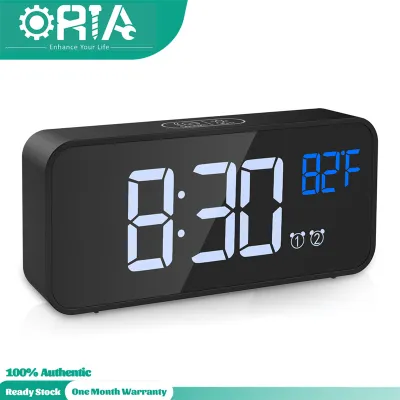
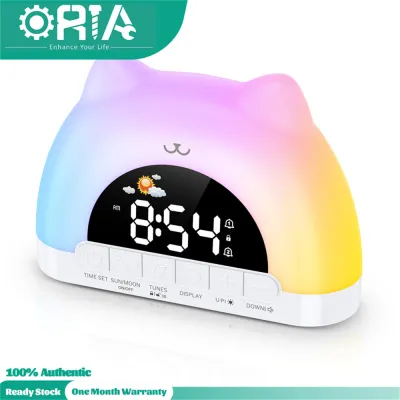
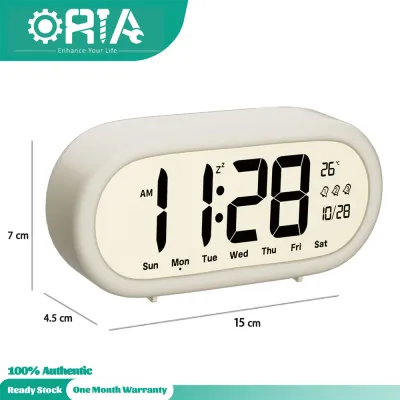
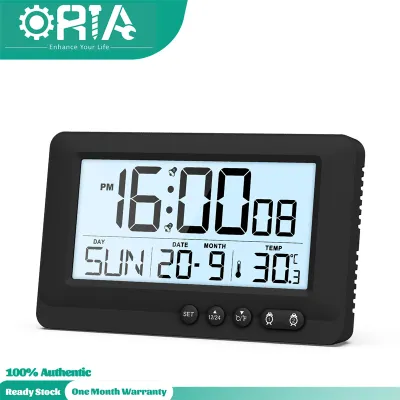
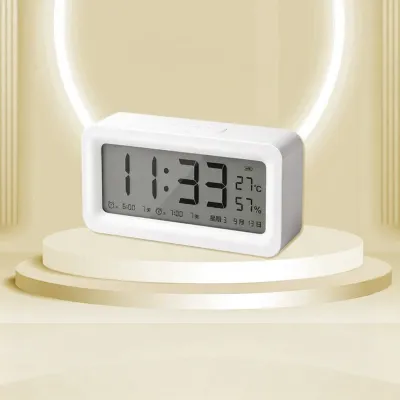
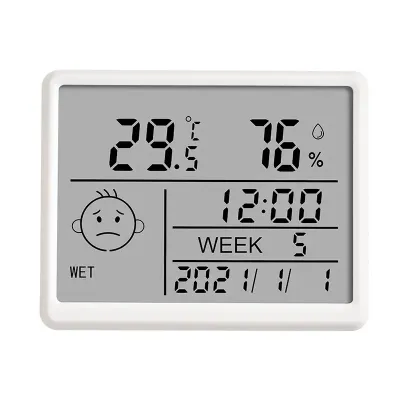
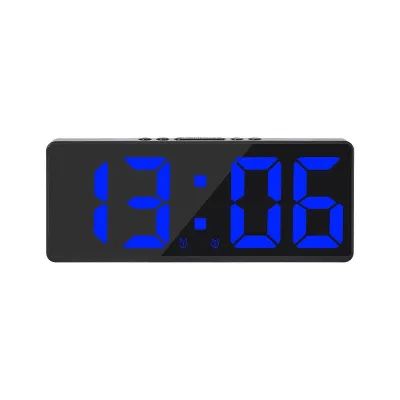
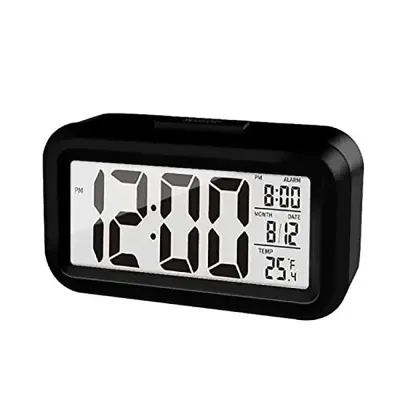
Prices are valid at publication and may change. Please refer to the product page for the latest price.
Bed Shaker and Vibration Clocks
Tactile alarms bypass the auditory system entirely, making them highly effective for heavy sleepers, individuals with hearing loss, or those who share a room and do not want to wake their partner. These systems consist of a main clock unit connected to a physical vibration pad, often called a bed shaker. The pad is placed under the mattress or pillow. When the alarm triggers, a small internal motor with an eccentric rotating mass spins rapidly, creating a strong, localized physical shaking sensation that physically disrupts sleep.
Combination Audio and Tactile Units
For the most stubborn sleepers, combination units offer the ultimate wake-up solution by triggering multiple sensory pathways simultaneously. These devices combine a high-decibel speaker with a plug-in vibration pad. By bombarding the brain with both intense sound and physical movement, these clocks make it nearly impossible to remain asleep. They are particularly useful for individuals who suffer from sleep inertia—the groggy state characterized by cognitive impairment and a strong desire to return to sleep immediately after waking.
Smart and App-Connected Clocks
Modern digital alarm clocks often incorporate smart features, allowing users to customize their wake-up routines via smartphone applications. These devices can sync with wearable sleep trackers to trigger the alarm during a light sleep phase within a pre-defined time window. Additionally, some smart clocks feature progressive wake-up routines, gradually increasing light levels to mimic a natural sunrise before sounding the audio or physical alarm. This gradual transition helps regulate cortisol and melatonin levels, leading to a more refreshed waking state.
Critical Specifications to Check Before Buying
Selecting a powerful and reliable digital alarm clock requires looking past marketing buzzwords and focusing on concrete technical specifications.

Decibel Ratings and Volume Adjustability
When browsing digital alarm clocks, pay close attention to the decibel (dB) ratings provided by manufacturers. A rating of 80 to 90 dB is generally sufficient for moderate sleepers, while heavy sleepers should look for devices capable of reaching 100 to 113 dB. However, extreme volume can cause hearing damage if the device is placed too close to the ears. Therefore, it is critical to select a clock with a fully adjustable volume dial rather than simple high/low presets. This allows you to fine-tune the sound to a level that is effective yet safe for your specific bedroom layout.
Bed Shaker Cord Length and Vibration Intensity
For vibration-based alarms, the physical specifications of the bed shaker accessory are just as important as the clock itself. Verify the length of the cord connecting the shaker pad to the main unit; a cord that is too short (less than 1.5 meters) will limit your placement options, especially if your power outlet is far from the bed. Additionally, look for models that offer adjustable vibration intensity settings. A thick pocket-spring mattress will absorb more kinetic energy than a thin foam mattress, requiring a higher vibration setting to be felt through the layers of bedding.
Snooze Button Design and Dismissal Mechanisms
The physical design of the snooze button can make or break your morning routine. Many standard clocks feature large, easily accessible snooze buttons on top, which are easy to press mindlessly while half-asleep. For heavy sleepers, look for clocks with small, recessed snooze buttons, or those that require a multi-step process to turn off, such as flipping a physical switch on the back or solving a simple puzzle. Some advanced models even omit the snooze button entirely, forcing you to fully wake up to deactivate the alarm.
Power Backup and Nighttime Display Comfort
A reliable alarm clock must perform flawlessly under all conditions while maintaining a sleep-friendly environment in your bedroom.
Battery Backup Systems for Power Outage Protection
Singapore’s electrical grid is highly reliable, but localized power trips or accidental unplugging can still occur. A digital alarm clock without a backup power source will reset to 12:00 and fail to sound the alarm if power is interrupted. When selecting a clock, verify the type of battery backup system it uses. Some models use a small button-cell battery (like a CR2032) solely to preserve the time and alarm settings in memory, meaning the clock will not display the time or sound the alarm until main power is restored. For absolute reliability, look for clocks that support full battery backup, allowing the alarm to sound using battery power alone during an outage.
Display Dimming and Melatonin Preservation
The quality of your sleep directly impacts how difficult it is to wake up in the morning. Digital alarm clocks with bright, unshielded LED displays can emit significant amounts of blue light, which suppresses the production of melatonin—the hormone responsible for regulating sleep-wake cycles. To maintain a healthy sleep environment, choose a clock with an adjustable brightness display. Look for features like auto-dimming, which uses a light sensor to automatically lower the screen’s brightness when the room goes dark, or a “display off” mode that keeps the screen completely dark until a button is pressed.
Choosing the Right Display Technology
LCD screens with a gentle backlight are often easier on the eyes than direct LED displays. If you prefer an LED display, opt for red or amber digits rather than blue or white. Red light has a longer wavelength and is far less disruptive to circadian rhythms, allowing you to check the time in the middle of the night without fully waking your brain or interfering with your ability to fall back asleep.
How to Evaluate Online Listings and User Reviews
Navigating online marketplaces requires a critical eye to separate high-quality devices from cheap, ineffective novelties.
Verifying Manufacturer Volume Claims
E-commerce platforms and online marketplaces are flooded with digital alarm clocks claiming extreme decibel levels. However, these claims are often measured directly at the speaker cone in a laboratory setting, which does not reflect real-world performance. To verify these claims, read through customer reviews specifically looking for mentions of volume. Look for feedback from self-proclaimed heavy sleepers who can confirm if the alarm is genuinely loud enough to wake them from across a room, or if the sound is tinny and easily ignored. While basic models may cost around S$20, high-quality combination units with certified power adapters typically range from S$40 to S$90.
Assessing Long-Term Durability of Mechanical Parts
Because bed shakers rely on physical moving parts, they are more prone to wear and tear than solid-state electronic components. When evaluating online listings, filter user reviews to look for long-term feedback spanning six months to a year. Pay attention to complaints regarding the vibration motor losing power over time, the connection jack becoming loose, or the internal wiring fraying near the entry point of the shaker pad. A durable, high-quality shaker pad should have reinforced strain relief boots at both ends of the cable.
Power Adapter and Voltage Compatibility in Singapore
Many specialized alarm clocks are imported from international markets and may come with power adapters designed for different electrical standards. In Singapore, the standard domestic voltage is 230V at a frequency of 50Hz, utilizing the Type G three-pin plug. Before purchasing, check the product specifications to ensure the included power adapter is compatible with Singapore’s voltage and plug type. If the clock uses a USB power cable, verify the required amperage; some high-power sonic or vibrating clocks require a 2A or 3A USB wall adapter to function at full capacity, and using a standard 1A phone charger may result in weak vibrations or quiet audio.
Setup and Placement for Maximum Wake-Up Success
Once you have selected the right digital alarm clock, proper configuration and placement are essential to maximize its effectiveness.
Strategic Placement to Force Physical Movement
The most common mistake heavy sleepers make is placing their digital alarm clock on a bedside table within arm’s reach. This makes it too easy to hit the snooze button or turn off the alarm without fully regaining consciousness. Instead, position the main clock unit across the room, requiring you to physically get out of bed, walk across the floor, and stand up to deactivate it. This physical movement increases your heart rate and helps dispel sleep inertia, making it much less likely that you will crawl back into bed.
Safe Installation of Vibration Pads
If your clock includes a bed shaker pad, proper installation is key to both effectiveness and safety. For maximum tactile transfer, place the pad directly under your fitted sheet or pillowcase if you are a very deep sleeper, or under the mattress if you prefer a slightly dampened vibration. Ensure the cable is routed neatly along the side of the bed frame, away from areas where it could be pinched by moving parts (such as adjustable bed frames) or tripped over in the dark. Avoid wrapping the cord tightly around bedposts, as this can cause internal wire damage over time.
Configuring Progressive Alarm Schedules
To prevent your brain from becoming habituated to a single alarm sound, utilize the multiple alarm profiles available on most digital clocks. Set a primary alarm with a gentle tone or vibration to start the waking process, followed by a secondary, high-decibel alarm five to ten minutes later placed across the room. This progressive approach reduces the shock of a sudden loud noise while providing a reliable safety net if you sleep through the initial alert.
Frequently Asked Questions (FAQ)
Can a standard digital alarm clock be modified to wake a heavy sleeper?
Standard digital alarm clocks are generally limited by their small, low-wattage internal speakers, which cannot produce the deep, low-frequency tones or high decibel levels required to wake a heavy sleeper. Attempting to modify a standard clock by splicing in external speakers or third-party vibration pads is highly discouraged. Standard clock circuits are not designed to output the electrical current necessary to drive a mechanical vibration motor or a high-power speaker, which can lead to short circuits, device failure, or potential fire hazards. If you require physical vibration or extreme volume, it is far safer and more reliable to invest in a dedicated, certified multi-sensory alarm clock designed specifically for this purpose.
Are bed shaker alarm clocks safe to use under all types of mattresses?
Yes, bed shaker pads are generally safe for use with almost all mattress types, including memory foam, latex, pocket spring, and traditional innerspring mattresses. Because the vibration is mechanical and does not generate significant heat, there is no risk of damaging temperature-sensitive memory foam materials. However, when using a bed shaker with an adjustable bed frame, you must exercise caution during installation. Ensure the connecting cable has enough slack to accommodate the full range of motion of the bed frame without being pinched, stretched, or caught in the lifting mechanisms, which could damage the cord and create an electrical hazard.

Community discussion
Share your experience or ask a question. Comments are reviewed before publication.