
Selecting the right emergency backup lighting for a Singapore Housing & Development Board (HDB) flat requires balancing immediate illumination needs with the physical realities of public housing. While the EDC09 is a popular option, determining whether it or an alternative model is best for your home depends on verifying specific household layout constraints, battery runtime requirements, and your preferred mounting method. No single emergency light serves as a universal solution for every household; the ideal choice is always one that aligns with your flat’s electrical setup, available wall space, and safety priorities.
To make an informed decision, you must evaluate how a backup light integrates into your daily living environment. Factors such as the narrow dimensions of HDB corridors, the thick concrete walls of household shelters, and the placement of existing electrical outlets all play a critical role in how effectively an emergency light will perform when the power goes out. By systematically comparing the physical specifications and operational designs of the EDC09 against alternative lighting categories, you can secure a reliable backup system that keeps your household safe and well-lit during unexpected blackouts.
Key Factors for Choosing Emergency Lights in HDB Flats
When planning your emergency lighting strategy, the unique architectural features of HDB flats must guide your selection process. Space is often at a premium in entryways, household shelters, and transition corridors. Before purchasing any lighting fixture, measure the physical clearance of your intended installation zones to ensure the device will not obstruct daily foot traffic or conflict with nearby doors. A bulky light unit mounted in a narrow hallway can easily become a physical hazard during regular use, defeating its safety purpose.
Products mentioned in this guide
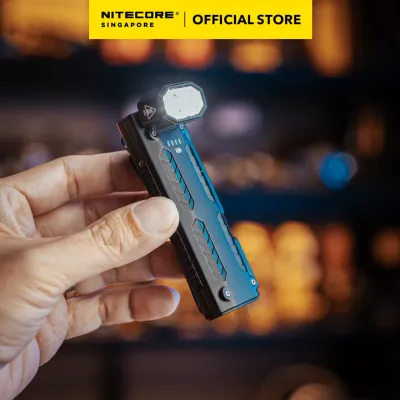
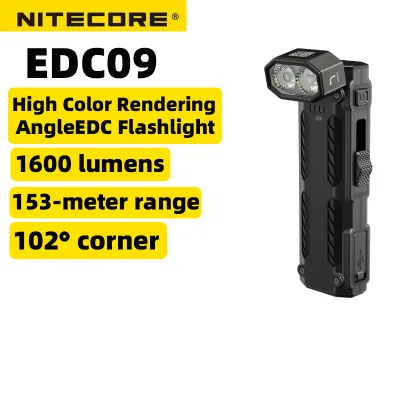
Prices are valid at publication and may change. Please refer to the product page for the latest price.
Mounting flexibility is another critical consideration that varies across different flat layouts. Depending on your home’s design, you may prefer a wall-plug unit, a magnetic model that adheres to metal surfaces like shelter doors, or a semi-permanent ceiling-mounted fixture. If you rent your flat or prefer not to drill into concrete walls, non-invasive mounting options such as adhesive pads or magnetic backings are highly desirable.
Battery runtime and light output must also match your household’s needs. During a power failure, your primary goal is safe navigation, which requires sufficient brightness to illuminate floor hazards without causing blinding glare. Review the lumen rating on the product packaging; a light that is too dim will fail to illuminate long corridors, while an excessively bright light can cause harsh reflections off polished floor tiles. Additionally, verify the estimated battery runtime to ensure it covers typical recovery windows.
Evaluating the EDC09: Specifications and HDB Suitability
To determine if the EDC09 is the right fit for your HDB flat, you must carefully inspect its official product documentation, packaging labels, and manufacturer specification sheets. Start by verifying the exact physical dimensions and weight of the unit. This step is crucial for confirming whether the device can sit flush against your wall or fit within the compact confines of a utility closet. Check the included mounting hardware listed in the manual to see if it supports your preferred installation method, whether that involves screws, brackets, or adhesive solutions.

Battery technology and charging behavior are equally important parameters to verify on the EDC09’s specification label. Look for details regarding the battery chemistry, such as lithium-ion or nickel-metal hydride, as this affects both the lifespan of the device and its maintenance requirements. Verify the expected runtime on a full charge under different brightness modes, and locate the physical charging indicators on the device housing.
Finally, assess the light output and beam pattern of the EDC09 to ensure it matches your flat’s spatial layout. Check the manufacturer’s stated lumen output and compare it to the size of the room you intend to illuminate. A wide beam angle is generally preferable for open-concept living rooms, as it disperses light evenly across a larger footprint. For narrow HDB corridors, a more focused beam may be sufficient to light the path to the exit.
Comparing the EDC09 Against Alternative Emergency Light Types
Weighing the EDC09 against other common categories of emergency lighting reveals distinct trade-offs in convenience, portability, and installation complexity. Plug-in wall units represent one of the most common alternatives, designed to remain plugged into a standard electrical socket continuously. These units typically activate automatically the moment utility power is lost, providing instant illumination. However, they occupy valuable wall outlets, which can be a significant drawback in older HDB flats where power sockets are limited and easily blocked by bulky furniture.
Portable rechargeable lanterns offer a different set of advantages, primarily centered around mobility. These devices can be easily picked up and carried from room to room, making them highly versatile for tasks like checking electrical distribution boards. The trade-off, however, is that portable lanterns usually require manual activation when a blackout occurs, and they demand a disciplined charging routine to ensure they remain functional when needed.
For permanent, wide-area coverage, ceiling-mounted bulkhead lights are a robust alternative, though they come with strict installation boundaries. These fixtures are typically hardwired into the home’s electrical system, providing reliable, high-output illumination over a broad area without occupying wall sockets. However, installing a hardwired bulkhead requires professional wiring and must be performed by a licensed electrical worker to ensure compliance with local safety standards.
Installation, Safety, and Maintenance Checks
Deploying any emergency light in your HDB flat requires strict adherence to electrical safety guidelines to prevent hazards such as short circuits or battery fires. Always verify that the device is rated for Singapore’s standard voltage of 230V at 50Hz before plugging it into a wall outlet. If you are using plug-in models, avoid overloading your electrical outlets by daisy-chaining multiple adapters, extension cords, or smart plugs. The emergency light should ideally have a dedicated socket or be plugged directly into a high-quality, surge-protected power strip.
Establishing a routine maintenance and testing schedule is vital to ensure your backup lighting remains operational when an actual emergency arises. Set a recurring reminder to test the automatic switch-over function of your plug-in lights by temporarily disconnecting them from the power source. Observe how quickly the light activates and monitor how long the battery holds its charge during a brief test run.
Battery health is the most critical factor in long-term reliability, requiring regular visual and operational checks. Over time, rechargeable batteries naturally degrade, which can manifest as a significant drop in runtime or physical swelling of the battery compartment. If you notice the device casing becoming unusually hot to the touch during charging, or if the battery fails to hold a charge for more than a few minutes, discontinue use immediately. For hardwired systems, always consult a qualified electrician rather than attempting unauthorized repairs.
How to Make Your Final Decision
To choose the ideal backup lighting setup for your HDB flat, synthesize your household’s physical constraints and operational preferences into a clear decision framework.
Choose the EDC09 if you have verified that its physical dimensions, mounting options, and automatic activation features align perfectly with your available wall space and outlet configuration. This model is highly suitable for residents who want a reliable, self-contained unit that can be easily monitored and maintained without requiring permanent structural changes to their living space.
Choose an alternative option if your household requires maximum portability or permanent, high-output coverage. A portable rechargeable lantern is the better choice if you prioritize the flexibility to move your light source between rooms during an outage. On the other hand, a hardwired ceiling bulkhead is superior if you want a permanent, professional installation that leaves your wall outlets entirely free.
Verify first if your intended installation location involves damp environments, such as bathrooms or service yards, as these areas require fixtures with specific ingress protection (IP) ratings. Furthermore, if you plan to mount any fixture near or inside your HDB household shelter, ensure the installation method does not involve drilling into the reinforced concrete walls, which is strictly prohibited under public housing structural guidelines.
Frequently Asked Questions (FAQ)
Do emergency lights consume a lot of electricity when left plugged in?
Modern plug-in emergency lights are designed with energy efficiency in mind, utilizing advanced LED technology and smart charging circuits that minimize standby power draw. To determine the exact energy consumption of a specific model, check the standby wattage rating printed on the product label or detailed in the user manual. Once the internal battery is fully charged, the device typically enters a low-power maintenance mode, drawing only a negligible amount of electricity to keep the battery topped up. This standby consumption is generally extremely low, resulting in minimal impact on your monthly household utility bill.
Can I install a hardwired emergency light in my HDB household shelter?
Installing a hardwired emergency light inside an HDB household shelter, commonly referred to as a bomb shelter, is subject to strict structural and safety regulations. The reinforced concrete walls and steel doors of these shelters are critical structural components designed to withstand external forces, and any unauthorized drilling, hacking, or modification of the walls is strictly prohibited. If you require emergency lighting inside your shelter, opt for non-invasive solutions such as magnetic lights that adhere to the steel door frame, or battery-powered units placed on existing shelving. For any permanent electrical work, always consult official HDB guidelines or hire a licensed electrical worker.

Community discussion
Share your experience or ask a question. Comments are reviewed before publication.