
When comparing electric aroma burner brands, price differences are rarely just about aesthetics. Genuine value lies in precise temperature control, material safety, and reliable timers, while features like multi-color LEDs or unverified “nano” labels often serve as marketing gimmicks. This guide provides a practical framework to evaluate which specifications actually justify a premium and how to match the right features to your daily routine.
In Singapore’s warm and humid climate, indoor scent management often relies on air-conditioned spaces where air circulation is tightly controlled. Choosing the wrong device can lead to scorched oils, poor scent dispersion, or electrical hazards. By focusing on core engineering rather than cosmetic add-ons, you can select a durable device that safely maximizes the life of your essential oils.
Core Specifications That Justify Premium Pricing
Precision temperature control is the most critical feature of a high-quality electric aroma burner. Essential oils are complex, volatile organic compounds that degrade rapidly when exposed to excessive heat. Standard, low-cost burners often use basic heating elements that continuously rise in temperature, scorching the oil and producing a bitter, burnt smell. Premium brands incorporate adjustable dimmers or digital temperature selectors, allowing you to calibrate the heat based on the viscosity of the oil, such as light citrus oils or thicker wood-based resins.
Products mentioned in this guide
![[KIRONA SCENT] Aromatic Pond Electric Burner | 100% Pure Essential Oil | Flameless Aromatherapy Home Decor Gifts](https://img.lazcdn.com/g/p/b0d150d955927baae87d85bd14710865.jpg_400x400q80.jpg_.webp)
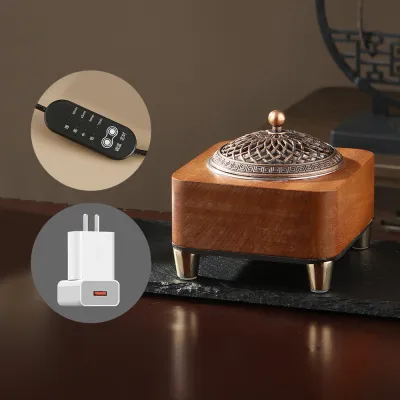
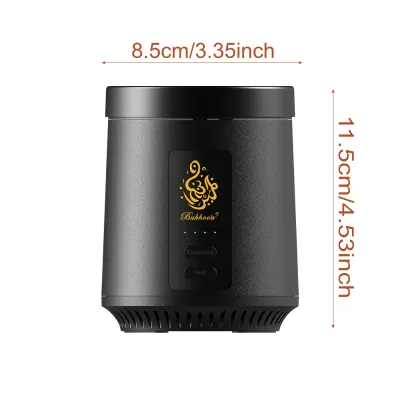
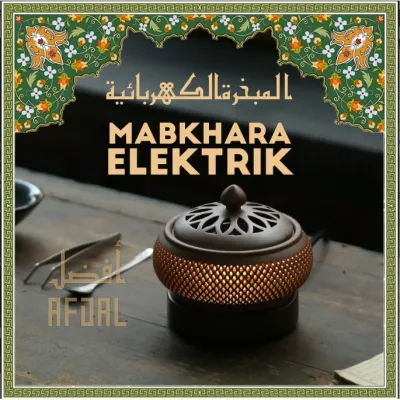
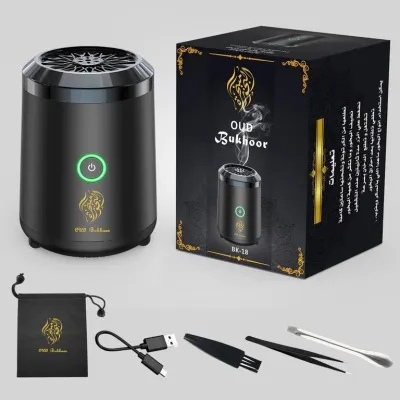
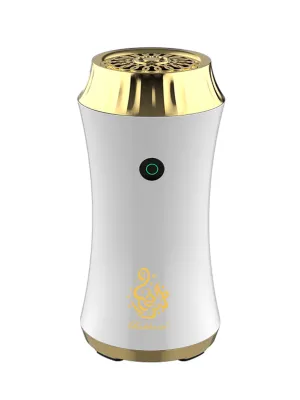
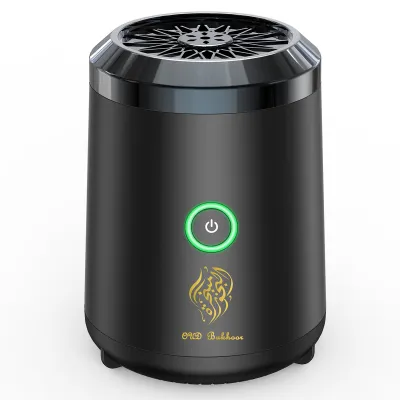
Prices are valid at publication and may change. Please refer to the product page for the latest price.
Material quality directly impacts both safety and the purity of the diffused scent. The evaporation dish must withstand repeated thermal expansion and contraction without cracking. Cheap plastics or low-grade metals can react with acidic essential oils, leaching chemical byproducts into the air. High-grade ceramics, borosilicate glass, and medical-grade stainless steel are non-reactive materials that distribute heat evenly and are simple to wipe clean.
Reliable auto-shutoff mechanisms and programmable timers are essential safety features for any heat-based appliance. If a burner runs dry, the heating element can overheat, damaging the device or creating a fire hazard. Built-in timers allow you to set the device to operate for specific intervals, such as one, three, or five hours, before automatically powering down. This is particularly useful for bedroom use, ensuring the device shuts off safely after you fall asleep.
Marketing Gimmicks That Inflate the Cost
Multi-color LED mood lighting is a common feature used to justify higher retail prices. While built-in lights can add visual appeal, they have no impact on the actual diffusion of essential oils. Complex lighting systems increase the internal wiring complexity and the likelihood of component failure over time. If you already have dedicated ambient lighting in your home, paying a premium for a burner with dozens of light settings is rarely a practical investment.

Unsubstantiated air-purifying or “nano-ionic” claims are frequently applied to simple thermal evaporation devices. A standard electric aroma burner works solely by heating a liquid mixture to evaporate volatile compounds; it does not possess the filtration systems required to remove dust, pollen, or smoke from the air. True air purification requires physical HEPA filters or active carbon systems. Be skeptical of brands that market thermal burners as complete air-cleaning solutions.
Exaggerated room coverage metrics are another marketing tactic to watch out for. Manufacturers often claim a small tabletop burner can scent an entire apartment, but these metrics rarely account for real-world variables. Scent dispersion depends heavily on room ventilation, ceiling height, and the layout of your home. Instead of relying on arbitrary square-footage ratings, evaluate the burner’s physical dish capacity and heating wattage to determine its suitability for your space.
Matching Burner Features to Your Space and Routine
Selecting the right burner requires matching its physical capacity and heat output to the size of your room. For small, enclosed spaces like a study or a bedroom in a Singapore HDB flat, a compact burner with a shallow dish and a low-wattage heating element (typically 10W to 15W) is ideal. This setup prevents the scent from becoming overpowering in a confined area. For open-plan living and dining areas, a larger dish capacity paired with a higher-wattage element (20W to 25W) is necessary to project the aroma across a larger volume of air.
Consider whether your routine is better served by continuous heating or programmable intermittent cycles. Continuous heating is excellent for a quick, intense burst of fragrance, but it can lead to sensory adaptation, where your nose becomes accustomed to the scent and you stop noticing it. Intermittent cycles—where the burner heats for a set period, pauses, and then restarts—help maintain a consistent background aroma while conserving your essential oils.
The physical footprint, cord length, and surface heat of the device are crucial for safe placement on home furniture. Ensure the power cord is long enough to reach your wall outlet without being stretched tight across walkways, which creates a tripping hazard. Additionally, check if the base of the burner remains cool to the touch during operation. Models with insulated bases protect delicate wooden tabletops or veneered furniture from heat discoloration and warping.
Pre-Purchase Checklist for Safety and Compatibility
Before purchasing an electric aroma burner, verify that the device is fully compatible with local electrical standards. In Singapore, the standard domestic voltage is 230V at 50Hz, and the standard plug is the Type G three-pin plug. Importing devices rated for lower voltages (such as 110V) without a proper transformer can damage the heating element or cause electrical failures. Avoid relying on temporary travel adapters for appliances that generate heat over several hours.
Look for recognized electrical safety certifications on the product label or packaging. Compliance marks indicate that the device’s wiring, insulation, and heating components have undergone rigorous testing to prevent short circuits and overheating. Choosing certified products significantly reduces the risk of electrical hazards in your home.
Finally, review the brand’s warranty terms and the availability of replacement parts. Because heating elements and light bulbs have a finite lifespan, a local warranty provides valuable protection against premature failure. Additionally, check if the brand sells replacement ceramic dishes or glass trays separately. If a fragile dish accidentally slips and breaks during cleaning, being able to purchase a standalone replacement prevents you from having to discard the entire electrical base.
Frequently Asked Questions (FAQ)
Can I use wax melts in an electric aroma burner designed for essential oils?
Wax melts require a specific temperature range to melt completely and release their fragrance without burning. Many electric burners designed strictly for essential oils operate at lower temperatures or feature shallow dishes that cannot safely contain the volume of melted wax. Using wax melts in an incompatible device can lead to wax overflow, smoking, or damage to the heating element. Always check the manufacturer’s manual to confirm if the device is rated for both oils and wax melts before use.
How do I clean the heating plate or dish without damaging it?
To clean the dish safely, turn off the burner, unplug it from the wall outlet, and allow the unit to cool down completely. Wipe away any liquid residue with a soft, damp microfiber cloth. For stubborn, baked-on oil buildup, apply a small amount of rubbing alcohol or a mild dish soap solution to the cloth and gently rub the surface. Never submerge the electrical base in water, and avoid using abrasive scrubbers or harsh chemical cleaners that can scratch the protective glaze of the ceramic.

Community discussion
Share your experience or ask a question. Comments are reviewed before publication.