
Selecting the right electric lamp for a home prayer altar involves balancing cultural traditions, spatial constraints, and strict safety requirements. Because altars often feature wooden structures, continuous operation, and nearby open flames or incense, the ideal lighting choice goes beyond simple aesthetics. This guide outlines the essential evaluation criteria, safety checks, and style considerations to help you build a reliable shortlist of suitable electric lamps for your worship space in Singapore.
When setting up a sacred space at home, the lighting serves both a functional and a symbolic purpose. A well-chosen lamp illuminates the deities or ancestral tablets clearly, creating a serene atmosphere conducive to daily prayers and reflection. However, because these lamps are frequently left turned on for extended periods—sometimes indefinitely—making an informed decision about their electrical design and physical placement is paramount for household safety.
Key Factors for Choosing a Prayer Altar Lamp
Achieving the right visual balance on your prayer altar requires careful attention to proportion and scale. A lamp that is too large can overwhelm the space, drawing attention away from the deity statues or ancestral tablets, while a lamp that is too small may fail to provide adequate illumination. Before purchasing any lighting fixture, measure the available surface area on your altar, taking note of the height of your statues and the placement of other ritual items like incense burners and offering cups. Ensuring there is sufficient physical clearance around the lamp prevents the altar from looking cluttered and allows you to perform daily rituals without accidentally knocking over the fixtures.
Products mentioned in this guide
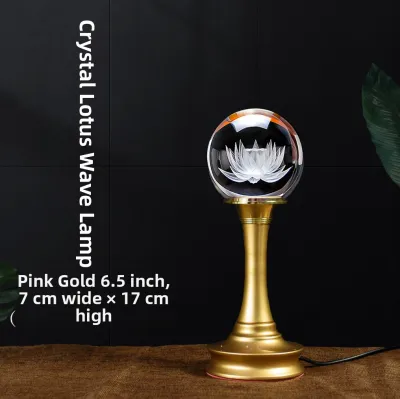
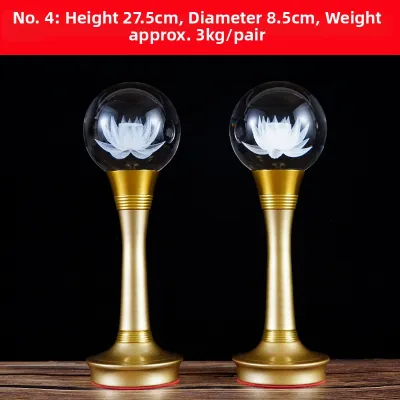
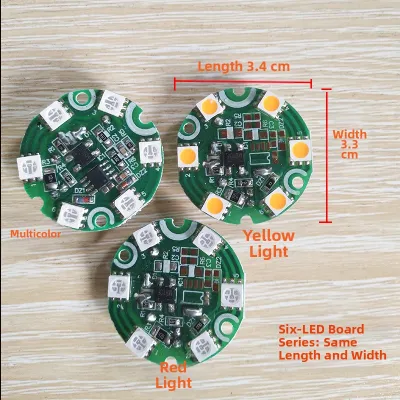
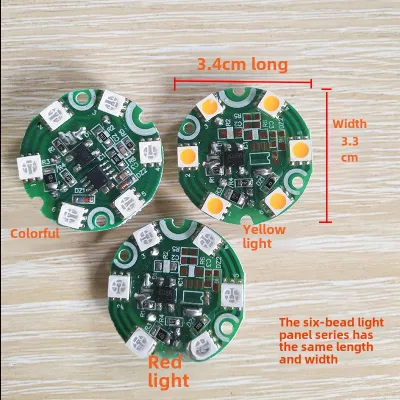
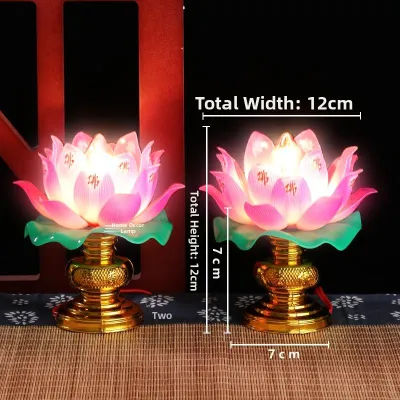
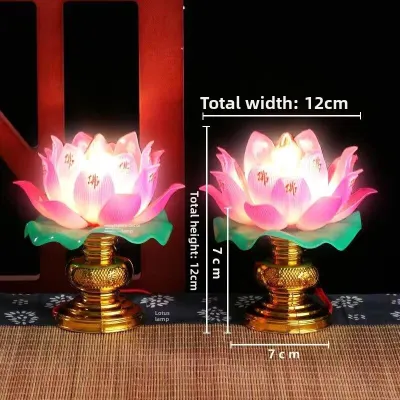
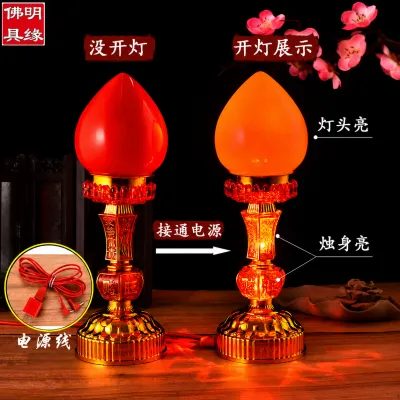
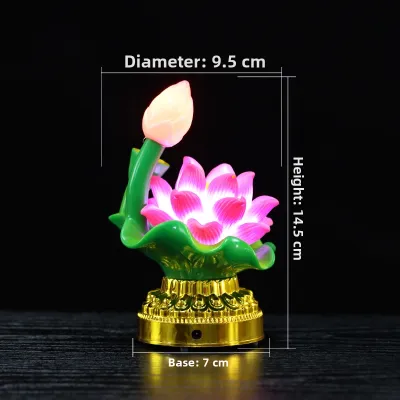
Prices are valid at publication and may change. Please refer to the product page for the latest price.
The aesthetic design of the lamp should harmonize with your household’s decorative preferences and the overall style of your altar. Traditional prayer altars often feature ornate wooden carvings, where classic red or warm golden lamps with lotus motifs or crystal-like details fit seamlessly. Conversely, modern homes with minimalist altars integrated into contemporary cabinetry may benefit from sleek, understated designs with clean lines and neutral finishes. Because decorative style and perceived color temperature are highly subjective, these choices should be treated as conditional preferences that depend on your specific home environment rather than universal rules of performance.
Material durability is another critical consideration, particularly because altar lamps are regularly exposed to incense smoke, airborne ash, and heat. Over time, a sticky residue can accumulate on the surfaces of the lamps, which can discolor or degrade low-quality materials. Selecting fixtures made from robust materials such as brass, tempered glass, or high-grade heat-resistant plastics ensures that the lamps can withstand long-term exposure without warping or cracking. Additionally, consider how easy the surfaces are to clean; smooth, non-porous finishes are much easier to maintain and keep free of soot than intricate, highly textured designs that trap dust and residue.
Electrical Safety and Fire Prevention Checks
Operating any electrical appliance continuously on a wooden altar requires strict adherence to safety standards to prevent electrical faults and fire hazards. In Singapore, the standard domestic electricity supply operates at a voltage of 230V with a frequency of 50Hz, utilizing the Type G three-pin plug. When selecting an electric lamp, always verify that the product’s voltage rating and plug type match these local specifications directly. Avoid using cheap, uncertified travel adapters or voltage converters, as loose connections within these adapters can lead to electrical arcing, overheating, and potential short circuits.

Managing the heat output of your altar lamps is essential, especially when they are positioned near combustible materials such as wooden panels, paper offerings, or decorative fabric banners. Even modern LED lamps, which are significantly cooler than traditional incandescent bulbs, generate heat within their internal drivers and circuitry. Maintain a safe clearance of at least several centimeters between the lamp housing and any nearby objects. Ensure that the area surrounding the lamp base is well-ventilated to allow heat to dissipate naturally, and never drape decorative items directly over the light fixture or its power supply.
Proper power cord routing is a simple yet frequently overlooked aspect of altar safety. Plan the path of the power cables carefully to ensure they are not pinched behind heavy wooden furniture, stepped on, or stretched under tension, which can damage the internal copper wiring over time. Avoid running cords underneath carpets or rugs, as this traps heat and creates a hidden fire hazard. Furthermore, resist the temptation to daisy-chain multiple extension boards or overload a single wall socket with numerous plugs; instead, use a high-quality, certified power strip with individual switches and built-in surge protection to manage your altar’s electrical needs safely.
For advanced setups that involve fixed electrical wiring, such as wall-mounted sconces or hanging pendant lights, safety boundaries must be strictly observed. Always isolate the power supply at the main distribution board before attempting any installation or maintenance work. If the installation requires working at height to mount fixtures near the ceiling, or if you are unfamiliar with local electrical wiring regulations, always engage a licensed electrical worker to perform the installation. This ensures that the wiring is safely routed, properly grounded, and compliant with all relevant building and safety codes.
Common Lamp Styles and Their Best Use Cases
Different altar configurations and worship habits call for specific styles of electric lamps to optimize both safety and visual appeal. One of the most popular options for traditional setups is the LED simulated oil lamp. These fixtures are designed to replicate the warm, gentle flicker of a classic oil wick, providing the desired traditional aesthetic without the inherent fire hazards, soot, and ongoing maintenance associated with open flames and liquid fuel. They are highly suitable for households that wish to maintain a continuous, symbolic flame effect on their altars while prioritizing peace of mind.
For contemporary homes with compact or wall-mounted altars, modern table lamps or low-profile accent lights offer an excellent solution. These fixtures often feature sleek, space-saving designs that fit neatly into tight corners without crowding the altar surface. Many modern options utilize energy-efficient LEDs with adjustable brightness levels or selectable color temperatures, allowing you to customize the lighting effect to suit the ambient conditions of your living room. Some compact models are even powered via USB interfaces, offering flexible placement options near existing home electronics.
In larger homes or dedicated prayer rooms where surface space on the altar is at a premium, wall-mounted sconces or hanging fixtures are highly effective. By mounting the light sources on the adjacent walls or suspending them from the ceiling, you free up valuable surface area on the altar for deity statues, incense burners, and daily food offerings. Hanging fixtures also provide excellent overhead or ambient illumination, casting a soft, even glow over the entire worship space. When choosing suspended or wall-mounted options, ensure that the mounting brackets are securely anchored to support the weight of the fixtures safely over the long term.
Building Your Shortlist: Pre-Purchase Verification
Before finalizing your purchase of an electric prayer lamp, whether from a physical retail store or an online marketplace, conducting a thorough pre-purchase verification will help you avoid low-quality or unsafe products. First and foremost, check the product packaging or the online listing description for recognized safety marks and electrical certifications. In Singapore, look for the distinctive Safety Mark, which indicates that the appliance or its power adapter has been tested by an approved body and meets the necessary safety requirements for domestic use. Avoid purchasing unbranded or exceptionally cheap electrical items that lack clear certification details.
Another critical factor to evaluate is whether the light source of the lamp is user-replaceable or fully integrated. Because prayer altar lamps are often kept illuminated for many hours each day, the lifespan of the light source is a major consideration. Lamps with integrated LEDs are sleek and modern, but once the light source eventually fails, the entire fixture must be discarded and replaced. On the other hand, lamps that utilize standard, replaceable bulbs (such as those with E14 or E27 screw bases) allow you to easily swap out a failed bulb while retaining the decorative lamp fixture, offering better long-term value and convenience.
When purchasing from online marketplaces or ecommerce platforms, take the time to review the seller’s ratings, customer feedback, and return policies. Look for reviews from buyers who have used the lamps continuously over several months, as this can provide valuable insights into the product’s real-world durability and thermal performance. Confirm the terms of any warranty provided by the seller or manufacturer, ensuring that you have a clear recourse in the event of premature LED failure or manufacturing defects. Choosing reputable sellers who offer responsive customer support adds an extra layer of protection to your purchase.
Frequently Asked Questions (FAQ)
Is it safe to leave an electric prayer lamp on 24/7?
Leaving an electric prayer lamp on continuously is generally safe, provided the fixture is specifically designed for continuous operation and utilizes energy-efficient LED technology. Unlike traditional incandescent bulbs, which convert a significant amount of electricity into heat, LEDs operate at much lower temperatures, drastically reducing the risk of overheating. However, you must ensure that the lamp’s power adapter and housing have adequate ventilation to dissipate any heat generated by the internal circuitry. Always check the manufacturer’s instructions for any specified maximum operating hours, and avoid leaving lamps on indefinitely if they show signs of excessive heat buildup or lack proper safety certifications.
How should I clean an electric lamp exposed to daily incense smoke?
To clean an electric lamp that has accumulated incense residue, always begin by isolating the power supply. Unplug the lamp from the wall socket and allow the fixture to cool down completely before touching any electrical components. Prepare a gentle cleaning solution using a soft microfiber cloth slightly dampened with warm water and a mild, non-abrasive dish soap. Gently wipe down the exterior surfaces of the lamp to remove the sticky soot and dust, taking extreme care not to let any moisture enter the electrical sockets, switches, or internal wiring. Once clean, wipe the lamp dry with a separate dry cloth and allow it to air-dry completely before plugging it back in and turning it on.

Community discussion
Share your experience or ask a question. Comments are reviewed before publication.