
Choosing between an electric and a candle oil burner depends on your household safety needs, daily convenience preferences, and living situation. Electric models offer set-and-forget consistency and are ideal for homes with pets or children, while candle burners provide a traditional, cordless aesthetic that requires active monitoring.
By evaluating how each type operates, their safety implications, and maintenance needs, you can select the ideal option to gently scent your living space. There is no single universal winner, as the right choice depends entirely on your specific environment.
How Electric and Candle Oil Burners Actually Work
To make an informed choice, it helps to understand how these two devices heat and disperse your chosen scents.
Products mentioned in this guide
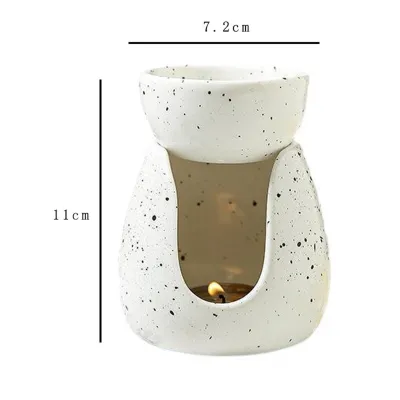
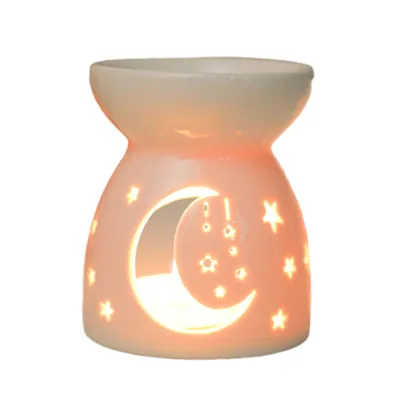
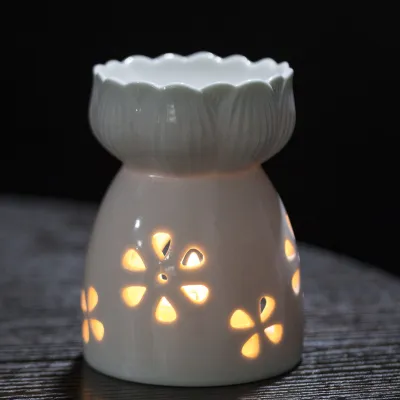
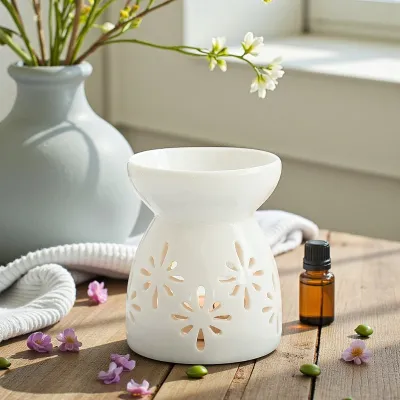
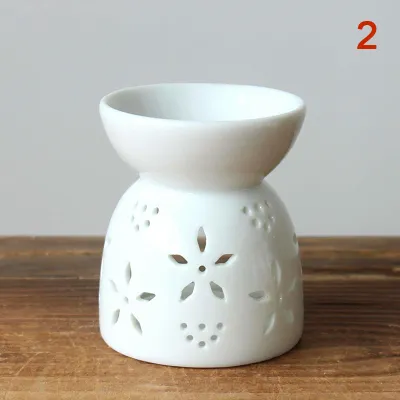

Prices are valid at publication and may change. Please refer to the product page for the latest price.
Electric oil burners utilize a built-in heating element to warm the oil and water mixture. This element is typically a low-wattage heating plate or a specialized halogen bulb positioned directly beneath a removable ceramic or glass dish. As electricity flows through the circuit, the plate or bulb generates a steady, low-intensity heat that warms the dish. This gentle warmth causes the volatile aromatic compounds in the essential oil to evaporate gradually into the surrounding air.
Candle oil burners rely on a much simpler, traditional thermal mechanism. These devices feature a physical chamber or stand where a small tealight candle is placed. Directly above the candle holder sits a suspended bowl or dish filled with water and a few drops of oil. Once you light the candle, the open flame heats the bottom of the bowl. The intense, direct heat from the flame quickly warms the liquid, causing rapid evaporation and scent dispersal.
When browsing options, always check the product packaging for key operational specifications. For electric models, verify the voltage rating to ensure it matches your home’s electrical system, which is typically 220V to 240V in Singapore. For candle models, observe the distance between the candle flame and the bottom of the bowl, as a bowl positioned too close to the flame can cause the water to boil too rapidly and scorch the oil.
Safety Profiles and Household Suitability
Safety is often the deciding factor when choosing between these two aromatherapy methods.

Candle burners carry inherent fire risks because they rely on an open flame. A burning tealight must never be left unattended, even for a few minutes. It requires a stable, heat-resistant surface away from drafts, open windows, and flammable household items such as curtains, books, or dried floral arrangements.
Electric burners eliminate the risk of an open flame but introduce their own set of electrical safety considerations. When using an electric model, you must regularly inspect the power cord for any signs of wear, fraying, or damage. It is also important to verify that the plug is properly rated and that the device features an automatic shutoff mechanism. This safety feature automatically turns off the heating element when the water in the dish evaporates completely, preventing overheating and potential electrical hazards.
The composition of your household should heavily influence your decision. If you have young children or curious pets, such as cats or dogs, a candle burner poses a significant hazard. A pet knocking over a lit candle burner can result in spilled hot wax, boiling water, and a serious fire risk. Electric burners are far safer for high-traffic areas, though you must still position the power cord carefully to prevent tripping hazards.
Your living situation and local housing rules may also dictate your choice. Many rental agreements, university dormitories, and co-living spaces strictly prohibit the use of open flames, including candles. In high-rise apartments or condominiums with sensitive, hardwired smoke detectors, the smoke produced when blowing out a tealight candle can sometimes trigger alarms. In these environments, a flameless electric burner is the most practical and compliant option. Always verify the manufacturer’s safety labels, warning stickers, and local electrical certifications before operating any device.
Daily Convenience, Cleaning, and Running Costs
Evaluating the daily effort and ongoing expenses of each burner type will help you choose a model that fits seamlessly into your routine.
Electric burners offer unmatched convenience for daily use. Setting up the device requires simply filling the reservoir with water, adding a few drops of essential oil, and plugging it into a wall outlet. Many electric models come equipped with built-in timers, adjustable heat settings, or automatic shutoff functions. These features allow you to enjoy continuous aromatherapy throughout the day or night without the need for constant supervision.
Candle burners require a more hands-on approach. You must manually light the tealight candle and keep a close eye on the water level in the bowl. If the water evaporates completely while the candle is still burning, the dry ceramic bowl can overheat, crack, or scorch the remaining oil residue. This means you cannot safely leave a candle burner running while you sleep or step out of the house.
Cleaning routines also differ between the two types. Electric burners generally require a simple wipe-down of the heating dish with a damp cloth once the unit has cooled down. Candle burners, however, often accumulate black carbon soot on the underside of the bowl due to the open flame. This soot requires regular scrubbing with mild soap and warm water to keep the burner looking clean and to prevent the buildup from insulating the bowl and reducing heat transfer.
Ongoing operational costs are another practical consideration. Electric burners are highly energy-efficient, typically consuming between 10 and 25 watts of power, which adds a negligible amount to your monthly utility bill. Candle burners do not use electricity, but they require a constant supply of tealight candles. While a single tealight may only cost a fraction of a dollar, the recurring cost of purchasing packs of candles over time can eventually exceed the minor electricity costs of running an electric model.
Scent Throw, Heat Consistency, and Ambiance
The heating method you choose directly impacts the quality of your fragrance experience and the visual atmosphere of your room.
Electric burners excel at providing consistent heat. Because the electrical heating element maintains a steady temperature, the water and oil mixture warms up uniformly. This controlled heat ensures a gradual, long-lasting release of fragrance, preserving the delicate aromatic profiles of high-quality essential oils without burning or altering them.
Candle burners, on the other hand, deliver a more intense but fluctuating heat. The temperature of the bowl can vary depending on the height of the candle wick, the strength of the flame, and any ambient drafts in the room. This higher heat can lead to a stronger initial scent throw, which is excellent for quickly filling a room with fragrance. However, the intense heat can sometimes overheat more delicate oils, causing them to lose their therapeutic properties or develop a slightly scorched aroma.
In terms of ambiance, candle burners offer a classic, cozy appeal that electric models struggle to match. The soft, flickering glow of a tealight candle creates a warm, relaxing visual environment that is perfect for evening wind-downs, meditation, or bath times. Electric burners tend to have a more modern, minimalist aesthetic. While some electric models feature built-in LED lights that can mimic a soft glow or cycle through different colors, they generally lack the organic warmth of a real flame.
Consider your room size and airflow when making your choice. For large, open-plan living areas, a high-capacity electric burner or an ultrasonic model can provide a more consistent and widespread scent throw. For smaller, enclosed spaces like a home office or a bathroom, a compact candle burner can easily disperse sufficient fragrance while adding a comforting visual element to the decor.
Decision Framework: Which Oil Burner Should You Choose?
To determine which oil burner is the right fit for your home, consider this straightforward, condition-based framework.
You should choose an electric oil burner if you prioritize safety, convenience, and consistent performance. This type is highly recommended if you have children or pets, live in a rental property or dormitory with strict fire safety rules, or want to enjoy aromatherapy while sleeping or working without the need to monitor a flame. It is also the better option if you prefer a low-maintenance device with adjustable settings and minimal recurring costs.
You should choose a candle oil burner if you value traditional aesthetics and portability. This option is ideal if you want to create a cozy, candlelit ambiance in your home, prefer a cordless device that can be placed on any table or shelf regardless of outlet locations, and are comfortable actively monitoring the open flame while it is in use.
Before making your final decision, verify a few practical details. Check the viscosity of the oils you plan to use; thick carrier oils or heavy botanical resins may require the higher, more direct heat of a candle burner to evaporate effectively. Additionally, ensure your chosen location has a nearby electrical outlet if you opt for an electric model, or is completely free of drafts and flammable materials if you choose a candle burner.
Frequently Asked Questions (FAQ)
Can I use fragrance oils instead of essential oils?
Yes, but you must check the manufacturer’s instructions first. Synthetic fragrance oils often have different viscosities and flash points compared to pure essential oils. Some fragrance oils may leave a sticky residue or burn more quickly, requiring more frequent cleaning of the burner bowl.
How do I safely clean an oil burner bowl?
Always ensure the device is completely cool and unplugged (or the candle is fully extinguished) before cleaning. Wipe the bowl with a soft cloth dipped in warm water and mild dish soap; avoid abrasive scrubbers that could scratch the ceramic glaze. For electric models, strictly avoid letting water contact the electrical base, cord, or heating elements to prevent electrical hazards.

Community discussion
Share your experience or ask a question. Comments are reviewed before publication.