
Choosing the right aromatherapy diffuser for your home in Singapore involves balancing aesthetic appeal, functional performance, and long-term maintenance costs. While Epitex is widely recognized across the island for its high-quality home textiles and bedding, the brand also offers a curated selection of home fragrance products, including ultrasonic diffusers and ambient scents. To determine whether an Epitex diffuser or an alternative brand best suits your living space, you must evaluate several technical specifications, operational features, and design elements.
Understanding how these devices function in Singapore’s unique tropical climate is key to making an informed purchase. This guide breaks down the essential comparison dimensions, scent performance factors, maintenance requirements, and decision criteria to help you select the ideal diffuser for your home.
Core Comparison Dimensions for Epitex Scent Diffusers
When comparing Epitex diffusers to other options on the market, the first step is to analyze the underlying diffusion technology. Most lifestyle brands, including Epitex, primarily offer ultrasonic diffusers. These devices use a small ceramic disc that vibrates at an ultrasonic frequency to break down a mixture of water and essential oil into a fine, cool mist. In contrast, some specialized aromatherapy brands offer waterless nebulizing diffusers, which use pressurized air to atomize pure essential oil directly into the air. Ultrasonic models are generally quieter and consume oil at a much slower rate, making them highly efficient for daily ambient scenting, whereas nebulizers deliver a much stronger, undiluted aroma at the expense of higher oil consumption.
Products mentioned in this guide
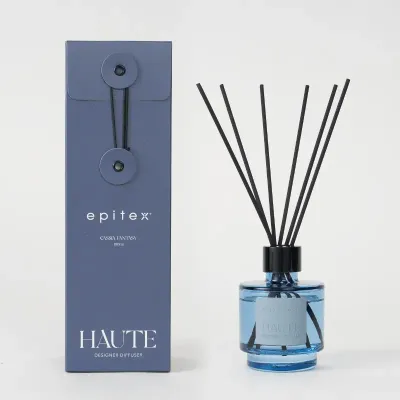
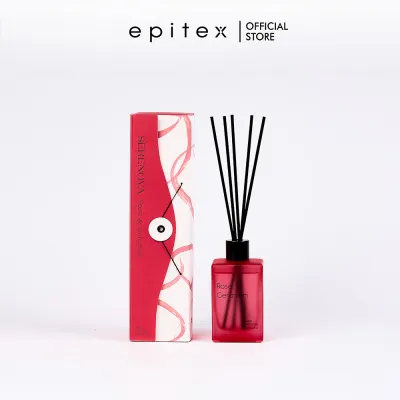
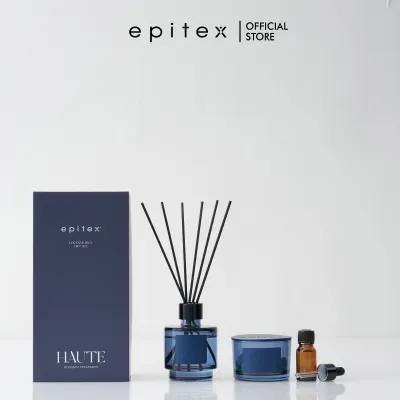
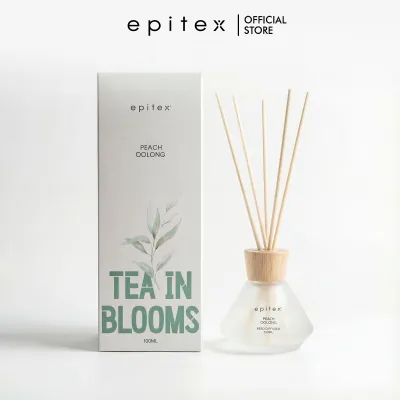
Prices are valid at publication and may change. Please refer to the product page for the latest price.
Tank capacity is another critical specification that directly impacts continuous run time. Compact diffusers typically feature water tanks ranging from 100ml to 150ml, which generally provide around three to five hours of continuous mist. Larger models with 300ml to 500ml capacities can run for eight to twelve hours or more on lower settings, making them suitable for overnight use. When evaluating any diffuser, always check the manufacturer’s label for the estimated run times at specific mist output settings, as high-mist modes will deplete the water tank much faster.
Electrical compatibility and safety certifications are paramount for any household appliance used in Singapore. Ensure that any diffuser you purchase is compatible with the local electrical standard of 230V and 50Hz. Power adapters should ideally carry the Safety Mark issued by Enterprise Singapore, which indicates the device has been tested and certified safe for domestic use. Additionally, verify the connection interface; while some modern diffusers utilize convenient USB-C ports that can run off power banks or laptop ports, others rely on proprietary DC adapters that require a dedicated wall outlet.
Finally, consider the operational noise levels and light settings of the device. Ultrasonic diffusers are inherently quiet, typically operating below 35 decibels, though they do produce a gentle water-dripping sound that some find soothing and others find distracting. If you plan to use the diffuser in a bedroom or workspace, verify whether the built-in LED lights can be dimmed, set to a single color, or turned off entirely while the mist function remains active.
Evaluating Scent Performance and Coverage
Scent throw and room coverage are highly dependent on the layout of your home and the specific diffusion method used. Manufacturers often list a maximum coverage area in square meters, but these estimates assume a closed room with minimal airflow and standard ceiling heights. In a typical Singapore HDB flat or condominium, open-concept living rooms, active air conditioning, and ceiling fans will rapidly disperse the mist, requiring a diffuser with a higher output or strategic placement near seating areas. For smaller, enclosed spaces like bedrooms or study rooms, a standard ultrasonic diffuser is usually more than adequate to distribute a consistent aroma.

To get the most out of your preferred epitex scent, it is helpful to understand how water-based diffusion affects fragrance perception. Because ultrasonic diffusers dilute essential oils in water, the resulting scent profile is softer and accompanied by a subtle humidifying effect. This is often preferred for daily relaxation or creating a calming background ambiance. If you prefer an intense, immediate fragrance that fills a large open-concept space quickly, a waterless nebulizer may be a more suitable alternative, though it will require more frequent oil refills.
Oil compatibility is another crucial factor to verify before purchasing. Pure essential oils have varying viscosities; light citrus oils like lemon or sweet orange vaporize easily, while thicker wood or resin-based oils like sandalwood, patchouli, or vetiver can leave sticky residues on the ultrasonic plate. Always check the manufacturer’s guidelines regarding the use of third-party oils. While most ultrasonic diffusers can physically run any water-soluble essential oil, using synthetic fragrance oils or heavy carrier oils (such as jojoba or sweet almond oil) can clog the delicate transducer plate and permanently damage the device.
To customize your sensory experience, look for diffusers that offer adjustable mist outputs and intermittent timer settings. An intermittent mode—such as cycling thirty seconds on and thirty seconds off—is highly beneficial. It not only conserves water and essential oil but also helps prevent olfactory fatigue, a common phenomenon where your nose becomes accustomed to a continuous scent and stops detecting it after a short period.
Design, Maintenance, and Long-Term Value
The materials used in a diffuser’s construction affect both its visual appeal and its durability. High-quality diffusers typically feature internal water tanks made from polypropylene (PP) plastic, which is highly resistant to the corrosive properties of concentrated essential oils. The outer casing can range from budget-friendly ABS plastic to premium materials like hand-blown glass, ceramic, or real wood veneers. While ceramic and glass covers offer a sophisticated look that complements modern home decor, they are fragile and require careful handling during cleaning and refilling.
Routine maintenance is essential to keep your diffuser operating efficiently and to prevent scent cross-contamination. Over time, tap water minerals and residual essential oils can form a stubborn buildup on the ultrasonic plate, reducing mist output and altering the purity of the diffused scent. In Singapore’s warm and humid climate, standing water left in a diffuser tank can also become a breeding ground for mold and bacteria. Developing a habit of emptying and wiping down the tank every few days ensures a clean, safe misting experience.
Before making a final decision, compare the warranty terms and the availability of local after-sales support. Purchasing from an established brand with a physical retail presence in Singapore makes it much easier to address any manufacturing defects or source replacement parts, such as lost power cords or damaged tank lids. In contrast, buying unbranded or parallel-imported diffusers from online marketplaces may leave you without recourse if the device fails after a few weeks of use.
When calculating the long-term value of a diffuser, look beyond the initial purchase price in S$. A cheaper, low-quality diffuser that lacks an automatic shut-off safety feature or has an inefficient ultrasonic plate may break down quickly or consume essential oils at an unsustainable rate. Investing in a well-constructed, energy-efficient model with precise mist controls and a reliable local warranty often proves to be the more cost-effective choice over time.
Decision Framework: When to Choose Epitex or Alternatives
To help finalize your purchase, use this conditional framework to match a diffuser to your specific lifestyle, spatial constraints, and aesthetic preferences:
- Choose Epitex if: You appreciate cohesive home styling and want a beautifully designed ultrasonic diffuser that blends seamlessly with modern bedroom decor. Epitex is an excellent choice if you prefer the convenience of purchasing curated diffuser and scent bundles directly from reputable local retail outlets, backed by accessible customer service in Singapore.
- Choose alternative brands if: You require specialized, waterless nebulization for maximum scent intensity, need to cover exceptionally large or commercial-grade open spaces, or want advanced smart-home integrations such as mobile app scheduling, voice assistant compatibility, or multi-room synchronization.
- Verify first if: Anyone in your household suffers from severe respiratory allergies, asthma, or chronic lung conditions, as diffusing essential oils can sometimes trigger respiratory irritation. Additionally, if you keep sensitive pets like cats or dogs, verify which essential oils are safe to diffuse, as certain common plant extracts are highly toxic to animals when inhaled or absorbed through the skin.
Frequently Asked Questions (FAQ)
Can I use third-party essential oils in an Epitex diffuser?
Yes, most ultrasonic diffusers are physically compatible with third-party water-soluble essential oils. However, you should always verify the manufacturer’s warranty guidelines before doing so. Avoid using thick carrier oils, synthetic perfumes, or alcohol-based scents, as these can clog or corrode the ultrasonic transducer plate. To maintain optimal performance and protect your device, stick to 100% pure, water-soluble essential oils.
How do I clean an Epitex diffuser to maintain optimal scent throw?
To maintain a strong, clean scent throw, clean your diffuser every five to six uses or whenever you change oil scents. First, disconnect the power adapter from the electrical outlet. Empty any remaining water from the tank, ensuring water does not enter the air outlet vent. Wipe the interior with a soft, damp cloth and a few drops of mild dish soap or white vinegar to dissolve oil residue. Gently clean the ultrasonic plate with a cotton swab dipped in rubbing alcohol. Rinse carefully, wipe dry, and let the unit air-dry completely before the next use.

Community discussion
Share your experience or ask a question. Comments are reviewed before publication.