
Setting up a home altar is a deeply meaningful practice that establishes a peaceful, sacred space for reflection, ancestral remembrance, or deity worship. In modern living environments, particularly in compact urban apartments, creating this space requires a thoughtful balance of cultural tradition, spatial planning, and practical safety. By carefully selecting your prayer items, you can build an altar that honors your spiritual practices while fitting seamlessly into your home’s layout and aesthetic.
To establish a proper and respectful setup, you must first distinguish between the foundational must-have items and the optional accessories that enhance the space. This guide outlines the essential Chinese prayer items required for a complete home altar, provides safety guidelines for managing heat and electricity, and offers practical advice on selecting durable materials that withstand daily use.
Core Essentials: Must-Have Items for Your Home Altar
The foundation of any home altar rests on a few core items that facilitate daily rituals. Selecting these items requires attention to their physical dimensions, symbolic placement, and stability to ensure the altar remains both respectful and safe.
Products mentioned in this guide
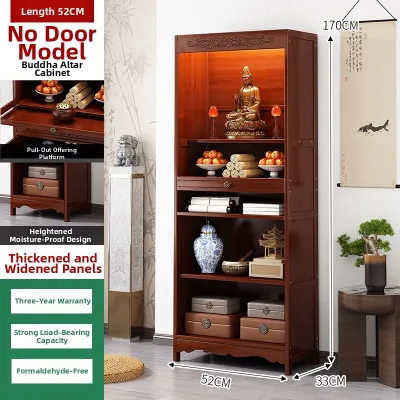
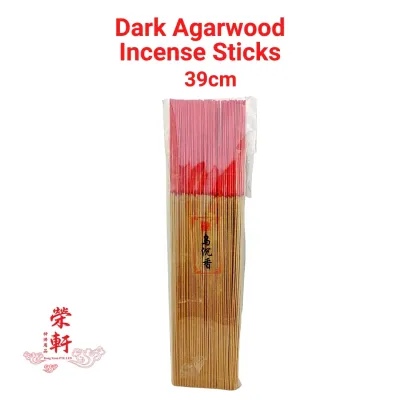
![[SG] 500 Joss Stick Sandalwood Non Smoke Chinese Praying Incense Indoor Buddha Stick Candle](https://img.lazcdn.com/g/p/cdfcacb91f591d0d07c89097fbd32992.jpg_400x400q80.jpg_.webp)



Prices are valid at publication and may change. Please refer to the product page for the latest price.
Deity representations, such as statues, figurines, or sacred scrolls, serve as the central focus of your altar. When choosing a statue, measure the vertical clearance of your altar table or niche to ensure the figure fits comfortably without touching the upper shelf or ceiling. If your practice involves honoring multiple deities, arrange them according to a traditional hierarchy. The primary deity must occupy the central, most prominent position, often elevated slightly on a small wooden pedestal, while secondary figures or ancestral tablets are placed to the left and right.
The incense burner, or censer, is the spiritual heart of the altar, holding the incense sticks that carry prayers upward. Choose a burner with a wide, heavy base to prevent any risk of tipping over during use. The diameter of the burner should match your daily practice; if you typically light three sticks of incense, a medium-sized burner provides enough space for the sticks to stand upright without crowding. Ensure the burner is filled with high-quality incense ash or clean sand to keep the sticks stable and to extinguish them safely as they burn down.
Lighting elements symbolize wisdom and clarity, illuminating the sacred space. While traditional wax candles and oil lamps offer a classic aesthetic, they present significant fire hazards in modern homes. Modern LED candles and electric oil lamps provide a highly stable, flame-free alternative. When selecting electric lighting, verify that the fixtures are compatible with your local voltage (typically 230V) and carry recognized electrical safety certifications. Look for low-wattage LED bulbs with standard bases, such as E12 or E14, which remain cool to the touch even during extended use.
Offering vessels are essential for presenting daily offerings of water, tea, or wine to the deities. These vessels are traditionally arranged in matching sets of three or five, placed in a straight line directly in front of the incense burner. Select cups and bowls made of consistent materials, such as fine porcelain or polished brass, that are appropriately scaled for your altar table. The vessels should be small enough to allow easy handling and refilling without disturbing the surrounding items or crowding the front edge of the altar.
Optional Accessories to Enhance Your Prayer Space
Once the core essentials are in place, you can introduce optional accessories to customize the altar to your specific daily practices, comfort needs, and spatial constraints.

Sutra stands and book holders are highly beneficial for those who incorporate daily chanting, reading, or meditation into their routine. An adjustable wooden or metal stand holds sacred texts at an optimal reading angle, reducing neck strain and keeping your hands free to hold prayer beads or perform hand gestures. Look for foldable designs made of lightweight materials that can be easily stored away when not in use, keeping the altar surface uncluttered.
Comfort items are crucial for maintaining focus during extended prayer or meditation sessions. Thick kneeling cushions or padded prayer mats protect your knees and joints from hard tile or timber flooring. When selecting a cushion, prioritize high-density foam fillings that retain their shape over time, and ensure the cover features a non-slip rubber base to prevent sliding on polished surfaces. Removable, washable covers made of breathable fabrics like cotton or linen will simplify your long-term maintenance routine.
Specialized offering plates and trays are used to present larger items such as fresh fruits, traditional cakes, or vegetarian dishes during festivals and special occasions. These plates should be dedicated solely to altar use and kept separate from your everyday kitchenware. Flat, wide-rimmed ceramic or lacquer trays are ideal, as they provide a stable surface for stacking fruits like oranges or apples, preventing them from rolling off the altar table.
Decorative elements, including embroidered altar cloths, borders, and backdrops, help define the sacred boundary of your altar while protecting the underlying furniture. A high-quality altar cloth shields wooden surfaces from accidental wax drips, water rings, and falling incense ash. When choosing textiles, ensure they are sized correctly to avoid hanging loose near open flames or hot light bulbs, and select patterns that complement the overall aesthetic of your room without creating visual clutter.
Space Planning and Safety Checks for Your Setup
A proper home altar must be physically safe, structurally sound, and compliant with modern home safety standards. Proper planning prevents fire hazards, electrical issues, and accidental damage to your property.
Fire safety and ventilation are paramount when using traditional incense and candles. Position your altar in a well-ventilated area near a window to allow smoke to disperse easily, but keep it away from direct drafts, air conditioning vents, or fans that could blow sparks onto nearby curtains or paper offerings. Always place a fireproof barrier, such as a thick ceramic tile, tempered glass sheet, or specialized fire-resistant mat, directly beneath your incense burner and candle holders to protect the wooden altar surface from heat damage.
The structural integrity of your altar support must be verified before placing heavy items. Solid wood altars, brass incense burners, and stone statues can accumulate significant weight. If you are using a wall-mounted floating shelf, ensure it is anchored securely into concrete walls using heavy-duty wall plugs and brackets. Check the manufacturer’s specified weight capacity for the shelf and ensure the total weight of your prayer items remains well below this limit to prevent structural failure.
Electrical safety is critical when integrating illuminated shrines, electric oil lamps, or decorative LED backdrops. Avoid daisy-chaining multiple extension cords or overloading a single power outlet. Ensure all electrical cords are routed neatly behind the altar to prevent trip hazards, and check that all plugs and adapters carry valid safety marks from recognized testing bodies. If your setup requires complex wiring or the installation of new wall sockets, always hire a qualified professional electrician to perform the work safely.
Environmental placement plays a key role in preserving your prayer items and maintaining a respectful atmosphere. Avoid setting up your altar directly adjacent to bathroom doors, under exposed structural beams, or in damp areas like utility yards where high humidity can cause wood to warp and metal items to tarnish. Choose a stable, low-traffic corner of your living room or study where the altar will not be accidentally bumped by family members, pets, or vacuum cleaners.
How to Select Materials and Sizes for Your Space
Selecting the right materials and proportions ensures your home altar remains durable, easy to clean, and visually balanced within your living space.
Different materials offer distinct trade-offs in terms of durability, weight, and maintenance. Solid wood, such as teak or rosewood, provides a classic, warm aesthetic but is susceptible to warping in humid climates and requires protection from heat. Brass is incredibly durable and traditional, but it oxidizes over time and requires regular polishing to maintain its shine. Ceramic and resin are excellent, low-maintenance alternatives; they are completely resistant to humidity, easy to wipe clean with a damp cloth, and available in a wide variety of traditional designs.
Proportion and scale are essential for creating a balanced and functional layout. Before purchasing any prayer items, measure the exact width, depth, and height of your altar table. A common mistake is buying items that are too large, which crowds the surface and increases the risk of knocking items over during daily rituals. Aim to leave at least one-third of the altar surface clear as open space, allowing you to place daily food offerings and move your hands safely while lighting incense.
Always use a verification checklist when purchasing items from local shops or online marketplaces. Read the manufacturer labels and product specifications carefully to confirm the material composition and care instructions. For electrical items, verify the voltage rating, wattage limits, bulb base type, and dimming compatibility if you plan to adjust the brightness of your altar lights. Avoid purchasing items that lack clear safety labeling or material specifications.
Long-term maintenance is key to keeping your altar looking respectful and clean. Establish a simple routine: dust intricate wooden carvings weekly with a soft, dry brush, and wash ceramic offering cups daily with mild soap and water. If you use brass items, keep a dedicated metal polish on hand to remove tarnish before major festive occasions. By planning for maintenance during the selection process, you can choose materials that fit your lifestyle and upkeep capacity.
Frequently Asked Questions (FAQ)
Can I use artificial flowers and fruits on the altar?
Yes, artificial flowers and fruits are acceptable for daily decorative use on a home altar, especially if your schedule or frequent travel makes maintaining fresh offerings difficult. They help keep the altar looking vibrant and respectful at all times. However, you must keep these synthetic items completely clean and free of dust through regular wiping. During major traditional festivals, ancestral death anniversaries, or significant prayer days, it is highly preferred to temporarily replace them with fresh flowers and real fruits to show sincerity and respect.
How do I safely dispose of old or damaged prayer items?
Old or damaged prayer items, particularly deity statues, ancestral tablets, and sacred texts, should never be thrown directly into regular household waste, as this is considered highly disrespectful. For deity representations and sacred texts, the recommended protocol is to consult a local temple, where priests can guide you on proper retirement rituals or accept the items for respectful decommissioning. For broken ceramic burners, glass oil lamps, or metal cups that are no longer usable, wrap them carefully in clean red paper or cloth before placing them in a designated disposal area, or seek recycling options specifically meant for those materials.

Community discussion
Share your experience or ask a question. Comments are reviewed before publication.