
Setting up a home altar for the Hungry Ghost Festival (Zhong Yuan Jie) is a deeply rooted tradition that requires careful selection of Chinese prayer items. To balance spiritual respect with modern household safety, especially in high-rise apartments or compact living spaces, you need a clear understanding of the essential tools, proper arrangement, and safety protocols. This guide outlines the foundational items required for a respectful setup, safe lighting alternatives, and practical maintenance tips to ensure a secure environment for your observances.
Core Altar Essentials: What You Actually Need
To establish a proper home altar, you must first distinguish between the core ritual necessities and optional decorative embellishments. The absolute essentials for a Hungry Ghost Festival altar include a dedicated incense burner (censer), offering vessels (such as small cups for tea or wine, and plates for food offerings), and a focal representation. For the Hungry Ghost Festival, the focus is often directed toward ancestors or wandering spirits, which may be represented by temporary paper tablets or simply a clean, dedicated space facing outwards, such as toward a balcony or main door.
The spatial arrangement of these items must follow a traditional hierarchy to maintain order and respect. Place the focal point—such as ancestor tablets or deity figures—at the very back of the altar, elevated slightly if possible. Directly in front of the focal point, position the incense burner, which acts as the central channel of communication. The offering vessels, including tea cups and plates for food, should be arranged neatly in the foreground, closest to the edge of the table. This layout ensures that you can easily reach the incense burner without accidentally knocking over food or liquid offerings.
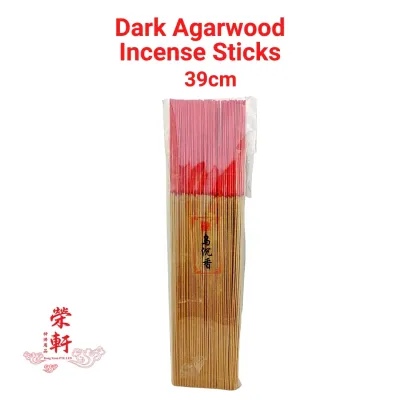
Products mentioned in this guide

![[SG] 500 Joss Stick Sandalwood Non Smoke Chinese Praying Incense Indoor Buddha Stick Candle](https://img.lazcdn.com/g/p/cdfcacb91f591d0d07c89097fbd32992.jpg_400x400q80.jpg_.webp)


Prices are valid at publication and may change. Please refer to the product page for the latest price.
Selecting the right platform is critical for both ritual propriety and physical safety. Use a dedicated, stable table or shelf that is exclusively reserved for prayer purposes during the festival period. Avoid using multi-purpose furniture like dining tables or TV consoles, as these spaces are subject to daily household traffic, increasing the risk of accidental spills or fire hazards. The table should be positioned in a low-traffic area, away from main walkways, pets, and children, ensuring it remains undisturbed throughout the observation.
When sourcing these Chinese prayer items, you can choose between purchasing individual pieces or opting for complete starter sets. Local specialty religious goods stores offer the advantage of personalized advice from experienced shopkeepers who understand specific dialect group customs. Alternatively, online marketplaces and ecommerce platforms provide convenient starter kits that bundle incense burners, offering cups, and basic decorative elements. If buying online, carefully verify the dimensions of each item to ensure they fit your designated altar space without overcrowding.
Lighting the Altar: Safe and Traditional Options
Lighting plays a symbolic role in guiding spirits and creating a solemn atmosphere, but it also presents the highest safety risk on a home altar. Traditional wax candles offer an authentic aesthetic, but they require constant supervision and excellent ventilation to manage smoke and dripping wax. For modern households, especially those in enclosed apartments, LED or electronic candles have become highly practical alternatives. These electronic options eliminate the risk of open flames while replicating the warm, flickering glow of traditional candles, making them ideal for homes with pets, young children, or strict fire safety regulations.

If you choose plug-in electronic candles or eternal lamps (often designed as red pineapples or traditional lanterns), you must verify their electrical specifications before installation. Ensure the voltage matches local household standards and check that the plug type is compatible with your wall outlets without relying on overloaded multi-way adapters. Inspect the power cables thoroughly for any signs of fraying, cracking, or exposed wiring. It is highly recommended to look for recognized safety certification marks on the packaging or product body, which indicate the device has been tested for electrical safety and fire resistance.
For those who prefer traditional wax candles, protecting your furniture from heat and wax damage is essential. Always place open-flame candles on heat-resistant mats, thick ceramic plates, or dedicated metal safety trays. These barriers prevent the intense heat of the candle base from scorching wooden, laminate, or synthetic tabletop surfaces. Additionally, ensure the candle holders are heavy and wide-based to prevent them from tipping over if the table is accidentally bumped.
Establishing clear physical boundaries around your lighting elements is a non-negotiable safety practice. Position all candles—both traditional and electronic—well away from flammable materials such as window curtains, paper decorations, joss paper piles, and hanging altar cloths. Drafts from open windows or fans can easily blow lightweight paper items into an open flame, or cause a candle to burn unevenly and drip excessively. Maintain a clear clearance zone of at least thirty centimeters around any active light source.
Choosing the Right Incense Burner and Holders
The incense burner, or censer, is the physical and spiritual centerpiece of your altar, making its selection a key decision. To prevent hot ash from spilling onto your altar or floor, you must match the burner’s depth and width to the length of the incense sticks you plan to burn. A burner that is too shallow or narrow will allow falling ash to drift outside the vessel, creating a messy cleanup and a potential fire hazard. The burner should be deep enough to hold a stable bed of incense ash or specialized sand, allowing the sticks to stand perfectly upright.
Material selection directly impacts the stability and durability of the burner. Ceramic, brass, and solid stone are the preferred materials due to their weight and heat resistance. Avoid lightweight plastic or thin metal containers that can easily overheat or tip over under the weight of multiple incense sticks. When shopping, look for designs with a broad, heavy base rather than top-heavy or footed styles that are prone to wobbling. A heavy ceramic or brass burner provides the necessary physical ballast to remain secure on the altar surface.
To maximize safety, always place the incense burner on a level, non-combustible surface. Even with a heavy burner, using a dedicated metal or ceramic ash-catching tray underneath the vessel adds an extra layer of protection against stray embers. This tray should extend several inches beyond the perimeter of the burner to catch any ash carried by minor air currents. Ensure the surface beneath the tray is completely flat to prevent any shifting during the ritual.
The number of incense sticks burned typically depends on family traditions and the specific deities or spirits being addressed. When setting up your burner, ensure there is adequate spacing between the inserted sticks. Clumping too many incense sticks closely together can generate concentrated heat, causing the incense to burn too quickly or even ignite into an open flame within the burner. If your family tradition requires burning multiple sticks simultaneously, select a wider burner that allows you to space the sticks evenly apart, reducing heat accumulation.
Arranging the Offerings and Decor
A respectful altar arrangement relies on clean, dedicated offering vessels that are kept separate from everyday household tableware. Select offering plates, bowls, and tea cups made of consistent materials and colors—traditionally red, yellow, or classic porcelain patterns. These vessels must be thoroughly washed before the festival and reserved exclusively for altar use; never return them to your kitchen cabinets for daily dining. Keeping a dedicated set of vessels maintains the spiritual purity of the offerings and prevents cross-contamination.
The altar cloth adds a formal, respectful touch to the setup, but its dimensions and placement must be carefully managed. Choose an altar cloth that fits the table precisely, ensuring it does not drape too close to the floor where it could be tripped over, or hang loosely near active candle flames. Secure the cloth firmly to the table using non-slip mats or clips to prevent it from sliding if pulled. If you are using traditional embroidered cloths, ensure they are made of flame-retardant materials or protected by a clear, heat-resistant glass or acrylic sheet on top of the table.
Fresh offerings, such as fruits (commonly apples and oranges representing peace and prosperity) and fresh flowers, require regular monitoring and timely rotation. In warm, humid tropical climates, fresh food items can spoil rapidly, attracting pests like ants, fruit flies, or rodents to your altar. Inspect the offerings daily for signs of soft spots, mold, or unpleasant odors, and replace them immediately. Proper disposal of spoiled food is essential to maintain a clean, hygienic, and respectful prayer environment.
While incorporating decorative elements like auspicious flowers or traditional knots can enhance the visual appeal of your altar, avoid overcrowding the space. A cluttered altar increases the risk of items accidentally coming into contact with hot incense ash or open flames. Keep the decorative items confined to the outer edges or the back of the altar, leaving a clear, unobstructed path around the incense burner and offering cups. This minimalist approach not only looks more elegant but also ensures a safer environment for performing rituals.
Safety and Maintenance Checklist for Home Altars
Maintaining a safe home altar requires a disciplined daily routine, starting with the proper handling of incense ash. Establish a strict rule to only clean and dispose of incense ashes when they are completely cold to the touch. Transfer the cooled ashes into a dedicated metal or ceramic container rather than discarding them directly into a plastic trash bag. Even ashes that appear extinguished on the surface can retain residual heat in their core, which can easily ignite combustible household waste if disposed of prematurely.
Proper ventilation is critical when burning incense indoors to prevent the buildup of heavy smoke, which can irritate the lungs and trigger sensitive smoke detectors. Ensure that windows are cracked open to allow a gentle, continuous cross-breeze, but position the altar away from direct drafts that could disturb the flames. If you live in a high-rise apartment or a shared housing complex, be mindful of local building guidelines regarding indoor burning and ensure your setup does not cause discomfort to neighbors or violate estate safety rules.
Never leave an active altar unattended. Establish a firm protocol to extinguish all open flames, including wax candles and oil lamps, before leaving the house or going to sleep. For electronic candles and eternal lamps, unplug them from the wall outlet when they are not in use to prevent potential electrical short circuits. Making this check a part of your nightly routine significantly reduces the risk of accidental household fires.
Regular physical maintenance of the altar keeps the space respectful and prevents the accumulation of hazardous residues. Wipe down the altar surfaces, offering vessels, and decorative items regularly with a damp cloth to remove fine ash dust and oily residue left behind by burning incense and candles. This residue can become slippery or flammable over time if allowed to build up. Ensure all electrical components are unplugged before wiping down any electronic lighting fixtures, and allow them to dry completely before plugging them back in.
Frequently Asked Questions (FAQ)
Can I use artificial flowers and fruits on the altar?
Yes, high-quality artificial flowers and fruits are acceptable alternatives, especially for households seeking a low-maintenance setup or those with busy schedules. While fresh offerings are traditionally preferred for their symbolic vitality, synthetic options prevent the issues of rapid spoilage and pest attraction in humid climates. If you choose artificial items, ensure they are kept clean, dust-free, and reserved exclusively for the altar. Regularly wiping them down maintains the respectful appearance of your setup.
How do I safely dispose of burnt incense ashes?
To safely dispose of burnt incense ashes, you must wait until they are completely cold. Do not rely on visual inspection alone, as deep pockets of ash can retain heat for hours. Once fully cooled, gently scoop the ashes into a small bag, seal it tightly, and place it in your regular household waste bin. Never mix warm or recently burned ashes with paper, cardboard, plastic, or other highly combustible materials, as this poses a severe fire risk.
What should I do if my home has limited ventilation?
If your living space has limited ventilation, consider switching to low-smoke or smokeless incense varieties, which are widely available at modern religious goods stores. You can also reduce the physical size and quantity of the incense sticks burned during each prayer session. Alternatively, you can rely entirely on electronic LED candles for lighting and focus your altar setup on fresh food offerings, flowers, and tea, minimizing the use of burning elements altogether while maintaining a respectful tribute.

Community discussion
Share your experience or ask a question. Comments are reviewed before publication.