
Finding the best essential diffuser brand for daily home use in Singapore is not about chasing a single, universally crowned winner. Instead, the ideal choice depends on how a specific model aligns with your home’s layout, your daily routine, and the unique tropical, high-humidity climate of Singapore. Because many households run air conditioning overnight or during work-from-home hours, a diffuser must balance moisture output with the existing ambient humidity.
Evaluating a brand requires looking past marketing buzzwords to examine core engineering: mist consistency, ease of routine maintenance, and long-term mechanical reliability. A high-quality diffuser should seamlessly integrate into your living space—whether that is a compact HDB bedroom or a spacious open-concept condominium living room—without creating excessive dampness or requiring constant, tedious upkeep. By focusing on verifiable specifications and safety certifications, you can identify a brand that delivers consistent performance day after day.
Setting the Baseline: What Makes a Brand the Best for Daily Use
When searching for the right essential diffusers, daily usability is the ultimate benchmark. A diffuser that is difficult to clean or inconsistent in its mist delivery will quickly end up forgotten on a shelf. In Singapore’s warm climate, where indoor environments alternate between humid natural air and dry air-conditioned spaces, the way a brand manages mist distribution is critical. The best brand for your home is one that maintains a steady, fine mist that disperses evenly without leaving a damp residue on nearby wooden furniture or electrical appliances.
Products mentioned in this guide
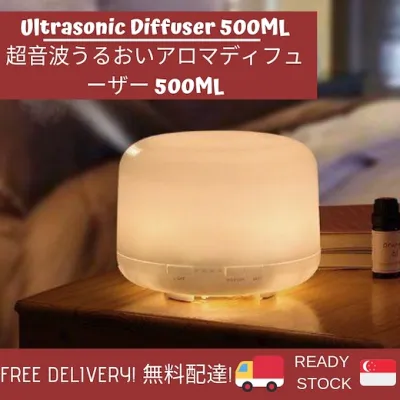
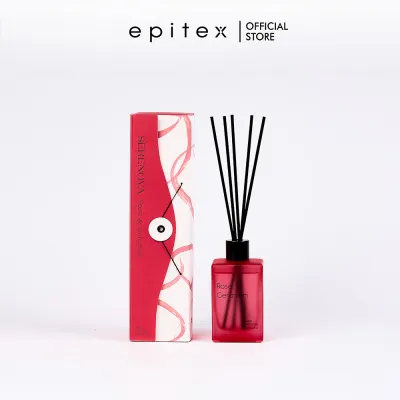

![[SG Seller] Classic Bottle Reed Diffuser Home Fragrant 120ml](https://img.lazcdn.com/g/p/49f1c22ff2ab652269b42042f73cc050.jpg_400x400q80.jpg_.webp)
![[Lanbeea] New 150ML Essential Oil Reed Diffuser | Aroma Reed Diffuser](https://img.lazcdn.com/g/p/d3de2bcc0f1f493fe0e398d583f90683.jpg_400x400q80.jpg_.webp)
![[SG Seller] 200ml Reed Diffuser | Matte Transparent Design| Gifts| Home Decorations| Aromatherapy](https://img.lazcdn.com/g/p/130e1dfdd92c3b59a28903829ff5ab97.jpg_400x400q80.jpg_.webp)
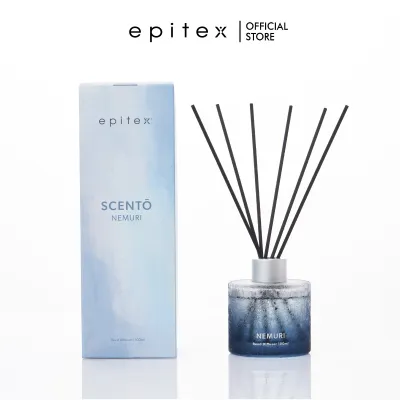
Prices are valid at publication and may change. Please refer to the product page for the latest price.
Reliability and ease of cleaning form the foundation of daily aromatherapy. Because essential oils are naturally viscous and can leave stubborn residues, a well-designed diffuser must feature an accessible water tank with minimal crevices where mold or bacterial buildup can hide. Brands that prioritize user-friendly maintenance typically design their units with wide openings and removable splash guards, making the weekly descaling process straightforward.
Furthermore, evaluating brand claims requires a critical eye. Many manufacturers advertise proprietary diffusion technologies or silent operations that are often just standard ultrasonic mechanisms under branded names. Rather than relying on subjective marketing terms, smart consumers look for concrete specifications such as decibel ratings, water tank capacities, and certified material compositions. By establishing these baseline criteria, you can objectively compare different brands on the market to find a reliable, long-term addition to your home decor.
Core Specifications to Compare Across Brands
To understand how different essential diffusers perform in a real-world home setting, you must compare their core technical specifications. The relationship between tank capacity, continuous runtime, and mist output is the first major point of comparison. A larger water tank, such as one holding 300ml to 500ml, generally allows for longer operation times, often ranging from 6 to 10 hours. However, a large tank does not automatically guarantee a strong scent throw; you must check the rated mist output, usually measured in milliliters per hour (ml/h), to ensure the device can adequately scent your intended space.

The underlying diffusion mechanism is another critical factor. Ultrasonic diffusers are the most common type for daily home use. They use electronic frequencies to vibrate a small ceramic disc at high speeds, breaking down a mixture of water and essential oil into a fine, cool mist. This process adds a small amount of moisture to the air, which can be highly beneficial in dry, air-conditioned rooms.
In contrast, nebulizing diffusers do not use water at all; they use pressurized air to atomize pure essential oil directly into the room. While nebulizers offer a highly concentrated aroma, they consume oil much faster and do not provide any humidifying effects. Heat-based diffusers, which use a gentle heat source to evaporate the oil, are generally less preferred for daily use as heat can alter the chemical profile and therapeutic benefits of certain delicate oils.
Convenience features also vary significantly across brands. Look for models that offer reliable auto-shutoff functions, which automatically turn off the device when the water level runs low to prevent the ultrasonic plate from overheating. Timer settings—such as 1-hour, 3-hour, or intermittent mist modes—allow you to control the intensity of the aroma and conserve both water and oil.
Additionally, consider the noise level during operation; high-quality brands typically keep noise levels below 30 decibels, which is quiet enough for a bedroom. Ambient lighting options, such as warm white LEDs or color-changing cycles, can enhance the decorative appeal of the device, but ensure the light can be turned off completely if you plan to use the diffuser while sleeping.
Evaluating Build Quality, Safety, and Maintenance
A diffuser’s build quality directly impacts its safety, durability, and the purity of the mist it produces. When comparing brands, material safety should be your primary concern. Because essential oils are highly concentrated and can degrade certain plastics over time, it is essential to verify that the water tank is constructed from high-quality, BPA-free plastics, such as polypropylene (PP). Some premium brands offer diffusers with glass, ceramic, or wood outer shells, which not only elevate the aesthetic appeal but also provide a more durable and chemically inert environment for the oils.
Electrical safety is another non-negotiable factor, especially for appliances that run continuously for hours. In Singapore, electrical appliances must comply with local safety regulations. When purchasing a diffuser, check that the power adapter carries the local SAFETY Mark, which indicates that the product has been tested and certified safe for use with Singapore’s 230V 50Hz electrical grid. Avoid using uncertified third-party adapters or plugging the device into overloaded extension cords, particularly in areas near water sources like kitchen counters or bathroom vanities.
Maintenance is a crucial aspect of daily ownership that is often overlooked during the initial purchase. Over time, mineral deposits from tap water and residual essential oils can clog the ultrasonic disc, leading to decreased mist output or mechanical failure. A reliable brand will provide clear, detailed instructions on daily and weekly cleaning routines. Typically, this involves emptying any leftover water daily, wiping the tank dry, and performing a weekly clean using a mixture of water and white vinegar to dissolve mineral buildup.
Finally, consider the brand’s local presence and customer support. Choosing a brand with an established distributor or customer service center in Singapore ensures that you have access to warranty coverage, troubleshooting assistance, and genuine replacement parts. If the ultrasonic disc eventually wears out or the power adapter fails, being able to easily purchase a replacement part locally is far more convenient and sustainable than replacing the entire unit.
Making the Final Decision: Condition-Based Recommendations
To make your final decision, you should match your specific household conditions and lifestyle preferences to the right category of essential diffusers. If you are looking for a device to place in a large, open-concept living room or if you prefer a highly concentrated, pure aroma without adding any moisture to the air, a premium nebulizing diffuser is often the most suitable choice. These models are ideal for short, intense aromatherapy sessions and serve as striking decorative centerpieces, though they require a higher initial investment and more frequent oil refills.
For most daily home scenarios, particularly in air-conditioned bedrooms or study rooms, a standard ultrasonic diffuser offers the best balance of performance, value, and mild humidification. These models are highly budget-friendly, easy to operate, and compatible with a wide variety of essential oils. When choosing an ultrasonic model, select a tank capacity that matches your routine: a compact 100ml to 150ml unit is perfect for a bedside table, while a 300ml to 500ml unit is better suited for all-day or overnight use in larger spaces.
However, there are situations where a standard tabletop diffuser may not be appropriate. If your room lacks proper ventilation, running a diffuser continuously can lead to excessive humidity, which promotes mold growth on walls and fabrics. In very large spaces with high ceilings, a single tabletop unit may not have sufficient mist output to distribute the scent effectively, requiring you to look at larger commercial-grade scent machines instead.
Safety must always come first when introducing aromatherapy into your home. If you have pets, young children, or family members with respiratory sensitivities like asthma, you must exercise caution. Certain essential oils can be toxic to dogs and cats, and strong mists can irritate sensitive airways. Always consult official safety guidelines or a healthcare professional before diffusing oils around vulnerable individuals, and ensure the diffuser is placed on a stable, elevated surface out of reach of children and pets.
Frequently Asked Questions (FAQ)
Can I leave my essential diffuser running all night?
Yes, you can safely leave an ultrasonic diffuser running overnight, provided it is equipped with an automatic shutoff feature that turns the device off when the water tank is empty. This safety mechanism prevents the ultrasonic plate from running dry and overheating, which could damage the unit or pose a fire hazard.
To ensure a comfortable sleeping environment, it is also recommended to use a model with a built-in timer so you can set it to run for a specific number of hours, or choose an intermittent mist setting to prevent the air from becoming overly saturated with moisture. Always ensure the bedroom is well-ventilated and check your specific product manual for the manufacturer’s recommended maximum continuous runtime.
Do different brands require specific essential oil types?
While most essential diffusers are compatible with standard, high-quality pure essential oils, the type of diffuser mechanism dictates which oils you can use. Ultrasonic diffusers, which mix oil with water, are highly versatile and can handle most single oils and blends, though you should avoid using thick carrier oils (like jojoba or coconut oil) or synthetic fragrance oils, as these can quickly clog the ultrasonic disc and damage the plastic tank.
Nebulizing diffusers, which disperse pure oil without water, require thin, high-purity essential oils; thick, viscous oils like vetiver, patchouli, or sandalwood can easily clog the delicate micro-tubes of a nebulizer. Always consult the manufacturer’s guidelines to verify compatibility and prevent voiding your warranty.

Community discussion
Share your experience or ask a question. Comments are reviewed before publication.