
A reliable mini torch light for HDB emergency preparedness must balance compact size with dependable runtime, clear beam versatility, and robust power retention. In Singapore’s high-rise Housing & Development Board (HDB) estates, emergency situations like localized power outages or building evacuations present unique spatial challenges. Unlike landed properties, HDB flats often feature windowless household shelters, deep internal corridors, and enclosed concrete stairwells that become pitch-black when the main grid fails. Having a dedicated, highly portable light source ensures you can safely navigate these spaces, locate emergency supplies, or inspect your home’s electrical distribution board without relying solely on a smartphone battery.
Why HDB Emergency Preparedness Requires Specific Torch Light Features
HDB flats are designed with specific architectural layouts that influence how light behaves during a power failure. Many modern flats feature a reinforced household shelter, commonly used as a storeroom or utility closet. Because these shelters are built with thick concrete walls and solid steel doors, they lack windows and become completely dark the moment electrical power is cut. Retrieving an emergency kit, first aid supplies, or tools from a dark shelter requires an immediate, easily accessible light source.
Beyond the flat itself, the common areas of HDB blocks present additional navigation challenges. While emergency lighting is installed in common corridors, lift lobbies, and stairwells, these backup systems can occasionally fail, dim over time, or provide insufficient illumination for elderly residents or those with visual impairments. Enclosed stairwells, in particular, can become hazardous zones during an evacuation if there is no direct light to reveal steps, landing turns, or debris. A personal mini torch light provides the focused illumination needed to safely guide your household down multiple flights of stairs.
Products mentioned in this guide
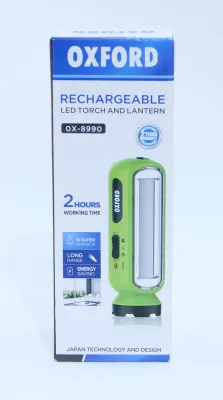
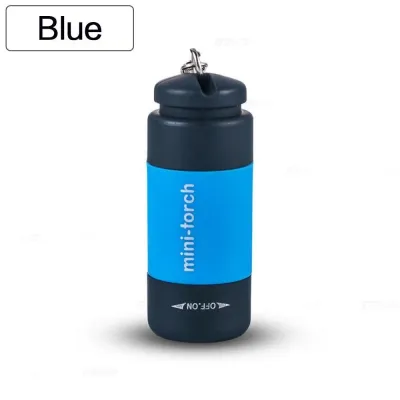
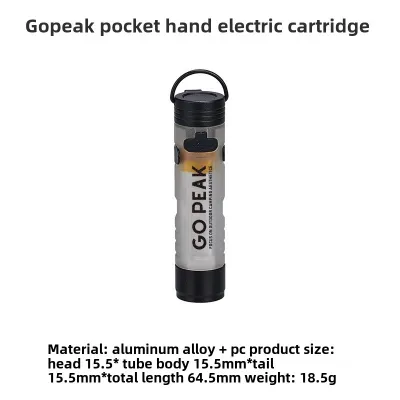
![[SG SELLER] Mini Cree Torchlight Super Bright Battery Operated Handy Multi-Mode Small LED Shockproof Durable Pocket Lamp](https://img.lazcdn.com/g/p/08516bb1f5cbccbb6e5325669b08996d.jpg_400x400q80.jpg_.webp)
![UnihomSG [ReadyStock] Japan Mini LED Police Torch light | 50K Super Strong Small TorchLight l Zoom](https://img.lazcdn.com/g/p/0c61e174d7c1bb96cf83e3906d13fef0.png_400x400q80.png_.webp)
Prices are valid at publication and may change. Please refer to the product page for the latest price.
The void deck and surrounding pathways of HDB estates also require consideration. During a widespread estate blackout, street lamps and void deck lights will go dark, making outdoor evacuation routes highly disorienting. A portable light source helps you identify safe assembly areas and avoid trip hazards like drains, curbs, or low-hanging branches.
Storage space is another critical factor in HDB living. With compact floor plans, residents must optimize every square meter, meaning bulky emergency lanterns are often relegated to the back of deep cabinets where they are difficult to reach in a crisis. A mini torch light can be stored in highly accessible, high-traffic locations without cluttering your home. Keeping a compact light in a bedside drawer, hanging it near the main entrance, or mounting it next to your electrical distribution board ensures it is within arm’s reach when a sudden blackout occurs.
Core Specifications to Evaluate in a Mini Torch Light
When evaluating a mini torch light, the relationship between maximum brightness and battery consumption is a primary consideration. Brightness is measured in lumens, and while manufacturers often highlight high peak lumen figures, these maximum outputs are usually unsustainable for long periods. A mini torch running at 1,000 lumens will generate intense heat and drain its compact battery within minutes. For practical HDB emergency use, look for a torch that offers multiple brightness levels, including a low mode of 5 to 15 lumens for close-up tasks and a medium mode of 50 to 150 lumens for general navigation.

The shape and reach of the light beam, known as the beam pattern, also dictate how useful the torch will be in different scenarios. A flood beam projects a wide, even wash of light over a short distance, which is ideal for illuminating an entire room or working on a nearby object like a fuse box. Conversely, a spot beam focuses the light into a tight, intense beam that travels a long distance, making it perfect for peering down long corridors or identifying obstacles in a dark stairwell. A versatile emergency torch should feature a balanced beam profile that combines a central hotspot with a usable surrounding flood, or an adjustable focus bezel.
Color temperature is another specification that affects visibility, though it is largely a matter of conditional preference. Cool white light (typically above 5000K) often appears brighter and more clinical, which can help with alertness during an emergency. However, neutral or warm white light (around 3000K to 4000K) provides better color rendering, making it easier to distinguish between colored wires in an electrical panel, and cuts through smoke, haze, or dust more effectively.
To ensure your torch does not fail when you need it most, always verify the manufacturer-stated runtime across different output modes. Do not rely on the maximum runtime figure if it is only achieved on an unusable “firefly” mode of less than one lumen. Instead, look for a model that guarantees at least 4 to 8 hours of continuous operation on a medium setting. This duration is typically sufficient to outlast most localized power outages in Singapore while providing enough light to perform essential household tasks.
Charging and Power Options for Long-Term Readiness
Choosing the right power source determines whether your mini torch light will actually work after months of sitting idle in a drawer. Built-in rechargeable lithium-ion batteries are highly convenient and cost-effective for frequent use, but they suffer from self-discharge over time. If a rechargeable torch is left uncharged for a year, the battery may drain completely or suffer permanent capacity loss. If you choose a rechargeable model, it is vital to select one with a low self-discharge rate and commit to a regular charging schedule.
For dedicated emergency kits, user-replaceable disposable batteries often provide superior long-term reliability. High-quality lithium disposable batteries (such as primary lithium AA or AAA cells) have an exceptional shelf life of up to 10 to 15 years and do not leak corrosive chemicals like cheap alkaline batteries. Keeping a compact torch that runs on standard AA or AAA batteries alongside a fresh pack of spare cells ensures you have instant, reliable power without needing an electrical outlet to recharge.
Another excellent option is a “dual-fuel” mini torch, which can accept both a rechargeable lithium-ion battery and standard disposable batteries. This design offers maximum flexibility, allowing you to use the cost-effective rechargeable battery for everyday tasks while keeping disposable cells on hand as a backup for prolonged emergencies. If you opt for a rechargeable system, ensure it uses a universal USB-C charging interface rather than a proprietary magnetic dock, so you can easily power it using standard phone chargers or portable power banks.
Low self-discharge NiMH (Nickel-Metal Hydride) rechargeable batteries are also worth considering as an alternative to alkaline cells. These batteries retain up to 70% to 85% of their charge even after a year of storage and can be recharged hundreds of times, making them an environmentally friendly and reliable backup option for torches that accept standard AA or AAA sizes.
Size, Build, and Storage Considerations for Compact Flats
The physical design of a mini torch light directly impacts how easily it can be stored and handled during an emergency. Keychain torches are extremely portable and convenient for everyday carry, but their small bodies limit battery capacity and physical durability. A cylindrical pocket-sized torch, measuring between 8 and 12 centimeters in length, offers the ideal compromise. This size fits comfortably in the palm of your hand, provides a secure grip, and is large enough to house a high-capacity battery while remaining small enough to store in a shallow drawer.
Singapore’s warm, humid climate poses a unique challenge for electronic devices, as moisture can seep into poorly sealed casings and corrode internal contacts. When selecting a torch, check the product specifications for an Ingress Protection (IP) rating. An IPX4 rating indicates basic splash resistance, which is acceptable for indoor use, but an IP67 or IP68 rating offers complete dust protection and waterproofing. A waterproof torch is highly recommended for emergency kits, as it will withstand high humidity, accidental spills, or exposure to heavy rain during an outdoor evacuation.
The material build of the torch body also determines its longevity. Aircraft-grade aluminum alloy with a Type III hard-anodized finish provides excellent resistance to scratches, corrosion, and impacts. This ensures that if the torch is dropped onto hard concrete HDB floors or stairwells, the internal electronics and lens remain protected.
Hands-free features greatly enhance the utility of a mini torch during household emergencies. Look for a torch with a strong magnetic tail cap, which allows you to stick the light to the metal door of your distribution board or any other steel surface while you inspect tripped circuit breakers. A two-way pocket clip is another valuable feature, enabling you to clip the torch to the brim of a cap to act as an improvised headlamp. Additionally, a simple wrist lanyard prevents you from dropping and damaging the torch while navigating dark, concrete stairwells.
Feature Matching Guide: Which Mini Torch Light Fits Your Needs?
To select the right mini torch light, you must match its features to the specific emergency scenarios you are most likely to encounter in an HDB flat. Different situations demand different priorities in terms of beam shape, power source, and mounting options. By identifying your primary concerns, you can avoid overpaying for unnecessary features while ensuring your critical needs are met.
For navigating unlit common corridors and stairwells, your primary focus should be on beam distance and physical security. You need a torch with a strong spot beam to illuminate steps far ahead and a secure wrist lanyard to prevent accidental drops on hard concrete. For hands-free household tasks, such as inspecting a distribution board or checking plumbing under a sink, prioritize a wide flood beam and a magnetic base. For a centralized emergency grab-bag, prioritize long-term storage stability with a dual-fuel or disposable-battery system.
The following table outlines the recommended specifications for these common HDB emergency scenarios:
| Emergency Scenario | Primary Beam Type | Recommended Power Source | Key Physical Features |
|---|---|---|---|
| Corridor & Stairwell Navigation | Spot or Balanced Beam | Rechargeable or Dual-Fuel | Wrist lanyard, high-impact aluminum body |
| DB Box & Utility Inspections | Wide Flood Beam | Rechargeable (USB-C) | Magnetic tail cap, two-way pocket clip |
| Centralized Grab-Bag Storage | Balanced Beam | Disposable Lithium or Dual-Fuel | IP68 waterproof rating, long shelf-life batteries |
When performing any inspections on your home’s electrical distribution board, always prioritize safety. If you encounter exposed wiring, burnt components, or persistent tripping that cannot be resolved by resetting a switch, do not attempt to repair it yourself. Isolate the main power if safe to do so, and contact a licensed electrical worker to handle the repairs.
Frequently Asked Questions (FAQ)
How often should I check the battery of my stored emergency torch light?
For a mini torch stored in an HDB emergency kit, you should establish a routine inspection schedule every six months. If your torch uses rechargeable lithium-ion batteries, check the charge level and top it up to around 80% to 100% to offset natural self-discharge. For torches stored with disposable alkaline batteries, inspect the battery compartment for any signs of white powdery corrosion or leakage, which can permanently ruin the torch’s electrical contacts. If you use primary lithium disposable batteries, a yearly check is usually sufficient due to their superior stability, but testing the light’s functionality twice a year remains a best practice for emergency readiness.
Can I rely solely on a built-in rechargeable battery for long-term emergency storage?
Relying exclusively on a built-in rechargeable battery for long-term emergency storage carries inherent risks. Over extended periods of inactivity, lithium-ion batteries naturally lose voltage; if they drop below a critical threshold, the internal protection circuit may trigger, rendering the battery unable to accept a charge. To mitigate this risk, it is highly recommended to use a dual-fuel torch that can run on both rechargeable cells and standard disposable batteries. Alternatively, if you prefer a purely rechargeable setup, ensure you keep a high-capacity, fully charged power bank with a compatible USB-C cable inside your emergency kit to recharge the torch during a prolonged power outage.

Community discussion
Share your experience or ask a question. Comments are reviewed before publication.