
When selecting a table clock for your kitchen, you must look beyond basic timekeeping to find a balance of high visibility, environmental resilience, and practical functionality. The kitchen is a demanding environment characterized by fluctuating temperatures, elevated humidity, airborne grease, and active multitasking. A successful kitchen clock must withstand these elements while remaining easy to read at a glance from across the room.
By evaluating key features such as high-contrast displays, sealed casings, wipe-clean surfaces, integrated timers, and stable, non-slip bases, you can choose a timepiece that serves as a reliable culinary assistant. This guide outlines the critical features to look for so you can select a durable and practical clock for your cooking space.
Display Visibility and Readability
In a busy kitchen, you often need to check the time from several meters away while handling hot cookware or prepping ingredients. Look for a clock face with high-contrast elements, such as bold black numbers on a stark white background for analog models, or large, clear LED or LCD digits for digital options. Avoid intricate fonts or decorative hands that require you to step closer to read the time.
Products mentioned in this guide
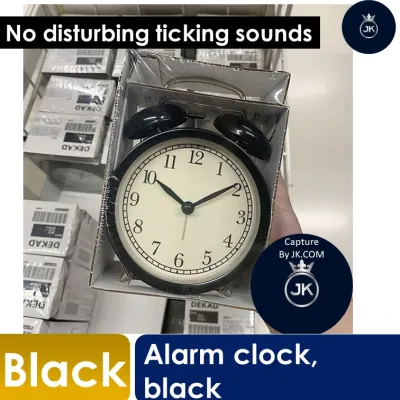
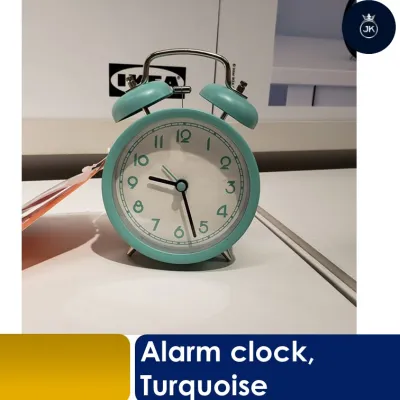
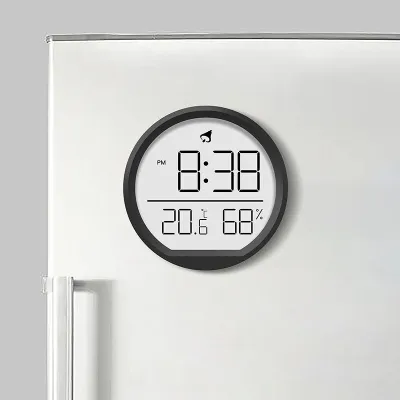
Prices are valid at publication and may change. Please refer to the product page for the latest price.
Early morning breakfast prep or late-night baking sessions often happen in low-light conditions before main overhead lights are fully turned on. A clock with a gentle backlighting feature, illuminated dials, or adjustable LED brightness ensures readability at any hour. If choosing a digital display, ensure the brightness can be adjusted so it does not create an uncomfortable glare during quieter hours.
Kitchens are frequently filled with bright, direct light from overhead fixtures, under-cabinet LED strips, or large windows. This can create harsh reflections on glass or glossy plastic clock covers. To prevent distracting glare, look for displays with anti-glare screens or matte finishes. These materials diffuse light reflections, allowing you to read the time clearly from various angles without needing to physically adjust the clock’s position.
Moisture, Heat, and Grease Resilience
Cooking inevitably introduces moisture into the air, whether from boiling pasta, simmering soups, or washing dishes. Standard table clocks often have unsealed battery compartments or open seams that allow steam to penetrate the internal circuitry, leading to premature failure. Look for models with sealed buttons, rubber gaskets, or enclosed casings designed to resist moisture ingress.

The materials used in the clock’s construction play a major role in its longevity. High humidity can cause cheap metals to rust and porous plastics to discolor or absorb odors. Opt for rust-resistant metals like stainless steel, or high-quality, non-porous plastics that do not degrade when exposed to damp air.
While a kitchen clock needs to be resilient, it should never be subjected to extreme heat. Avoid placing any table clock directly next to or above major heat sources such as stovetops, ovens, air fryers, or electric kettles. High temperatures can warp plastic casings, damage digital screens, and cause batteries to degrade rapidly or leak. Position the clock on a stable countertop, shelf, or dining table at a safe distance from active cooking appliances.
Ease of Cleaning and Maintenance
Airborne grease from frying and sautéing eventually settles on every surface in a kitchen, creating a sticky film that attracts dust. When choosing a table clock, look for smooth, seamless designs with minimal crevices, raised buttons, or decorative grooves where grime can accumulate. Avoid clocks with fabric coverings, intricate carvings, or exposed paper faces, as these are nearly impossible to clean without causing permanent damage.
A practical kitchen clock should feature a flat, wipe-clean front panel made of glass or smooth plastic. This allows you to easily wipe away grease splatters, flour dust, or sticky fingerprints with a simple pass of a cloth.
Always check the manufacturer’s care instructions before cleaning your clock. Never submerge an electronic clock in water or spray liquid cleaners directly onto the casing, as moisture can seep through seams and ruin the internal components. Instead, apply a small amount of water or a mild cleaning solution to a cloth first, then gently wipe the exterior surfaces.
Practical Timing and Audible Alerts
A kitchen clock that doubles as a countdown timer adds immense practical value to your daily cooking routine. Having a dedicated physical timer on your countertop allows you to track boiling, baking, or marinating times without needing to unlock your smartphone with messy hands. Look for models that offer simple, dedicated buttons for starting, stopping, and adjusting timer durations.
The alarm or timer alert must be loud enough to cut through the typical noise of an active kitchen. Range hoods, running tap water, sizzling pans, and background conversations can easily drown out a weak alarm. Look for clocks with adjustable volume settings or high-decibel alerts so you can ensure the alarm is audible even from an adjacent room.
When you are in the middle of a complex recipe, you do not want to navigate complicated digital menus to set a simple five-minute timer. Prioritize clocks with intuitive, physical buttons or a rotating bezel that allows for rapid adjustments. Large, tactile buttons are much easier to operate when your hands are slightly damp or covered in flour.
Power Options and Countertop Stability
Consider whether a battery-operated or plug-in model best suits your kitchen layout. Battery-powered clocks offer maximum placement flexibility, allowing you to position them on kitchen islands, floating shelves, or dining tables without worrying about cord management or outlet proximity. If you opt for a plug-in model, verify that the cord length is sufficient and that the plug matches your local outlet standards. Ensure the cord is safely routed away from wet areas like sinks and hot surfaces like stovetops to prevent electrical hazards.
Kitchen countertops are high-traffic zones where items are frequently moved, slid, or bumped. A lightweight clock with a narrow base can easily tip over, potentially cracking its screen or falling onto the floor. Look for table clocks with a wide, stable footprint, a weighted bottom, or non-slip rubber feet. These features keep the clock securely anchored on smooth granite, quartz, or laminate countertops, even if the surface becomes slightly wet or greasy.
Counter space is highly valuable in any kitchen. Choose a clock with a compact footprint that fits comfortably alongside your essential appliances without cluttering your food preparation zones. A well-designed table clock should provide high visibility without occupying excessive physical space.
Frequently Asked Questions (FAQ)
Can I use a standard bedroom table clock in the kitchen?
While it is technically possible to place a standard bedroom clock in the kitchen, doing so carries significant risks. Bedroom clocks are rarely designed to handle the high humidity, steam, and airborne grease typical of cooking spaces. Over time, moisture can penetrate unsealed casings, causing battery corrosion or short-circuiting the internal electronics. Additionally, bedroom clocks often feature fabric elements, soft plastics, or intricate designs that easily trap grease and are difficult to clean. If you do choose to use a standard clock, place it in a dry, well-ventilated dining nook or on a shelf located far away from the active cooking and washing zones to minimize exposure to environmental stressors.
How do I safely remove sticky grease from a clock display?
To clean sticky kitchen grease from your clock display without causing damage, start by unplugging the device or removing its batteries. Moisten a clean microfiber cloth with a tiny amount of water mixed with a drop of mild dish soap; the cloth should be slightly damp, never dripping wet. Gently wipe the display and casing to break down the grease. Avoid using harsh chemical solvents, ammonia-based glass cleaners, or abrasive scrubbing pads, as these can strip away protective anti-glare coatings or scratch the screen. Once the grease is removed, wipe the clock dry with a separate clean cloth. Always consult the manufacturer’s manual for specific cleaning restrictions before applying any liquid to the device.

Community discussion
Share your experience or ask a question. Comments are reviewed before publication.