
Setting up a home altar is a deeply personal and spiritually significant process that brings peace, focus, and positive energy into your living space. To establish a sacred space that facilitates daily worship, you need a thoughtful combination of structural furniture, traditional prayer items, and safety-conscious accessories. By selecting durable materials that withstand heat and humidity, arranging items according to traditional spatial guidelines, and prioritizing fire safety, you can create a serene sanctuary that fits seamlessly into your modern home.
Core Hindu Prayer Items for Daily Worship
The focal point of any home altar is the representation of the divine, typically in the form of sacred idols or framed pictures. When choosing these items, material selection is paramount for both aesthetic longevity and spiritual practice. Brass, bronze, and stone are highly favored for three-dimensional idols due to their weight, durability, and ability to withstand daily bathing rituals. If you prefer framed pictures, ensure the frames are made of moisture-resistant materials to prevent warping in humid climates.
Size is another critical factor when selecting your sacred representations. The scale of the idols must remain proportionate to your altar space to avoid a cluttered appearance. Traditional guidelines suggest that home idols should generally be kept small—often under six inches in height—to maintain a personal, manageable scale for daily care. Before placing any idol on your altar, it is customary to inspect it thoroughly to ensure it is free of cracks or chips, as damaged items are traditionally not used for active worship.
Products mentioned in this guide
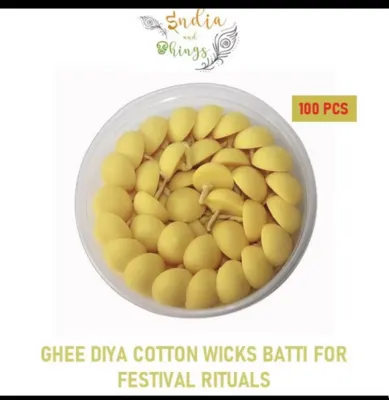
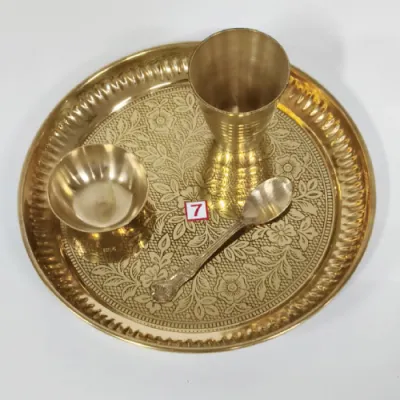
Prices are valid at publication and may change. Please refer to the product page for the latest price.
Light and fragrance are essential elements of daily prayers, symbolized by the oil lamp and incense. When selecting an oil lamp, look for a heavy, stable base made of heat-resistant metal like brass or bronze to prevent accidental tipping. The design should feature a deep well to hold sufficient oil or clarified butter for the duration of your prayers, along with a secure groove to support the cotton wick.
Incense holders must also feature a wide, heat-resistant tray to catch falling ash, keeping the altar surface clean and reducing fire hazards. Because burning incense releases smoke, placing these items in a well-ventilated area of the home is crucial to maintain indoor air quality and prevent soot from staining nearby walls or ceilings.
A dedicated prayer plate serves as the central organizing tray for your daily offerings, holding items such as fresh flowers, water, sweets, and sacred powders. Selecting a durable metal plate made of brass, copper, or stainless steel ensures that it can be washed daily without rusting or degrading. The plate should be large enough to organize your items neatly but compact enough to fit comfortably on the altar shelf without overcrowding other sacred objects.
A small hand-held prayer bell is another essential item, used to mark the beginning and key moments of worship. Choose a bell with a clear, resonant tone and a comfortable handle, ensuring the metal is cast evenly to produce a harmonious sound that helps focus your mind during prayers.
Selecting the Right Puja Mandir and Altar Furniture
The physical structure of your home altar must be chosen to match your home’s layout and daily routine. In compact living environments, such as modern apartments or high-rise flats, space-saving designs are highly practical. Wall-mounted wooden shelves or floating cabinets are excellent options that keep the floor clear while elevating the sacred space to an appropriate height. For larger homes with dedicated prayer rooms, floor-standing wooden cabinets with integrated drawers provide ample storage for extra wicks, oils, and prayer books.

When measuring your space, consider the clearance needed for doors to open fully and ensure the altar is positioned away from high-foot-traffic pathways where it could be accidentally bumped.
Because a home altar is exposed to heat from open flames, moisture from water offerings, and oils from daily rituals, the durability of its construction material is vital. Solid hardwoods like teak, rosewood, or sheesham are highly recommended for their natural resistance to warping, cracking, and pests. If you opt for engineered wood or medium-density fibreboard, ensure it features a high-quality, moisture-resistant laminate or veneer finish that can be easily wiped clean. In humid tropical climates, untreated wood can quickly absorb moisture and develop mold, so choosing a well-sealed, heat-resistant finish is essential to preserve the beauty and structural integrity of your altar over time.
Proper airflow is a critical design consideration for any enclosed or semi-enclosed altar cabinet. If your altar cabinet features doors, look for designs with open latticework, carved screens, or glass panels with ventilation holes to allow heat and incense smoke to escape safely.
For lighting, many modern altars come equipped with built-in electrical fixtures, such as LED strip lights or small spotlights, to illuminate the sacred space. When purchasing a pre-wired altar, verify that the electrical components match your local household voltage, base interface, and wattage limits, and carry recognized safety certifications. If the lighting setup requires complex fixed wiring, custom installation, or mounting at height, always isolate the power source before starting, follow the manufacturer’s installation instructions, and consult a qualified professional to ensure the connections are safe and comply with local electrical standards.
Safety, Placement, and Traditional Considerations
Operating open flames and electrical lighting in close proximity requires strict adherence to safety protocols. Always maintain a safe clearance of at least thirty centimeters between burning oil lamps or camphor burners and any flammable materials, including wooden panels, paper decorations, artificial flower garlands, and curtains. Never leave burning lamps unattended; if you must leave the room, ensure the flame is safely extinguished or placed in a deep, glass-shielded lamp protector.
For electrical altar lights, route all power cords neatly behind the furniture to prevent tripping hazards, and avoid overloading power outlets with multiple adapters. If you notice any flickering, exposed wires, or unusual heat from the light fixtures, isolate the power immediately and replace the damaged components.
The positioning of your home altar within your living space should reflect respect and mindfulness. Traditionally, the altar should be situated at a height where the main deities are positioned at chest or eye level when you are standing or sitting during prayers. Avoid placing the altar in low-lying areas, directly on the floor without a pedestal, or in close proximity to impure zones such as bathrooms, utility closets, or under staircases. It is also best to avoid placing the altar directly opposite the main entrance or near shoe racks, ensuring that the sacred space remains a quiet, clean, and undisturbed zone dedicated solely to spiritual reflection.
According to traditional spatial principles, the ideal direction for a home altar is the northeast corner of the house, with the deities facing West and the worshiper facing East while praying. If the layout of your home does not accommodate this specific orientation, facing North is also widely accepted as a favorable alternative. While these directional guidelines provide a helpful framework for planning your layout, household customs can vary significantly across different regions and families. It is always highly recommended to consult your family elders or a local priest to align your setup with your specific lineage and traditional household practices.
Daily Maintenance and Care for Prayer Items
Daily exposure to oil, water, and incense smoke will naturally cause brass and copper prayer items to tarnish over time. To maintain their bright, golden luster, establish a routine of wiping the items with a soft, dry microfiber cloth after each use to remove residual oil and ash. For deeper cleaning, traditional non-chemical polishing agents like tamarind paste, fresh lemon juice mixed with baking soda, or specialized metal polishing powders are highly effective at removing oxidation without scratching the metal. Avoid using harsh abrasive scrubbers or steel wool, which can strip away protective lacquers or damage intricate engravings on your sacred idols and plates.
Incense ash and soot from oil lamps can accumulate quickly, creating both an unsightly buildup and a potential fire hazard. Clean your incense holders daily by discarding the accumulated ash into a designated bin and wiping the tray with a damp cloth. If your oil lamps feature glass chimneys or wind guards, wash them regularly with warm, soapy water to remove black soot deposits, which can block light and weaken the glass over time. Keeping the surfaces around your lamps free of oily residue also prevents the buildup of flammable films on your wooden altar furniture.
Regular inspection of your prayer items is essential to ensure a safe and respectful worship environment. Cotton wicks should be replaced before every prayer session to ensure a clean, smoke-free burn, and any leftover charred wick fragments should be cleared away. Clay lamps are porous and can absorb oil over time, making them prone to leaking or cracking; replace them promptly if you notice any seepage or structural weakness. Similarly, inspect the power cords, plugs, and switches of any electrical altar lights annually, replacing any worn-out or brittle wiring immediately to prevent electrical hazards.
Frequently Asked Questions (FAQ)
Can I keep multiple deity idols on the same home altar?
Yes, you can keep multiple deity idols on your home altar, provided they are arranged thoughtfully and without overcrowding the space. Traditional practices suggest placing the primary family deity in the center or at a slightly elevated position to establish a clear visual hierarchy. Ensure there is sufficient space between each idol so they do not touch, allowing you to clean and offer prayers to each one individually. If your altar space is limited, it is often better to focus on a few key idols or use a single framed picture representing multiple deities to maintain a neat, respectful, and uncluttered environment.
What type of oil is best for a traditional diya?
The choice of oil for your traditional lamp depends on your personal preference, regional customs, and practical considerations like burn time and soot production. Clarified butter is highly favored for its traditional significance and clean, sweet-smelling burn, though it solidifies in cooler temperatures and requires regular wick adjustments. Sesame oil is an excellent, widely available alternative that offers a steady, long-lasting flame with minimal soot, making it highly practical for daily use. Mustard oil is also used in certain regional traditions for its distinct aroma and bright flame, though it can produce slightly more soot than sesame oil or clarified butter.

Community discussion
Share your experience or ask a question. Comments are reviewed before publication.