
Setting up a home altar, or mandir, is a deeply personal and spiritually significant process. It serves as a sacred sanctuary for daily reflection, prayer, and meditation. To establish a functional and respectful prayer space, you need a thoughtful combination of structural foundations, ritual utensils, and traditional offerings.
Whether you are setting up a compact altar in a modern high-rise apartment or a dedicated prayer room, selecting the right Indian pooja items ensures your daily rituals are conducted with ease, safety, and devotion. By focusing on durable materials, traditional placement, and proper maintenance, you can create a serene environment that fits seamlessly into your home decor.
The Core Checklist: Must-Have Indian Pooja Items
To build a functional Hindu prayer space, it helps to categorize your items into structural foundations, ritual tools, and consumable offerings. This ensures you do not overlook the practical aspects of daily worship while keeping the space organized and clutter-free.
Products mentioned in this guide
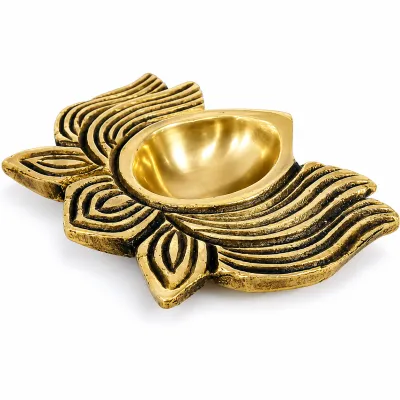
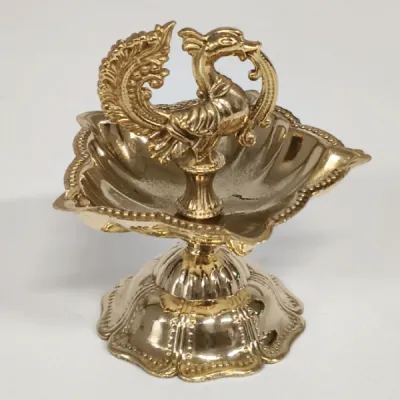
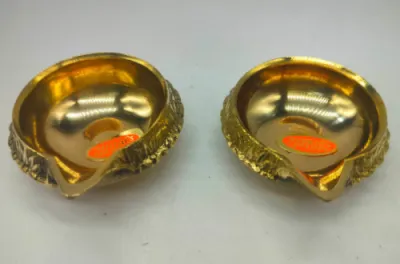
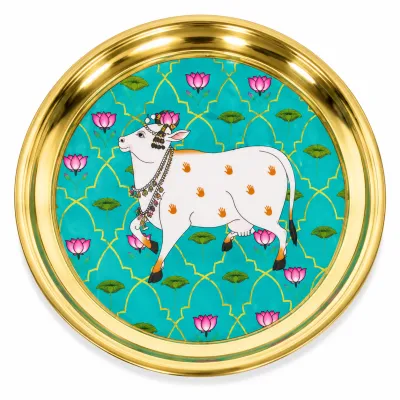
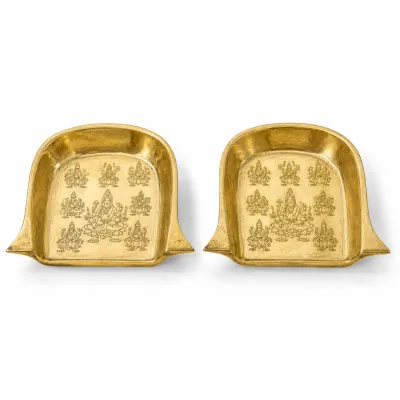
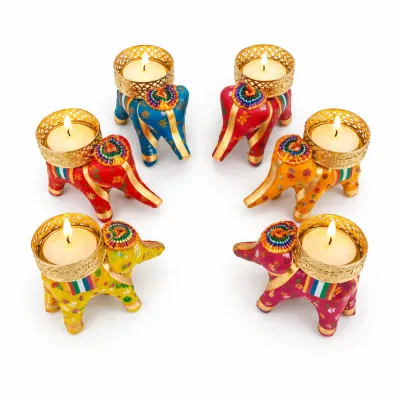
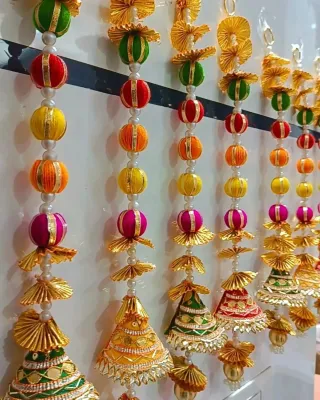
Prices are valid at publication and may change. Please refer to the product page for the latest price.
For structural elements, you will need a dedicated altar base (mandir), a clean fabric cloth (usually red, yellow, or orange) to drape over the shelves, and comfortable sitting mats (asanas) made of fabric or natural kusha grass for practitioners to sit on during prayers.
Your ritual tools form the core of your daily worship. These include a pooja thali (a large plate to hold your utensils), a kalash (sacred water pot), a small prayer bell (ghanti), a diya (oil lamp), and small containers for offering powders. Having a dedicated water cup (panchapatra) with a small spoon (achamani) is also essential for offering water.
Consumable items must be replenished regularly. Keep a stock of cotton wicks, high-quality incense sticks (agarbatti), camphor tablets, sandalwood paste (chandan), turmeric, and kumkum. Fresh flowers and fruits are ideal for daily offerings, though dry fruits and sugar crystals serve as excellent long-lasting alternatives.
If you are a beginner, a basic starter kit is highly recommended. Focus on a small wooden mandir, a framed picture of your deity, a single brass diya, an incense holder, and a small bell. As your practice grows, you can transition to a comprehensive setup featuring multiple brass or silver idols, a complete multi-tier thali, and dedicated storage cabinets for ritual ingredients.
Selecting Your Altar Base: Materials, Sizes, and Placement
Choosing the physical structure of your mandir requires balancing traditional preferences with the practical constraints of your living space. The material you select impacts both the durability and the overall aesthetic of your prayer area.

Wood is the most popular choice for home altars due to its warmth and traditional appeal. Hardwoods like teak and sheesham offer excellent durability and natural resistance to warping, though they require occasional polishing to maintain their luster.
Marble altars provide a serene, elegant look and are highly resistant to heat and oil stains from diyas. However, marble is exceptionally heavy and is best suited for sturdy, floor-standing setups rather than wall-mounted shelves. Metal altars, often made of brass or wrought iron, offer a modern look but must be checked for rust-resistant coatings.
When determining the dimensions of your altar, measure your available wall or floor clearance carefully. In space-constrained urban homes, such as apartments, wall-mounted wooden mandirs are highly practical because they save floor space while keeping the sacred area elevated. Ensure the mounting brackets are securely anchored to support the weight of the altar and any heavy brass idols.
According to Vastu principles, the ideal placement for a home altar is the Northeast corner of your home, which is associated with spiritual energy. If this is not possible, East and North are suitable alternatives. Position the altar so that the deities face West or South, allowing you to face East or North while praying. Avoid placing the mandir against bathroom walls, directly under staircases, or inside bedrooms.
Sourcing Ritual Vessels and Utensils: What to Look For
When shopping for pooja utensils, selecting the right metal is crucial for durability, maintenance, and safety. Traditional choices include brass, copper, and silver, each offering distinct characteristics.
Brass is highly favored for daily use because it is durable, affordable, and offers a classic golden sheen. While brass tarnishes over time when exposed to air and moisture, it can be easily polished back to its original shine.
Copper is traditionally reserved for water vessels like the kalash and panchapatra due to its traditional purification associations. However, copper reacts quickly with acidic substances, so it should never be used to hold milk, yogurt, or acidic food offerings. Silver is prized for its beauty and purity, making it ideal for special occasions, but it is softer and prone to scratching.
A standard pooja thali acts as the central hub for your ritual tools. Look for a thali with a raised rim to prevent oil spills or powder from scattering. It should comfortably accommodate a small diya, an incense holder, small containers (katoris) for kumkum and turmeric, a small bell, and your water vessel.
If you plan to place edible offerings (prasad) directly onto the metal vessels or drink water from the panchapatra, verify that the items have food-safe finishes. Avoid vessels coated with toxic lacquers or chemical glosses. Unlacquered, pure brass or copper is the safest choice for food contact, provided you wash them thoroughly before each use.
Altar Lighting: Traditional Diyas, Electric Lamps, and Safety
Lighting is a central element of any Indian home altar, symbolizing the removal of darkness and ignorance. You can choose between traditional open-flame diyas and modern electric alternatives depending on your lifestyle and safety needs.
Traditional diyas fueled by ghee or sesame oil create a warm, flickering glow that is deeply rooted in ritual practice. However, they produce soot, require constant monitoring, and present a fire hazard if left unattended near wooden structures or fabrics.
Electric or LED diyas offer a clean, flame-free alternative that can run continuously. They are highly convenient for busy households, homes with young children or pets, and spaces with limited ventilation.
When selecting electric altar lamps or LED string lights, always perform essential electrical checks. Verify the voltage compatibility to ensure it matches your local power supply. Check for recognized electrical safety certifications on the packaging. Inspect the power cords for fraying, avoid overloading your power outlets, and ensure the lamps do not emit excessive heat, especially when placed inside enclosed wooden mandirs.
If you choose to install fixed electrical wiring or heavy suspended light fixtures around your altar, always isolate the power supply before installation. Follow the manufacturer’s instructions carefully, and consult a qualified professional for any complex electrical work.
For those using traditional open flames, strict fire safety is paramount. Always place your diya on a stable, non-flammable surface like a brass thali or a marble slab. Keep the flame far away from drafty areas, curtains, hanging garlands, and paper decorations. Ensure there is ample vertical clearance above the flame to prevent scorching the ceiling of your wooden mandir.
Organizing and Maintaining Your Home Altar
Keeping your prayer space clean and organized is essential for maintaining a respectful and peaceful atmosphere. A cluttered altar can distract from the meditative quality of your daily rituals.
Establish a regular cleaning routine to keep your items in pristine condition. Daily tasks should include removing wilted flowers, wiping down the altar surface to clear spilled oil or incense ash, and washing the water vessels. Weekly, wash any fabric mats (asanas) and polish your metal utensils.
To clean brass and copper without damaging the metal, avoid harsh chemical abrasives. Instead, use natural, non-abrasive cleaning methods. A paste made of tamarind pulp and water, or lemon juice mixed with baking soda, effectively cuts through tarnish and oil residue. Apply the paste gently with a soft sponge, rinse thoroughly with warm water, and dry immediately with a clean microfiber cloth to prevent water spots.
Keep your active altar surface clutter-free by utilizing smart storage solutions. Use the drawers beneath your mandir or a nearby decorative storage box to organize matchboxes, extra cotton wicks, camphor tablets, and incense packets. Store oils and ghee in airtight, leak-proof containers to prevent sticky rings on your shelves.
Frequently Asked Questions (FAQ)
Can I Use Artificial Flowers and Electric Diyas for Daily Pooja?
Yes, modern substitutes are widely accepted and highly practical for daily use. While fresh flowers and traditional ghee lamps are preferred for major festivals due to their natural purity, artificial flowers and electric diyas offer a clean, safe, and low-maintenance alternative for busy daily routines. They are especially useful in homes with limited ventilation, pollen allergies, or active pets where open flames pose a safety risk.
How Should I Dispose of Used Pooja Items Like Flowers and Ash?
Traditionally, organic items like wilted flowers, leaves, and sacred ash (vibhuti) are returned to nature by immersing them in flowing water or burying them in clean soil. In urban environments where direct natural disposal is restricted, you can compost the organic waste in your home garden pots. This keeps the items from being discarded disrespectfully in general household trash. Sacred ash can also be mixed directly into the soil of houseplants as a natural fertilizer.

Community discussion
Share your experience or ask a question. Comments are reviewed before publication.