
Finding the right essential oil diffuser to serve as a reliable source of bathroom perfume requires balancing sensory preferences with the practical realities of a high-humidity environment. Unlike dry living areas, bathrooms present unique challenges such as steam, limited counter space, and splash hazards. To select the ideal device, you must evaluate how different brands design their products to handle moisture, manage power safely, and fit into compact layouts.
Choosing a diffuser for this specific zone is not just about finding an attractive design. It involves understanding how humidity affects mist dispersion and verifying that the device’s electrical components are protected against water ingress. By focusing on verifiable specifications and safety standards, you can establish a consistent, pleasant aroma in your bathroom without compromising on safety or product longevity.
Key Features to Compare for Bathroom Environments
When comparing diffusers for bathroom use, the level of moisture resistance is the most critical specification to verify. Most standard home diffusers are designed for dry living rooms or bedrooms and carry no official protection against water. Look closely at product labels or manufacturer specifications for an Ingress Protection (IP) rating. A rating of IPX4 or higher indicates that the device can withstand splashing water from any direction, making it far more suitable for a bathroom setting than an unrated model.
Products mentioned in this guide
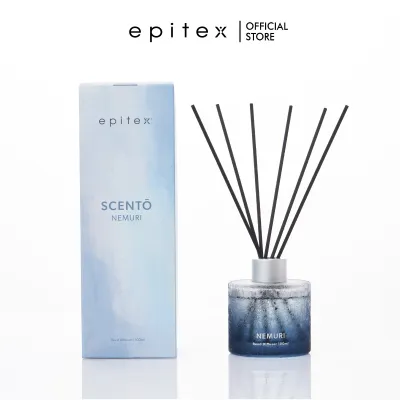
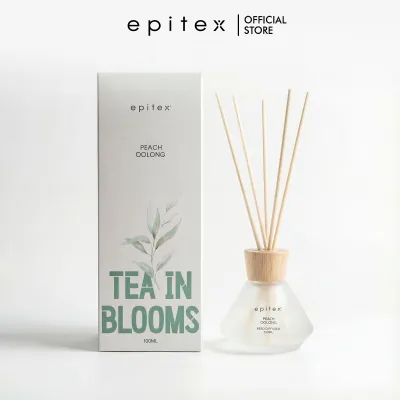
Prices are valid at publication and may change. Please refer to the product page for the latest price.
Space constraints on vanity counters and narrow shelves require a compact footprint. Measure your available surface area carefully before choosing a model, keeping in mind that a crowded counter increases the risk of the device being knocked over. Some brands offer wall-mounted diffusers or models with adhesive brackets, which help keep the unit dry and clear of valuable counter space.
Water tank capacity must be balanced against the ambient humidity of the room. In a damp bathroom, high relative humidity can slow down the evaporation of mist from an ultrasonic diffuser, potentially leading to condensation buildup on nearby surfaces. A smaller water tank, typically between 80ml and 150ml, is often ideal because it encourages you to change the water frequently, preventing stagnant water from sitting in a warm, humid environment where bacteria can thrive.
An automatic shutoff mechanism is an essential safety feature for any bathroom diffuser. This function detects when the water level is low or when the device is tilted, immediately cutting power to the ultrasonic plate or heating element. In enclosed, unmonitored spaces like a bathroom, this prevents the device from running dry, overheating, and causing electrical faults.
Evaluating Leading Diffuser Brands for Bathroom Use
To find the right brand, you must compare the operational mechanisms of ultrasonic and waterless diffusers. Ultrasonic models use water and high-frequency vibrations to create a fine mist, which slightly increases the humidity of the room. Waterless or nebulizing diffusers, on the other hand, use pressurized air to atomize pure essential oil directly from the bottle. If your bathroom already suffers from high humidity or poor ventilation, a waterless model from a reputable brand is often the better choice because it delivers a concentrated scent without adding extra moisture to the air.

Verify how different brands construct their products to resist material degradation. Essential oils, particularly citrus-based oils, contain natural compounds that can dissolve cheap plastics over time. When combined with high bathroom humidity, low-grade materials can warp, crack, or corrode. Look for brands that explicitly state the use of medical-grade polypropylene (PP) plastic, high-quality ceramic, or corrosion-resistant glass for their outer shells and internal reservoirs.
Before purchasing, carefully review the brand’s warranty terms and customer support policies. Many standard appliance warranties contain clauses that void coverage if the device is used in a high-humidity environment or shows signs of water ingress. Brands that stand behind their products for bathroom use will often provide clear guidelines on damp-environment operation and offer warranties that cover moisture-related component failures, provided the device was installed according to their instructions.
Safety and Installation Rules for Bathroom Diffusers
Safety must be your primary concern when installing any electrical device in a wet environment. Establish strict placement zones that keep the diffuser completely away from direct water sources. Never place a mains-powered unit on the edge of a bathtub, next to a shower screen, or directly beneath a water tap where splashes are highly likely. Instead, opt for a high, dry shelf or a dedicated corner of a large vanity unit.
Electrical outlet safety and cord management require careful planning. If you are using a plug-in diffuser, ensure the bathroom outlet is protected by a residual-current device (RCD) to prevent electrical shocks. Keep the power cord tidy, dry, and routed away from sinks or wet countertops. For small bathrooms with limited safe outlets, consider low-voltage USB-powered models or battery-operated diffusers, which eliminate the hazards associated with high-voltage mains cables.
If you plan to install a hardwired or wall-mounted diffuser connected directly to your home’s electrical system in a damp area, you must isolate the power at the main distribution board before beginning. Such installations must follow local building codes and should be carried out by a qualified professional to ensure proper sealing and grounding.
Proper ventilation is necessary to prevent the scent from becoming overwhelming and to control moisture buildup. Enclosed bathrooms can trap vapor quickly, leading to a heavy, suffocating atmosphere. Always run your mechanical exhaust fan or keep a window slightly open while the diffuser is operating. Additionally, establish a routine visual inspection: check the power cord, plug, and base of the unit weekly, and immediately stop using the device if you notice any internal condensation, corrosion on metal contacts, or unusual odors.
Building Your Bathroom Perfume Shortlist
To build a practical shortlist, use a conditional decision framework based on your specific bathroom layout and daily habits. Your choice between an ultrasonic and a waterless model should depend on your room’s existing ventilation and available space.
Choose an ultrasonic model if:
- Your bathroom has excellent mechanical ventilation or a large window to disperse added moisture.
- You have a wide, dry vanity shelf located safely away from water splashes.
- You prefer a gentle, continuous fragrance release and do not mind refilling a water tank regularly.
Choose a waterless or nebulizing model if:
- Your bathroom is small, lacks active exhaust ventilation, and is prone to trapping humidity.
- Counter space is highly limited, requiring a compact or wall-mounted device.
- You want a highly concentrated burst of fragrance to quickly neutralize odors without adding any water vapor to the air.
Before making a final selection, verify that your preferred brand explicitly states the device is suitable for damp environments, uses high-quality corrosion-resistant materials, and provides a clear warranty. If your bathroom lacks any dry zones or safe electrical outlets outside the splash zone, avoid electrical diffusers entirely and opt for passive alternatives like reed diffusers or scented ceramic stones.
Frequently Asked Questions (FAQ)
Can I use any standard essential oil diffuser in the bathroom?
No, you should not assume that any standard diffuser is safe for bathroom use. Most standard models are designed strictly for dry living spaces and lack protection against high humidity and water splashes. Operating an unrated electrical device in a damp bathroom can lead to internal condensation, short circuits, and premature component failure. Always check the manufacturer’s specifications to verify if the model is rated for damp environments or carries an IP rating before placing it in your bathroom.
Which essential oils work best for neutralizing bathroom odors?
Citrus oils like lemon, grapefruit, and bergamot, as well as herbal oils like eucalyptus, tea tree, and lemongrass, are highly effective for neutralizing bathroom odors and creating a fresh atmosphere. When selecting oils, always check your diffuser’s instruction manual. Some waterless nebulizers can be damaged or clogged by thick, heavy oils like patchouli or sandalwood, so it is important to use oils that are fully compatible with your specific device’s mechanism.
How do I clean a diffuser used in a humid bathroom?
To prevent mold and mineral buildup in a humid environment, empty any stagnant water from ultrasonic diffusers after every use and wipe the reservoir dry with a clean cloth. For routine cleaning, use a soft brush or cotton swab dipped in a mild cleaning solution recommended by the manufacturer, such as diluted white vinegar, to gently clean the ultrasonic plate. Always disconnect the power source before cleaning, and consult your brand’s manual for specific deep-cleaning instructions and approved cleaning agents.

Community discussion
Share your experience or ask a question. Comments are reviewed before publication.