
Selecting the right essential oil diffuser to serve as an effective air fresherner room solution in Singapore requires balancing aesthetic preferences with practical performance. With many homes featuring compact HDB layouts or open-plan condominiums, the way scent disperses depends heavily on the specific technology you choose. Rather than relying on arbitrary brand rankings, finding the ideal match involves evaluating manufacturer specifications against your unique living environment. A structured decision framework helps you navigate these choices, ensuring you select a device that fits your space, budget, and lifestyle.
For instance, ultrasonic diffusers, which use water to create a fine mist, are highly suited for air-conditioned bedrooms where added moisture is welcome. Conversely, waterless nebulizing diffusers, which use pressurized air to atomize pure essential oils, perform exceptionally well in larger, uncarpeted living areas where a more concentrated aroma is desired. By understanding these core differences, you can compare popular brands available on local online marketplaces and in physical retail stores with confidence.
Key Decision Factors for Choosing a Room Diffuser
Before comparing specific brands, it is essential to identify your unique needs regarding room size, usage duration, and the environment where the diffuser will operate. Singapore’s tropical climate and high ambient humidity play a significant role in this decision. In a room that is constantly air-conditioned, the air can become dry, making an ultrasonic diffuser’s cool mist a welcome addition. However, in a naturally ventilated room that is already humid, a waterless nebulizer might be preferred to avoid adding unnecessary moisture to the air, which can encourage mold growth on walls or wooden furniture.
Products mentioned in this guide
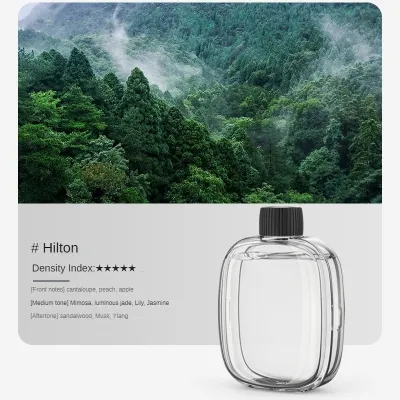
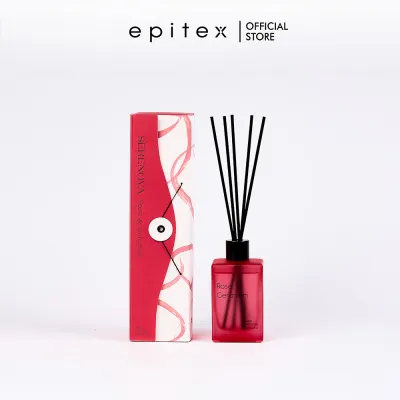
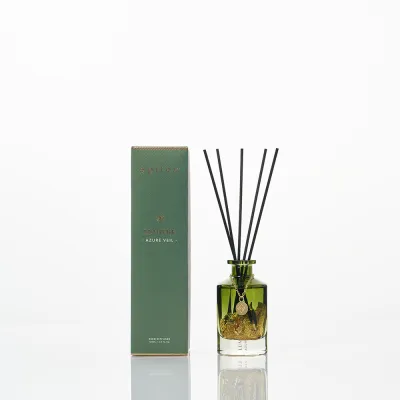
Prices are valid at publication and may change. Please refer to the product page for the latest price.
To match mist output and tank capacity to the square footage of your target room, you must first calculate the area of the space. A standard HDB bedroom in Singapore typically ranges from 9 to 12 square metres, while a combined living and dining area can exceed 25 square metres. Most entry-level diffusers are designed for small spaces of up to 15 square metres. If you have a large, open-concept living area, you will need to look for a high-output ultrasonic model with a larger fan or a powerful nebulizing diffuser that can disperse pure oil particles across a wider radius.
Noise level is another critical consideration, especially if you plan to use the diffuser in a bedroom or study. For a quiet environment, look for decibel (dB) ratings on the product specifications, aiming for a noise level below 30 dB. Ultrasonic models are generally very quiet, producing only a gentle water-dripping sound or a soft hum from the internal fan. Nebulizing models, which rely on a small air pump to atomize the oil, can produce a more noticeable buzzing sound. If you are sensitive to noise during sleep, verifying the decibel level on the product packaging is an essential step.
Timer and intermittent settings are valuable features that control how long the device runs and how much oil it consumes. An intermittent setting, such as 30 seconds of misting followed by 30 seconds of rest, can double the runtime of a single water tank and prevent olfactory fatigue, where your nose becomes accustomed to the scent and stops noticing it. Auto-shutoff features ensure the device powers down safely once the timer expires or the water runs out, providing peace of mind when operating the device overnight.
How to Compare Coverage and Core Features
When evaluating different diffuser brands, reading and comparing manufacturer spec sheets is the most reliable way to assess performance. The relationship between tank capacity and runtime is a key trade-off to understand. A larger tank, typically between 300ml and 500ml, allows for longer continuous operation, often lasting between 6 to 10 hours, which is ideal for overnight use. Smaller tanks, around 100ml, are more compact and fit easily on narrow bedside tables or desks, but they require more frequent refilling. Always verify the manufacturer’s estimated runtime against the tank capacity, as high mist settings will deplete water much faster.

Mist output modes offer additional flexibility, allowing you to customize the scent intensity based on the room’s ventilation. Some advanced models feature adjustable mist levels (low, medium, high) or interval timers that cycle the mist on and off at set intervals. In a well-ventilated room with open windows, a higher mist output is necessary to maintain the aroma. In a closed, air-conditioned room, a lower setting is often sufficient and prevents excess humidity from building up on nearby surfaces.
Lighting and aesthetic features are secondary decor elements that can significantly influence the ambiance of your room. Many modern diffusers double as decorative nightlights or ambient lamps, offering color-changing LED lights that can be set to a single solid color, cycled through a spectrum, or dimmed. When evaluating these features, ensure the light can be operated independently of the misting function. This is particularly important if you plan to use the device in a bedroom, where bright lights might disrupt your sleep cycle, but you still want the therapeutic benefits of the mist overnight.
Material finishes also play a significant role in home decor, with brands offering options ranging from budget-friendly plastic to premium ceramic, glass, or real wood covers. While plastic is durable and lightweight, ceramic and glass options offer a more sophisticated look that complements modern interior design styles. However, these premium materials are more fragile and require careful handling during cleaning and refilling.
Maintenance requirements are vital to keep your diffuser functioning efficiently and hygienically. Look for designs with wide tank openings that allow you to easily wipe down the interior surfaces. Narrow necks or complex internal chambers can trap mineral deposits and oil residue, leading to mold growth and reduced mist output over time. Always check the manufacturer’s cleaning instructions to see if specific tools or mild cleaning agents are required to prevent damage to the internal components.
Evaluating Price and Long-Term Value
To assess whether a diffuser’s price justifies its features and build quality, it helps to understand the typical value tiers in the market. Entry-level models, often priced under S$30, are usually made of basic plastics and offer simple on/off functions with limited timer settings. Mid-range options, ranging from S$30 to S$80, often feature better build quality, larger tank capacities, multiple timer modes, and more attractive designs like faux-wood or ceramic finishes. Premium models, priced above S$80, frequently utilize high-end materials like hand-blown glass, ceramic, or solid wood, and may include advanced features like smart home integration, remote controls, or whisper-quiet motors.
Consumable costs are an important part of the overall value equation. Ultrasonic diffusers are highly economical with oil, requiring only 3 to 5 drops per session diluted in water. Nebulizing diffusers, on the other hand, use pure, undiluted essential oils, which means you will go through bottles of oil much faster. If you choose a nebulizing model, factor in the ongoing cost of purchasing high-quality oils to avoid unexpected expenses. Additionally, check if the model uses consumable parts like wicks or ceramic discs that require periodic replacement.
Warranty and after-sales support are crucial factors when evaluating value. Purchasing from reputable brands with a local presence in Singapore offers significant advantages. Verify the warranty period, which typically ranges from 6 to 12 months. Local customer service ensures that if your device experiences an electrical fault or a manufacturing defect, you can easily obtain a replacement or repair without dealing with expensive international shipping or unresponsive online sellers.
Verifying Electrical Safety and Compatibility in Singapore
Before purchasing or plugging in any electrical appliance, verifying safety and compatibility is paramount. Singapore operates on a 230V supply voltage at 50Hz. Ensure the diffuser’s power adapter is rated for this voltage range, which is standard for universal adapters (usually 100V-240V). Crucially, the device should come with a standard Type G 3-pin plug. Avoid using cheap, uncertified travel adapters to connect foreign plugs to your wall sockets, as these can pose serious fire and electrical shock hazards.
Safety certifications provide assurance that the product has been tested to meet rigorous standards. In Singapore, look for the Safety Mark issued by Enterprise Singapore on the power adapter. This mark indicates that the electrical accessory has been certified safe for local use. If purchasing online from international sellers, verify that the product complies with equivalent international safety standards, such as CE or RoHS, and check if the seller provides a compliant local plug.
A reliable waterless auto-shutoff feature is non-negotiable for ultrasonic diffusers. This safety mechanism automatically cuts power to the heating element or ultrasonic plate when the water level drops below a certain threshold, preventing the device from overheating and causing damage or a fire hazard. Always verify this feature is explicitly listed in the product specifications before making a purchase.
If you notice any signs of electrical malfunction, such as an unusually hot adapter, flickering lights, a burning smell, or inconsistent misting, stop using the device immediately. Unplug it from the wall socket and consult the manufacturer’s troubleshooting guide or contact a qualified electrical professional. Never attempt to open or repair the internal electrical components yourself, as this can void the warranty and pose a severe safety risk.
Frequently Asked Questions (FAQ)
Can I use tap water in my essential oil diffuser?
Water requirements depend heavily on the specific technology and the manufacturer’s guidelines. While many ultrasonic diffusers are designed to work with standard tap water, Singapore’s tap water contains trace minerals that can gradually build up on the ultrasonic plate. Over time, this mineral buildup can reduce mist efficiency or leave a fine white dust on surrounding furniture. Some manufacturers explicitly recommend using distilled or filtered water to prolong the lifespan of the device, while others advise against it because pure distilled water may not conduct electricity properly for the water-level sensor to function. Always consult your product’s user manual for the recommended water type.
How often should I clean the diffuser tank?
To maintain optimal mist output and prevent the growth of mold or bacteria, perform a quick visual inspection and wipe down the tank after every few uses, especially when changing to a different essential oil scent. For a thorough cleaning, most manufacturers recommend washing the tank once a week. Use a soft cloth or cotton swab dipped in a mild cleaning solution, such as diluted white vinegar or a gentle dish soap, as specified by the product instructions. Avoid using harsh chemical cleaners, abrasive pads, or submerging the electrical base in water, as this can permanently damage the internal ultrasonic transducer and void your warranty.

Community discussion
Share your experience or ask a question. Comments are reviewed before publication.