
Setting up a home altar, or pooja space, is a deeply personal journey that blends spiritual tradition with the practical realities of modern living. Whether you are establishing a small prayer corner in a compact urban apartment or dedicating an entire room to your daily rituals, selecting the right pooja decoration items is key to creating a serene, respectful, and safe environment. A common pitfall is purchasing too many decorative pieces at once, which can lead to a cluttered altar that is difficult to clean and maintain. By focusing on a few core essentials, you can build a beautiful, functional space that supports your spiritual practices without overwhelming your home.
Assessing Your Space and Ritual Needs
Before purchasing any pooja decoration items, it is essential to evaluate the physical constraints of your home. In modern apartments, such as those commonly found in Singapore, space is often at a premium. Begin by measuring the exact footprint, shelf depth, and vertical clearance of your designated altar area. If you plan to place your altar inside a cabinet or on a floating wall shelf, ensure the structure can safely support the weight of metal deities and heavy brass lamps.
Next, consider your daily and occasional ritual habits. A household that performs elaborate daily offerings will require more surface area for vessels than one that practices quiet, minimalist meditation. Ventilation is another critical factor that is frequently overlooked. Burning incense, camphor, or oil lamps in a confined space with poor airflow can trigger smoke detectors or lead to a buildup of soot on walls and ceilings. Ensure your chosen location has adequate ventilation, such as proximity to a window or an open living area, to allow smoke and heat to dissipate safely.
Products mentioned in this guide
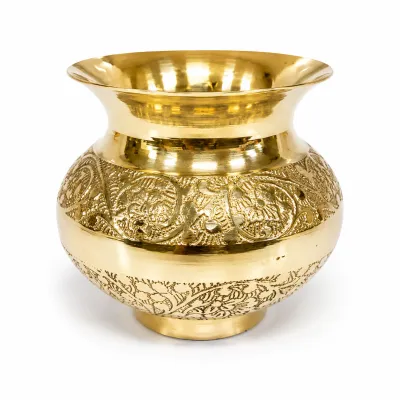
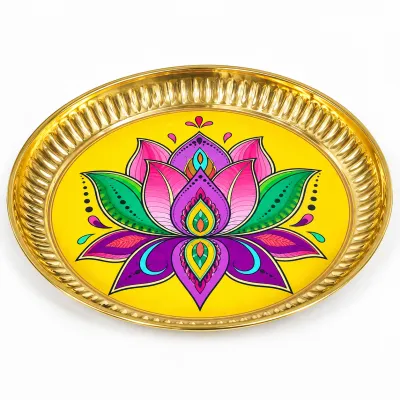
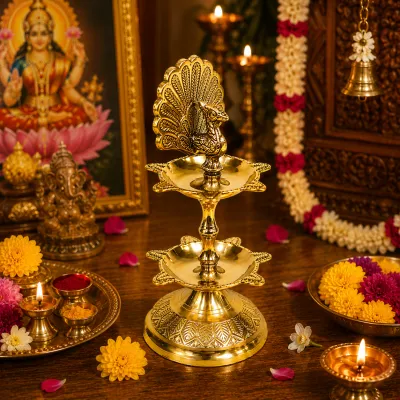
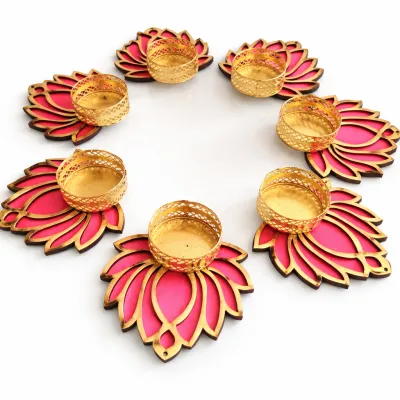

Prices are valid at publication and may change. Please refer to the product page for the latest price.
The Core Essentials: Must-Have Pooja Decoration Items
A functional home altar relies on a few foundational pieces that provide structure and utility. The most critical item is a stable platform or mandir. This structure elevates your sacred items, keeping them separate from everyday household surfaces. When selecting a mandir, prioritize sturdy materials like solid wood, treated MDF, or marble. Ensure the platform is perfectly level to prevent oil lamps or offering cups from tipping over.

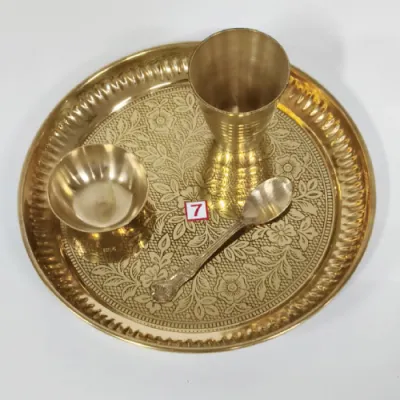
Once the platform is secure, you can introduce essential offering vessels. These typically include a small water cup (panchapatra) with a matching spoon, offering plates (arati plates) for flowers or fruits, and small bowls for sacred powders like kumkum and turmeric. For daily use, brass and copper are highly favored for their traditional significance and durability, though high-quality stainless steel is an excellent, low-maintenance alternative.
Finally, an incense holder is indispensable for daily prayers. To protect your altar’s surface from hot embers and falling ash, choose an incense holder with a wide, integrated ash catcher. Trays made of stone, ceramic, or heavy metal are ideal, as they do not transfer heat to the wooden platform beneath them.
Altar Lighting: Safety and Selection for Pooja Lamps
Lighting plays a central role in any pooja space, symbolizing the removal of darkness and the presence of the divine. Traditional oil or ghee diyas (lamps) crafted from brass, clay, or copper offer a classic aesthetic and a warm, natural glow. However, open flames require constant supervision and present a real fire hazard, especially in homes with pets, young children, or drafty corridors.
For a safer, low-maintenance alternative, many modern households opt for plug-in or battery-operated LED diyas. If you choose electrical lighting, it is vital to verify the technical specifications. Ensure the voltage matches your home’s electrical system (typically 220V-240V in Singapore) and check that the power adapters carry recognized safety certifications to prevent short circuits. Inspect the wiring regularly for any signs of fraying or wear, and avoid overloading extension cords if you run multiple decorative lights.
If you prefer traditional oil lamps, safety must remain your top priority. Always maintain a safe clearance of at least 30 centimeters between open flames and flammable materials, such as window curtains, hanging fabric backdrops, paper decorations, or wooden cabinet doors. Place the diyas on a heat-resistant tray or stone tile to protect the underlying wooden shelf from heat damage and accidental oil spills.
Optional vs. Unnecessary: Avoiding Clutter and Overspending
When browsing for pooja decoration items, it is easy to get swept up in the wide variety of decorative bells, hanging garlands, elaborate backdrops, and multi-tiered display stands. While these items can enhance festive occasions, they often become high-maintenance burdens during daily use. In humid tropical climates, unlacquered brass and copper items oxidize rapidly, requiring frequent polishing to prevent unsightly green or black tarnish.
An overcrowded altar also detracts from the visual balance of the space. The primary focus of your pooja area should be the deities or sacred symbols, not an excess of decorative accessories. A cluttered space makes daily cleaning difficult, allowing dust and oil residue to accumulate in hard-to-reach crevices.
To avoid overspending and unnecessary chores, adopt a phased purchasing approach. Start with the absolute essentials: a stable platform, one or two safe lamps, and a couple of offering vessels. Live with this minimalist setup for a few weeks to understand your actual routine. You can then selectively add decorative elements, such as a simple fabric backdrop or a small brass bell, only if they serve a clear purpose and fit comfortably within your space.
Arranging and Maintaining a Safe Pooja Space
Organizing your altar systematically not only respects traditional practices but also enhances safety and ease of maintenance. Use a tiered arrangement if you have multiple deities or pictures; placing larger items at the back and smaller offering vessels at the front ensures everything remains visible and accessible without the risk of knocking items over when reaching across the altar.
Establish a routine cleaning schedule to keep the space pristine. Wipe down the platform weekly with a damp microfiber cloth to remove oil splatters and dust. Fabric backdrops and decorative runners should be washed or replaced periodically, as they can absorb smoke and odors over time.
Safe disposal of ritual waste is another crucial aspect of altar maintenance. Never leave burnt wicks or hot ashes in the trash bin immediately after prayers. Allow ashes to cool completely in a metal container before disposal. Organic offerings, such as fresh flowers and fruits, should be removed daily before they begin to decay or attract insects, keeping your sacred space clean, hygienic, and inviting.
Frequently Asked Questions (FAQ)
Are LED diyas acceptable for daily home prayers?
Yes, LED diyas are widely accepted as a practical and safe alternative to traditional oil lamps for daily home prayers. They eliminate the risks associated with open flames, soot buildup, and hot oil spills, making them particularly suitable for busy households, apartments with sensitive smoke detectors, or homes with pets and children. When using LED options, choose warm-white or yellow light temperatures to replicate the gentle glow of a traditional flame. Always inspect battery compartments periodically for signs of acid leakage or corrosion, and ensure that plug-in models have intact, undamaged cords and certified power adapters.
How often should I polish brass or copper pooja items?
The frequency of polishing brass or copper pooja items depends largely on your local climate and whether the metal has a protective lacquer coating. In humid environments, unlacquered metals can begin to show signs of tarnish and oxidation within one to two weeks. Inspect your items regularly; a dull appearance or dark spots indicate it is time for a clean. For routine maintenance, use gentle, non-abrasive methods such as a paste made of lemon juice and baking soda, or traditional tamarind paste, which naturally cuts through tarnish without scratching the metal. Avoid harsh chemical cleaners that can strip away protective lacquers. For antique, delicate, or highly detailed pieces, consult a professional restorer to avoid irreversible damage.

Community discussion
Share your experience or ask a question. Comments are reviewed before publication.