
Setting up a sacred space at home requires balancing spiritual traditions with the practical realities of modern living. To establish a functional home prayer altar for daily worship, you need a carefully curated selection of foundational pooja items, safe lighting solutions, and durable ritual vessels. Whether you are moving into a new home or dedicating a quiet corner for daily reflection, organizing these elements thoughtfully ensures a serene, respectful, and safe environment.
In Singapore, where high-rise living in Housing & Development Board (HDB) flats and condominiums is the norm, space optimization and safety are paramount. Factors such as indoor air quality, fire prevention, and high tropical humidity must guide your choices. By selecting the right materials and configurations, you can create a beautiful home altar that respects both ancestral customs and contemporary safety standards.
Selecting the Right Prayer Altar Base for Your Space
The foundation of any home altar is the mandir or prayer unit itself. Selecting the correct base requires a careful assessment of your available floor plan, the structural integrity of your walls, and the overall volume of items you intend to display.
Products mentioned in this guide
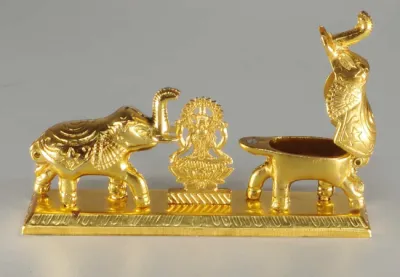
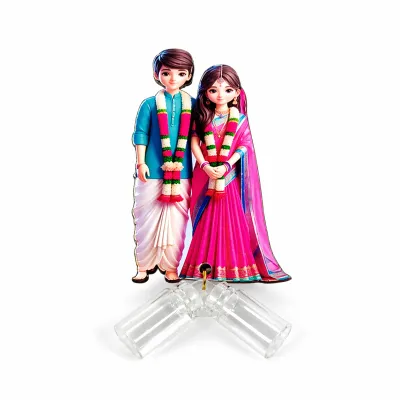
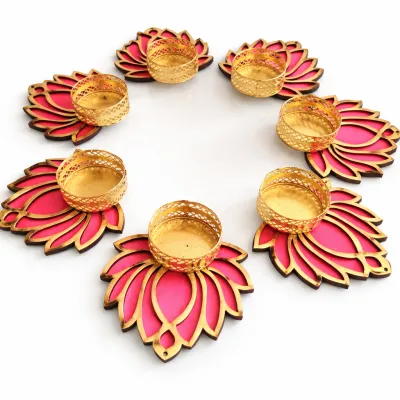
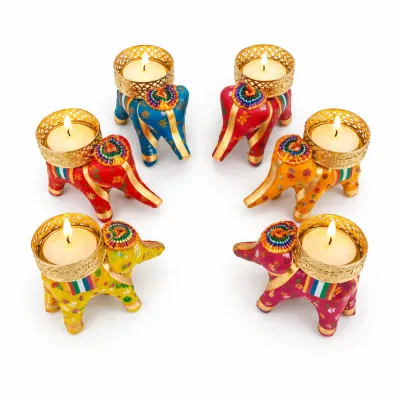
Prices are valid at publication and may change. Please refer to the product page for the latest price.
In Singapore’s urban landscape, residential properties vary significantly in layout. For compact HDB flats and executive condominiums, floor space is highly prized, making wall-mounted wooden shelves or compact tabletop mandirs the most practical options. These units keep the floor clear and allow you to position the altar at an appropriate height for standing or sitting prayers. If you reside in a larger apartment or a landed property, a freestanding floor-standing mandir offers a grander presence, serving as a dedicated focal point for the room.
Singapore’s tropical climate features high relative humidity, which directly impacts material longevity. Solid hardwoods such as teak or sheesham are highly recommended for traditional altars. Teak is naturally resistant to moisture, warping, and pests, making it an excellent long-term investment that can support heavy brass deities and stone murtis. Alternatively, engineered woods like MDF or plywood with laminate finishes offer a modern, lightweight, and budget-friendly alternative. However, ensure that any engineered wood is fully sealed to prevent moisture absorption and subsequent swelling over time.
A well-designed prayer base should offer practical features that simplify daily worship. Look for units equipped with built-in drawers to store matchboxes, cotton wicks, incense packets, and holy texts out of sight. A pull-out tray or shelf is another highly useful feature, providing temporary space for placing offering plates, seating mats, or additional lamps during festive occasions. If you plan to burn incense regularly, opt for a mandir design with an open top, a dome with ventilation holes, or a dedicated exhaust chimney to prevent smoke from accumulating and staining the ceiling.
Before finalizing your choice, verify the load-bearing capacity of your selected base, especially for wall-mounted units. Heavy brass kalashes filled with water or solid stone murtis can exert substantial downward force. Ensure that wall-mounted shelves are anchored securely to concrete walls using appropriate masonry plugs and heavy-duty brackets. Avoid mounting heavy units onto hollow drywall partitions. Additionally, measure the path from your main entrance, through corridors, and into the lifts to guarantee that a pre-assembled freestanding mandir can be delivered safely to your unit.
Lighting Essentials for a Sacred and Safe Ambiance
Lighting plays a central role in creating a meditative atmosphere, symbolizing the removal of darkness and the presence of the divine. However, incorporating open flames and electrical fixtures into a wooden or enclosed altar requires strict adherence to safety protocols.

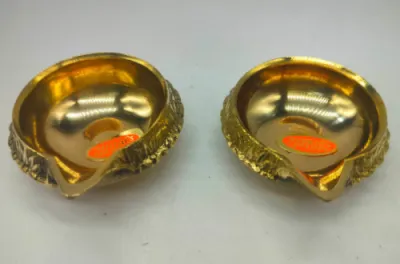
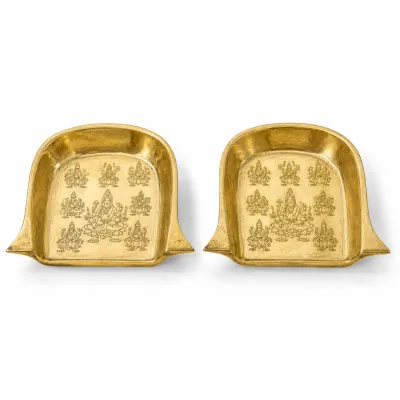
For daily worship, traditional oil or ghee diyas crafted from heavy brass, bronze, or thick clay are preferred. When selecting these items, prioritize stability; a wide, heavy base prevents the lamp from tipping over if the altar is accidentally bumped. Use high-quality cotton wicks that fit the burner nozzle correctly to minimize soot and ensure a steady flame. If you use brass diyas, place them on a small metal or ceramic coaster to catch any oil drips and protect the wooden surface of your altar.
In modern households—especially those with young children, active pets, or family members who travel frequently—flameless LED diyas and electric lamps offer a highly secure alternative to open flames. Warm-white copper string lights or backlit acrylic panels can provide a continuous, gentle glow without generating heat. When purchasing electric lighting for your altar, verify that all adapters, plugs, and wiring carry the Enterprise Singapore Safety Mark. This certification ensures the components have been tested to meet local electrical safety standards, reducing the risk of short circuits or overheating.
To highlight the central deities and decorative elements, consider installing dedicated overhead downlights or low-wattage LED spotlights. Warm-white light (ranging from 2700K to 3000K) is generally preferred for creating a soothing, inviting ambiance, though this remains a matter of personal preference. Ensure that any LED strip lights or spotlights are positioned far enough from the deities to avoid heat buildup, and verify that the fixture’s wattage does not exceed the rating of your electrical outlets or extension tracks.
To prevent domestic fire hazards, establish clear boundaries within your altar setup. Keep open flame diyas at least 30 centimeters away from any flammable materials, such as fabric torans, paper decorations, curtains, or hanging garlands. If you are installing fixed electrical wiring or heavy suspended light fixtures above the altar, always isolate the main power supply before beginning work. For complex installations, engage a licensed electrical worker (LEW) to ensure compliance with local building codes.
Core Ritual Vessels and Daily Pooja Items
A functional home altar relies on a specific set of ritual vessels and tools to facilitate daily offerings and prayers. Selecting high-quality, weighted, and easy-to-clean pooja items ensures that your daily rituals proceed smoothly and safely.
The pooja thali serves as the central tray holding various ritual components during worship. Opt for plates made of solid brass, copper, or silver-plated metal with raised, rolled edges to prevent items from sliding off. A diameter of 10 to 14 inches is generally ideal for home altars, offering sufficient surface area to accommodate small katoris (bowls) for offerings, a small diya, a bell, and incense holders without overcrowding. Avoid overly lightweight plates that can warp or tip easily when lifted.
The sound of the prayer bell is traditionally used to welcome divine energy and clear the mind. When choosing a hand-held ghanti, look for bell metal or high-grade brass, which produce a clear, resonant, and long-lasting tone. Ensure the handle is ergonomic and firmly attached to the dome. If you prefer a larger, heavier bell, do not attempt to hold it by hand; instead, secure it to a dedicated stand or a sturdy, load-tested ceiling hook designed for suspended loads.
Managing ash and smoke is a critical aspect of maintaining an indoor altar. For burning agarbatti (incense sticks), select a wide-based stand equipped with a comprehensive ash catcher to prevent hot ash from falling onto wooden surfaces or fabric mats. For burning dhoop (cone incense) or sambrani (resin), use a covered dhoop dani with a heat-resistant handle. The cover helps diffuse the smoke evenly while preventing accidental contact with the hot embers inside.
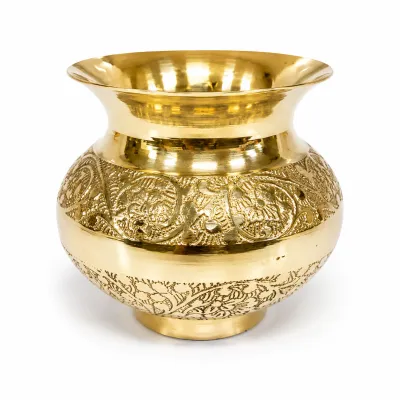
A kalash (water pot) and an achamani (small spoon and cup set) are essential for offering water during prayers. Copper and brass are the traditional materials of choice due to their durability. If you store water in a copper kalash overnight for consumption, ensure the interior is unlined, food-safe, and cleaned regularly. Copper naturally oxidizes when exposed to air and moisture, forming a dark patina. To keep these vessels functional and hygienic, perform regular maintenance and check for structural leaks.
When purchasing these daily tools, prioritize functional simplicity over elaborate ornamentation. Intricate filigree and deep engravings can trap oil, soot, and dust, making them exceptionally difficult to clean. Smooth, heavy, and polished surfaces are much easier to wipe down daily, ensuring your altar remains clean and presentable with minimal effort.
Sacred Decor and Symbolic Additions for the Altar
Beyond the functional vessels, decorative elements help personalize your prayer space and establish a serene atmosphere. Combining traditional symbols with modern design sensibilities allows the altar to integrate seamlessly with your home’s interior.
The choice of murtis or framed pictures of deities depends on personal devotion and available space. For compact home altars, select small to medium-sized idols (typically between 3 to 6 inches in height) to avoid overcrowding the platform. Brass, marble, and high-quality resin are durable material options. According to traditional practices, ensure that all figures are completely intact; chipped, cracked, or broken murtis should be retired respectfully rather than kept on the altar.
An elegant backdrop, such as a carved wooden panel or a brass prabhavali (decorative arch), frames the deities beautifully and protects the back wall from oil splashes or soot stains. If you prefer fabric backdrops or decorative canopies, choose flame-retardant materials. Always maintain a safe clearance distance between any fabric hangings and active oil lamps to eliminate fire risks.
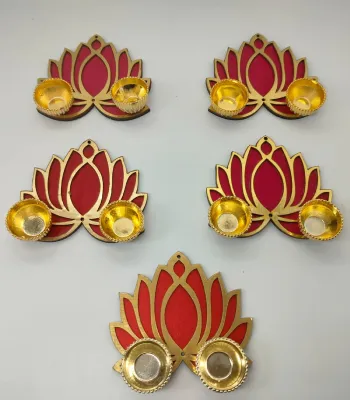
A toran (door hanging) made of mango leaves, marigolds, or beads is traditionally hung across the entrance of the prayer room or the top of the mandir to signify auspiciousness. For daily convenience, high-quality fabric or beaded torans offer a reusable alternative to fresh leaves. To decorate the floor or base of the altar without the mess of loose powder, consider using reusable acrylic or wooden rangoli stencils. These can be easily laid down and wiped clean, keeping the area tidy.
Comfortable seating is essential for focused prayer and meditation. An aasan, or seating mat, made of woven wool, cotton, or cushioned fabric provides a dedicated space for the worshipper. Because Singapore homes often feature polished tile, vinyl, or marble flooring, ensure the underside of the seating mat has a non-slip backing to prevent slipping when sitting down or standing up.
Quick Setup Checklist and Buying Strategy
Setting up your home prayer altar is a gradual process. Investing in high-quality foundational items first ensures durability, while decorative accents can be updated over time. Use the following checklist to plan your purchases systematically.
| Altar Category | Essential Items | Key Material / Selection Criteria | Safety & Practical Checks |
|---|---|---|---|
| Base/Structure | Mandir unit, wall shelf, or tabletop cabinet | Solid teak, sheesham, or sealed engineered wood | Verify weight capacity; check HDB drilling rules. |
| Lighting | Brass diyas, cotton wicks, LED lights, extension cords | Pure brass, clay, or certified LED fixtures | Look for the Safety Mark; keep flames 30cm from fabrics. |
| Vessels | Pooja thali, ghanti, kalash, incense holder | Heavy-duty brass, copper, or bell metal | Choose smooth surfaces with weighted bases to avoid tipping. |
| Decor | Murtis, backdrops, reusable torans, aasan | Intact brass/marble, non-slip mats, flame-retardant fabric | Avoid overcrowding; secure non-slip backing on polished floors. |
When allocating your budget, prioritize spending on the core structural and ritual items. A high-quality solid wood mandir and pure brass vessels can last for generations, making them worthy of a higher initial investment (typically ranging from S$300 to S$1,000+ depending on size). In contrast, you can save on temporary or seasonal decor items—such as decorative fabric backdrops, artificial garlands, and basic clay diyas—which can be purchased affordably from local specialty shops or online marketplaces and replaced as needed.
Before buying any major items, complete these three essential checks:
- Measure Twice: Measure the exact height, width, and depth of the designated altar space, leaving room for your seating area.
- Check Building Rules: If you are renting or living in a condominium or HDB flat, review the building guidelines regarding wall drilling, especially if you plan to mount a heavy wooden shelf on a structural wall.
- Verify Delivery Paths: Ensure that pre-assembled freestanding mandirs can comfortably fit through your main door, hallways, and lift doors.
Frequently Asked Questions (FAQ)
Which direction should the home prayer altar face?
According to traditional spatial design principles like Vastu Shastra, the ideal location for a home prayer altar is the North-East corner of the house, often referred to as the Ishanya corner. When praying, it is traditionally recommended that the worshipper faces East or North to invite positive energy. However, in modern Singapore apartments, rigid adherence to these directions is not always structurally feasible due to fixed plumbing, window placements, or built-in cabinetry. If your floor plan limits your options, prioritize placing the altar in a clean, quiet, and respectful area of the home away from heavy foot traffic, rather than forcing an inconvenient layout solely for directional compliance.
How do I clean and maintain brass pooja items?
Brass and copper pooja items naturally tarnish over time due to exposure to air, humidity, oil, and heat. To clean them safely without damaging the metal, use a natural, non-destructive paste made of equal parts lemon juice and salt, or use traditional tamarind paste. Rub the paste gently over the metal surface using a soft cloth or sponge, rinse thoroughly with warm water, and dry immediately with a clean microfiber towel to prevent water spots. Avoid using harsh chemical abrasives, steel wool, or putting metal ritual items in a dishwasher, as these aggressive methods can scratch the polished surface, strip away protective patinas, or damage delicate engravings.
Can I place a prayer altar in the bedroom or kitchen?
Placing a prayer altar in the bedroom or kitchen is generally avoided in traditional households due to practical and cultural etiquette. Kitchens expose the altar to airborne grease, cooking smoke, and strong food odors, which can rapidly tarnish metal vessels and stain wooden structures. Bedrooms are associated with rest and private activities, which some find incompatible with the sacred nature of an altar. If limited space in a studio apartment or compact flat leaves you with no other choice, use a dedicated cabinet with doors that can be closed when the altar is not in use. Alternatively, install a physical screen, partition, or a neat curtain to separate the sacred space from your daily sleeping or cooking areas.

Community discussion
Share your experience or ask a question. Comments are reviewed before publication.