
Setting up a home altar in Singapore requires balancing spiritual devotion with the practical realities of high-rise living. To establish a functional and respectful sacred space, you need a few core puja items: a central deity representation, a safe incense burner, offering vessels, and appropriate lighting. By selecting items that fit your physical space and align with local safety guidelines, you can create a serene environment for daily prayers without compromising your home’s safety.
Assessing Your Space and Safety Boundaries
Before purchasing any puja items, you must evaluate the physical environment of your home. Most apartments in Singapore feature compact layouts where air circulation can be limited. Placing an altar in a well-ventilated area, away from direct drafts but close to a window, helps manage smoke and heat. Ensure the chosen wall or tabletop is structurally sound and can support the weight of your items. If you are using a wall-mounted shelf, verify the wall type to select the correct mounting brackets.
Fire safety is the most critical boundary when setting up an altar. Traditional practices often involve open flames, hot oil, and burning incense, which pose risks near curtains, wooden cabinets, or air conditioning vents. You should maintain a clear clearance zone of at least one meter above and around any open flame. If you plan to burn incense regularly, choose a dedicated surface that is entirely non-combustible, such as stone, metal, or tempered glass. Never leave burning incense or oil lamps unattended.
Products mentioned in this guide


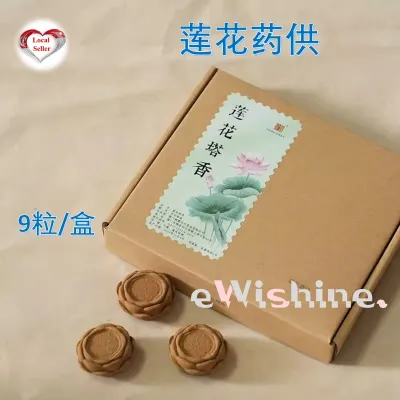
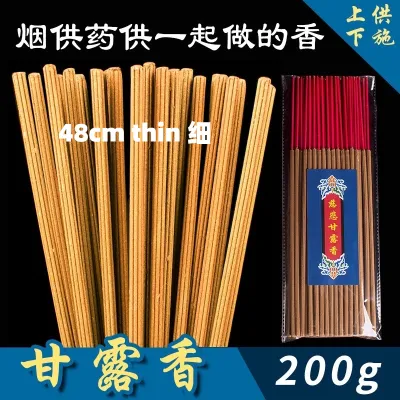
Prices are valid at publication and may change. Please refer to the product page for the latest price.
Electrical safety is equally important if you plan to use continuous lighting. Many modern altars rely on electric lamps or LED bulbs that remain switched on for long periods. Inspect your nearby wall sockets to ensure they are not overloaded with adapters. If your altar requires new wiring or is mounted high on a wall, plan to use existing, certified electrical points rather than running loose extension cords across walkways. Ensure all cables are tucked away neatly to prevent tripping hazards.
Identifying Core Puja Items for Your Practice
The heart of your home altar is the deity representation, which can be a sacred statue or a framed picture. When selecting these items, consider the height and depth of your altar shelf. A statue that is too large can make the space feel cramped and increase the risk of accidental tipping. Ensure the material of the deity representation is durable and suitable for your cleaning routine, as some metal statues require regular polishing while resin or framed prints only need light dusting.

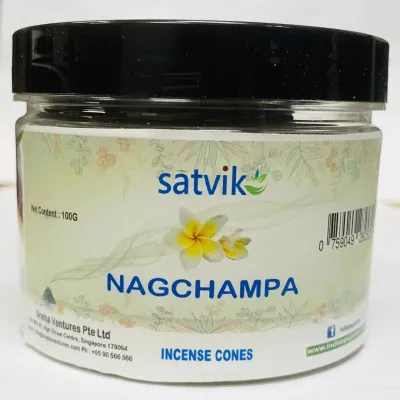
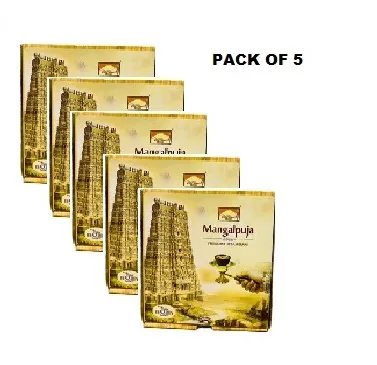
An incense burner or ash catcher is another essential item that must be chosen with care. In enclosed apartments, a deep burner filled with clean sand or ash is highly practical because it keeps the incense stick upright and prevents hot embers from falling onto surrounding surfaces. Look for burners made of heavy brass, stone, or ceramic, which remain stable and absorb heat effectively during use. Some modern designs feature enclosed chambers with small ventilation holes, which help contain the ash completely.
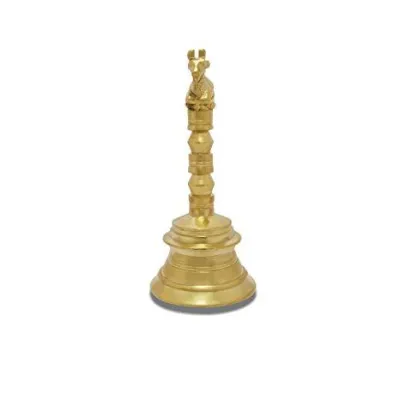
Offering vessels, including water cups, small bowls for food offerings, and flower vases, complete the basic setup. These items should be scaled proportionally to your altar surface so they do not crowd the central deity. Choosing matching materials, such as polished brass or simple copper, creates a cohesive visual look while ensuring the vessels are easy to wash and dry daily. Keep a dedicated cloth nearby specifically for drying these sacred vessels to maintain their cleanliness.
Selecting Lighting and Decor for the Sacred Space
Lighting plays a dual role on a home altar, serving both a symbolic spiritual purpose and a practical decorative function. Traditional oil lamps offer a classic warm glow but require constant monitoring and regular refilling. If you prefer the traditional route, select a heavy brass lamp with a wide, stable base to prevent tipping, and place a heat-resistant mat underneath to catch any oil drips. Ensure the wick is trimmed regularly to control the flame height and minimize soot.
For many modern households, LED lamps have become a highly practical alternative to open flames. These modern fixtures mimic the warm flicker of traditional oil lamps without producing heat, smoke, or fire hazards. When purchasing electric or LED altar lights, verify that they carry recognized electrical safety certifications and feature low-wattage bulbs to prevent overheating during continuous operation. Look for models with reliable wiring and sturdy switches that can withstand daily use.
To define the sacred zone visually, you can incorporate subtle decorative elements like backdrop panels, small screens, or a dedicated altar runner. A simple, heat-resistant fabric runner or a polished wooden tray can neatly group your puja items together. If you choose to use decorative backdrops or hanging garlands, ensure they are securely anchored and positioned far away from any potential heat sources. Keeping the decor minimalist not only enhances the peaceful atmosphere but also makes the altar much easier to clean.
Final Verification Before Purchasing and Setup
Before finalizing your purchases, perform a physical check of your designated altar space. Measure the exact width, depth, and height clearance of the shelf or table, and compare these dimensions against the specifications of the puja items you plan to buy. Ensure there is enough empty space between items to allow you to light incense, pour water, and place offerings comfortably without knocking anything over.
Consider the long-term maintenance of the materials you select. Brass and copper items offer a beautiful, traditional aesthetic but require regular polishing with specialized metal cleaners to prevent tarnishing. If you prefer a low-maintenance setup, high-quality ceramic, stone, or treated wood items can be kept clean with a simple wipe of a damp cloth.
Finally, establish clear boundaries for installation. While placing items on a tabletop is a straightforward task, mounting heavy wooden altars or installing fixed electrical wiring requires professional assistance. If your setup involves drilling into concrete walls or modifying your home’s electrical circuits, stop and hire a qualified contractor or licensed electrician to ensure the installation is safe and secure.
Frequently Asked Questions (FAQ)
Can I use LED lights instead of traditional oil lamps?
Yes, LED lights are a practical and widely accepted alternative to traditional oil lamps, especially in modern apartments. They eliminate the risks of open flames, hot oil spills, and smoke, making them highly suitable for homes with pets, young children, or limited ventilation. When choosing LED alternatives, look for warm-white options that replicate the gentle glow of a flame, and ensure the devices are certified for continuous electrical use.
How do I manage incense smoke in a small apartment?
To manage smoke effectively, choose low-smoke or charcoal-free incense sticks, which release significantly fewer particulates into the air. Always place your incense burner near an open window or in a room with active mechanical ventilation, such as an exhaust fan. Using a deep ash catcher or an enclosed burner with ventilation holes can also help contain ash and control the direction of the smoke.
What is the proper order for arranging items on the altar?
While specific arrangements can vary based on family traditions and lineage guidelines, a standard layout places the deity representation at the center and slightly elevated. The incense burner and oil lamp are typically placed in front of or slightly to the sides of the deity to ensure safe access. Offering bowls for water and food are arranged in the foremost section of the altar, making them easy to place and remove during daily prayers.

Community discussion
Share your experience or ask a question. Comments are reviewed before publication.