
When a sudden power outage darkens your Housing & Development Board (HDB) flat, having a reliable torch light becomes an immediate priority. Navigating a high-rise home during a blackout requires more than just a temporary light source; it demands a tool designed for safety, mobility, and long-term readiness. While modern HDB estates benefit from robust infrastructure, localized electrical trips can still plunge windowless bathrooms, household shelters, and deep utility closets into complete darkness. Selecting the right emergency lighting involves evaluating specific features such as beam type, hands-free usability, power source reliability, and climate resilience. By understanding these key factors, you can ensure your household remains safe, calm, and fully prepared to navigate both your flat and common areas during an unexpected outage.
Assessing Your HDB Emergency Lighting Needs
Preparing for an emergency in a high-rise residential setting presents unique spatial challenges. Unlike landed properties, HDB flats often feature compact layouts with windowless interior spaces, such as household shelters (bomb shelters), walk-in utility rooms, and central bathrooms. If a power trip occurs at night, these areas instantly become pitch black, making simple movement hazardous. You must evaluate the specific layout of your home to identify which zones will require immediate, dedicated illumination to prevent trips and falls. Families with elderly members, young children, or individuals with mobility limitations require a more comprehensive approach than single occupants. For instance, assisting a family member down a dark, concrete common stairwell during an evacuation requires steady, reliable light that does not require constant manual adjustment. You should assess how many functional lights are needed so that every capable family member has their own dedicated light source, rather than relying on a single shared beam.
Additionally, consider the typical duration of local power disruptions. While most residential electrical faults in Singapore are resolved within a few hours, having a safety margin is essential. Your primary emergency light should be capable of operating continuously for several hours without a drop in performance. This ensures that even if an outage persists past midnight, your household has sufficient light to manage basic tasks, monitor emergency updates, and move safely through the estate if a building-wide evacuation becomes necessary.
Products mentioned in this guide
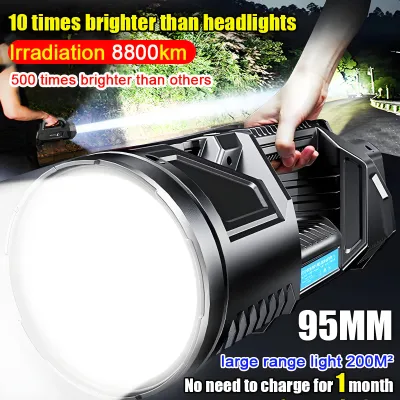
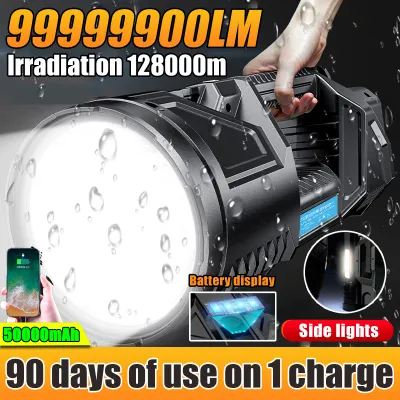
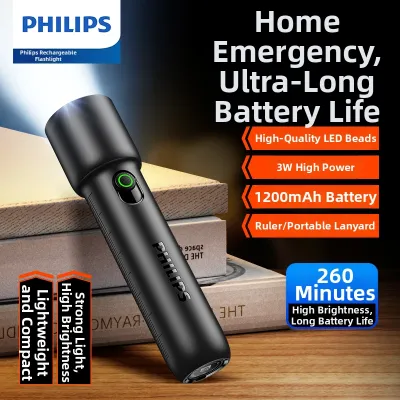
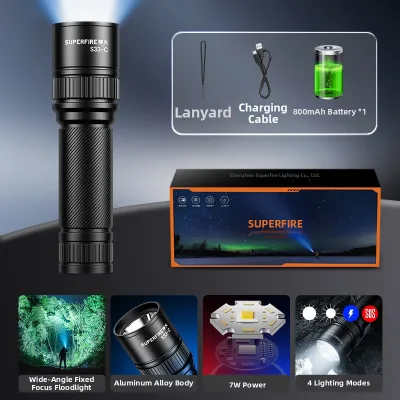
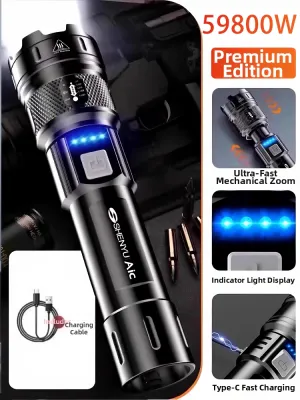
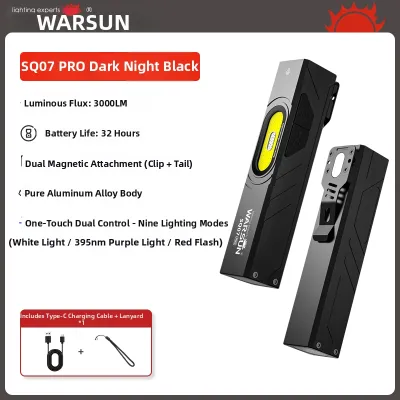
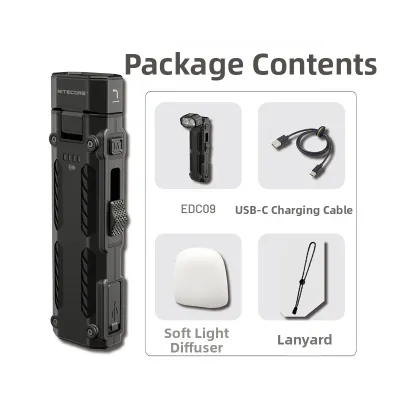
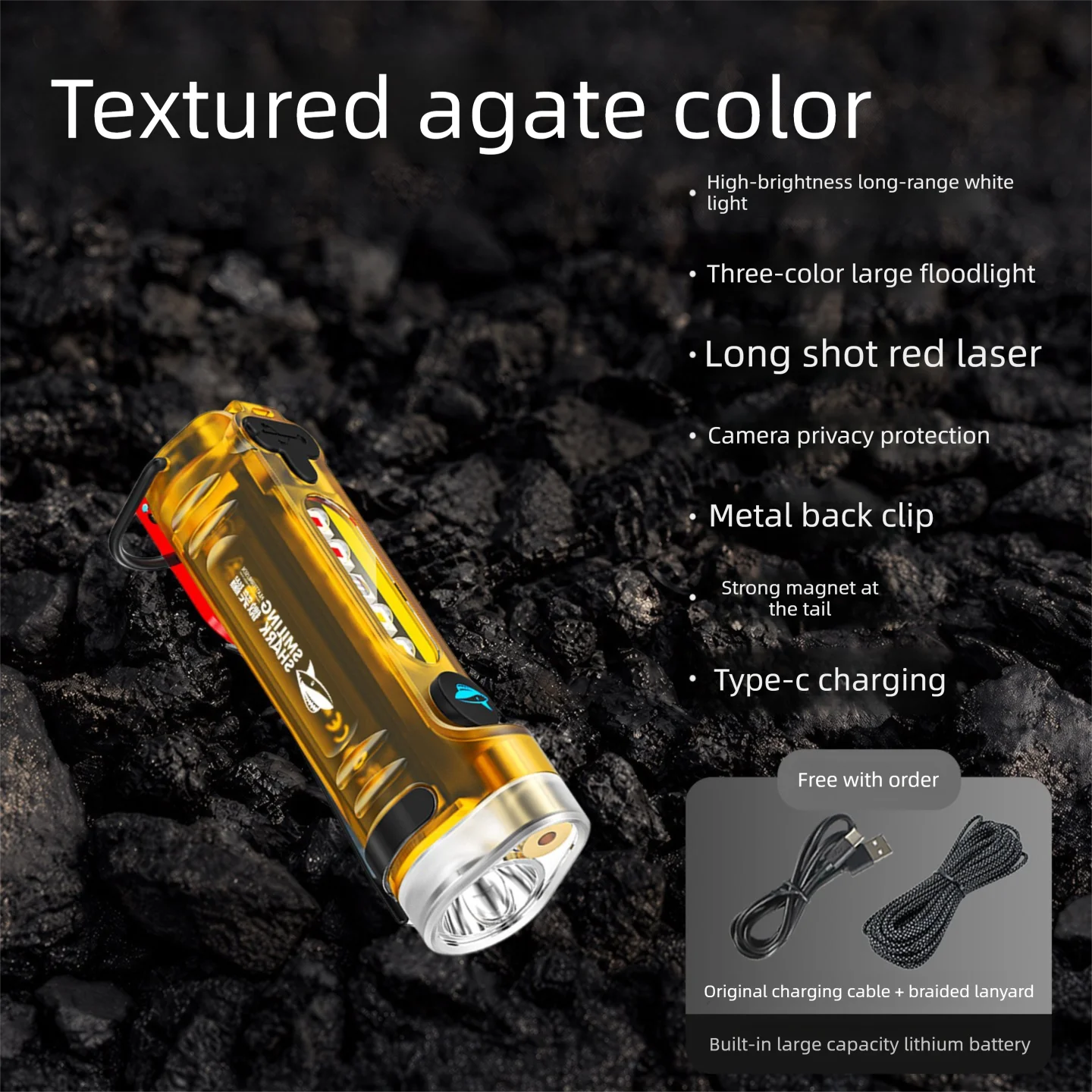
Prices are valid at publication and may change. Please refer to the product page for the latest price.
Critical Illumination and Beam Features
When selecting a torch light, understanding brightness levels and beam patterns is crucial for indoor safety. Brightness is measured in lumens, and more is not always better for indoor use. A light that is too bright can bounce off light-colored HDB walls and homogeneous floor tiles, causing intense glare that temporarily blinds you and compromises your night vision. For general indoor navigation, a torch light with a low-to-medium setting of 50 to 150 lumens is usually sufficient to illuminate a room comfortably without causing eye strain. The shape of the light beam also determines its effectiveness in different scenarios. A flood beam disperses light widely over a short distance, making it ideal for illuminating an entire bedroom, bathroom, or kitchen area during a blackout. Conversely, a spot beam projects a narrow, concentrated light path over a longer distance. This directional beam is highly valuable when navigating long, dark HDB corridors or descending windowless emergency stairwells, where you need to see potential obstacles far ahead.

To maximize versatility, look for a torch light that offers adjustable brightness levels or multiple light modes. A device with a dedicated low-power or “eco” mode allows you to conserve battery life during prolonged outages. Some emergency lights also feature a red-light mode. Red light is highly beneficial because it preserves your natural night vision and prevents glare, allowing you to check on sleeping children or navigate shared corridors without disturbing your neighbors or blinding oncoming residents in a narrow stairwell.
Hands-Free and Ergonomic Designs for Evacuation
During an emergency evacuation, keeping your hands free is a critical safety requirement. If you must exit your flat via the common stairwell, you will need your hands to hold the handrails, carry essential documents, or assist children and elderly family members. Relying on a traditional handheld torch light limits your physical capability and increases the risk of slips. Utilizing headlamps, wearable clip-on lights, or lanterns with integrated carry handles allows you to maintain full mobility while keeping your path continuously illuminated. For stationary use inside the flat, look for torch lights equipped with practical mounting features. Magnetic bases are incredibly useful, as they allow you to secure the light to metal surfaces such as the household shelter door, refrigerator, or metal shelving units. Built-in hooks and lanyards also provide flexible hanging options, turning a directional torch into an overhead ambient light source for windowless bathrooms or utility rooms. These features ensure that you can perform hands-on tasks, such as resetting your distribution board (DB) box, with both hands free.
Ergonomics and ease of use are equally important, especially for vulnerable household members. The torch light should feature an intuitive, textured grip that prevents slipping, even if your hands are damp from humidity or stress. Large, tactile buttons that are easy to locate by feel in complete darkness are highly preferred over complex digital interfaces. Additionally, ensure the weight of the device is manageable for elderly relatives or children, so they can carry or wear the light comfortably without fatigue during an extended evacuation.
Power Source and Runtime Reliability
The reliability of your emergency light depends heavily on its power source and how well it is maintained. You must choose between built-in rechargeable lithium-ion batteries and replaceable standard alkaline cells. Rechargeable models are highly convenient for regular use and can be kept topped up via standard USB ports. However, they require a disciplined charging routine to ensure they do not sit empty. Replaceable alkaline batteries offer the advantage of instant power restoration simply by swapping in fresh cells, provided you keep a stock of unexpired batteries on hand. When evaluating manufacturer specifications, pay close attention to the stated runtime on different power settings. A high-quality emergency torch light should offer a minimum of 4 to 6 hours of continuous operation on its medium setting, and significantly longer on its lowest setting. Be cautious of maximum runtime claims that are only achievable on ultra-low “micro” modes that do not provide practical illumination. Always verify that the low-power setting still provides enough light to safely navigate a dark room.
For ultimate peace of mind during prolonged grid failures, consider secondary backup power options. Some emergency lanterns and multi-functional torch lights include manual hand-crank dynamos or small integrated solar panels. While these methods are slower and generate less power than a wall charger, they provide an invaluable safety net when standard power sources are completely unavailable. Having at least one hybrid or manually powered light source in your household kit ensures you are never left entirely in the dark.
Durability and Storage in a Tropical Climate
Singapore’s high humidity and warm tropical climate present unique challenges for storing electronic devices over long periods. High humidity can accelerate the degradation of internal components and lead to battery terminal corrosion, particularly in devices that sit unused for months. When purchasing a torch light, check the packaging for an Ingress Protection (IP) rating. A rating of IPX4 or higher indicates that the device is resistant to splashing water and moisture, making it far more resilient against the humid air of a typical HDB utility cabinet or bomb shelter. Physical durability is another critical factor to verify before buying. In the rush of a sudden blackout, it is easy to drop a torch light onto hard surfaces. HDB flats commonly feature homogeneous, ceramic, or vinyl tiled floors, which can easily shatter fragile plastic casings. Look for torch lights with impact-resistance ratings, typically specified in meters. A light rated to survive a 1-meter or 2-meter drop onto a hard surface is much more likely to remain functional after an accidental slip during a tense situation.
To prevent unexpected failures, establish a strict storage and maintenance routine. Avoid storing your emergency lights in areas prone to extreme heat, such as directly adjacent to external compressor units or on sunny window ledges, as heat degrades battery capacity rapidly. If you choose to store your lights with alkaline batteries inserted, inspect them every few months for signs of white powdery corrosion or leakage. For long-term storage, it is often safest to store the batteries in a sealed organizer next to the torch, rather than inside the battery compartment itself.
Creating Your HDB Emergency Lighting Checklist
To ensure your household is fully prepared, translate these technical features into a structured emergency plan. Start by drafting a feature checklist tailored to your specific HDB layout and family needs. For a standard three-to-five-room flat, a practical setup includes at least one high-output directional torch light for stairwell navigation, two hands-free headlamps for active tasks, and a wide-beam lantern for central living spaces. Ensure that every device selected meets your criteria for durability, ease of use, and moisture resistance. Once you have acquired your emergency lighting tools, integrate them into a household maintenance schedule. Set a recurring calendar reminder every six months to test each light, check battery charge levels, and inspect terminals for corrosion. This simple habit takes only a few minutes but guarantees that your equipment will function flawlessly when you need it most. Involve all family members in these quick drills so everyone knows how to operate the lights and where they are kept.
Finally, designate a centralized, easily accessible storage location for your emergency kit. This spot should be known to all household members and kept free of clutter so you can reach it instantly in pitch darkness. Excellent locations include a shelf near your main entrance shoe cabinet, a dedicated hook inside your household shelter, or a drawer right next to your main DB box. Keeping your torch lights in a consistent, cool, and dry location ensures that you can respond calmly and swiftly the moment the lights go out.
Frequently Asked Questions (FAQ)
How often should I test my emergency torch light?
You should perform a functional test on your emergency torch lights at least once every six months. During this check, turn on each device to verify that all light modes operate correctly and that the beam remains bright. If your torch uses rechargeable batteries, top up the charge to ensure it is ready for immediate use. For devices utilizing replaceable alkaline batteries, inspect the battery compartment thoroughly for any signs of swelling, leakage, or white crusty corrosion, and replace the batteries immediately if any degradation is visible.
Is a smartphone flashlight sufficient for HDB stairwell evacuation?
While a smartphone flashlight is a convenient temporary light source, it is not highly suitable as a primary tool for HDB stairwell evacuations. Smartphone flashes produce a very wide, shallow flood of light that lacks the beam distance needed to safely illuminate steep concrete steps ahead. Furthermore, holding a phone limits your ability to use handrails or assist others, and the continuous high-power LED use drains your phone’s battery rapidly. It is critical to reserve your phone’s battery for emergency communication and official updates, relying instead on a dedicated, hands-free torch light or headlamp for physical navigation.

Community discussion
Share your experience or ask a question. Comments are reviewed before publication.