
Setting up a proper Hungry Ghost Festival (Zhong Yuan Jie) altar requires a thoughtful combination of traditional reverence, organized layout planning, and reliable ritual supplies. Using Weimei products allows households to establish a complete, respectful, and visually cohesive worship space. To achieve this, you will need to select specific items tailored for two distinct areas: the elevated main deity and ancestor tier, and the lower ground-level area dedicated to the wandering spirits, colloquially known as the Good Brothers. By coordinating Weimei incense burners, decorative scrolls, paper offerings, and safety-compliant LED lighting, you can fulfill traditional customs while maintaining a safe and orderly home environment.
Planning Your Hungry Ghost Festival Altar Layout
A successful Hungry Ghost Festival altar setup begins with a clear spatial plan that respects both cultural traditions and modern residential constraints. Traditional practices dictate a strict separation of spiritual hierarchies, which translates directly into how you arrange your physical space. The altar must be divided into distinct functional zones to ensure that offerings intended for deities and ancestors do not mix with those meant for the wandering spirits. This spatial division determines exactly which categories of Weimei products you will need to deploy in each section of your home or outdoor setup.
The upper tier of your altar is reserved exclusively for primary deities, such as the Great Emperor of the Middle Prime (Zhongyuan Dadi), and your family ancestors. This elevated space requires a dignified presentation, utilizing stable tables or dedicated altar shelves. Here, you will place high-quality Weimei incense burners, formal ritual cups, and decorative backdrops. Because this area represents respect and filial piety, it must remain clean, well-lit, and physically separated from the ground-level offerings.
Products mentioned in this guide
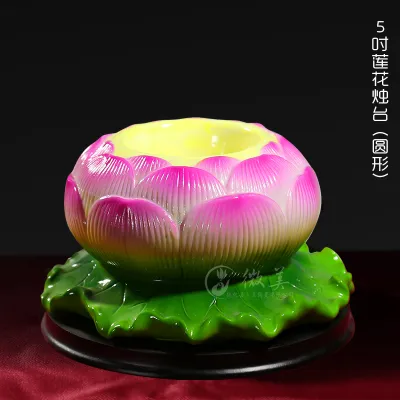
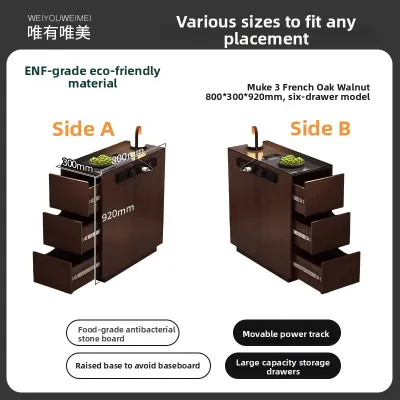
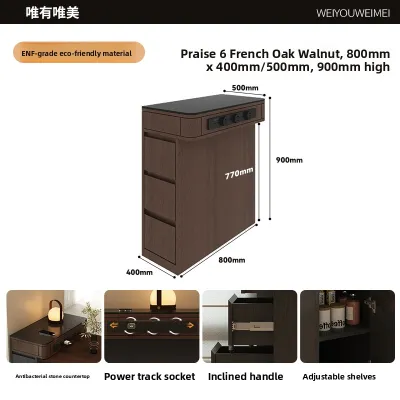
Prices are valid at publication and may change. Please refer to the product page for the latest price.
In contrast, the lower tier or ground-level area is designated for the Good Brothers. Traditionally set up outdoors, along roadsides, or on temporary low tables near the entrance of a property, this zone accommodates wandering spirits who have no descendants to care for them. For this area, you will plan for temporary ground mats, low tables, and a high volume of paper offerings, including Weimei joss paper, paper effigies, and symbolic daily necessities. Keeping this area physically lower than the main deity tier is a fundamental rule of altar etiquette.
When planning these layouts, you must carefully evaluate your available home space and strictly adhere to local housing and condominium fire safety regulations. In high-rise residential environments, such as public housing estates or private condominiums in Singapore, burning incense and paper offerings indoors is highly restricted or prohibited. You must plan your layout so that indoor altars are strictly decorative or limited to electronic lighting, while any physical burning of Weimei joss paper is planned for the designated metal burners provided by town councils or estate management outdoors. Ensure that your indoor setup does not block common corridors, fire escape routes, or ventilation shafts, keeping a clear path of at least one meter around all decorative elements.
Weimei Essentials for the Main Deity and Ancestor Tier
The elevated main deity and ancestor tier serves as the spiritual focal point of your Hungry Ghost Festival worship, demanding durable, respectful, and aesthetically appropriate ritual items. When selecting Weimei products for this primary section, focus on items that can withstand the heat of continuous worship while maintaining a traditional, dignified appearance. The core of this setup consists of a central incense burner, flanked by ritual cups for tea or wine, and framed by decorative scrolls or backdrops that establish the sacred boundary of the altar.

Start by choosing a Weimei incense burner specifically designed for indoor elevated altars. These burners are typically crafted from heavy ceramic, polished brass, or heat-resistant composite materials that prevent heat transfer to the underlying wooden furniture. When selecting a burner, verify its base diameter and weight to ensure it remains completely stable even when filled with incense ash and multiple heavy joss sticks. A stable base is critical to prevent accidental tipping, which poses a severe fire hazard in enclosed indoor spaces. Investing S$20 to S$50 in a high-quality ceramic burner with a wide, stable base provides both aesthetic value and essential physical safety.
Complementing the burner are Weimei ritual cups, which are used to present liquid offerings such as water, tea, or traditional Chinese wine. Look for sets that feature stable trays to catch any accidental spills, protecting your altar cloths and decorative scrolls from moisture damage. The decorative scrolls themselves should be hung securely behind the main deity or ancestor tablets. These scrolls often feature traditional motifs, protective symbols, or elegant calligraphy that enhances the solemnity of the space. Ensure that any hanging scrolls are anchored firmly to the wall or altar frame so they cannot flutter or fall into open flames.
Material durability and heat resistance are paramount when arranging items in close proximity to burning incense. Even if you use smokeless incense or electronic alternatives, the physical components of the altar must be robust enough to handle ambient warmth and regular cleaning. Verify that all Weimei decorative elements, such as artificial flower arrangements or embroidered altar cloths, align with traditional color schemes—predominantly deep reds, vibrant golds, and clean whites—without creating physical obstructions. These decorations must never hang over the incense burner or block the natural ventilation pathways of the room, ensuring that smoke can dissipate quickly and safely.
Setting Up the "Good Brothers" Offering Area with Weimei Products
The offering area for the Good Brothers requires a different set of materials, focusing heavily on symbolic paper crafts, temporary structures, and outdoor-ready decorations. Because this area is dedicated to wandering spirits, the offerings are designed to provide comfort, sustenance, and safe passage. Weimei offers a wide range of specialized paper products, including detailed paper effigies, traditional joss paper, and symbolic daily items that cater to these customs.
When preparing this section, identify the necessary Weimei paper effigies and joss paper bundles based on your specific family traditions and regional customs. Common offerings include paper clothing, miniature suitcases, toiletries, and symbolic currency such as hell bank notes and gold foil joss paper. These items are designed to be burned at the conclusion of the prayers, symbolizing the transmission of material comforts to the spiritual realm. Ensure you have a sufficient variety of these paper crafts to represent a complete offering, arranging them neatly on your temporary setup before the ritual begins.
To physically separate this area from the main elevated tier, plan to use temporary ground mats or low, portable tables. Placing these offerings directly on the bare ground is common for outdoor roadside prayers, but using a clean mat or a low table shows greater respect and keeps the wind from scattering the paper items. If you are setting up in a shared outdoor space, ensure your temporary table does not obstruct pedestrian pathways or parking spaces. The physical separation between the elevated ancestor altar inside the home and this ground-level setup outside must be absolute to maintain spiritual boundaries.
Proper storage of these paper products prior to the ritual is essential for both safety and preservation. Weimei paper crafts and joss paper are highly flammable and sensitive to environmental conditions. Store all paper items in a cool, dry place away from direct sunlight, high humidity, and any potential sources of ignition, such as kitchen stoves or existing altar candles. Moisture can ruin the delicate gold foil and cause the paper to stick together, making it difficult to burn cleanly. Keep them sealed in plastic storage bins until the designated burning time, ensuring they remain in pristine condition for the ceremony.
Altar Lighting, Candles, and Decor Safety
Lighting plays a crucial role in Hungry Ghost Festival decorations, symbolizing guidance for the spirits and creating a solemn atmosphere. However, traditional open-flame candles present significant safety risks, especially when placed near flammable paper offerings and fabric backdrops. Balancing traditional aesthetics with modern safety standards requires a careful selection of Weimei lighting products and a strict adherence to electrical safety protocols.
When choosing between Weimei LED candles and traditional wax candles, carefully evaluate your household environment. If you have young children, curious pets, or live in a highly drafty apartment, electronic LED candles are the highly recommended alternative. Modern Weimei LED candles replicate the warm, flickering glow of real flames without generating heat or producing smoke, making them exceptionally safe for indoor use. If your family traditions strictly require traditional wax candles, ensure they are placed inside heavy, non-flammable glass holders or deep ceramic cups that can contain melting wax and prevent the flame from coming into contact with stray drafts.
For any electrically powered Weimei lanterns, decorative string lights, or motorized altar ornaments, a thorough electrical inspection is mandatory. Verify that the voltage of these devices matches the standard household supply of 220V to 240V commonly found in Singapore, and check that they are fitted with compatible Type G three-pin plugs. Inspect the entire length of the power cords for any signs of fraying, exposed wires, or cracked insulation. Avoid overloading your electrical outlets by plugging multiple high-wattage decorative lights into a single extension socket; instead, use multi-way adapters with built-in surge protectors and safety certifications. Ensure that any dimming methods used are fully compatible with the specific LED bulbs installed to prevent flickering or overheating.
Maintaining a safe clearance zone around all heat-generating items is the single most effective way to prevent accidental fires. Keep a minimum distance of at least thirty centimeters between any light bulb, traditional candle, or electrical adapter and any flammable materials, such as paper effigies, joss paper bundles, or fabric altar cloths. Never drape decorative fabrics directly over light fixtures or run electrical cords underneath carpets or heavy furniture where heat can build up. By establishing these physical boundaries, you can enjoy a beautifully illuminated altar that remains completely safe throughout the festival period.
Sourcing and Verifying Weimei Festival Supplies
To ensure that your Hungry Ghost Festival setup is both respectful and safe, it is vital to source genuine Weimei products and verify their quality before use. The market for religious supplies often includes counterfeit or poorly manufactured items that may not meet safety standards or traditional specifications. Taking the time to verify your purchases guarantees that your altar is adorned with reliable, high-quality decorations.
Always purchase your Weimei festival supplies from authorized physical joss paper shops, official brand stores, or reputable online marketplaces. Avoid buying from unverified third-party sellers on generic e-commerce platforms, as these listings may feature counterfeit goods made from sub-standard, highly toxic materials or featuring faulty electrical components. Authorized retailers can provide guidance on the correct items needed for your specific dialect group or family traditions, ensuring you do not purchase unnecessary or incorrect products.
When your supplies arrive, carefully inspect the packaging for clear manufacturer details, safety warnings, and material composition labels. Genuine Weimei products will feature clear branding, clean printing on paper items, and robust construction on physical hardware like burners and LED lights. Check that any electrical items carry recognized safety certification marks, indicating they have undergone rigorous testing for electrical safety and fire resistance. If the packaging lacks clear origin information or contains poorly translated safety warnings, treat the product with caution.
Finally, confirm the return and exchange policies of your retailer and check all items for structural damage or missing components well before the festival begins. Inspect ceramic burners for hairline cracks that could expand under heat, and test all LED candles and lanterns to ensure they function correctly. Discovering a defect on the eve of the Hungry Ghost Festival can disrupt your prayer schedule and force you to use unsafe, makeshift alternatives. Preparing and verifying your inventory early ensures a smooth, stress-free, and safe worship experience for your entire household.
Frequently Asked Questions (FAQ)
Can I reuse Weimei decorative items for next year's Hungry Ghost Festival?
Yes, you can reuse many of your Weimei decorative items, provided they are not designed to be consumed during the rituals. Combustible items such as joss paper, paper effigies, and traditional wax candles are strictly single-use and must be burned or disposed of during the festival. However, durable hardware such as ceramic or brass incense burners, decorative scrolls, LED candles, and electronic lanterns are designed for long-term use. To preserve these reusable items for the following year, clean them thoroughly after the festival to remove any wax residue or soot. Store them in airtight plastic containers packed with silica gel desiccants to protect them from high humidity, which can cause mold, rust, or electrical degradation over the course of the year. Keep the storage containers in a cool, dark place away from direct sunlight.
Are Weimei LED candles safe to leave unattended on the altar?
While Weimei LED candles are significantly safer than traditional open-flame wax candles, they should still not be left completely unattended for extended periods. Before using them, check the manufacturer’s instructions for the maximum recommended continuous operation time and ensure the battery compartment is securely fastened with a screw or a tight latch to prevent battery leakage. Leaving electronic devices running indefinitely can lead to battery overheating or slow electrical degradation, which poses a minor but avoidable hazard. As a best practice, always turn off all battery-operated and mains-powered LED candles, lanterns, and decorative lights before you go to sleep or when leaving your home unoccupied. This simple habit conserves battery life, protects the internal circuitry of your Weimei products, and ensures absolute peace of mind for your household.

Community discussion
Share your experience or ask a question. Comments are reviewed before publication.