
Finding a high-quality Chinese ceramic table lamp in Singapore is less about chasing a single elusive brand name and more about knowing how to inspect the ceramic’s physical craftsmanship, verify local electrical safety compliance, and match your budget to the right tier of production. Because many ceramic lamps are imported directly or sold through various local distributors under white-label names, the savviest approach is to evaluate the physical product’s structural integrity and electrical components. This guide establishes a clear framework for assessing these factors, ensuring your chosen lamp is both a beautiful decorative accent and a safe, durable addition to your home.
By focusing on observable quality markers and safety certifications, you can confidently navigate the wide array of options available in local showrooms and online marketplaces. Whether you are looking for a classic blue-and-white porcelain piece for a traditional interior or a textured, minimalist ceramic base for a modern flat, understanding the technical and material realities of these lamps will prevent buyer’s remorse and ensure long-term satisfaction.
Evaluating Ceramic Craftsmanship and Build Quality
When assessing a Chinese ceramic lamp, the glaze is your first indicator of overall quality. High-quality glazing should be uniform across the entire body of the lamp. Inspect the surface closely under direct light to check for pinholes, running drips, or thin spots where the raw clay underneath shows through, unless these are intentional artistic effects like a crackle glaze. Kiln defects, such as bloating (small bubbles trapped under the surface) or warping of the clay body, indicate poor quality control during the firing process and can weaken the structural integrity of the lamp.
Products mentioned in this guide
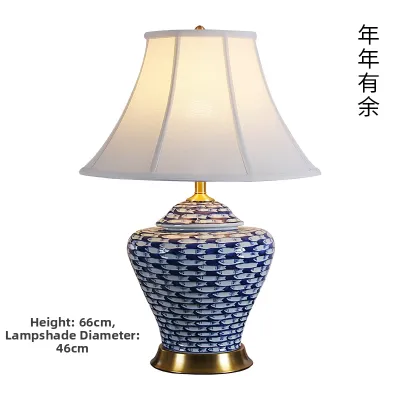
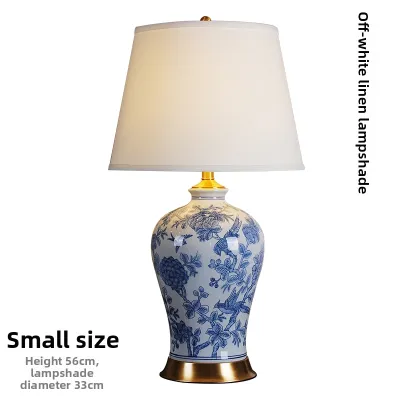


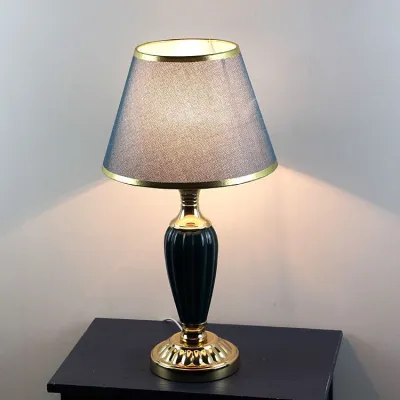
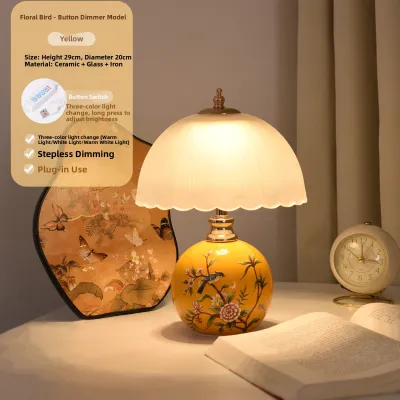
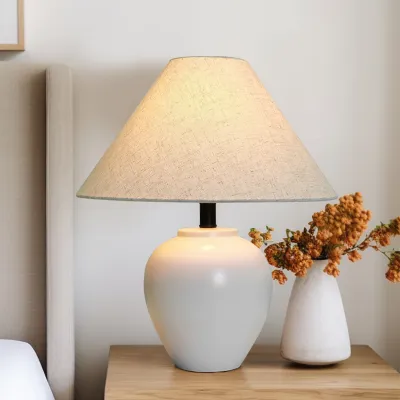
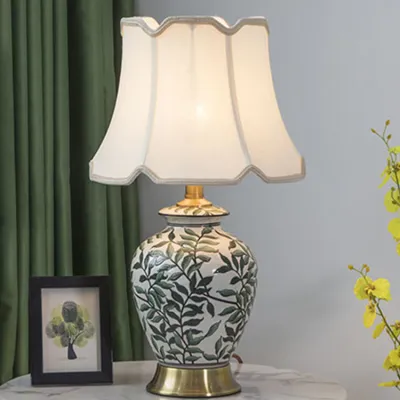
Prices are valid at publication and may change. Please refer to the product page for the latest price.
Weight distribution is another critical factor for safety and stability in Singaporean homes, where lamps are often placed on bedside tables, desks, or living room console tables. A quality ceramic lamp should feel substantial and bottom-heavy to prevent accidental tipping. Check the base of the lamp to ensure it sits perfectly flat without wobbling. The bottom should also feature protective padding, such as felt or dense foam, to prevent the raw, unglazed ceramic edge from scratching your wooden, glass, or marble furniture surfaces.
Finally, examine the hardware joints where the ceramic body meets the functional lighting components. The metal or plastic rod running through the center of the lamp must be tightly secured. If the socket wobbles when you gently touch it, the internal threading or locking nuts are loose, which can wear down the internal wiring over time. Look for clean transitions where the power cord exits the ceramic base; a rubber or plastic protective grommet should always be present to prevent the cord from rubbing against sharp ceramic edges.
Electrical Safety and Compatibility Standards in Singapore
Electrical safety is paramount when importing or purchasing lighting fixtures. In Singapore, table lamps are controlled goods under the Consumer Protection (Safety Requirements) Registration Scheme. When shopping at local retailers, verify that the lamp or its power adapter carries the blue Safety Mark. If you are purchasing directly from overseas e-commerce platforms, these products often lack this specific certification, meaning you must perform diligent checks before plugging them into your wall.

Singapore operates on a 230V, 50Hz electrical system. Many lamps sourced directly from China are wired for 220V, which is generally compatible, but their physical plugs are typically Type A or Type I. You must ensure the lamp is fitted with a compliant, fused Type G plug (the standard three-pin plug used in Singapore) or use a safe, certified adapter. Avoid using cheap, uncertified travel adapters for long-term lighting, as they can overheat and pose a significant fire hazard in your home.
Always verify the bulb socket interface and its maximum wattage limits, which are typically printed on a label near the socket. Most Chinese ceramic lamps utilize standard screw bases like E27 or E14. Ensure you use bulbs that do not exceed the recommended wattage (often capped at 40W or 60W for traditional incandescent bulbs, or much lower for energy-efficient LEDs). Exceeding these limits causes excessive heat buildup inside the enclosed ceramic body, which can degrade the socket materials and damage the internal wiring.
Understanding Price Tiers and Value Propositions
Entry-level Chinese ceramic lamps, typically priced under S$50 to S$100, are generally mass-produced using slip-casting molds. These lamps feature standard, solid-color glazes or simple printed decals rather than hand-painted designs. While they offer excellent functional value and uniform dimensions, they may feature basic plastic sockets, thinner cords, and minor surface imperfections. They are highly suitable for low-traffic areas, guest bedrooms, or rental properties where budget is the primary driver.
Mid-range options, ranging from S$100 to S$300, offer a significant step up in both aesthetics and durability. In this tier, you will find hand-finished details, unique reactive glazes that create organic color variations, and textured surfaces. The hardware is typically upgraded to sturdier materials like brushed steel or solid brass, and the internal wiring is more robust. These lamps strike a great balance for homeowners wanting a stylish, reliable focal piece without a premium price tag.
Premium ceramic lamps, priced from S$300 and above, often feature artisan-crafted bases, sometimes sourced from historic ceramic hubs like Jingdezhen. These pieces showcase complex glazing techniques, such as oxblood, celadon, or intricate hand-painted underglaze motifs. They are paired with high-grade linen or silk shades and heavy brass hardware. These lamps function as heirloom-quality statement pieces that hold their visual appeal and structural integrity for decades.
When budgeting, remember to factor in hidden costs. Ceramic is heavy and highly fragile, meaning international shipping to Singapore can add substantial fees. Additionally, items shipped from overseas may be subject to import duties or GST depending on the total value, and sourcing replacement parts like matching shades or custom sockets locally can sometimes be difficult and costly.
Sourcing Reliable Brands and Verifying Authenticity
Deciding where to buy depends on your comfort level with risk and your desire for physical inspection. Visiting local lighting showrooms in districts like Balestier or Jalan Besar allows you to physically inspect the glaze quality, feel the weight of the lamp, and verify the presence of the Safety Mark. However, local showrooms often carry a curated, smaller selection and charge higher retail prices to cover their physical overhead costs.
Shopping on authorized e-commerce platforms offers unparalleled variety and competitive pricing, but requires extra vigilance. When buying online, look for established sellers with transparent brand histories and high ratings. Carefully read customer reviews, paying close attention to photos uploaded by previous buyers to verify if the real-world glaze color matches the polished studio marketing photos.
Always check the seller’s specific policies regarding fragile goods and transit damage. A reputable seller or brand will explicitly state their return and replacement terms for items broken during shipping. Furthermore, look for listings that detail their packaging methods; reliable shippers will use custom-cut polyurethane foam molds and double-walled cardboard boxes to ensure the heavy ceramic base survives the journey to Singapore.
Decision Framework: Choosing the Right Lamp for Your Space
To finalize your purchase, align your choice with your specific spatial needs, aesthetic preferences, and technical requirements:
- Choose mass-produced options if you are decorating multiple rooms on a strict budget, require uniform matching pairs for symmetry, or need a simple, functional light source where the ceramic base is not the visual focus of the room.
- Choose handcrafted or textured ceramics if the lamp will sit in a prominent location, such as a living room sideboard or a master bedroom nightstand, where its unique glaze, texture, and artistic presence can serve as a decorative focal point.
- Verify smart home compatibility before purchasing. If you plan to use smart bulbs (such as Philips Hue or other dimmable systems), ensure the lamp uses a standard E27 or E14 socket and features a simple manual on/off inline switch rather than a built-in digital dimmer, which can conflict with smart bulb electronics.
- Prioritize safety and stop if a lamp arrives with frayed cords, loose electrical sockets, or lacks clear voltage and wattage labels. Do not attempt to plug it in; instead, return the product to the seller or consult a qualified local electrician to re-wire the base safely.
Frequently Asked Questions (FAQ)
How do I clean and maintain a ceramic lamp base?
Always isolate the power by unplugging the lamp from the wall socket before cleaning. For regular maintenance, dust the ceramic base gently with a dry microfiber cloth. To remove stubborn dirt or fingerprints, use a slightly damp cloth with a small drop of mild dish soap, then wipe dry immediately. Avoid using abrasive scrubbing pads or harsh chemical cleaners, as these can permanently scratch or degrade the protective glaze finish.
What should I do if the ceramic lamp arrives damaged?
Document the unboxing process by taking clear photos or a continuous video as you open the package. If you discover any cracks, chips, or complete breakage, take close-up photos of the damage, the shipping label, and the state of the packaging materials. Contact the seller immediately within their specified reporting window—usually within 24 to 48 hours of delivery—to initiate a replacement or refund claim, and keep all original packaging until the issue is resolved.

Community discussion
Share your experience or ask a question. Comments are reviewed before publication.